
Amputation injury claims · West Virginia
Lost a Limb in a Crash? Talk With Us About Your Options
Big Bubba represents West Virginians seriously hurt in car and commercial truck crashes, including amputation injuries. Start with a confidential free case review.
Published November 5, 2026
Searching for an amputation injury lawyer West Virginia families can call? This page explains what a claim may cover. An amputation injury claim seeks payment from the people or companies responsible for a crash that caused the loss of a limb. The firm handles car, truck and commercial vehicle crash claims, and wrongful death claims for families, across West Virginia.
What an amputation injury claim is and who it is for
An amputation injury claim is a legal claim against the party responsible for a crash that caused the loss of a limb, whether part or all of it. The claim seeks money for the losses that follow the injury.
This page is written for three groups. The first is an injured adult. The second is a spouse or family member acting for an injured adult. The third is the family of someone who died after an amputation-level injury.
The firm handles car accidents, truck accidents, commercial vehicle accidents, catastrophic injuries, traumatic brain injury, spinal cord injury and wrongful death claims in West Virginia. Amputation is often a catastrophic injury. These claims can involve medical records, rehabilitation history and a review of future care needs.
Each claim turns on its facts. The crash, the injury, the medical course and the people involved all shape what a claim looks like. Starting early helps keep records together while evidence is still available.
If a crash left you or someone you love facing an amputation, you don't have to sort out the claim alone. Reach out to the firm and request a free case review. Talk it through with Big Bubba — the first case review is free, confidential, and carries no obligation.
How do amputation injuries happen in car, truck and commercial vehicle crashes?
An amputation may happen when a limb is crushed, pinned or severed during the impact, a rollover, or the rescue that follows. In car crashes, a limb can be trapped when doors, panels or the dashboard collapse into the passenger space. After a rollover, a person can be pinned between parts of the vehicle.
Heavy trucks and buses carry far more weight, so impacts with them can cause severe crush injuries. Commercial vehicle crashes can also involve more than one party. The driver, the company that employs the driver, and the owner or lessee of the vehicle may each have a role.
Negligent hiring is one legal theory.
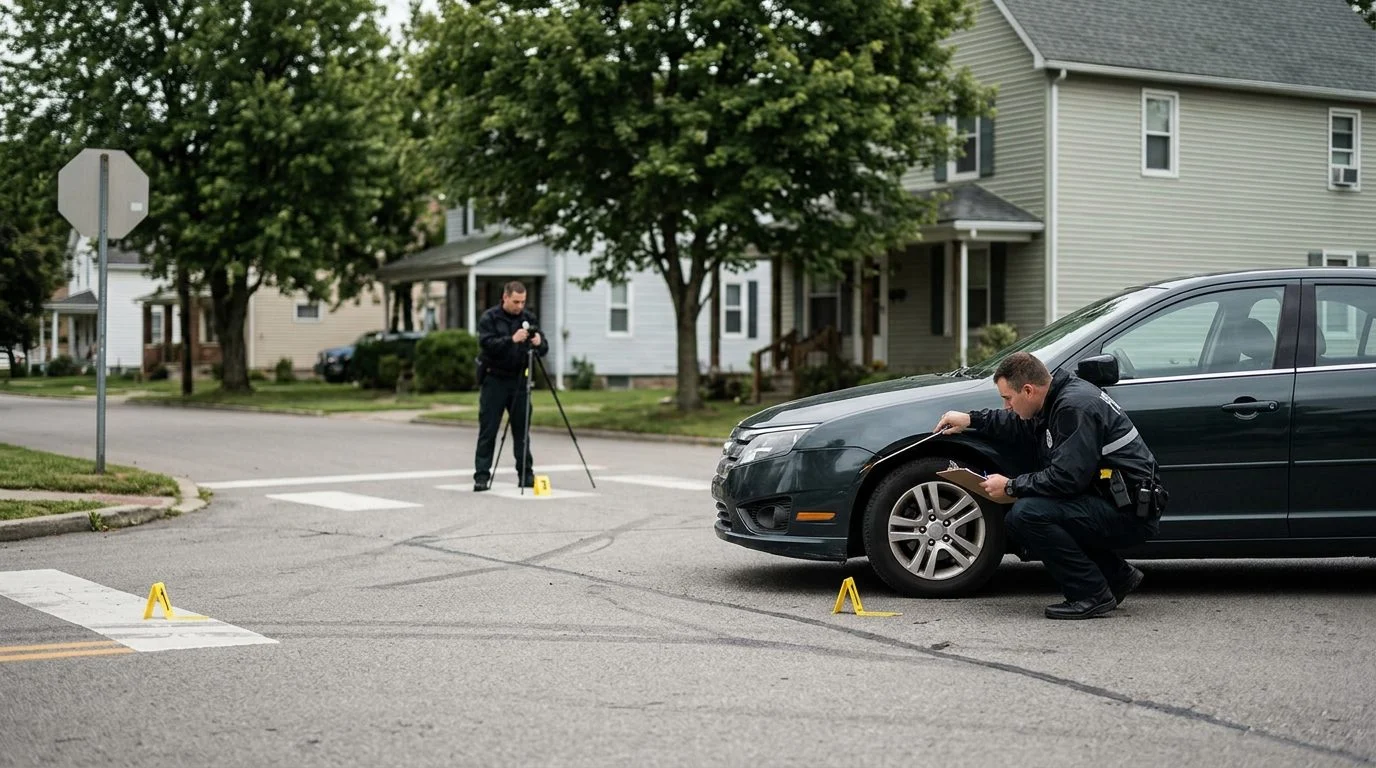
Evidence often helps show how the injury happened. The crash report, scene photos, vehicle data, dash camera footage and witness accounts may all be relevant. If another driver or company was at fault, a claim may be available.
What can an amputation injury claim include?
A claim may seek payment for medical costs, lost income and other losses that the records support. Common categories include:
- Emergency care, surgery, hospital stays and follow-up treatment.
- Prosthetic devices, along with repairs and replacements.
- Rehabilitation, physical therapy and occupational therapy.
- Future needs that treating providers document, such as prosthetic upgrades, further surgery, mobility aids, and changes to a home or vehicle.
- Lost income and reduced ability to earn, including time away from work and limits on the kind of work the person can do.
- Pain, emotional distress and loss of enjoyment of life.
Long-term work limits can raise a separate question. The Social Security disability information explains eligibility. Those benefits follow federal rules, so they run as a separate process from an injury claim.
No one can predict what a claim will be worth before the facts are known.
What happens to a wrongful death claim after an amputation injury?
If an amputation-level injury leads to death, the family may have a wrongful death claim under West Virginia law. Generally, the claim is brought by the personal representative of the person who died, who must be duly appointed. W. Va. Code § 55-7-6 sets out this rule and how any money is distributed among survivors.
A jury may award damages in several categories. These can include sorrow, mental anguish and solace, such as companionship, guidance and advice. They can also include lost income and services the person would have provided, care and hospital expenses tied to the injury, and reasonable funeral expenses.
If the injured person lived for a time before dying, state law may also allow a separate claim for damages between the injury and the death where not otherwise provided for in sections five and six of this article, with only one recovery for each element of damages (W. Va. Code § 55-7-8).
Families often have many questions at once. Families can tell the firm what happened, and the firm can explain which options may apply.
How does a case with the firm usually move forward?
A case usually begins with a free case review, and then it moves through several stages.
- First contact. You describe the crash, the injuries and the medical care so far.
- Free case review. The firm offers a free case review. It is confidential and carries no obligation to continue.
- Preserving evidence. The firm may send letters asking that crash reports, vehicle data, photographs and records be kept.
- Gathering records. Medical, prosthetic, rehabilitation and wage records are collected. Treating providers may be asked for statements.
- Reviewing fault and losses. The firm reviews who may be responsible and what the records support. It may consult outside professionals on medical and work-related questions.
- Negotiation or lawsuit. Many claims are resolved through talks with insurers. Some require filing a lawsuit.
No one can set a fixed timeline in advance. Medical recovery and the complexity of the case both affect how long a claim takes. An amputation injury lawyer West Virginia residents can reach will walk through these steps at the start.
How long do you have to file, and why does timing matter?
West Virginia generally allows two years to file a personal injury claim, and exceptions may apply (W. Va. Code § 55-2-12). Wrongful death claims generally must be started within two years after the death, and exceptions may apply (W. Va. Code § 55-7-6).
A separate rule limits early settlement talks. For twenty days after an injury, no one may negotiate a settlement with an injured person who is in the hospital or unable to work. Under W. Va. Code § 55-7-11a, a settlement, release of liability or statement entered into, obtained or made in violation of that section may be disavowed by the injured person at any time within one hundred eighty days from the date of the personal injury.
Evidence can be lost over time. Dash camera footage can be overwritten, and vehicle data can be changed or repaired. Some insurers may dispute a claim or ask for a recorded statement early. You may want to speak with the firm before giving one.
Not sure what your next step is?
Talk it through with Big Bubba — the first case review is free, confidential, and carries no obligation.
What questions do people ask before reaching out?
Here are direct answers to common questions about amputation injury claims in West Virginia.
Is the free case review confidential?
Yes. The firm offers a free case review that is confidential and carries no obligation to continue.
Can I still have a claim if I was partly at fault?
West Virginia generally reduces a recovery by the injured person’s share of fault. Under W. Va. Code § 55-7-13c, fault bars recovery only when it is greater than the combined fault of everyone else responsible.
Will a claim cover a prosthetic that needs replacing later?
A claim may consider future prosthetic needs when treating providers document them.
What if an adjuster already called me?
Some insurers may ask for a recorded statement early. You can speak with the firm before you answer detailed questions.
The firm can explain how that applies to your family.
If a crash left you or a loved one with an amputation, or led to a death after one, you can contact the firm to ask about a free case review. If you need an amputation injury lawyer West Virginia families can call, this is the next step.
Related practice areas
- Commercial Vehicle Accident Lawsuit Timeline in WV