
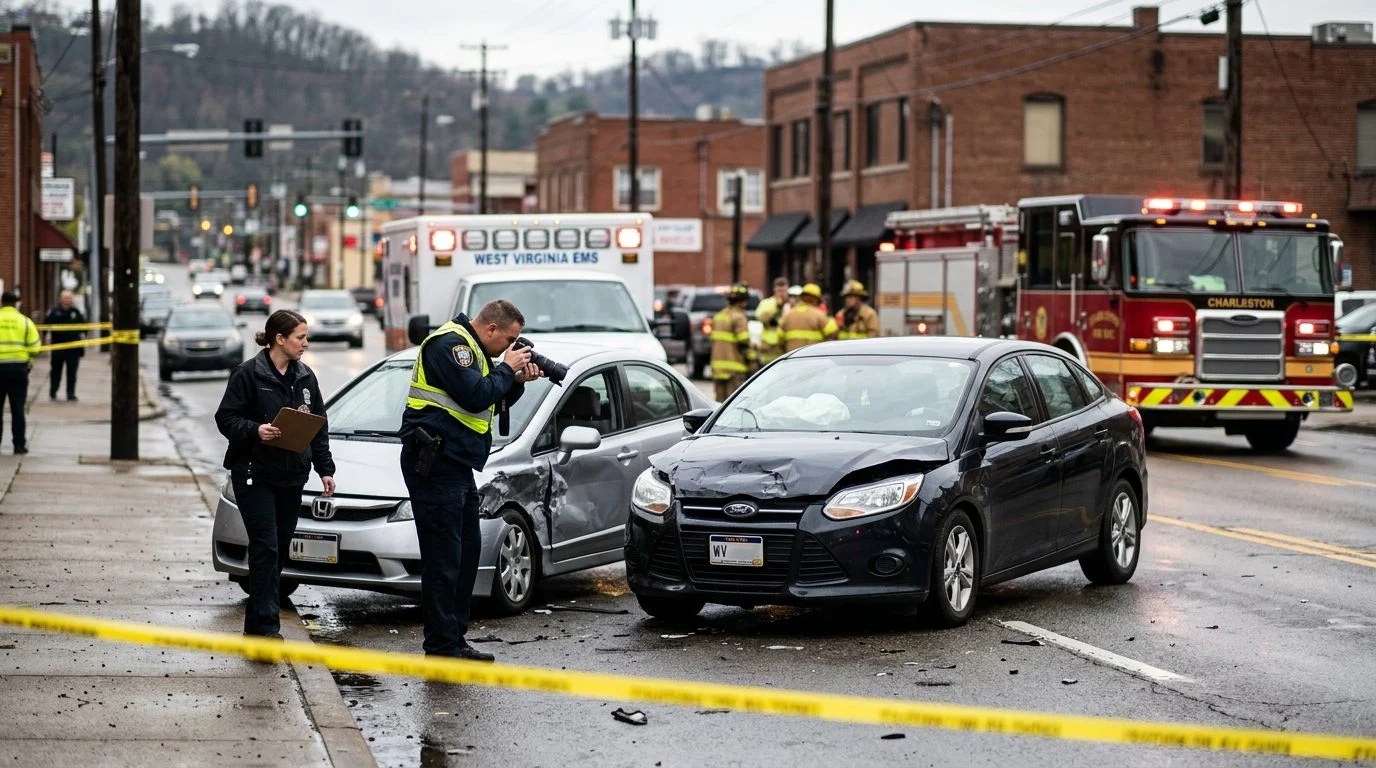
Car Accident Claims | West Virginia
Hurt in a Crash and Can't Remember It? Talk to Us.
Memory loss after a serious car or truck crash is more common than many people think, and it may not end your claim. Big Bubba helps injured West Virginians and their families understand their options.
Published November 5, 2026
Can You Still File a Claim If You Cannot Remember the Crash?
Yes, you may still have a claim. A gap in memory does not automatically end a claim. A claim rests on evidence, not only on what the injured person recalls. Police records, witness accounts, photos, medical records, and vehicle data can help show how a crash happened and who was responsible.
Whether a claim fits your situation depends on the facts of your crash and your injuries. If you are unsure, reach out to us and we can talk it through with you.
If you cannot recall the crash that hurt you, you may still have a claim, and we are ready to review your situation with you. Talk it through with Big Bubba — the first case review is free, confidential, and carries no obligation.
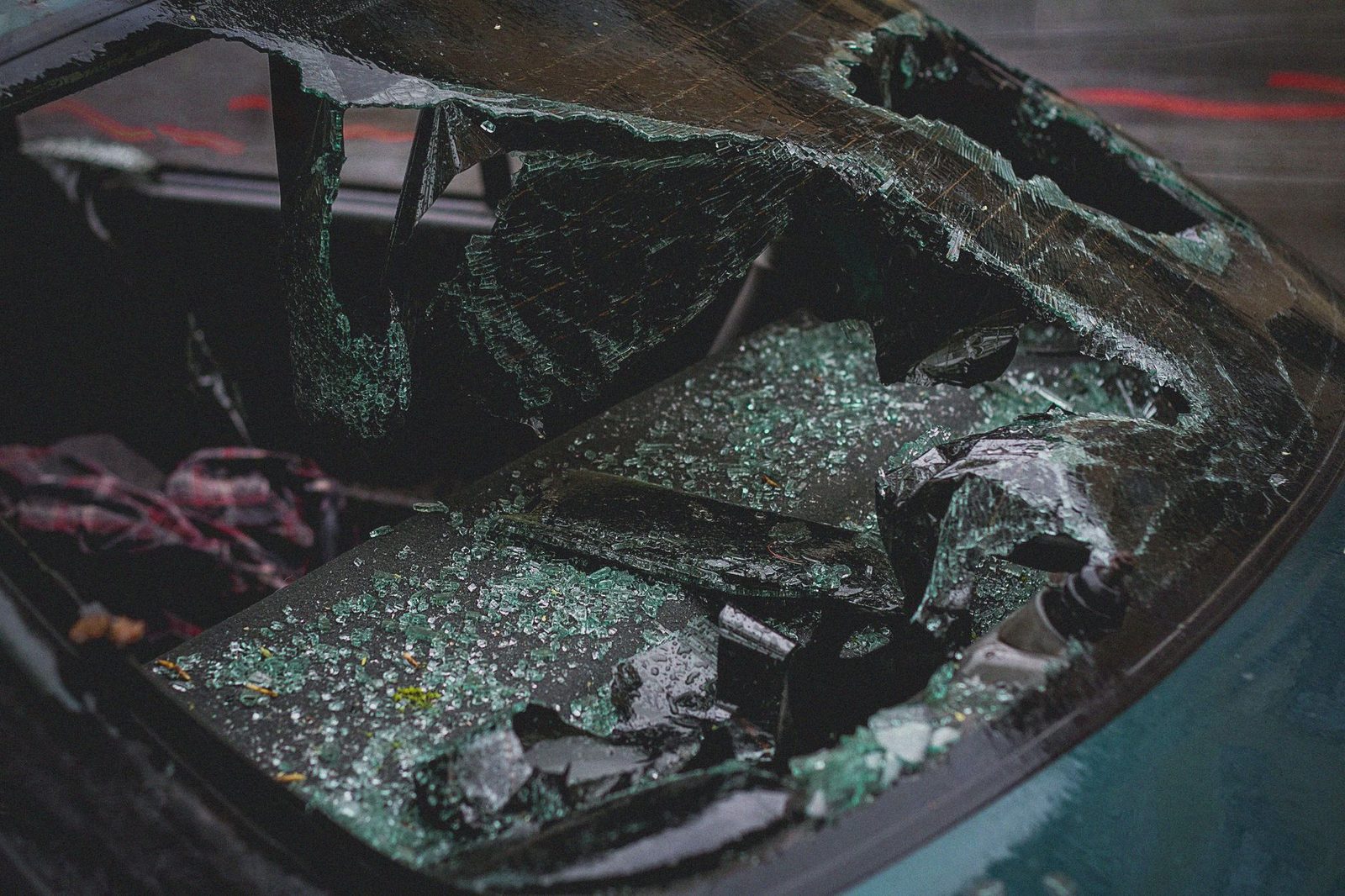
Why Memory of a Crash Can Be Missing
Head injuries can cause gaps in memory. A person may lose the moments before, during, or after a collision. This can happen after a hard impact to the head, even when the person seems alert at the scene.
A person who was unconscious or sedated at the scene will also have no memory of the crash. That gap does not show the crash was minor. It can point to a serious injury that needs medical evaluation, including a traumatic brain injury that may not be obvious right away.
Missing memory also makes medical records more important. Tell your doctors what you remember and what others told you about the crash. Ask that these details be noted in your chart, so the record reflects what you could and could not recall.
What Evidence Can Support a Claim When Memory Is Missing
Several kinds of evidence can help when the injured person cannot describe the crash. Each one answers a different question.
- Police or crash reports. These record what the officer saw, where vehicles came to rest, and any statements taken at the scene.
- Witness accounts. Other drivers, passengers, pedestrians, and nearby workers may have seen part of the crash.
- Photos and video. Scene photos, vehicle photos, and nearby camera footage may show what happened. Video can be overwritten over time, so early requests may matter.
- Medical records. Emergency notes often record what the patient said at the time, and they document the injury.
- Vehicle evidence. Damage patterns and, where available, data stored in the vehicles can help rebuild the sequence of events.
Truck crashes often involve a longer list. Driver records of duty status, dispatch information, and maintenance history may be relevant, depending on the facts. Federal rules require motor carriers to keep driver duty-status records for at least six months from the date of receipt (49 C.F.R. § 395.8). Other company records have their own minimum retention periods, and after those periods end, companies may destroy some records at management’s discretion, but other government bodies may require longer retention periods (49 C.F.R. § 379.3). That is why early action matters.
In a wrongful death case, families often rely on the same kinds of evidence. They may also use records the person left behind, such as calendars, phone messages, and medical files.
Timing Matters: Deadlines and Early Steps
West Virginia generally allows two years to file a personal injury lawsuit, and exceptions may apply. The two-year period runs from when the right to sue arose (W. Va. Code § 55-2-12). A wrongful death action generally must start within two years after the death (W. Va. Code § 55-7-6). W. Va. Code § 55-7-6 reads: “The provisions of this section shall not apply to actions brought for the death of any person occurring prior to July 1, 1988.”
Missing a deadline can stop a claim from moving forward. That is why the timing question should be looked at early, even while you are still recovering.
Memory gaps make timing harder. You may not know the exact date of the crash or when an injury was diagnosed. Keep these records:
- Medical appointment dates and discharge papers
- Prescriptions and therapy notes
- Letters from insurers, employers, or the other party
- Names and phone numbers of anyone who was at the scene
- Photos of your vehicle and your injuries
Handling Insurance Contact When You Cannot Recall the Details
Saying “I don’t remember” is an honest answer. You do not need to fill gaps with a guess. A guess can create a record that later conflicts with the evidence.
Some insurers may ask for a recorded statement or a quick account of the crash. Some may dispute a claim when the details are unclear. Before you give a statement or sign anything, take time to understand what you are agreeing to. A release may limit what you can seek later.
West Virginia law also limits some early settlement contact. For 20 days after a personal injury, no person may negotiate a settlement, obtain a release, or obtain a statement for use in negotiating a settlement or obtaining a partial or general release of liability from an injured person who is an inpatient in any hospital or partially or totally unable to engage in his or her usual trade, profession or occupation, subject to exceptions (W. Va. Code § 55-7-11a).
Keep a written log of every call, letter, and adjuster contact. Write down names, dates, and what was said.
What Happens at a Free Case Review
A free case review is a confidential first conversation about your situation. It does not require you to continue with the firm. The firm offers this review so you can decide what comes next.
Most reviews follow a simple path:
- You share what you remember. Include what you were told and what others have said. Say which parts you do not recall.
- You bring your papers. Police reports, medical records, photos, and insurance letters help show the full picture.
- You identify other sources. Witnesses, nearby businesses, and the other party’s records may hold useful information.
- The firm explains options. The firm can explain which evidence may be available for your situation and which records may need to be requested.
A review is a discussion. No outcome can be promised in advance.
Not sure what your next step is?
Talk it through with Big Bubba — the first case review is free, confidential, and carries no obligation.
Frequently Asked Questions
Can I file a claim if I was unconscious at the scene?
Yes, you may still have a claim. Other evidence, such as police reports and medical records, is often used to show what happened.
Does not remembering the crash mean I was at fault?
No, memory loss does not decide fault. Under West Virginia’s comparative fault rule, recovery is predicated upon principles of comparative fault, and each person’s liability is allocated in direct proportion to that person’s percentage of fault (W. Va. Code § 55-7-13a).
What if the police report says the crash was my fault?
A report is one piece of evidence. The firm can help you review it alongside witness accounts, photos, and other records.
What if someone tells me what happened?
Others’ accounts can be useful evidence. They carry the most weight when records support them.
Can a family pursue a wrongful death claim if no one saw the crash?
Families often rely on the crash report, records, and other evidence, depending on the facts.
Does a missing police report end my claim?
No, a missing report does not automatically end a claim. Other evidence can still be used, depending on the facts.

Reaching Out to the Firm After a Crash
If you cannot recall a crash that injured you or someone you love, the records that show what happened may be fading. Reach out to the firm now and request a free case review. We can look at the evidence you have and the deadlines that may apply.
We serve injury victims across West Virginia, including Charleston, Huntington, Morgantown, Wheeling, Martinsburg, Parkersburg, Beckley, Clarksburg, Fairmont, and Weirton.