
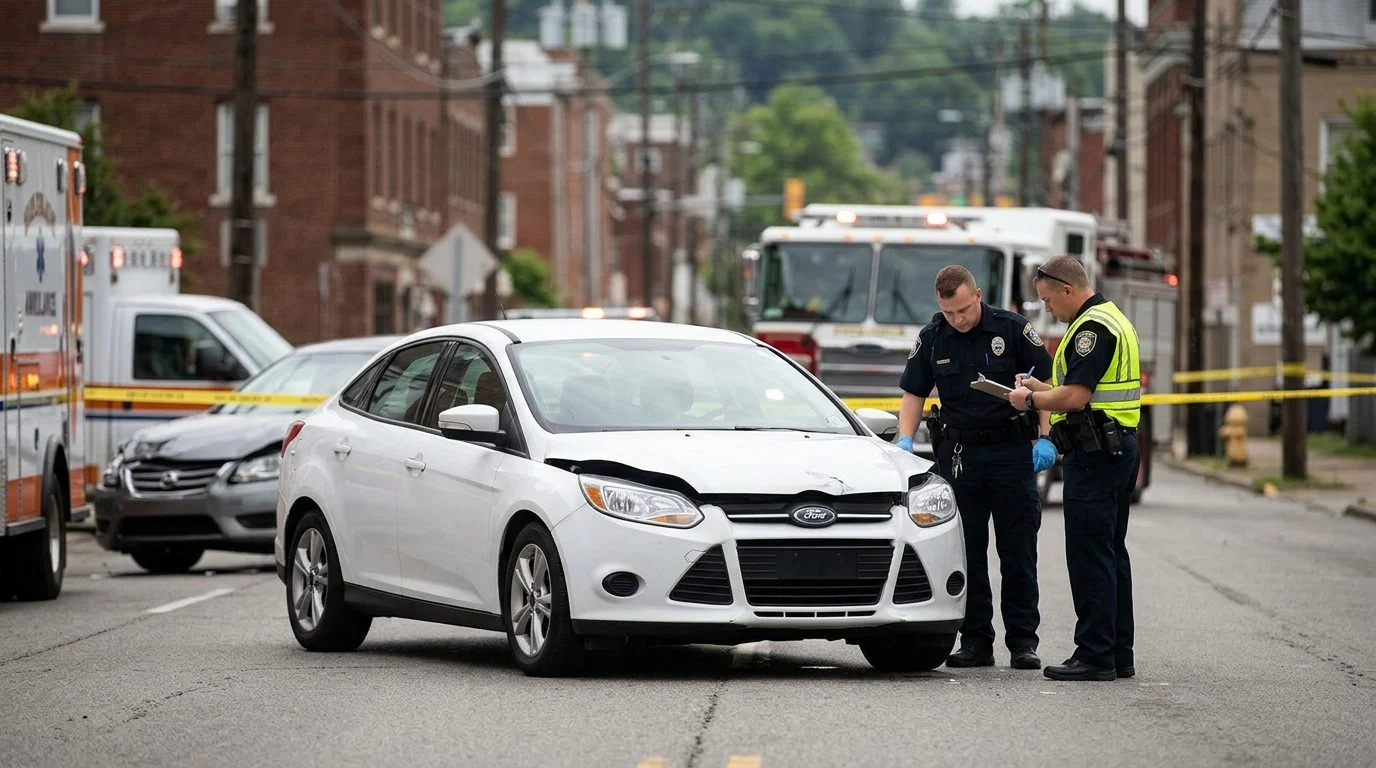
Serving Huntington Injury Victims | Car Accidents
Hurt in a Car Accident in Huntington? Start with a Free Case Review
Big Bubba Injury Law represents people seriously hurt in car and commercial truck crashes, catastrophic brain and spinal cord injuries, and families in wrongful death cases across West Virginia. Your first review is confidential and carries no obligation to continue.
Published October 15, 2026
Serving Huntington Car Accident Victims
Big Bubba Injury Law is a car accidents law firm serving people hurt across West Virginia, including Huntington. Our practice also covers commercial truck crashes, catastrophic injuries, and wrongful death. This page explains what these claims involve, how the process generally works, and how to request a free case review. Every claim depends on its own facts, so the details matter.

Not sure what your next step is?
Talk it through with our team — the first case review is free, confidential, and carries no obligation.
Car Accident Claims We Handle for Huntington Residents
The firm handles car accident claims for people hurt in Huntington and across West Virginia. We serve Huntington as part of our statewide practice, which includes all 55 West Virginia counties.
This page is written for adults hurt in a crash on Huntington streets or nearby roads in Cabell or Wayne County. It is also for family members who lost someone in a crash. Those readers often need clear answers before they decide what to do next.
That may include:
- A driver or passenger hurt in a collision with another car, SUV, or pickup.
- A pedestrian or cyclist struck by a vehicle.
- A family member affected by a fatal crash.
Whether a specific crash fits our practice depends on the facts. A free case review is the way to find out.
Types of Crashes and Injuries Covered
The firm handles passenger vehicle crashes, commercial truck and commercial vehicle crashes, catastrophic injuries, and wrongful death claims. Each type raises different questions.
Passenger Vehicle Crashes
Collisions involving cars, SUVs, and pickups can happen at intersections, during lane changes, and in rear-end impacts. Each crash turns on its own details, including the road conditions and how the vehicles moved.
Truck and Commercial Vehicle Crashes
Commercial trucks, delivery vans, and buses may be subject to federal rules, depending on how they are used. The FMCSA hours-of-service rules set driving limits, rest periods, and breaks for covered drivers and carriers. Records like these may be relevant, depending on the facts.
Catastrophic Injuries
Traumatic brain injury and spinal cord injury can change how a person lives, works, and moves. The Christopher & Dana Reeve Foundation notes that trauma such as a car accident can cause spinal cord injury, and that there is no proven definitive cure. Effects vary with the injury, so medical facts shape every claim.
Wrongful Death
Under W. Va. Code § 55-7-6, a wrongful death action generally is brought by the personal representative of the deceased person’s estate. The statute lists categories a jury may consider, such as loss of companionship and lost income. Who may bring a claim, and the amount of any damages, depend on the facts.
How the Claim Process Generally Works
A car accident claim generally moves through a free case review, investigation, evaluation, and then negotiation or a lawsuit. The path depends on the facts of each case.
- Free case review. You share what happened. The review is free, confidential, and carries no obligation to continue.
- Fact review. We look at the crash details, your medical treatment, and insurance information to identify possible claims.
- Investigation. This may include police reports, medical records, photos, and witness information. The firm handles communications with insurers and other parties.
- Evaluation and next steps. Depending on the facts, this may lead to negotiation or, if appropriate, a lawsuit.
How long each step takes varies with the facts, the injuries, and the parties involved. No particular result or timeline can be promised.
Have questions about what happened?
Ask our team directly. The first conversation is free, confidential, and there is no obligation to continue.
Steps and Records That May Matter After a Huntington Crash
Getting medical care and keeping records are generally useful steps after any crash. Symptoms of some injuries may appear hours or days after a crash, and an early medical evaluation may be helpful.
- Get a medical evaluation promptly, and follow the treatment plan.
- Note the police or crash report number, and request a copy.
- Take photos of the scene and vehicle damage, and write down witness names.
- Keep bills, pay records showing missed work, and a simple symptom journal.
Evidence may be relevant depending on the facts. It does not decide a claim on its own.
Before you give a recorded statement or sign a release, it helps to understand what is being asked.
Understanding Your Options After a Serious Crash
- Plain language. We explain each step and the law in everyday terms.
- Clear scope. The practice areas are listed so you can judge whether your case fits.
- Support staff. The firm’s attorney is supported by assistants and office staff who handle scheduling and document requests.
- Statewide service. We serve Huntington and communities across all 55 West Virginia counties.
Frequently Asked Questions About Huntington Car Accident Claims
Do I need a lawyer after a minor crash?
Symptoms can appear later, so the answer generally depends on the facts. A free case review can help you understand your options.
What if the other driver is uninsured or underinsured?
Coverage generally depends on the policy terms and the facts of the crash. West Virginia law addresses uninsured and underinsured motorist coverage under W. Va. Code § 33-6-31, and you can check your own policy to see what coverage it includes.
Can I still recover if I was partly at fault?
West Virginia generally uses a modified comparative fault rule. Under W. Va. Code § 55-7-13c, fault generally bars recovery only if it exceeds the combined fault of others, and exceptions may apply.
How long do I have to file?
Under W. Va. Code § 55-2-12, a personal injury action generally must be brought within two years after the right to sue accrues. Exceptions may apply, and missing that period may affect your ability to sue.
Will my case go to court?
That depends on the facts, the parties, and how negotiations go. No one can predict that in advance.

Want to know where you stand?
Tell us what happened and our team will walk you through the options available to you, at no cost.
Questions to Consider After a Crash
To prepare, gather the crash date and location, the police report number, the names of your medical providers, and your insurance information. Bring whatever you have, even if it is incomplete.