
West Virginia Wrongful Death and Catastrophic Crash Guide
When a Crash Changes Everything, the Firm Is Ready to Listen
Big Bubba Injury Law represents injured people and families after car crashes, commercial truck crashes, and wrongful deaths across West Virginia. Learn what to know, then tell us what happened.
Published October 28, 2026
If a crash in West Virginia killed someone you love, a wrongful death claim may be available to the family. Under West Virginia law, this claim is generally filed within two years of the date of death (W. Va. Code § 55-7-6). This page explains who can file, what the law says families may recover, and how a case moves forward after a catastrophic crash.
What a Wrongful Death Claim Is and Who It Is For
A wrongful death claim is a civil case a family brings after someone dies because another person’s wrongful act, neglect, or default caused the death. It is separate from any criminal case. A criminal case asks whether a law was broken. A civil claim asks who must answer for the family’s losses.
The claim cannot bring back the person who died. It addresses the harm the family carries.
This page is written for the people left behind: a spouse, adult children, parents, siblings, or others who relied on the person who died. Many readers are searching while still grieving or waiting for answers. Families often feel they must act at once. Knowing the basic rules first can make the next steps easier to face.
If a crash took someone you love in West Virginia, you may have a claim, and you don't have to face the next steps alone; tell us what happened in a free case review. Talk it through with Big Bubba — the first case review is free, confidential, and carries no obligation.

Catastrophic Crashes That Lead to Wrongful Death Claims
Fatal crashes happen on West Virginia’s interstates, highways, and county roads.
Car accidents. Head-on collisions, intersection crashes, rollovers, and crashes caused by impaired or distracted driving often produce catastrophic injuries and deaths.
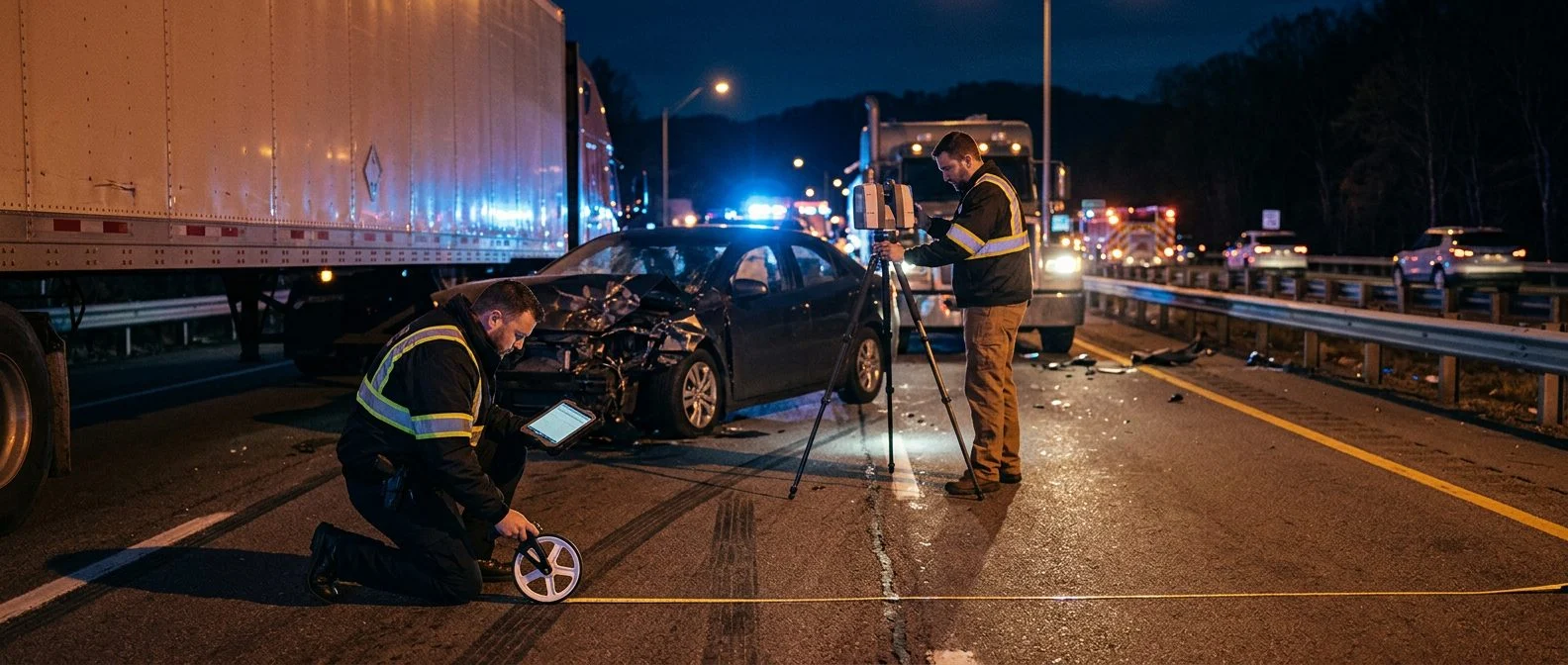
Commercial truck accidents. Jackknifes, rear-end collisions with tractor-trailers, and crashes involving poorly secured loads can be devastating. The West Virginia DMV cargo guidance notes that unsecured cargo can cause serious or catastrophic crashes.
Commercial vehicle accidents. Buses, delivery vans, and work vehicles can also cause fatal crashes. In some cases, a company or employer may share responsibility for the driver’s conduct.
Commercial crashes often leave more records behind, including driver logs, maintenance files, and electronic data. Those records are kept for limited periods, so early preservation matters.
Who Can File and the Deadline Under West Virginia Law
The claim must be brought by the personal representative of the deceased person’s estate. A personal representative is the person a court appoints to manage the estate. Under W. Va. Code § 55-7-6, the general deadline is two years after the death.
The statute ties that deadline to other provisions of West Virginia law, so the date should be checked early. Do not assume the clock starts on the date of the crash. Under this statute, it runs from the date of death.
Families often wait for the police, criminal, or insurance processes to finish. That wait can push important steps too late. Starting the review while other matters are still moving keeps options open.
To begin, bring the date of death and the names of surviving family members to a free case review. The firm can then review who may bring the claim under the statute.
What a Family May Seek to Recover
A wrongful death verdict may include several categories of damages. Under W. Va. Code § 55-7-6, those categories include:
- Sorrow, mental anguish, and solace, including companionship, guidance, and advice from the person who died
- Reasonably expected loss of the decedent’s income, and of the services, protection, care, and assistance the person provided
- Care, treatment, and hospital costs tied to the injury that caused the death
- Reasonable funeral expenses
The statute also lets the judge or jury direct in what proportions damages are distributed to the surviving spouse and children, including adopted children and stepchildren, brothers, sisters, parents, and any persons who were financially dependent on the person who died or would otherwise be equitably entitled to share in such distribution, after making provision for those expenditures, if any, specified in subdivision (2), subsection (c) of this section.
If the person lived for a time after the crash, a separate claim may cover damages between the injury and the death. Medical records from a brain or spinal cord injury often matter here.
The amount depends on the facts and the evidence. No outcome can be predicted from general information.
How the Process Works, Step by Step
A wrongful death case usually moves through clear stages. The timing of each stage varies by case.
- Free case review. The family describes what happened. The review is confidential.
- Evidence preservation. The firm helps secure the police report, scene photos, vehicle data, and witness information. In truck cases, federal hours-of-service limits control how long a driver may drive, so driver logs can show whether those limits were followed.
- Maintenance records. Under federal inspection rules, records must be kept for one year where the vehicle is housed, and for six months after it leaves the carrier’s control.
- Medical records. The firm gathers records covering the injuries and the time before death.
- Insurance contact. Insurers may reach out early. Talk with the firm before giving any recorded statement.
- Investigation, then negotiation or suit. For catastrophic crashes, investigation can take months, sometimes longer. The firm may negotiate or file in the proper West Virginia court if needed.
The firm explains each stage as it happens.
Common Questions Before You Reach Out
Families often ask the same questions in the first days after a crash. Short answers are below.
Can I reach out if I’m not a spouse or parent?
Yes, you can ask. The statute covers spouses, children, parents, siblings, and people who depended on the person who died. Describe your relationship in a free case review.
My loved one died days after the crash. Does that still count?
The claim is tied to the death and its cause. The firm reviews the timing and the injuries before death using the medical records.
An insurance company already called me. What should I do?
You can talk with the firm before giving a recorded statement to any insurer.
Do I need a police report?
No single document decides a case. The police report is one piece of evidence, and the firm can help the family gather it.
Does the crash have to happen in West Virginia?
Where it happened matters for the review. Share the location and date in your free case review.
Not sure what your next step is?
Talk it through with Big Bubba — the first case review is free, confidential, and carries no obligation.

How Families Can Begin a Wrongful Death Claim
Big Bubba Injury Law handles car and commercial truck crash cases, catastrophic brain and spinal cord injury cases, and wrongful death cases for families across West Virginia. The firm is based on the practice areas named here and serves the whole state.
We serve all 55 West Virginia counties, including Charleston, Huntington, Morgantown, Wheeling, Martinsburg, Parkersburg, Beckley, Clarksburg, Fairmont, and Weirton.
The practice has support staff, including assistants and office staff, who help families reach the firm and keep their documents organized.
If you are still trying to understand what happened and what comes next, you do not have to sort it out alone. Tell Big Bubba Injury Law what happened in a free case review, in your own words.