
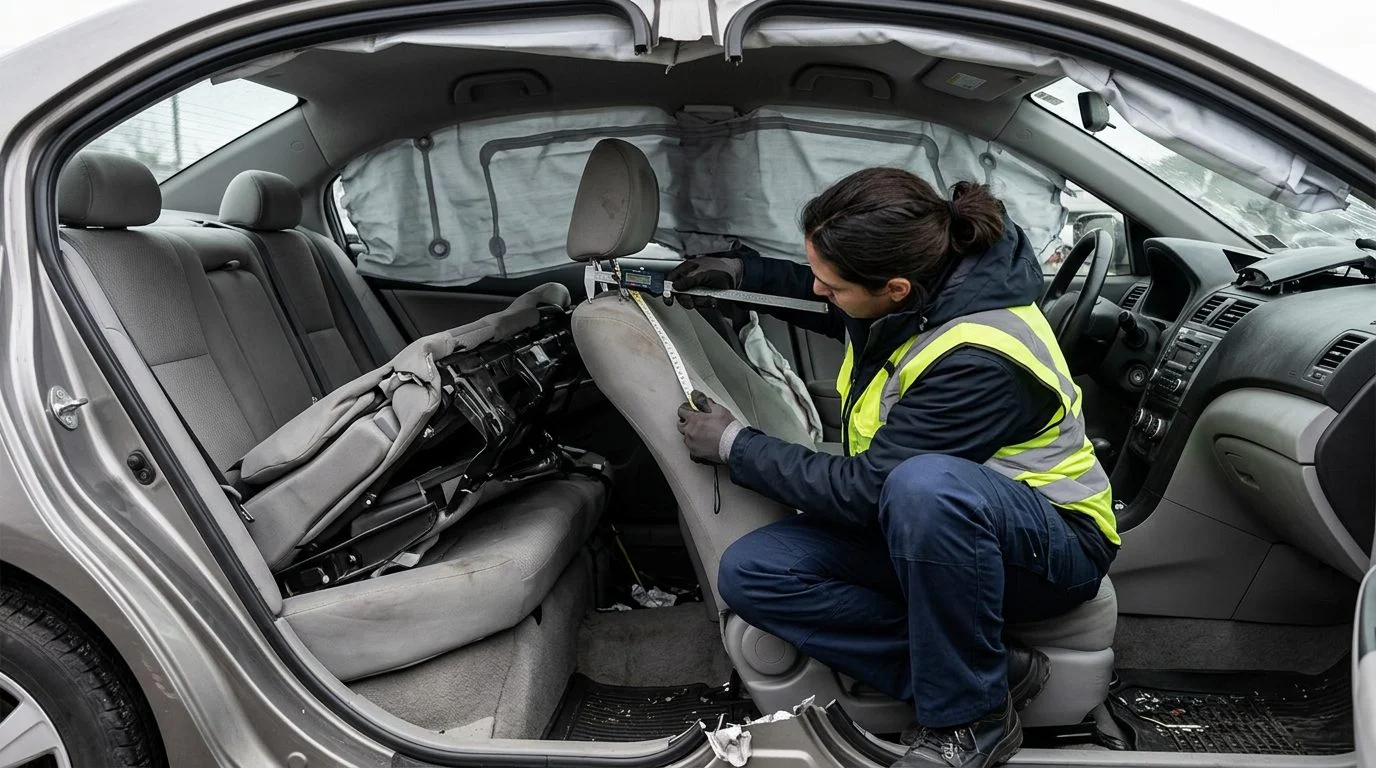
Rear-End Collisions | Serving West Virginia
Hurt in a Rear-End Collision? Talk With Us About What Happened.
Big Bubba Injury Law represents people seriously hurt in rear-end crashes across West Virginia, including catastrophic brain and spinal cord injuries and wrongful death cases for families. Start with a free case review, which is confidential.
Published October 26, 2026
A rear-end collision can cause a catastrophic injury even when the cars look only moderately damaged. Catastrophic injuries are harms that last, such as brain injury, spinal cord injury, amputation, or several serious fractures. This guide explains rear-end collision catastrophic injury West Virginia claims in plain language. If a stopped car in West Virginia was hit from behind, state rules decide who may be responsible and how much time you have. The firm handles these claims for injured people across West Virginia and for families when a crash ends in death.
What Makes a Rear-End Crash a Catastrophic Injury Case
A rear-end crash becomes a catastrophic injury case when the injury causes long-term or permanent harm. Brain injuries, spinal cord injuries, amputations, and multiple serious fractures are common examples. A sudden impact moves the head, neck, and back fast. That force does not always show on the outside of a car.
This page is written for three groups. The first is drivers and passengers who were hurt. The second is family members helping an injured loved one through treatment and paperwork. The third is families of someone who died. When a death occurs, the claim becomes a wrongful death case, and the firm handles those too.
If a rear-end crash left you or someone you love with a serious injury, you don't have to face the next steps alone. Ask the firm for a free case review. Talk it through with Big Bubba — the first case review is free, confidential, and carries no obligation.

Who Is Usually Responsible When a Stopped Car Is Hit
Fault in a rear-end crash depends on the facts, and it is never automatic. The driver who hits the car ahead is often examined first, but the full picture decides responsibility. Common causes include:
- Distracted driving, such as texting or handling a phone
- Following too closely to stop safely
- Speeding or driving too fast for conditions
- Impaired or drowsy driving
- Braking too late
Fault is not always one-sided. A sudden stop, brake lights that did not work, or a car stopped in an unsafe spot can also matter.
West Virginia uses a modified comparative fault rule. Under W. Va. Code § 55-7-13c, your fault does not bar recovery unless it is greater than the combined fault of everyone else responsible. If it is less, your recovery is reduced by your share of fault. If another driver was driving under the influence and that caused the damage, the same statute makes that driver jointly and severally liable.
The firm reviews the facts of each crash during a free case review.
Injuries That Can Turn a Rear-End Crash Catastrophic
Brain and spinal cord injuries are among the most serious harms a rear-end crash can cause. Each one needs careful medical follow-up.
Traumatic brain injury
Some people notice headaches, memory trouble, dizziness, or mood changes days after a crash, not right away.
Spinal cord injury
A spinal cord injury can change how a person moves, feels, and manages daily life. Early medical checks help document the injury. The firm also handles spinal cord injury claims from car crashes.
Neck and back injuries
Neck and back pain can start as soreness and later involve disc damage, nerve injury, or lasting limits. Keep a written log of every symptom, even minor ones, with the date each one began.
Gaps in treatment
Insurers may argue that a gap in care means the crash did not cause the injury. Steady, documented follow-up helps connect your symptoms to the crash.
What a Rear-End Injury Claim May Cover
A rear-end injury claim may seek compensation for medical care, lost income, and other losses tied to the crash. Common categories include:
- Medical care: emergency treatment, hospital stays, surgery, rehabilitation, medication, and future care
- Lost income: missed work now and reduced earning ability later
- Household losses: help at home, caregiving, and changes to a home
- Pain, suffering, and loss of enjoyment of life, which vary widely from case to case
When someone dies, West Virginia law lists the kinds of damages in a wrongful death verdict. Under W. Va. Code § 55-7-6, those include sorrow, mental anguish, and solace; reasonably expected loss of income and of services, protection, care and assistance; expenses for care and hospitalization from the injury; and reasonable funeral expenses.
No two claims are alike. The firm cannot predict what any specific claim is worth.
Evidence to Preserve and Insurance Calls to Handle Carefully
Early evidence is often the easiest to lose. Take photos of both vehicles, the scene, skid marks, traffic signals, and visible injuries as soon as it is safe. Write down the crash report number and the names of any witnesses. Keep medical records and every symptom list.
An insurance company may contact you soon after a crash, so it can help to think carefully before you give a recorded statement or sign any paper. For 20 days after a personal injury, no person may try to settle the claim with an injured person who is in a hospital or unable to work. That rule also bars getting a statement for settlement use. The main exception applies when the injured person makes the request. A settlement, release of liability, or statement entered into, obtained, or made in violation of this section may be disavowed by the injured person at any time within one hundred eighty days from the date of the personal injury by executing a written statement of disavowal and forwarding a copy to the person who violated this section; the settlement, release, or statement then may not be admissible in evidence if any consideration paid for it is repaid or returned to the person who paid it, under W. Va. Code § 55-7-11a.
Insurance limits matter too. West Virginia’s proof of financial responsibility amounts for a motor vehicle are $25,000 for one injured person and $50,000 for two or more in one accident, under W. Va. Code § 17d-4-2. A serious injury can exceed those amounts. Underinsured motorist coverage on your own policy may then matter under W. Va. Code § 33-6-31.
Filing Deadlines for Rear-End Crash Claims in West Virginia
In most West Virginia personal injury cases, the general deadline is two years. Under W. Va. Code § 55-2-12, a personal action for which no other limitation is otherwise prescribed must be brought within two years after the right to bring it accrued if it is for damages for personal injuries.
Wrongful death has its own time limit. Under W. Va. Code § 55-7-6, a wrongful death action must start within two years after the death, subject to the provisions of section eighteen, article two, chapter fifty-five. W. Va. Code § 55-7-6 reads: “The provisions of this section shall not apply to actions brought for the death of any person occurring prior to July 1, 1988.” The personal representative of the deceased person brings the action.
Waiting also makes evidence harder to collect, even before the deadline. The exact dates depend on the facts of your crash, so have them checked early.
Not sure what your next step is?
Talk it through with Big Bubba — the first case review is free, confidential, and carries no obligation.
How the Process Works With the Firm
The first step is a free case review. It is confidential and carries no obligation to continue.
- Reach out. Contact the firm to request a free case review and share the basic facts.
- Share your records. Bring crash details, medical information, insurance information, and any photos or reports. A list of questions helps.
- Review the facts. The firm looks at fault, injuries, coverage, and deadlines, and explains the options that may apply.
- Decide your next step. If you choose to go forward, the firm gathers records, communicates with insurers, and keeps you informed at each stage.
Timing varies. Serious injury claims often take months to years, depending on how long treatment lasts and whether the claim settles or goes to court.
We serve injury victims in all 55 West Virginia counties, including Charleston, Huntington, Morgantown, Wheeling, Martinsburg, Parkersburg, Beckley, Clarksburg, Fairmont, and Weirton.
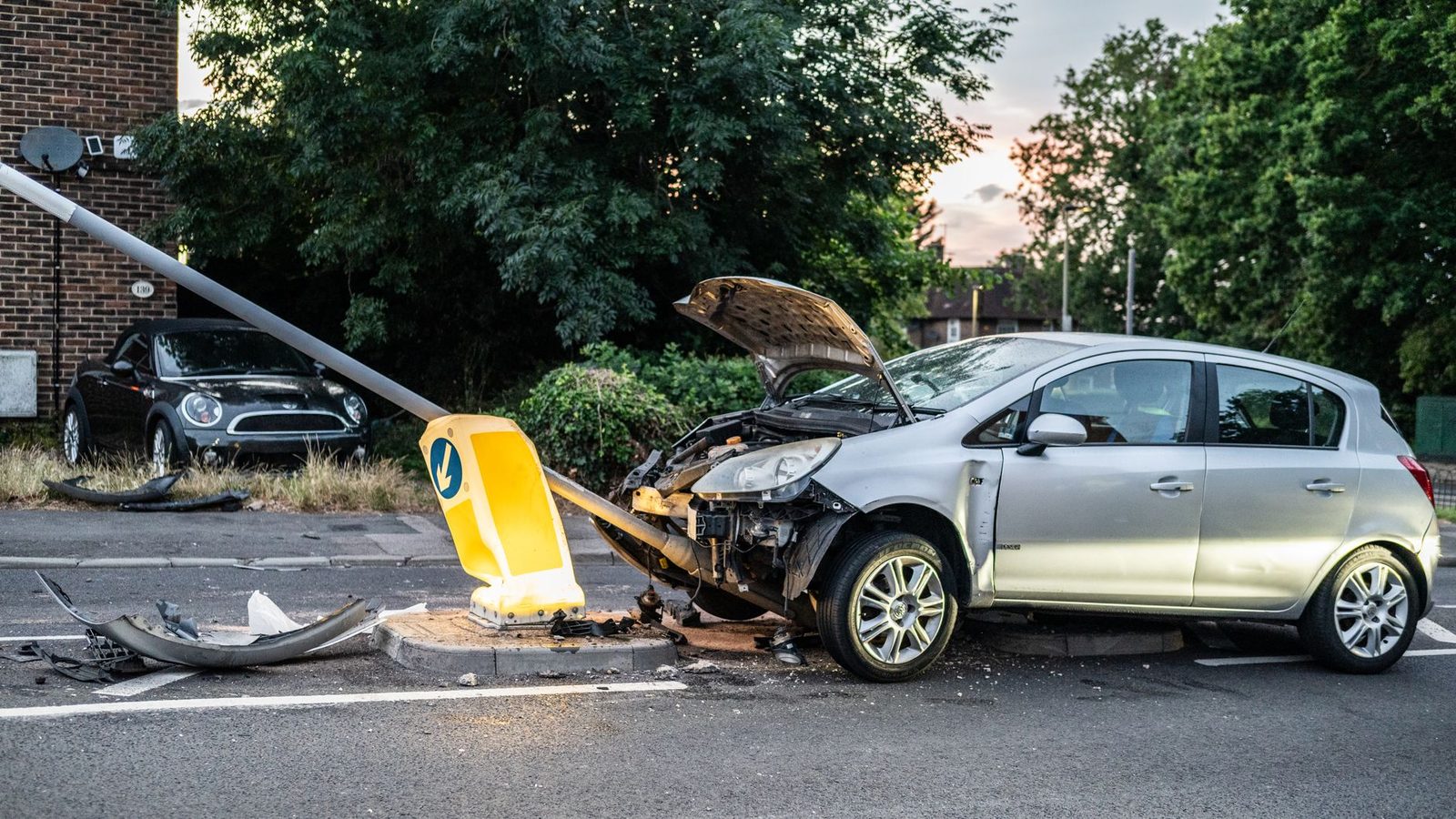
Common Questions About Rear-End Collision Catastrophic Injury West Virginia Claims
Here are short answers to common questions about rear-end collision catastrophic injury West Virginia cases.
How long do I have to bring a claim?
Generally, two years for personal injury claims in West Virginia. Wrongful death claims must be commenced within two years after the death, subject to the provisions of section eighteen, article two, chapter fifty-five (W. Va. Code § 55-7-6). W. Va. Code § 55-7-6 reads: “The provisions of this section shall not apply to actions brought for the death of any person occurring prior to July 1, 1988.”
Am I automatically at fault if I was rear-ended?
No. Fault depends on the facts, and it can be shared under West Virginia’s comparative fault rule (W. Va. Code § 55-7-13c).
What if my symptoms appeared days later?
Delayed symptoms can happen after a crash. Consistent medical follow-up and a written symptom log help document them.
Do I have to talk to the other driver’s insurance company?
Under W. Va. Code § 55-7-11a, the 20-day limit on settlement contact applies only while the injured person is an inpatient in a hospital or is partially or totally unable to work. The firm can explain how that rule applies to your situation.
If a rear-end crash left you or someone you love with a serious injury, the next steps can feel overwhelming. You don’t have to sort them out alone. Request a free case review and tell the firm what happened.