
Catastrophic Injury Claims · West Virginia
Serious Injury Claims: Taking the First Steps
If someone you love was seriously hurt in a crash, the firm can explain the basics, the records that often matter, and how to get started with a free case review.
Published November 1, 2026
Catastrophic Injury Claims in West Virginia
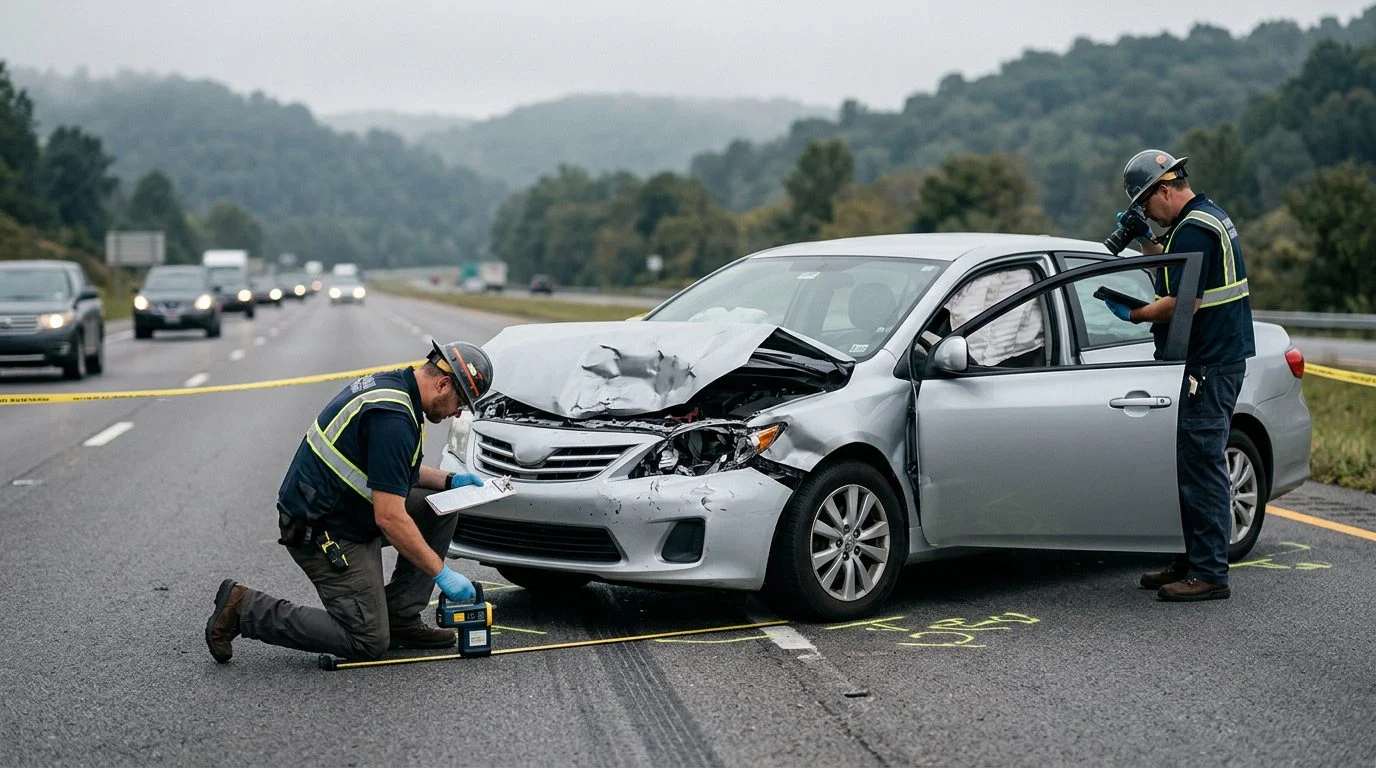
If someone you love was seriously hurt in a crash, you may be wondering what steps to take next. This page explains the basics. It also covers the deadlines and records that often come up in serious crash cases. It’s written for families who are still gathering facts.
Not sure what your next step is?
Talk it through with Big Bubba — the first case review is free, confidential, and carries no obligation.
How the Firm Handles Catastrophic Injury Claims in Southern West Virginia
Every case depends on its own facts.
Serious injury cases take time to understand. Before you decide anything, it helps to learn the basics of the claim itself. For broader background, read our catastrophic injuries overview. It explains which injuries fall into this category and why they often need careful review.
We serve people across West Virginia, including families in the southern part of the state. We handle car crash, commercial truck crash, and wrongful death claims.
What makes a catastrophic injury claim different from a typical injury claim?
A catastrophic injury is a serious injury that can cause lasting harm to a person’s body, work, or daily life. Traumatic brain injury and spinal cord injury are common examples. Doctors determine how severe an injury is through medical evaluation, which often takes time.
These claims often involve many medical providers, test results, and records. An early diagnosis may not show the full picture. Some effects of a brain or spinal injury may become clearer only during follow-up care.
Because of that, the file in a catastrophic case can grow large. Medical records, therapy notes, employment records, and bills may all matter. Keeping them in one place can make the claim easier to understand.
Families also face losses that are hard to put into words. A person’s ability to work, drive, or care for others may change. Those changes can affect a household over time. Each case turns on its own details.
Who can bring a wrongful death claim in West Virginia?
In West Virginia, a wrongful death action generally must be brought by the personal representative of the person who died. A personal representative is the person formally appointed to manage that person’s estate. W. Va. Code § 55-7-6 sets out this rule and the damages that may be recovered.
Who gets appointed, and how the estate is handled, can depend on the estate’s own circumstances. The statute says the court or jury may direct how damages are shared.
The statute also lists the kinds of loss a family may present. These include sorrow, mental anguish, and solace, which may include society, companionship, comfort, guidance, kindly offices and advice of the person who died. They also include expected loss of income and of services, care, and support. Care and hospital expenses tied to the injury, and reasonable funeral expenses, are listed too.
Many families first face funeral bills and questions about lost income. A fatal crash can also change how a household runs day to day. We handle wrongful death claims arising from car and commercial truck crashes.
Why do commercial truck crashes often involve more parties and more records?
A commercial truck crash can involve several parties at once. West Virginia law defines an “employer defendant” to include the owner of the truck, the driver’s employer, and any other entity with legal control over the truck or driver. W. Va. Code § 55-7-32 defines “commercial motor vehicle” and “employer defendant” for purposes of that section. If another driver was at fault, that driver may share responsibility too.
West Virginia also uses a modified comparative fault rule. Under W. Va. Code § 55-7-13c, a person’s own share of fault may reduce recovery. It can bar recovery only when that share is greater than the combined fault of all others responsible. W. Va. Code § 55-7-13c reads: “(c) Any fault chargeable to the plaintiff shall not bar recovery by the plaintiff unless the plaintiff’s fault is greater than the combined fault of all other persons responsible for the total amount of damages, if any, to be awarded.”
Federal rules also require trucking companies to keep certain records. Periodic inspection reports must be kept for fourteen months, under 49 C.F.R. § 396.21, but a carrier that did not perform the vehicle’s last annual inspection must instead obtain that report upon demand of an authorized official. Carriers must also require drivers to record duty status for each 24-hour period, under 49 C.F.R. § 395.8.
Some insurers may dispute a claim. Records that exist today may be relevant to what happened. Those records may not be kept indefinitely, so early attention to evidence can matter.
How long do you have to sue someone in West Virginia?
West Virginia generally allows two years to file a personal injury lawsuit, and exceptions may apply. The rule for personal injury damages appears in W. Va. Code § 55-2-12.
Under W. Va. Code § 55-2-12, a personal injury claim generally must be brought within two years after the right to bring it has accrued. W. Va. Code § 55-7-6 generally requires that a wrongful death action be commenced within two years after the death, subject to other provisions of state law, which can change the timing in a given case.
Waiting can make a claim harder to pursue. Evidence can fade, and memories can change. Starting early leaves more time to gather records while they are still available.
Not sure what your next step is?
Talk it through with Big Bubba — the first case review is free, confidential, and carries no obligation.

What to bring when you reach out about a serious crash
You don’t need every document to reach out. Gather what you have, and add to it as you find more. Useful items often include:
- The crash report, if you have a copy
- Medical records, bills, and discharge papers
- Photos of the scene, the vehicles, and the injuries
- Names and contact details for witnesses
- Letters from insurers, including claim numbers
- Notes about missed work and daily changes
The firm offers a free case review. It is a confidential first conversation with no obligation to continue. That offer is a good place to start.
If a family member is in the hospital after a truck crash, or a loved one died on a highway, the weeks ahead can feel overwhelming. You can reach out to the firm to request a free case review and tell us what happened. Request a free case review.