
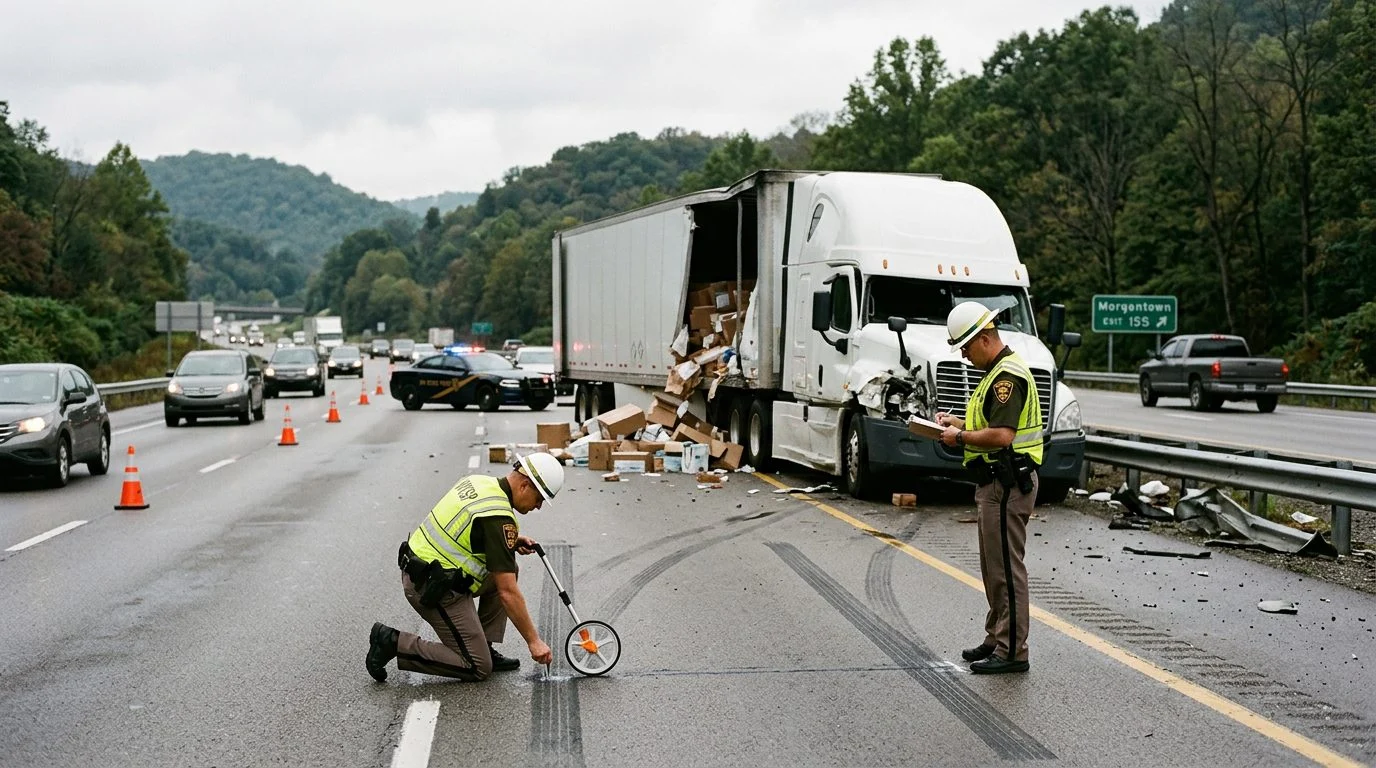
West Virginia Car and Truck Crash Claims
Getting Started With a West Virginia Car or Truck Accident Claim
Practical first steps after a serious crash, from getting medical care to speaking with insurers, and how to reach a firm that focuses on injured people.
Published November 14, 2026
Understanding Personal Injury Claims in West Virginia
After a car or commercial truck crash, medical bills, missed work and calls from insurance adjusters can all arrive at once. An injury claim usually moves through several stages, and how any one claim unfolds depends on its particular facts.
If a crash has you sorting through bills, records and insurance calls, we're here to talk through your situation in a free case review. Talk it through with Big Bubba — the first case review is free, confidential, and carries no obligation.

How West Virginia Car and Commercial Truck Crash Claims Move Forward
Crashes involving trucks can bring more parties into the picture, such as a driver, a vehicle owner, a motor carrier and insurers. Each may affect how a claim is built and how the paperwork looks. If another driver was at fault, that driver’s insurer may become part of the process.
Take your time as you think through what happened. A clear account is easier to review later, when the crash is further behind you.
What to Know About Starting an Injury Claim
Personal injury claims are sometimes handled this way.
Some people ask whether they must decide quickly. Take the time you need to read the agreement, and ask questions before you sign.
Your own losses are a different question. Damages (money for losses) can include medical bills, lost wages, and pain and suffering. Each claim turns on its own facts, so no two cases look alike.
Ask the firm to walk you through what happens next before you decide anything. A written explanation is easier to review later, when the details are harder to recall.
A police department may charge a copy fee for a crash report. That fee is paid to the agency, not to the firm.
Why Commercial Truck and Multi-Vehicle Crash Claims Can Involve More Evidence
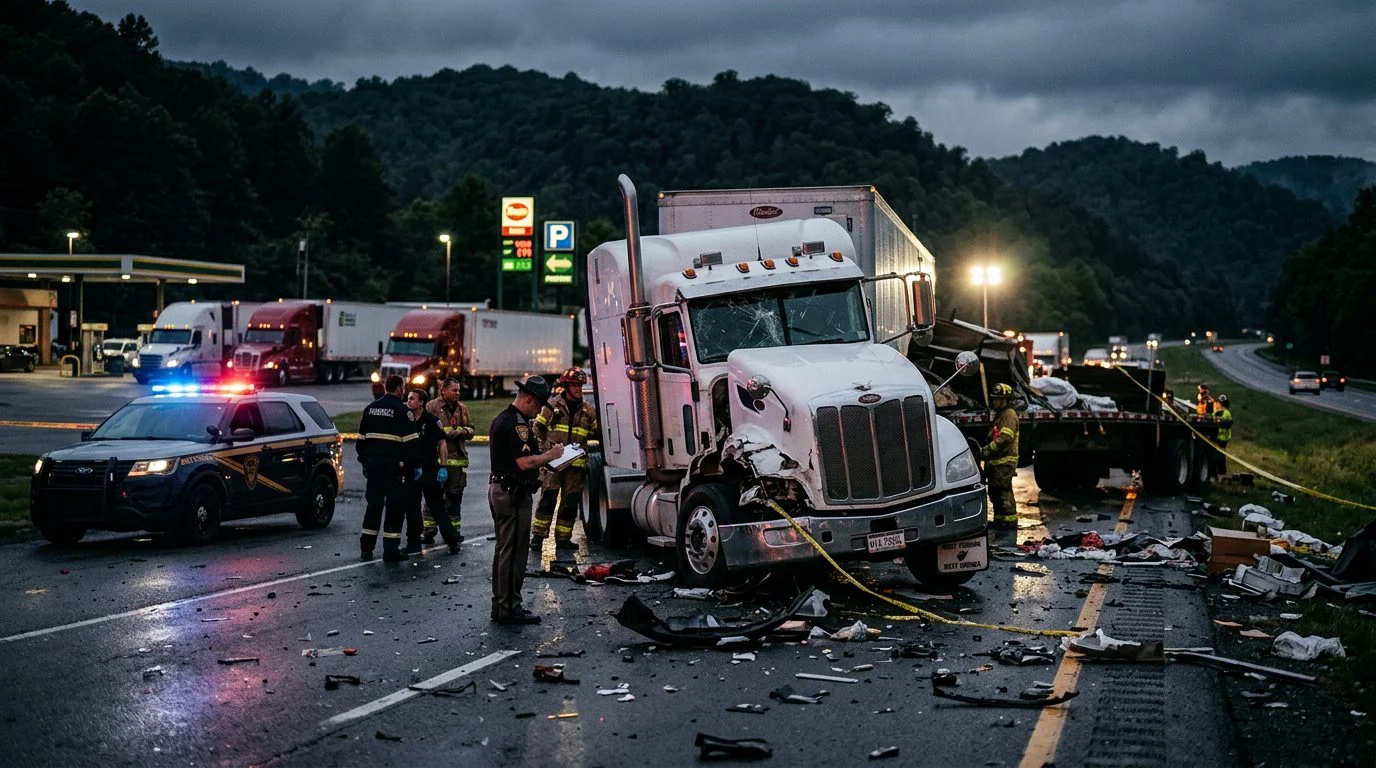
Commercial truck claims can involve evidence spread across more places. Trucking companies keep records, and federal rules set how long some of them must be kept.
Under federal rules, a motor carrier generally must keep records of duty status and supporting documents for not less than 6 months from the date of receipt (49 C.F.R. § 395.8). A motor carrier generally must keep driver vehicle inspection reports for three months from the date the report was prepared, though the rule does not apply to private nonbusiness passenger carriers, driveaway-towaway operations, or carriers operating only one commercial motor vehicle (49 C.F.R. § 396.11).
Electronic logging devices automatically record items such as location, engine hours, and vehicle miles (49 C.F.R. § 395.26). Pulling and reviewing that data can take time.
Some truck claims also involve brokers who arranged the trip. In 2026, the U.S. Supreme Court held that a state-law claim that a broker negligently hired an unsafe motor carrier falls within the federal trucking law’s safety exception and was not preempted (Montgomery v. Caribe Transport II, LLC).
Cargo problems can add another layer. The West Virginia Division of Motor Vehicles states that unsecured cargo can cause serious or catastrophic crashes (Drive Safe: Secure Your Load). Catastrophic injury, traumatic brain injury, and spinal cord injury claims may also call for medical and life-care planning input.
What should you know before you sign anything with a law firm?
Read any written agreement carefully, and ask questions about anything you do not understand before you sign. Clear terms help you understand what you are signing.
Check the deadlines too. For a wrongful death claim, West Virginia law says the action must be begun within two years after the death, subject to the provisions of section eighteen, article two, chapter fifty-five (W. Va. Code § 55-7-6). W. Va. Code § 55-7-6 reads: “The provisions of this section shall not apply to actions brought for the death of any person occurring prior to July 1, 1988.” Missing a deadline can generally end a claim, so mark the date on your calendar.
Ask who will receive copies of records, how case updates will reach you, and what documents you will be asked to sign. Get answers in writing when you can, and keep copies of everything you sign.
A truck crash may produce more paperwork than a car crash, so keep a simple log of dates, names and phone numbers.
Questions to bring to a free case review
If a crash has changed your household, or you’re caring for someone who was badly hurt or lost a loved one, paperwork can feel like one more weight. You don’t need every answer before you reach out.
A few questions are useful to bring. Ask how the firm will explain next steps in writing, what documents you will be asked to sign, and how updates will reach you. You can also bring a list of what you most need to understand, and say so at the start.
Bring what you have: the crash report, medical discharge papers, and any letters from insurers. Bring a rough timeline of the crash and your treatment too. Some insurers may dispute a claim, so keep track of every letter you receive.
If your crash, serious injury or wrongful death situation fits the areas the firm handles, you can request a free case review with us. We serve injury victims across West Virginia.