
West Virginia Wrongful Death Claims
When a Fatal Crash Changes Your Family, You Don't Have to Face It Alone
The firm represents families across West Virginia after a loved one dies in a car or commercial truck crash. Start with a free case review.
Published November 2, 2026
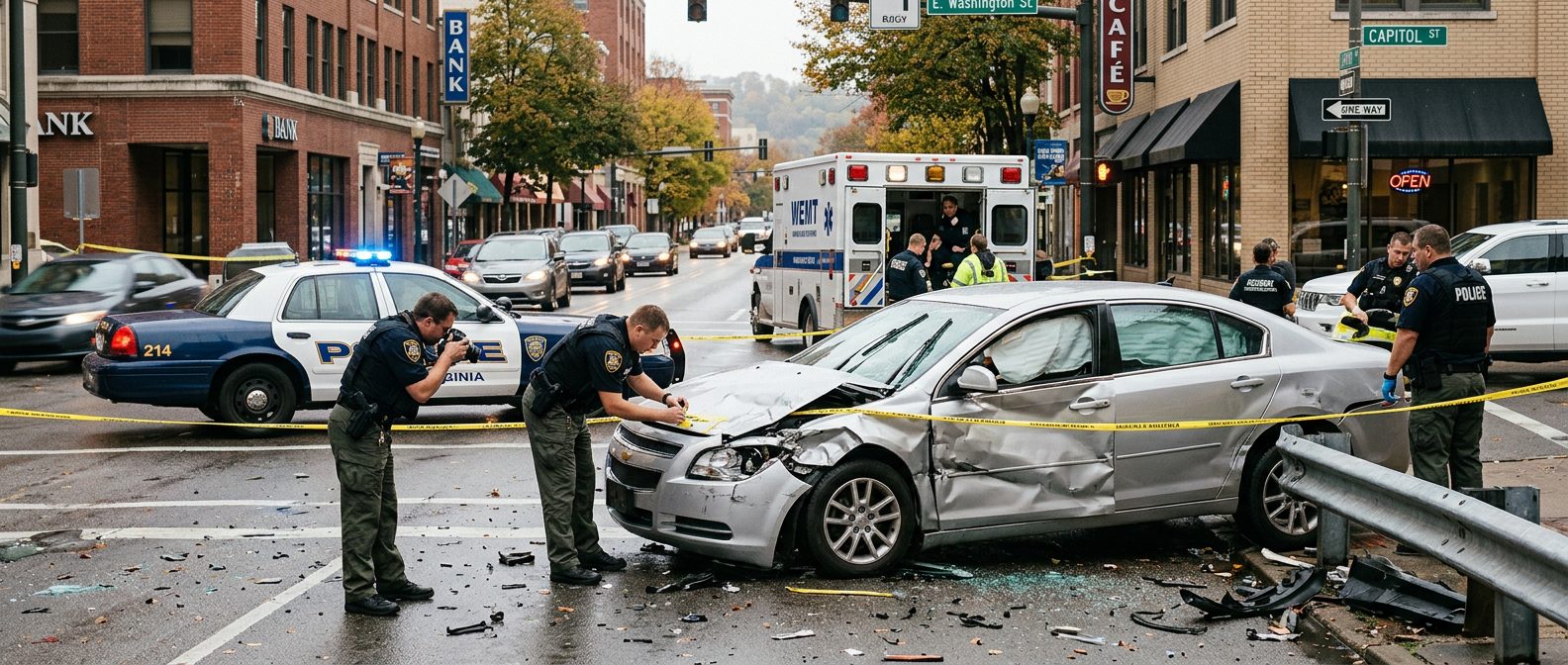
A fatal car accident lawyer in West Virginia helps families understand their legal options after a crash causes a death. Big Bubba handles wrongful death claims that arise from car and commercial truck crashes, and it offers a free case review to families who want to talk through what happened.
What a fatal car accident claim is, and who it is for
A fatal car accident claim is a legal case brought after a crash causes a death. Families facing a wrongful death often have questions about who may bring a claim and what the process involves.
The people who may be involved include surviving spouses, children, parents, siblings, and others who depended on the person who died. Under W. Va. Code § 55-7-6, a court or jury may direct how any damages are shared among those family members.
Whether a particular family can bring a claim depends on West Virginia law and the details of their situation. This page is written for families who are asking what comes next, even if they are still in shock.
The firm serves families in Charleston, Huntington, Morgantown, Wheeling, Martinsburg, Parkersburg, Beckley, Clarksburg, Fairmont, and Weirton. If a crash has already taken someone you love, you can call the firm about your case.
If a crash took someone you love, you may have a claim, and you can reach out to the firm for a free case review. Talk it through with Big Bubba — the first case review is free, confidential, and carries no obligation.
Wrongful death and survival claims, explained simply
A wrongful death claim covers the family’s losses from the death itself. A survival claim covers harm the injured person suffered before dying.
West Virginia law generally requires that a wrongful death claim be brought by the personal representative. This is the person formally appointed to handle the deceased person’s estate, and the claim is filed in that person’s name under W. Va. Code § 55-7-6.
Injury claims can also survive a death. If the injured person dies before starting a case and the claim is not already barred by the statute of limitations at the time of death, the personal representative generally may begin it within the period that would have applied if the person had lived, under W. Va. Code § 55-7-8a.
Both kinds of claim have time limits. Both can arise from the same crash, and they are handled in different ways.
If your loved one lived for a time after a serious injury, that period matters. Families often need to understand the difference between the time before death and the death itself.
Who may be responsible when a car or truck crash is fatal
Anyone whose careless driving or other negligence contributed to the crash may be responsible. If another driver was at fault, that driver may be liable for the losses the crash caused.
Other parties may also be involved. A vehicle’s owner, or an employer whose driver was working at the time, may be a party in some cases. Commercial crashes often raise these questions.
West Virginia generally uses several liability, so each defendant is liable only for its own share of fault. W. Va. Code § 55-7-13c also lists exceptions, including some impaired-driving cases where a defendant may be jointly and severally liable.
If the person who died shares some fault, West Virginia’s modified comparative fault rule (shared fault) may apply (W. Va. Code § 55-7-13c). Under that statute, a claim is generally barred only when that person’s fault is greater than the combined fault of all others. If it is less, the recovery is reduced by that person’s share.
Insurance coverage and the number of parties can shape how a claim moves forward. Some insurers may dispute a claim, so families should not assume who is at fault until the records are reviewed.
What a fatal crash claim may cover
A fatal crash claim may cover several kinds of losses. West Virginia law lists the main categories, which are described under W. Va. Code § 55-7-6:
- Sorrow, mental anguish, and solace, including companionship, guidance, and advice from the person who died.
- Income the family could reasonably expect to lose, plus the care, services, and support the person provided.
- Expenses for care and hospital treatment tied to the injury that caused the death.
- Reasonable funeral expenses.
Under the statute, a jury’s verdict generally sets out funeral, hospital, and medical expenses separately, if damages are awarded for them. Any amount recovered for those expenses must be handled by the personal representative.
Some losses may fall under the survival claim, and others under the wrongful death claim. Who handles each claim, and how, is a question the family and its representative work through together.
Good records help. Keep medical bills, funeral receipts, earnings records, and any records of what the person who died contributed to the household. Every claim has its own details, so the firm reviews each family’s situation during a free case review.
Truck and commercial vehicle crashes: what changes
Truck and commercial vehicle crashes often involve more parties and more paperwork than a typical car crash. The records can be time-sensitive.
Federal hours-of-service rules generally require motor carriers subject to them, except private motor carriers of passengers (nonbusiness), to make drivers record their duty status for each 24-hour period. Drivers record that status electronically or on a paper grid, under 49 C.F.R. § 395.8.
Drivers must submit each duty-status record to the motor carrier within 13 days, under 49 C.F.R. § 395.8, which is one reason early record requests may matter.
It sets conditions that may affect certain damages in these cases.
What to expect after you contact the firm
The first step is a free case review. It is confidential and carries no obligation to continue.
- Tell Bubba what happened. Share the crash date, the location, and who was involved, by phone or through the contact form.
- Free case review. The firm listens to your account, reviews the documents you have, and explains possible next steps.
- Preserve evidence. The firm may advise you on requesting crash reports, photos, and records before they are lost.
- Investigation. The firm may gather information from the family, medical providers, and other sources.
- Decide next steps. Together, you decide whether to pursue a claim or file suit within the time West Virginia law allows.
Each case moves at its own pace, and timing varies from case to case. If a crash has left your family facing funeral arrangements, questions about a claim, and calls from insurers all at once, you do not have to sort it out alone. Reach out to the firm to request a free case review and talk through your options.
Not sure what your next step is?
Talk it through with Big Bubba — the first case review is free, confidential, and carries no obligation.

Questions families ask first
Most families ask about deadlines, who can file, and what to do first. Short answers follow.
Is there a deadline to file?
West Virginia generally allows two years from the date of death for a wrongful death claim, and exceptions may apply. See W. Va. Code § 55-7-6.
Who can file a wrongful death claim?
Under the statute, the personal representative generally brings the claim for the family. Surviving family members may share in any recovery as the court or jury directs.
What if the driver was uninsured?
Some insurers may dispute a claim, and other coverage sources may be relevant. Those questions are reviewed during a free case review.
What if our loved one shared some fault?
Shared fault can reduce recovery under West Virginia’s rules. The rule is laid out in W. Va. Code § 55-7-13c.
What should we do right now?
Keep crash reports, medical and funeral records, and any messages from insurers. Then reach out when you are ready to talk through next steps.
Do we have to decide today?
No. Families can take time to gather information and ask questions during a free case review.