
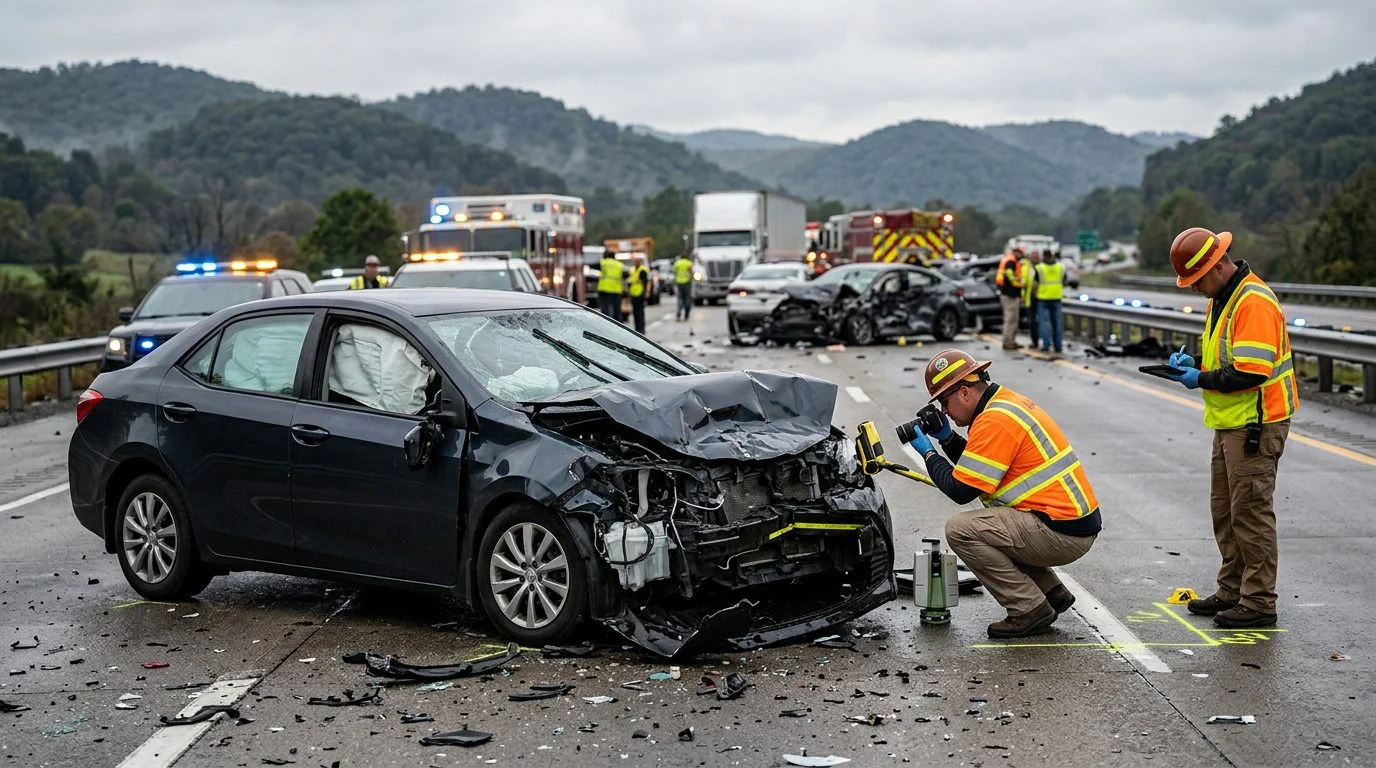
Multi-Vehicle Pileup Injuries | Serving West Virginia
Hurt in a Multi-Vehicle Pileup? You Don't Have to Sort It Out Alone
Pileups can involve several vehicles, serious injuries and many unanswered questions. Big Bubba Injury Law helps people hurt in these crashes across West Virginia, including catastrophic brain, spinal cord and other injuries and wrongful death cases.
Published October 26, 2026
This page covers multi-vehicle pileup catastrophic injuries West Virginia residents may face, who may share responsibility, and how a claim can move forward. A pileup is a crash involving three or more vehicles, often set off by one impact. If you or someone you love was hurt, the rules are worth understanding early.
What a Multi-Vehicle Pileup Is and Who It Affects
A multi-vehicle pileup is a crash involving three or more vehicles. Often, one impact leads to others. A driver brakes hard, the car behind can’t stop in time, and a chain of collisions follows.
Pileups tend to cause more serious harm than single-car crashes. Vehicles can be struck from several directions. An occupant may be hit more than once, and higher speeds add force to every impact.
Many kinds of people are affected:
- Drivers and passengers
- Pedestrians and people standing on a shoulder after an earlier crash
- First responders at the scene
- Families of anyone who dies
This page is written for three kinds of readers. You may be someone hurt in a pileup. You may be a family member acting for an injured loved one. Or you may be trying to understand a crash you were caught in. You don’t need every legal term right away. The sections below explain the basics in plain words.
If a pileup changed your life or your family's, you don't have to work out the next steps alone; we can talk through your options in a free case review. Talk it through with Big Bubba — the first case review is free, confidential, and carries no obligation.
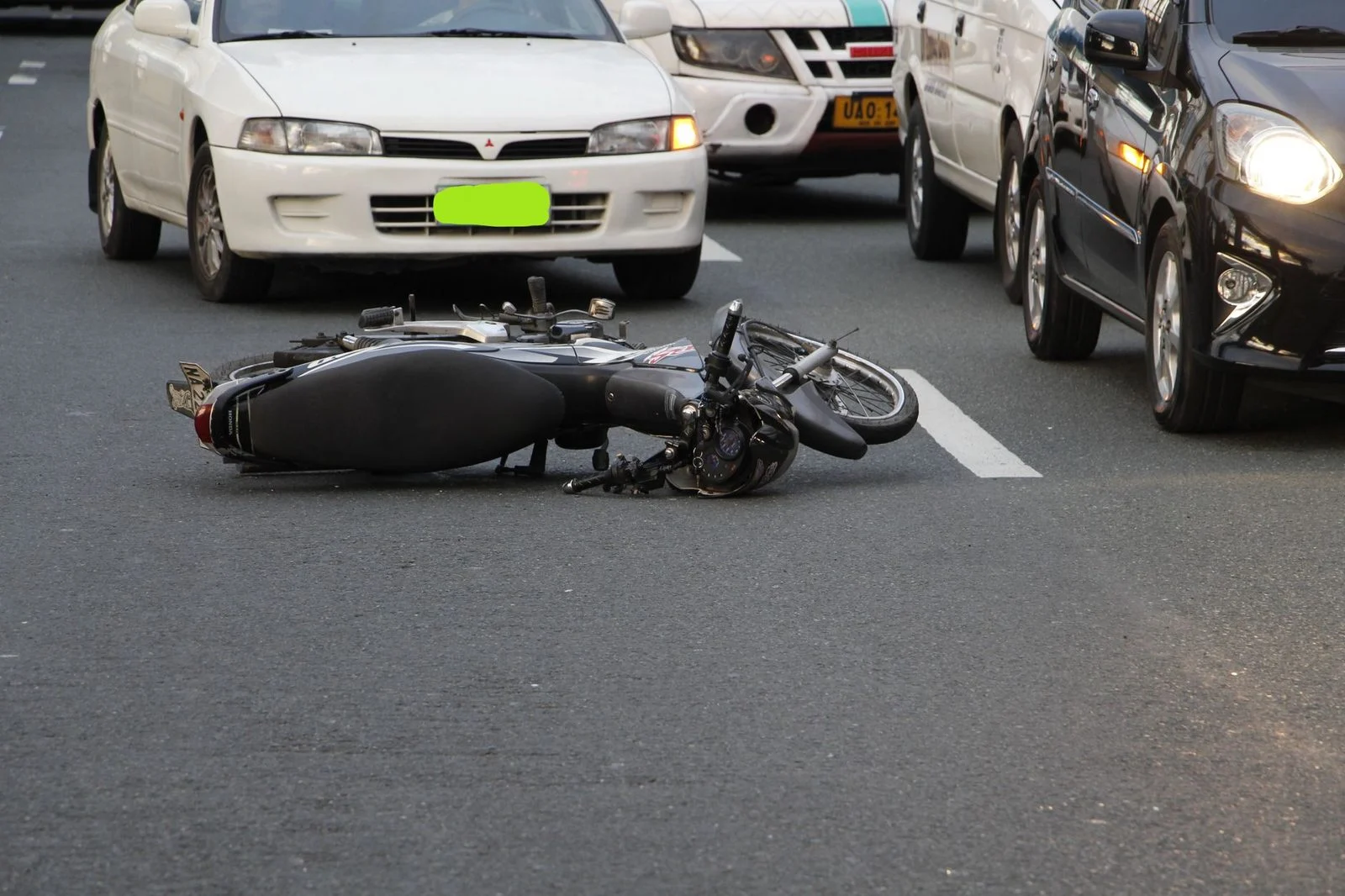
Catastrophic Injuries Common in Pileup Crashes
Pileups can cause catastrophic injuries, which are serious harms that change how a person lives, works, and cares for family. The most common examples involve the brain and spine.
- Traumatic brain injury (TBI): An impact can bruise the brain or cause bleeding inside the skull. Effects may include changes in memory, mood, vision, or balance.
- Spinal cord injury: Damage to the spinal cord can cause partial or complete loss of movement or feeling. The level of injury on the spine matters, because higher injuries can affect more of the body.
- Other serious harm: Broken bones, crush injuries, internal organ damage, and burns from fuel or fire.
Several impacts can make injuries harder to link to one moment. Early medical records help show what happened and when. Tell every provider about every impact, even if it felt minor. Some symptoms take time to appear, so keep a simple written log of changes you notice.
Why Pileups Happen on West Virginia Roads
Most pileups start with one mistake that leaves no room to react. Common causes include:
- Following too closely, which leaves no space to stop when traffic slows.
- Distracted driving, including phone use, which delays reaction time.
- Impaired driving, which slows reactions and judgment.
- Sudden slowdowns on interstates and high-speed highways.
- Fog, rain, snow, or ice that cut visibility on mountain and river-valley roads.
- Curves, grades, and merging traffic that can turn one collision into a chain.
Crash risk in the state is serious. Motor vehicle crashes on West Virginia roads can cause serious injuries and deaths, and the people left behind often face difficult questions about what happened and what comes next. Knowing the likely causes helps show what each driver could have done differently.
Who May Be Responsible When Several Vehicles Are Involved
Fault in a pileup is usually looked at vehicle by vehicle. The last driver to hit someone is not automatically the one at fault. Each driver’s actions are weighed.
West Virginia uses modified comparative fault, which divides responsibility by percentage. Fault is measured as a percentage, and the total for one incident must equal either zero percent or 100 percent (W. Va. Code § 55-7-13a). Fault shall be determined according to section 13c of this article, under which an injured person’s own fault does not bar recovery unless it is greater than the combined fault of everyone else responsible. Otherwise, recovery is reduced by that person’s share (W. Va. Code § 55-7-13c).
In most cases, each defendant is liable only for its own share of fault. Joint liability applies in limited situations, including some cases where a driver was impaired (W. Va. Code § 55-7-13c).
Commercial trucks add more parties. An employer or vehicle owner may be part of a claim. Federal rules require motor carriers subject to the requirements of this part, except private motor carriers of passengers (nonbusiness), to require drivers to record their duty status for each 24-hour period (49 CFR 395.8). Those records, along with maintenance files and onboard data, can bear on fault. For commercial vehicle cases, state law also caps certain noneconomic damages against an employer defendant, with conditions and exceptions (W. Va. Code § 55-7-32).
Evidence matters early. Useful items include police reports, witness statements, dashcam and traffic camera video, vehicle data, and photos taken as soon as it is safe. A crash report is important, but it doesn’t decide fault on its own.
When a Pileup Causes a Death: Wrongful Death Claims
When a crash causes a death, the law may allow a wrongful death claim. Under W. Va. Code § 55-7-5, the responsible party can be liable for damages even though the injured person has died.
The claim is brought by the personal representative of the deceased person (W. Va. Code § 55-7-6). Recoverable damages can include:
- Sorrow, mental anguish, and solace, such as companionship and guidance
- Reasonably expected loss of income and of services and care
- Medical and hospital expenses tied to the injury
- Reasonable funeral expenses
Deadlines are strict. Under West Virginia law, the personal representative generally has two years after the death to file a wrongful death action, subject to the provisions of W. Va. Code § 55-2-18 (W. Va. Code § 55-7-6). Under W. Va. Code § 55-7-6(d), a wrongful death action must be commenced within two years after the death of the deceased person, subject to section eighteen, article two, chapter fifty-five. The exclusion for deaths before July 1, 1988 is written into W. Va. Code § 55-7-6 itself. It covers only actions for deaths that occurred before that date and does not change the two-year deadline for a death that occurred after that date. Most personal injury actions must be brought within two years after the right to sue accrues (W. Va. Code § 55-2-12).
How Big Bubba Injury Law Handles Multi-Vehicle Injury Cases
Big Bubba Injury Law represents people seriously hurt in car and commercial truck crashes. The firm also represents people with catastrophic brain and spinal cord injuries, and families in wrongful death cases. We serve clients across West Virginia, including Charleston, Huntington, Morgantown, Wheeling, Martinsburg, Parkersburg, Beckley, Clarksburg, Fairmont, and Weirton.
A typical case moves through four steps:
- Free case review. A confidential first conversation about what happened, your injuries, and any deadlines. There is no obligation to continue.
- Investigation. Requesting crash reports, identifying every vehicle and driver, and preserving evidence that can disappear, such as vehicle data and video.
- Medical and damages documentation. Working with treating providers to show how injuries affect daily life, work, and future care.
- Claim development. Negotiating with insurers, or filing suit if needed. Timelines vary, and how a case ends depends on the facts.
Not sure what your next step is?
Talk it through with Big Bubba — the first case review is free, confidential, and carries no obligation.
Frequently Asked Questions About Pileup Injury Cases
Can I still have a claim if several vehicles were involved?
It can be possible. Each driver’s conduct is reviewed, and the number of vehicles alone does not decide fault.
Does a crash report decide who was at fault?
No. It is an important record, but other evidence counts too, and reports can contain errors.
What if I was partly at fault?
Under West Virginia’s modified comparative fault rule, your recovery is reduced in proportion to your share of fault, but your fault bars recovery if it is greater than the combined fault of all other persons responsible for the damages (W. Va. Code § 55-7-13c). The specific facts of your crash matter.
How long do I have to file?
Personal injury claims generally must be filed within two years (W. Va. Code § 55-2-12). The statute sets a two-year window after the death for filing a wrongful death action, and that window is subject to the provisions of section eighteen, article two, chapter fifty-five of the West Virginia Code (W. Va. Code § 55-7-6). W. Va. Code § 55-7-6 reads: “The provisions of this section shall not apply to actions brought for the death of any person occurring prior to July 1, 1988.”
Should I wait for symptoms to settle before talking with someone?
Brain and spinal injuries can change over time, and the filing deadline generally runs regardless, though exceptions may apply. Early review helps you understand your options.

Next Steps If You or a Family Member Was Hurt in a Pileup
Start by writing down what you remember and gathering your medical and insurance papers. You may still be recovering, juggling appointments, or trying to make sense of a crash that changed your family’s routine. You may not be ready to hire anyone, and that is okay.
The decisions in front of you are practical. You can gather records, protect evidence, and learn what a claim could involve under West Virginia law. If you’re weighing those steps, you can request a free case review with Big Bubba Injury Law and tell us what happened.