
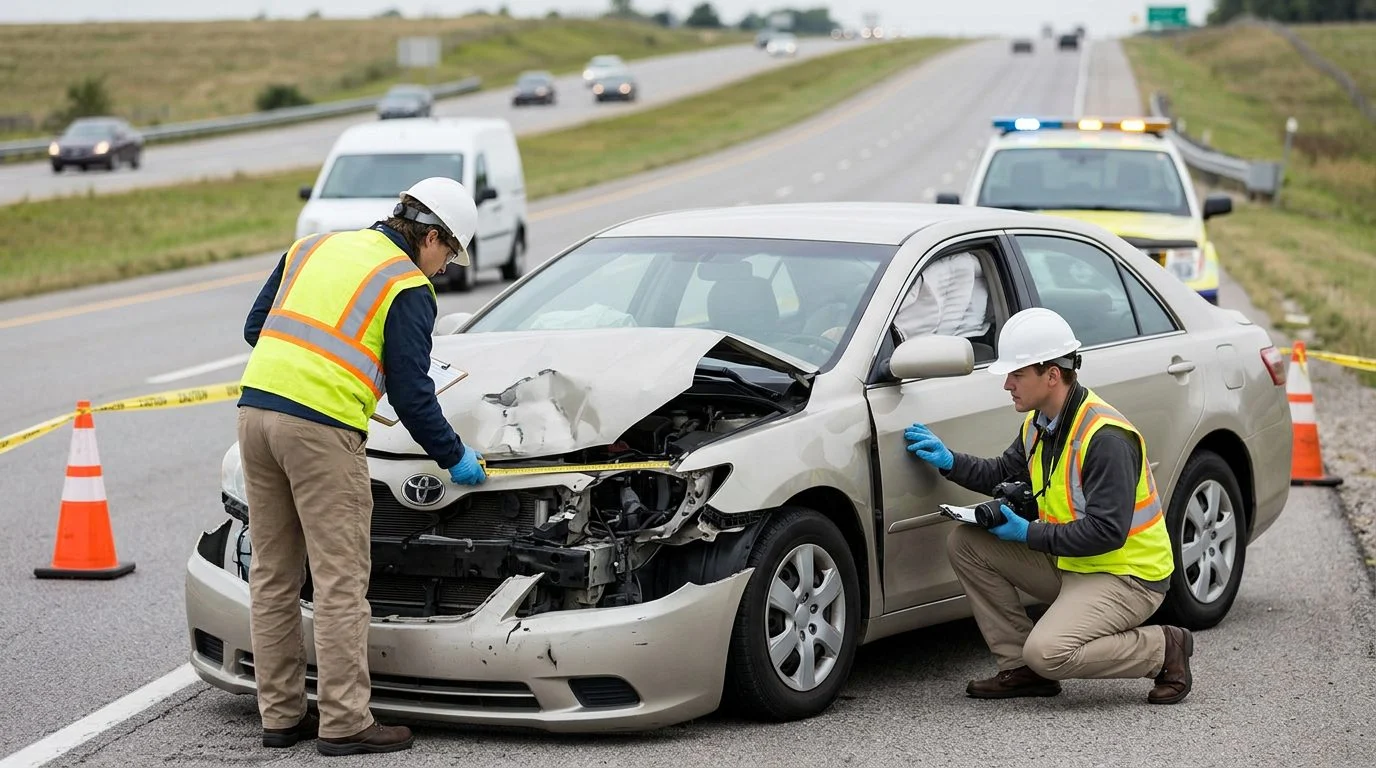
Catastrophic Injuries in Wheeling
When Life Changes in an Instant
A catastrophic injury—a traumatic brain injury, spinal cord damage, or life-altering trauma—demands more than medical care. It demands someone in your corner who understands what you've lost and fights for the resources you need to rebuild. Big Bubba Injury Law serves Wheeling injury victims.
Published October 03, 2026
Catastrophic Injuries in Wheeling: Legal Help When Life Changes
When an accident leaves you or a loved one with a life-altering injury, everything changes—your ability to work, to move freely, to live as you did before. Catastrophic injuries demand serious legal help, and Big Bubba Injury Law serves Wheeling residents and families who’ve suffered these devastating losses in car accidents, truck collisions, and commercial vehicle crashes.
Not sure what your next step is?
Talk it through with our team — the first case review is free, confidential, and carries no obligation.
What Counts as a Catastrophic Injury
A catastrophic injury is one that permanently alters your ability to work, live independently, or enjoy daily life. These injuries go far beyond a broken bone or a few weeks of recovery. They reshape your future.
Catastrophic injuries include traumatic brain injury (TBI), spinal cord injury (SCI), severe burns, amputation, organ damage, and permanent paralysis. What makes them “catastrophic” isn’t just the immediate pain—it’s the lasting impact. A person with a spinal cord injury may face lifelong mobility challenges. A traumatic brain injury can affect memory, decision-making, and personality. These changes ripple through every part of your life: your career, your independence, your relationships, and your finances.
West Virginia negligence law applies the same rules no matter how severe an injury is, but catastrophic injuries bring different financial and medical considerations than moderate injuries. You’re not just recovering from an accident; you’re rebuilding your life.
How Catastrophic Injuries Happen in Wheeling
We serve Wheeling and Ohio Valley injury victims. High-speed collisions on I-70 and state routes, multi-vehicle pile-ups, and accidents involving commercial trucks and semi-trucks are common sources of catastrophic injuries in the Ohio Valley.
Negligent drivers—speeding, distracted, fatigued, or impaired—cause these crashes. So do unsafe commercial vehicles: trucks with failed brakes, poor maintenance, or overloaded cargo. When a passenger vehicle collides with a semi-truck at highway speed, the physics are brutal. The smaller vehicle absorbs catastrophic force. Occupants suffer severe head trauma, spinal damage, crushing injuries, and internal bleeding.
In Wheeling, the combination of interstate traffic, regional commercial routes, and local roads creates real accident risk. That's why it helps to understand your options after one of these collisions.
The Immediate and Long-Term Impact
The first days after a catastrophic injury are a blur: emergency surgery, ICU care, life-support decisions. But the real burden emerges over months and years.
Medical costs don’t end after discharge. Catastrophic injury survivors often need ongoing rehabilitation, physical therapy, pain management, and specialist care for life. A person with a spinal cord injury may require home modifications, wheelchairs, adaptive equipment, and in-home nursing care. These costs accumulate into hundreds of thousands of dollars—sometimes millions over a lifetime.
Lost income compounds the crisis. If you can’t return to work, or can only work part-time in a reduced capacity, your earning potential shrinks. For someone in their 30s or 40s, that loss spans decades.
Home and lifestyle changes are profound. Bathrooms must be retrofitted for wheelchair access. Stairs become barriers. Daily tasks that were automatic—getting dressed, preparing food, driving—now require assistance or adaptive equipment.
The emotional toll is equally real. Depression, anxiety, and post-traumatic stress are common after catastrophic injury. Families become caregivers, and relationships strain under the weight of new responsibilities and grief.
This is why legal recovery matters. Damages in a catastrophic injury case are meant to help cover these costs and losses—to give you resources to rebuild as much independence and quality of life as possible.
Have questions about what happened?
Ask our team directly. The first conversation is free, confidential, and there is no obligation to continue.
Why You Need a Lawyer After a Catastrophic Injury
Insurance companies know catastrophic injury cases are expensive. That’s exactly why they often undervalue them. An insurer might offer a settlement that covers immediate medical bills but ignores lifetime care costs, lost earning potential, and pain and suffering.
You need someone who understands the true scope of your injury and can fight for full recovery.
Liability is often complex. In a multi-vehicle accident or a collision involving a commercial truck, fault may be shared among several parties. A semi-truck accident might involve the truck driver, the trucking company, the truck’s maintenance contractor, and other drivers. Determining who is responsible—and to what degree—requires investigation, accident reconstruction, and expert analysis.
West Virginia follows a modified comparative fault rule: you can recover damages even if you’re partially at fault, as long as your fault doesn’t exceed the combined fault of all other parties. But establishing that balance requires evidence and legal skill.
Calculating lifetime costs is another reason you need a lawyer. What will in-home care cost over 40 years? How much will adaptive equipment and home modifications total? What’s your lost earning capacity? These calculations require medical experts, vocational experts, and financial analysis. Insurance adjusters don’t do this work voluntarily.
Negotiating with multiple parties is exhausting when you’re recovering from a life-altering injury. You’re managing medical appointments, rehabilitation, and your own trauma. A lawyer handles the paperwork, the calls, and the negotiations so you can focus on healing.
What Big Bubba Does for Wheeling Injury Victims
Big Bubba Injury Law represents people seriously hurt in car accidents, truck accidents, and commercial vehicle accidents. We handle catastrophic injury cases—traumatic brain injury, spinal cord injury, and severe trauma—and we represent families in wrongful death cases.
We serve all 55 West Virginia counties, including Wheeling and the surrounding Ohio Valley. We work on a contingency basis: we don’t charge a fee unless we win your case. You’re responsible for court costs and case expenses, but there’s no upfront legal bill.
When you reach out, you get a straightforward conversation. We listen to what happened. We ask questions. We explain what the law allows and what your case may be worth. Then we tell you honestly whether we can help.
Want to know where you stand?
Tell us what happened and our team will walk you through the options available to you, at no cost.
Taking the Next Step: Your Free Case Review
You don’t have to navigate this alone. A free case review is your first conversation with Big Bubba—no obligation, no cost, no pressure.
During a case review, you’ll tell us what happened: the accident, your injuries, your concerns about the future. We’ll explain West Virginia law, discuss your legal options, and answer your questions. If we take your case, you’ll know exactly how we work and what to expect.
Under West Virginia law, a personal injury lawsuit generally must be brought within two years after the right to bring it accrues, and exceptions may apply. Time matters. The sooner we begin, the sooner we can investigate, gather evidence, and build your case.
Frequently Asked Questions
What damages can I recover in a catastrophic injury case?
You may recover medical expenses (past and future), lost wages and earning capacity, pain and suffering, and in some cases, punitive damages. The goal is to make you whole—or as whole as possible.
How long does a catastrophic injury case take?
Complex cases often take 1–3 years or longer. Insurance companies and defendants rarely settle quickly on catastrophic claims because the stakes are high. We move at the pace that serves your case best.
What if I was partially at fault for the accident?
West Virginia’s modified comparative fault rule allows you to recover even if you’re partially responsible, unless your fault is greater than the combined fault of all other persons responsible for the damages. We investigate to establish the true facts.
Do I need to hire a lawyer right away?
The sooner you reach out, the sooner we can preserve evidence, interview witnesses, and begin building your case. Early action protects your rights and strengthens your claim.
What if the at-fault driver doesn’t have enough insurance?
We explore all available sources of recovery: the driver’s policy limits, your own underinsured motorist coverage, commercial insurance (if a truck or commercial vehicle is involved), and sometimes other assets. Our job is to identify the sources of recovery that may be available to you.
If a crash or accident has left you or a family member with a life-altering injury, you’re not alone—people in that situation can reach out to Big Bubba to understand what comes next. Call us or request your free case review today.