
Spinal Cord Injury | Weirton
Spinal Cord Injury in Weirton: Your Legal Rights
A spinal cord injury can change your life in an instant. Big Bubba Injury Law helps Weirton residents understand their rights and pursue compensation for their injuries.
Published October 04, 2026
Spinal Cord Injury in Weirton: What You Need to Know
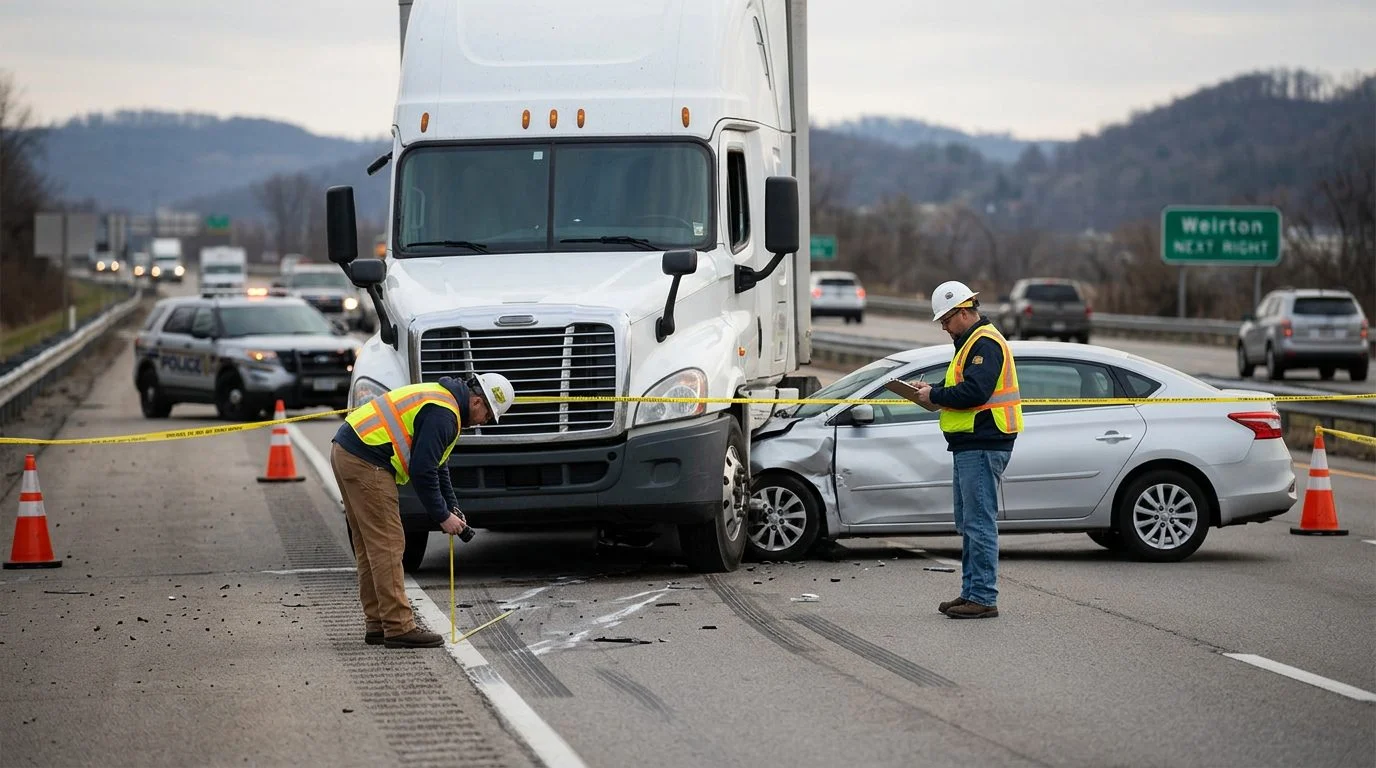
A spinal cord injury from a vehicle crash is one of the most serious injuries a person can survive. These injuries often mean lifelong changes to your body, your independence, and your family’s future. If you or a loved one suffered a spinal cord injury in a car accident, truck collision, or commercial vehicle crash in Weirton or elsewhere in West Virginia, understanding what happened and what comes next—both medically and legally—is your first step forward.

If you or someone you care about suffered a spinal cord injury in a crash, you may have a legal claim—and you don't have to figure it out alone. Talk it through with our team — the first case review is free, confidential, and carries no obligation.
Spinal Cord Injuries from Crashes in Weirton
Spinal cord injuries are among the most catastrophic injuries that result from vehicle crashes. They can happen in car accidents, truck collisions, and commercial vehicle crashes. Weirton residents who suffer spinal cord injuries face immediate medical needs, long-term care requirements, and significant financial burden that extends far beyond the initial hospital stay.
The spinal cord is a bundle of nerves that carries signals between your brain and the rest of your body. When a crash causes trauma to the spine—through direct impact, sudden violent movement, or compression—those signals can be interrupted or blocked entirely. The consequences depend on where the injury occurs and how severe the damage is.
How Spinal Cord Injuries Happen in Vehicle Crashes
High-impact collisions can damage the spinal cord through direct trauma or sudden, violent movement that the spine cannot withstand. Truck accidents and multi-vehicle crashes carry heightened risk because of the force and weight involved. Even crashes that seem survivable at first can result in spinal cord damage that becomes apparent only after medical imaging and examination.
The mechanism of injury—how the crash happened—matters for both your medical treatment and your legal claim. A rear-end collision that throws your head and neck forward, a rollover that compresses your spine, or a T-bone impact that twists your torso can all cause spinal cord damage. Understanding the specifics of your crash helps doctors treat your injury and helps your legal team prove how it occurred.
Complete vs. Incomplete Spinal Cord Injuries
A complete spinal cord injury means the spinal cord is fully severed or damaged so severely that no nerve signals can pass below the injury site. A person with a complete injury typically has no sensation and no voluntary movement below the level of injury.
An incomplete spinal cord injury means some nerve signals still travel across the damaged area. Recovery potential varies widely with incomplete injuries—some people regain significant function over time, while others experience minimal improvement. The difference between complete and incomplete can mean the difference between total paralysis and the possibility of walking again.
The level of injury—cervical (neck), thoracic (mid-back), lumbar (lower back), or sacral (base of spine)—determines which body functions are affected. A cervical injury may affect the arms, hands, and legs. A thoracic injury typically affects the trunk and legs. A lumbar injury usually affects the legs and lower body. Early diagnosis and imaging are essential to understand your specific injury and what recovery might look like.
Not sure what your next step is?
Talk it through with our team — the first case review is free, confidential, and carries no obligation.
Recovery and Life After a Spinal Cord Injury
Recovery timelines are deeply individual. Some improvement may occur over months or years, especially with incomplete injuries. Others see their greatest gains in the first few weeks after injury. Rehabilitation, physical therapy, occupational therapy, adaptive equipment, and home modifications are often lifelong needs.
Many people with spinal cord injuries do return to meaningful work and activity—but the path is demanding and expensive. You may need a wheelchair, home accessibility modifications, ongoing medical care, pain management, and mental health support. Bowel and bladder management, skin care, and prevention of complications require constant attention. The medical costs, lost income, and care expenses mount quickly.
A spinal cord injury reshapes not just the injured person’s life, but their family’s entire future. The financial burden is real and ongoing.
Why You May Have a Legal Claim
If another driver’s negligence caused your crash, you may have the right to recover damages. Damages in a spinal cord injury case can cover medical bills (past and future), ongoing care and rehabilitation, lost wages, pain and suffering, and other losses caused by the injury.
Truck accidents and commercial vehicle crashes often involve additional layers of liability and insurance. A commercial driver may have been fatigued, speeding, or improperly trained. A trucking company may have failed to maintain the vehicle or enforce safety rules. These facts can strengthen your claim.
West Virginia follows a modified comparative fault rule: if you were partially at fault for the crash, your damages are reduced by your percentage of fault—but you can still recover as long as your fault is not greater than the combined fault of all other parties (no more than 50%). This means even if you share some responsibility, you may still have a valid claim.
Determining fault and proving negligence requires investigation, expert testimony, and legal knowledge. Many people don’t realize they have a claim until they speak with a lawyer who understands both the accident and the law.
The West Virginia Statute of Limitations
Time matters. In West Virginia, a personal-injury lawsuit for a spinal cord injury generally must be filed within two years after the right to bring the action accrues (W. Va. Code § 55-2-12). There are rare exceptions, but they are narrow. Don’t wait.
Have questions about what happened?
Ask our team directly. The first conversation is free, confidential, and there is no obligation to continue.
What Big Bubba Can Do for You
We serve Weirton injury victims with spinal cord injuries from all types of vehicle crashes—car accidents, truck collisions, and commercial vehicle accidents. We handle the investigation, insurance claims, and legal work so you can focus on recovery and your family.
We understand both the medical reality of spinal cord injuries and the financial burden they create. We work on a contingency basis: you pay no fee unless we recover money for you. You’re responsible for court costs and case expenses, but there’s no attorney fee unless we win.
We take the time to understand what these injuries mean for you. We ask the questions that matter to your claim. And we work to build a strong case.

Frequently Asked Questions
How long do I have to file a spinal cord injury claim in West Virginia?
You generally have two years from when your right to bring the action accrues to file a personal-injury lawsuit (W. Va. Code § 55-2-12). Don’t wait—contact us as soon as possible.
Can I recover damages if I was partly at fault for the crash?
Yes. West Virginia’s modified comparative fault rule allows you to recover even if you share some fault, as long as you’re not more than 50% at fault (W. Va. Code § 55-7-13c).
What damages can I recover in a spinal cord injury case?
Damages typically include medical bills (past and future), ongoing care costs, lost wages, pain and suffering, and other losses caused by your injury.
Do I need a lawyer for a spinal cord injury claim?
You’re not required to hire a lawyer, but spinal cord injury claims are complex and often involve significant money. An experienced attorney can help you understand your rights and fight for fair compensation.
What should I do if I think I have a spinal cord injury after a crash?
Seek immediate medical attention. Get the crash report and photos. Write down what you remember. Then call us for a free case review.
If you or someone you care about suffered a spinal cord injury in a crash, you may have a legal claim—and you don’t have to figure it out alone. People in your situation can reach out to us, and we’re here to listen. Call Big Bubba Injury Law or request a free case review. Tell us what happened, and we’ll explain your options.
Related practice areas
- Spinal Cord Injury in Fairmont: After a Crash