
West Virginia Injury Claims
What If the At-Fault Driver Has No Assets in West Virginia?
A driver with little money can still leave you with real bills. Here is how to think through your options and where your own coverage may fit in.
Published November 22, 2026
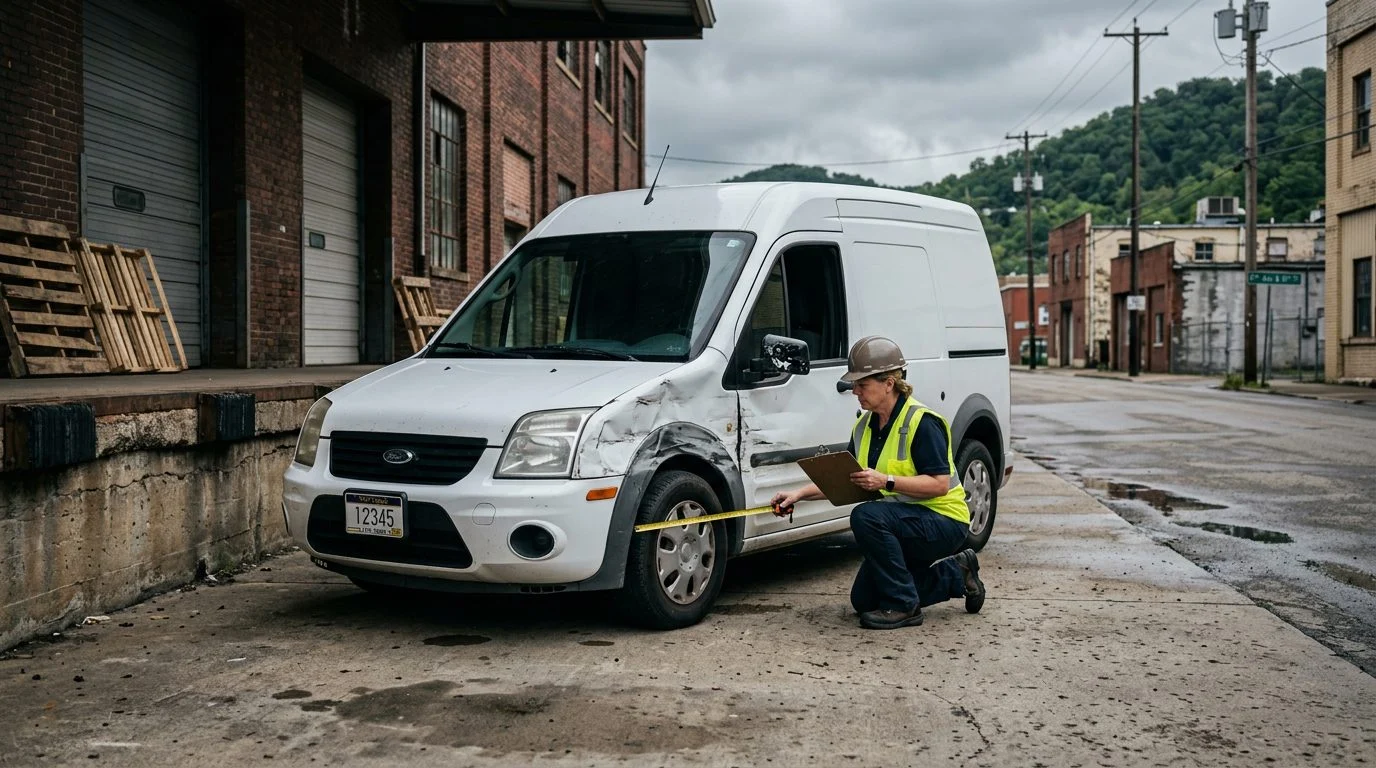
A crash with an at-fault driver who has little money can leave you wondering who will pay your bills. In short, a claim can still be valid when the at-fault driver has no assets in West Virginia. Insurance is usually the first place to look, and your own coverage may also matter.
This page explains what assets means in a claim, why insurance comes first, and how your own policy may help.
What It Means When the At-Fault Driver Has No Assets
A claim can still be valid even if the at-fault driver has little property, income, or savings. Assets are things a person owns or earns, such as a house, a vehicle, bank accounts, or wages.
If a court finds another driver at fault, that driver owes the damages. A court judgment is only an order, though. Collecting from someone with few assets may be difficult and slow.
West Virginia law includes a way to address some amounts that can’t be collected. Under W. Va. Code § 55-7-13c, if a plaintiff, through good faith efforts, cannot collect from a liable defendant, the plaintiff may ask the court to reallocate that amount among the other liable parties. That request must be made not later than one year after the judgment becomes final through lapse of time for appeal or through exhaustion of appeal, whichever occurs later. Whether it helps depends on who else was found liable.
That is why the first question is usually what insurance, if any, is in place. Waiting to see whether the other driver can pay can cost time, because deadlines keep running.
If you were hurt and the other driver may have no insurance or assets, you do not have to sort out your coverage alone. Tell us what happened, and we can talk through your options. Talk it through with Big Bubba — the first case review is free, confidential, and carries no obligation.
Why Liability Insurance Is Usually the First Place to Look
Liability insurance is usually the first source to check. It pays others when the insured driver is found at fault.
The Offices of the Insurance Commissioner publish the state’s mandatory limits.
Liability limits are the most an insurer may pay per person and per accident. Those limits can be lower than the losses from a serious crash, especially one that causes a brain or spinal cord injury.
Coverage often turns on a few facts. Was the policy in force on the crash date? Was the vehicle covered, and was the driver listed? Some insurers may dispute a claim, so the policy details matter.
West Virginia also uses modified comparative fault (shared fault) (W. Va. Code § 55-7-13c). Under the same statute, fault generally does not bar recovery unless the injured person’s fault is greater than the combined fault of everyone else responsible. Otherwise, recovery is reduced in proportion to the injured person’s share of fault.
When the At-Fault Driver Has No Insurance
Uninsured motorist coverage may be the key source when the at-fault driver has no liability insurance. You buy this coverage on your own auto policy.
West Virginia law describes this option. It lets an insured collect sums they are legally entitled to recover from the owner or operator of an uninsured motor vehicle, within the limits the insured chose. W. Va. Code § 33-6-31
The key point is where the money may come from. This coverage comes from your own policy, not from the other driver’s savings or property. Your own policy, not the other driver’s bank account, may be the source. The coverage must be on your policy, and it must apply to the crash.
Consider a driver with no insurance who hits a parked car and then a pedestrian. The pedestrian could review their own auto policy and any policy in their household. The car’s owner could review property coverage. Each policy’s terms decide what applies.
A crash report also matters. Under W. Va. Code § 17C-4-7, the investigating officer must submit a report within 24 hours after completing the investigation. Within 24 hours of a motor vehicle crash, the officer must provide owner, operator, and insurance information upon request for all involved parties to each of the other involved parties and to each party’s respective insurance agents, at no cost, whether or not the accident report has been completed.
When the Insurance Is Not Enough to Cover Serious Injuries
Underinsured motorist coverage may apply when the at-fault driver has insurance, but the limits are too low for your losses.
The statute defines an underinsured motor vehicle as one whose applicable liability limits are lower than the limits the insured carried for this coverage, or have been reduced by payments to others hurt in the accident. W. Va. Code § 33-6-31 It also says an insurer may offer benefits and limits other than those prescribed in the section.
Serious injuries can change the picture. Traumatic brain injury and spinal cord injury can involve long-term medical needs. Those needs may exceed the limits of a standard policy, so it helps to review every policy early.
Medical payments coverage on your own policy, when you have it, may help with early medical bills. Health insurance and disability benefits may also be relevant. They have their own rules, and they can affect how bills are paid. Keep records of every bill, pay stub, and treatment visit, since those records support any claim.
Other Sources That May Be Relevant
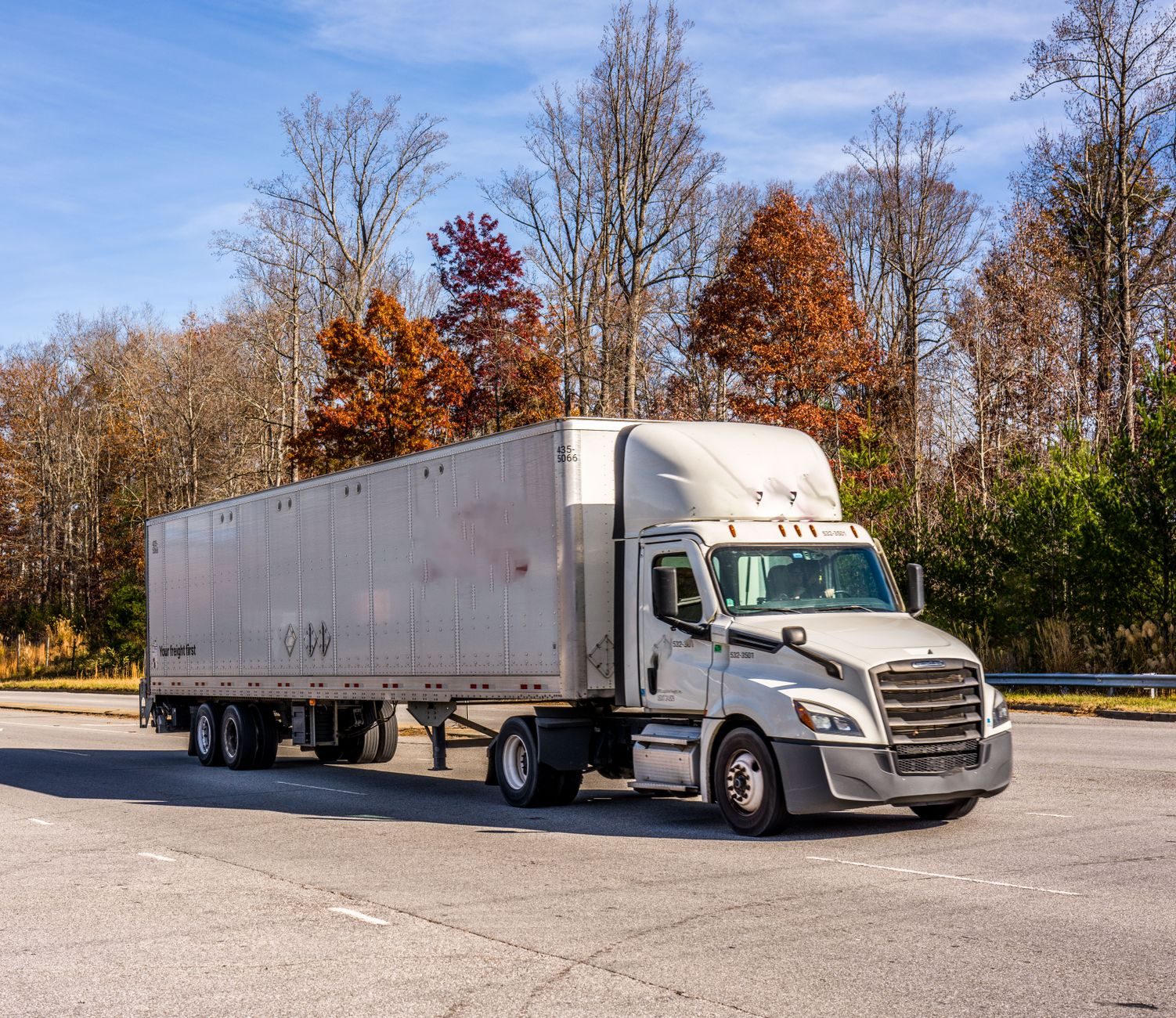
When a commercial vehicle is involved, the owner or employer may be a responsible party, depending on the facts.
West Virginia defines an employer defendant to include the owner of a commercial motor vehicle, the operator’s employer, and any other person that owns, leases, rents, or holds legal control over the vehicle or operator. W. Va. Code § 55-7-32
We handle truck accident and wrongful death claims in West Virginia, and employer coverage is one of the questions we review.
In a civil action for personal injury or wrongful death involving the operation of a commercial motor vehicle requiring a commercial driver’s license, West Virginia law may limit the noneconomic compensatory damages recoverable from an employer defendant. The limit is subject to conditions set out in W. Va. Code § 55-7-32, so whether it applies depends on the facts of each case. W. Va. Code § 55-7-32 The same coverage questions may apply.
Five Questions to Ask When Reviewing Coverage
Five answers can show what coverage may be available after a crash.
- Did the at-fault driver have liability insurance on the crash date, and with which company?
- Was the vehicle the driver used covered by that policy, and was the driver listed or permitted?
- What are the liability limits, and were other policies on the same vehicle or owner in place?
- Does your own policy include uninsured and underinsured motorist coverage, and what limits did you choose?
- Were medical payments, health insurance, or work-related benefits available after the crash?
Some crashes involve more than one policy. Whether several policies apply depends on the policy terms, not on the number of vehicles involved. Write down what you learn and when you learned it, so the details stay clear. Your insurance card, the crash report number, and the other driver’s details are a useful starting point.
Not sure what your next step is?
Talk it through with Big Bubba — the first case review is free, confidential, and carries no obligation.
Deadlines and Early Steps That Affect Your Options
Early steps can affect what evidence and coverage are available. A driver in a crash that causes injury or death, or total property damage to an apparent extent of $1,000 or more, must immediately by the quickest means of communication notify the local police if the crash occurs within a municipality; otherwise, the county sheriff or the nearest State Police office. W. Va. Code § 17C-4-6 W. Va. Code § 17C-4-6
West Virginia generally allows two years to file a personal injury lawsuit, and exceptions may apply. W. Va. Code § 55-2-12 Every personal action for which no limitation is otherwise prescribed generally must be brought within two years after the right to bring it accrued for personal injuries, and exceptions may apply. [W.
The law also limits early settlement talks. Under W. Va. Code § 55-7-11a, a settlement, release of liability or statement obtained in violation of that section may be disavowed by the injured person at any time within one hundred eighty days from the date of the personal injury. To do so, the injured person signs a written statement of disavowal and forwards a copy to the person who violated the section. The settlement, release or statement then may not be admissible in evidence in any proceeding about the injury, provided any consideration paid for the settlement or release has been repaid or returned by the time that copy is forwarded.
We serve crash victims across West Virginia, from Charleston to Wheeling.
If you were hurt and the other driver may have no insurance or assets, you do not have to sort out your coverage alone. Tell us what happened, and we can talk through your options.