
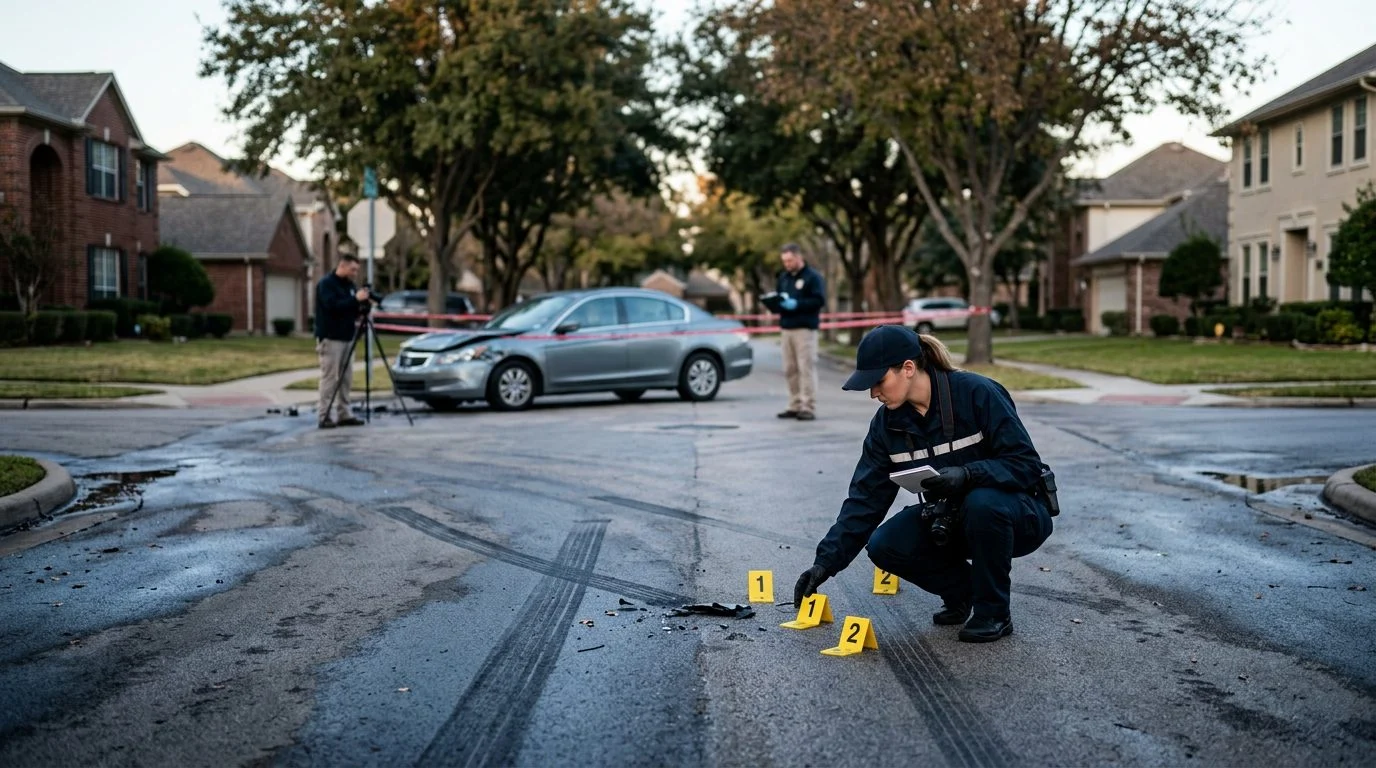
Traumatic Brain Injury
Delayed Brain Injury Symptoms After Car Accident
Symptoms can appear hours or days after impact. Don't wait—get medical evaluation and legal guidance if you've been in a crash.
Published October 02, 2026
Delayed Brain Injury Symptoms After a Car Accident: What You Need to Know
Brain injury symptoms often don’t show up right away after a crash. Your body’s natural stress response—adrenaline and shock—can mask injury for hours or even days. Meanwhile, swelling, bleeding, and cellular damage develop inside your skull, and symptoms emerge gradually as you return to normal activity. Understanding why this happens and what warning signs to watch for can help you get the medical care you need and protect your rights.
If you've been in a serious car crash and are experiencing delayed symptoms, reach out for a case review. Talk it through with our team — the first case review is free, confidential, and carries no obligation.
Why Brain Injury Symptoms Are Often Delayed
Symptoms appear later because the brain’s initial trauma response masks damage. Adrenaline and shock numb pain and confusion immediately after impact. At the same time, swelling, bleeding, and microscopic damage to nerve fibers develop over hours or days—not instantly.
Imaging results can differ: MRI is more sensitive and can pick up more subtle brain changes that a CT scan may miss. As inflammation increases and you resume normal activities, symptoms become impossible to ignore. A person might feel fine at the scene, then develop a severe headache the next morning. Or they might seem okay for a week, then struggle to concentrate at work.
That gap between impact and symptom onset creates confusion—and it’s often where insurance companies plant doubt about whether the injury is real.
Delayed Physical Symptoms of Brain Injury
Physical warning signs develop gradually and can worsen over time. Watch for these:
Persistent headaches or migraines that emerge hours after the crash and intensify over days. These aren’t ordinary tension headaches; they often feel different from anything you’ve experienced before.
Dizziness, vertigo, or balance problems that make you feel unsteady or disoriented. You might notice this when standing quickly or turning your head.
Nausea and vomiting appearing hours or days post-accident, sometimes without an obvious cause.
Sensitivity to light and sound that increases as days pass. Bright screens or loud environments become unbearable.
Fatigue and exhaustion disproportionate to your activity level. You might sleep 10 hours and still feel exhausted.
Sleep disturbances including insomnia, excessive sleeping, or fragmented, poor-quality sleep that leaves you unrefreshed.
According to the National Institute of Neurological Disorders and Stroke, headache, dizziness, confusion, and fatigue tend to start immediately after an injury but resolve over time. The key: if these symptoms appear or worsen after your accident, don’t dismiss them as coincidence.
Delayed Cognitive Symptoms of Brain Injury
Memory and thinking problems often emerge only when you return to demanding tasks. These can be harder to recognize than physical symptoms because they’re invisible to others.
Memory problems include difficulty recalling recent events, conversations, or even details of the accident itself. You might read something and immediately forget it.
Concentration and focus issues become apparent when you try to work, study, or follow a conversation. Your mind feels scattered or foggy.
Slowed thinking or “brain fog” makes processing information feel like moving through mud. Decisions that used to be automatic now require effort.
Difficulty processing information or following complex instructions. You might need things repeated or written down.
Word-finding problems or language difficulties where you struggle to retrieve the right word mid-sentence.
Poor decision-making or impaired judgment that friends or family notice before you do.
These symptoms often don’t surface until you’re back at work or managing multiple tasks. A person might feel okay at home but realize something is wrong when they can’t focus during a meeting or make a simple decision.
Delayed Behavioral and Emotional Symptoms of Brain Injury
Mood and personality changes can be the most distressing—and the most misunderstood—symptoms of brain injury. They develop gradually and often catch both the injured person and their loved ones off guard.
Mood changes include irritability, anger, or emotional outbursts appearing days after the crash. You might snap at people over minor frustrations.
Anxiety or panic attacks that develop over time, sometimes without an obvious trigger.
Depression or persistent sadness that feels different from normal grief or stress.
Personality changes noticed by family or coworkers. People say things like, “You’re just not yourself.”
Increased emotional sensitivity or crying without clear cause.
Social withdrawal or loss of interest in activities you used to enjoy.
These changes can strain relationships and make people question their mental health. In reality, they’re often direct effects of brain injury—not character flaws or psychological problems.
How Long Can TBI Symptoms Be Delayed?
Symptoms can appear within hours, but many emerge over 24 to 72 hours. Some people don’t notice cognitive or emotional changes until they return to work or normal routines—sometimes a week or more after the accident.
Delayed symptoms become more apparent as your activity level increases. Resting at home might mask problems that surface the moment you try to work. Post-concussion syndrome can develop gradually over weeks following even a “mild” brain injury, with symptoms persisting longer than initially expected.
The longer symptoms go unrecognized and untreated, the more they can compound and potentially affect recovery. Early recognition matters.
Not sure what your next step is?
Talk it through with our team — the first case review is free, confidential, and carries no obligation.
Why Standard Imaging Often Misses TBI
This is critical: a normal CT or MRI scan does not mean you don’t have a brain injury. Standard imaging detects bleeding, fractures, and large contusions, but it misses microscopic damage.
Diffuse axonal injury (DAI) involves tearing of nerve fibers throughout the brain. It typically doesn’t show on standard imaging but causes significant cognitive and physical symptoms. Swelling and inflammation develop after the initial scan, so early imaging may appear normal even though injury is occurring.
Many people are told, “Your scan looks normal,” then experience severe, persistent symptoms. That gap between imaging results and real symptoms is where confusion—and insurance denials—begin. Specialized imaging like diffusion tensor imaging (DTI) or functional MRI (fMRI) can reveal damage standard scans miss, but these tests aren’t always ordered immediately.
Steps to Take If You Suspect a Brain Injury After a Car Accident
Seek medical evaluation immediately, even if you feel fine. Tell your doctor about all symptoms, no matter how minor, and when they started.
Keep a written record of symptoms as they appear: headaches, memory lapses, mood changes, sleep problems, and when each started. This record is invaluable for medical care and any future claim.
Avoid returning to work, school, or strenuous activity too quickly. Activity can worsen symptoms. Follow your doctor’s guidance on rest and gradual return to normal activities.
Ask your doctor about neuropsychological testing if cognitive symptoms persist. This specialized evaluation reveals damage standard imaging misses.
Report the accident to the at-fault driver’s insurance, but be cautious about recorded statements. Stick to facts; don’t speculate about injuries.
Document all medical visits, test results, and symptom records. These are essential for any claim and for your own recovery tracking.
Can the Brain Heal From Traumatic Brain Injury?
The brain has capacity to heal and reorganize, especially with proper rest and medical care. Recovery varies widely depending on the injury’s severity, location, your age, and overall health.
Mild TBI symptoms often improve within weeks to months with appropriate management. Moderate to severe TBI may require months or years of recovery, and some effects can be permanent. Early recognition and treatment improve the chances of better recovery outcomes. Ongoing medical care, rehabilitation, and support are often necessary for long-term recovery.
Long-Term Effects of Brain Injury After a Car Accident
Some people experience post-concussion syndrome: persistent headaches, cognitive problems, and mood changes lasting months or longer. Chronic pain, sleep disorders, and sensory sensitivity can persist long after the initial injury.
Cognitive changes may affect work performance, earning capacity, and career prospects. Emotional and behavioral changes can strain relationships and quality of life. Long-term medical care, therapy, and support services may be necessary and costly.
What to Do When You Have a Brain Injury Claim
Understanding your rights is essential. Insurance companies often underestimate or deny brain injury claims, especially when imaging appears normal despite genuine neurological damage.
A legal review can help you understand whether you have a claim worth pursuing. If you’ve experienced delayed symptoms and are uncertain about next steps, a case review can help you learn what options may be available to you.
Have questions about what happened?
Ask our team directly. The first conversation is free, confidential, and there is no obligation to continue.
Frequently Asked Questions
Why do brain injury symptoms appear days after an accident?
Adrenaline and shock mask injury immediately after impact, while swelling and cellular damage develop over hours or days, causing symptoms to emerge gradually.
Can a brain injury show up on an MRI or CT scan?
Standard imaging detects bleeding and fractures but misses microscopic damage like diffuse axonal injury; specialized imaging (DTI, fMRI) may be needed.
How long after an accident can brain injury symptoms appear?
Symptoms can emerge within hours but often appear over 24 to 72 hours; cognitive and emotional changes may not surface until you return to work or normal routines.
What is post-concussion syndrome?
A condition where symptoms like headaches, cognitive problems, and mood changes persist for weeks or months following even a “mild” brain injury.
Should I see a doctor if I feel fine after a car accident?
Yes. Delayed symptoms are common, and early medical evaluation creates a record of your condition and helps protect your health and any potential claim.
If you or a family member experienced a car accident in West Virginia and are now noticing unexplained headaches, memory problems, mood changes, or other symptoms days or weeks later, we’re here to listen. Contact Big Bubba to request a free case review and tell us what happened.
Seek medical attention immediately Even if you feel fine right after a crash, visit an emergency room or urgent care. Delayed symptoms of brain injury can be serious. Document all symptoms and medical visits—this record matters if you need legal help.
Common delayed brain injury symptoms
Headaches and dizziness
May develop hours after the crash and worsen over days. Can be accompanied by sensitivity to light or sound.
Confusion and memory problems
Difficulty concentrating, remembering recent events, or feeling mentally foggy—signs that should prompt immediate medical evaluation.
Sleep and mood changes
Sudden insomnia, drowsiness, irritability, or emotional shifts can indicate brain injury developing after impact.
Nausea and balance issues
Feeling unsteady, nauseous, or experiencing vertigo hours or days after the accident may signal internal injury.
Why delayed symptoms happen
Adrenaline masks injury
Immediately after a crash, your body's stress response can hide pain and symptoms. As adrenaline fades, injury becomes apparent.
Swelling develops over time
Brain swelling and internal bleeding may take hours to build pressure and cause noticeable symptoms.
Microscopic damage isn't always visible
Standard CT or MRI scans may not detect diffuse axonal injury or mild traumatic brain injury, even though symptoms are real.
Cellular injury progresses
At the cellular level, damage can worsen over hours or days after the initial impact, triggering symptoms gradually.
What to do if symptoms appear
Get medical care right away
Report all symptoms to a doctor, even minor ones. Provide a detailed account of the crash and any head impact.
Keep records of everything
Document when symptoms started, what they are, medical visits, test results, and how they affect your daily life and work.
Avoid driving or strenuous activity
Follow medical advice about rest and recovery. Pushing too hard too soon can worsen brain injury.
Contact Big Bubba
If you've been in a serious car crash and are experiencing delayed symptoms, reach out for a case review. We handle traumatic brain injury claims across West Virginia.
You don't have to navigate this alone
Related practice areas
- Traumatic Brain Injury from Car and Truck Accidents in West Virginia