
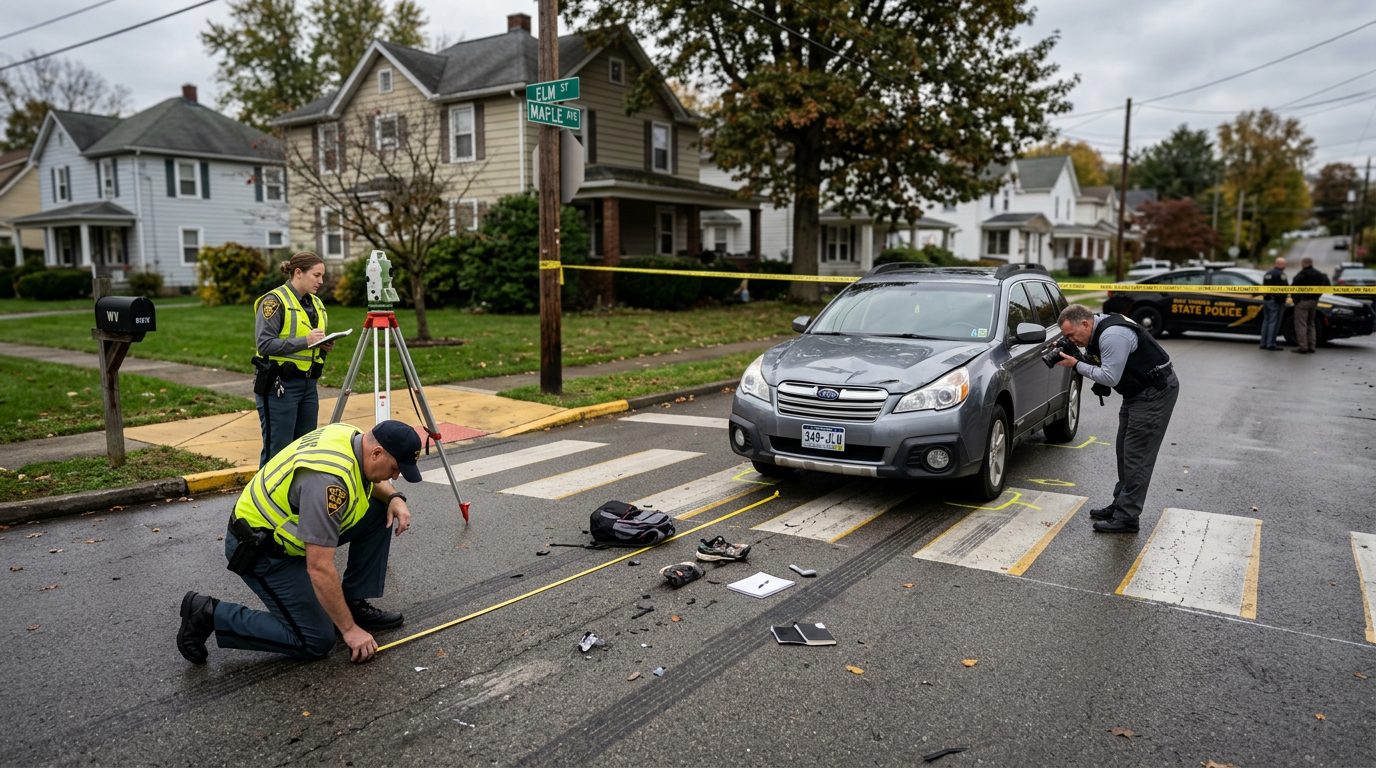
Brain Injury Claims in West Virginia
Planning Ahead After a Brain Injury From a Car Crash
Learn who helps build a long-range care plan, what it can cover, and how it may fit into a West Virginia claim.
Published November 12, 2026
A family often hears the words “life care plan” for the first time in a hospital or rehab setting. The phrase can sound technical, and it can feel like one more thing to handle while a loved one is still recovering.
A life care plan is a written, long-range document. It lists the medical, rehabilitation, and daily-living needs a person may have after a serious injury, including a brain injury from a car crash. This page explains what the plan covers, who helps build it, and how it may connect to a claim in West Virginia.
Quick Answer: What Is a Life Care Plan?
A life care plan is a planning document. It describes future needs and the services that may meet them. It is a map of what the person may need, not a promise about what will happen.
After a traumatic brain injury, the plan looks ahead across the person’s expected lifetime. It does not stop at the first weeks or months of treatment. That long view is what sets it apart from a discharge sheet or a list of upcoming appointments.
The details depend on the person’s injury, age, and medical history. Two people with brain injuries may need very different plans. The plan describes needs and services. It does not decide who was at fault or how a claim will turn out.
Each item in a sound plan should trace back to something a doctor, therapist, or other treating provider has written down. That link to medical records is what makes the plan useful to the family now and to anyone reviewing it later.
If a car crash left someone you love with a brain injury, you don't have to sort out a life care plan alone, and we can talk through your options in a free case review. Talk it through with Big Bubba — the first case review is free, confidential, and carries no obligation.
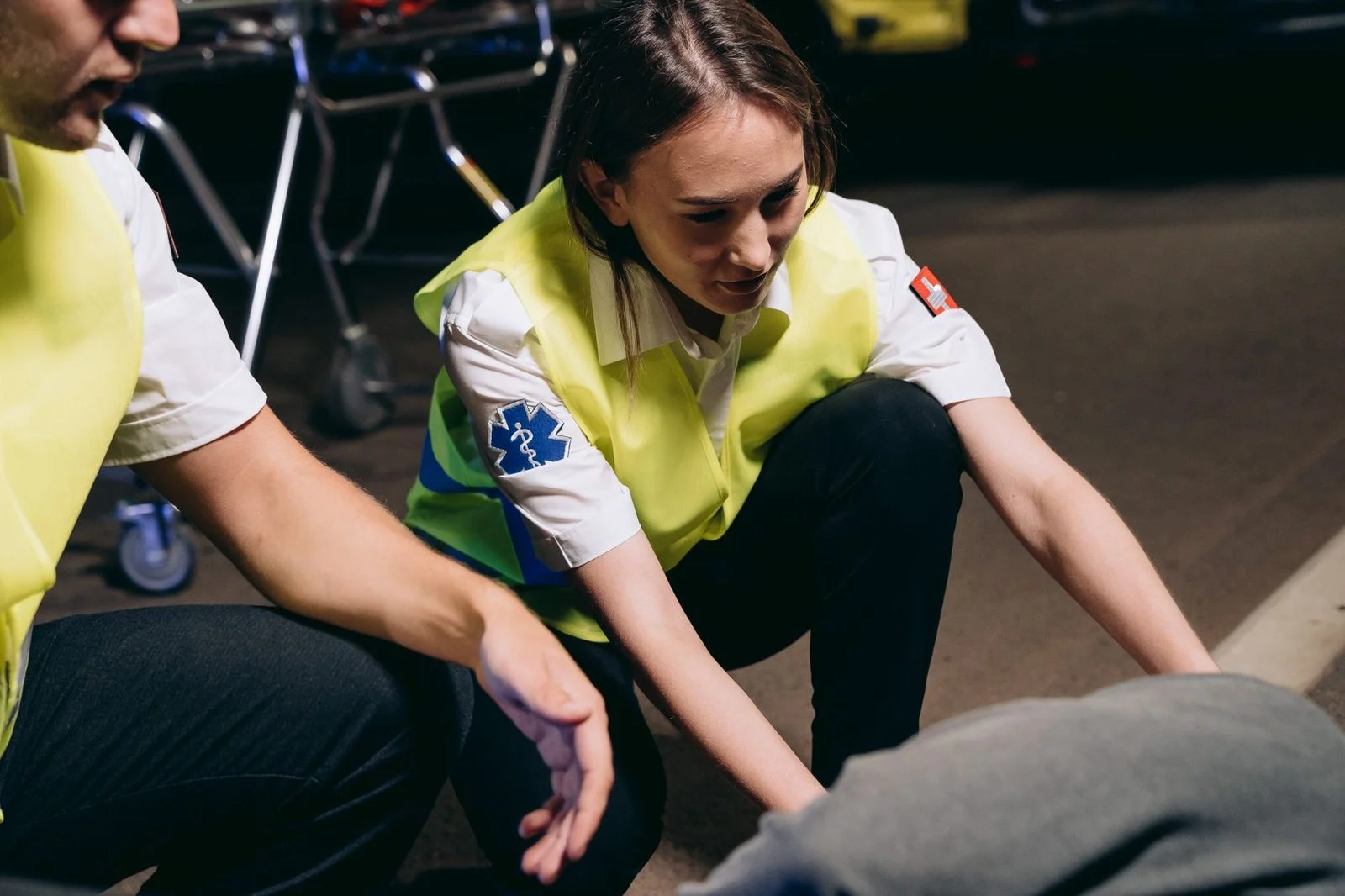
Why a Brain Injury From a Car Crash Often Needs Long-Range Planning
A brain injury can change how a person thinks, remembers, feels, and moves. Some of those changes are obvious right away. Others take time to appear.
According to a brain injury health care review, traumatic brain injury effects may be long-lasting, and they may not be immediately apparent after an accident. Mild traumatic brain injury can also be hard to diagnose. A person may leave the hospital with a few visible injuries and still have problems that show up weeks or months later.
Common changes include trouble with memory and concentration, slower thinking, mood swings, anxiety, balance problems, vision changes, and trouble with everyday tasks. Those tasks can include managing bills, keeping track of appointments, or driving.
Symptoms can also change over time. Some improve, some stay the same, and some shift in ways a family did not expect. Every person’s recovery is different, so future needs are hard to see early on.
That uncertainty is the core decision for many families. They must ask whether short-term treatment may be enough, or whether ongoing supports may be needed at home, at work, or in daily life. A life care plan helps organize that question around medical evidence instead of guesses.
What a Life Care Plan Usually Covers
A life care plan usually covers four broad areas: medical care, rehabilitation, emotional support, and daily-living help. The exact list depends on what the treating team recommends.
Medical needs. These often include follow-up visits with a physician, neurology or other follow-up care, prescription medications, diagnostic testing, and equipment the treating team recommends. The plan may note how often each service is recommended.
Rehabilitative services. Physical, occupational, speech, and cognitive therapy are common examples after a brain injury. Cognitive therapy works on thinking skills such as memory and problem-solving. The plan may list how often each therapy may be needed, based on therapist notes.
Psychological and emotional support. Counseling or behavioral health care may address mood changes, anxiety, or the stress of adjusting to a new reality. Many families overlook this area until the injured person struggles at home.
Daily-living supports. This category can include in-home help, transportation to appointments, and changes to the home or vehicle when the treating team identifies a need. These needs may look small at first but add up over time.
Vision is another area that often comes up. Vision problems after a brain injury may be part of the medical picture. When a doctor documents an eye-related need, the plan may list eye care as a need too.
How a Life Care Plan Is Built With Treating Physicians
A life care planner usually builds the plan from medical records, test results, and input from the treating physicians and therapists. The planner does not replace the medical team. The planner organizes what the medical team has documented.
The treating team plays a central role. Doctors and therapists help confirm which needs are medically supported and how often each service may be needed. A plan that rests on physician notes is easier to explain and easier to review than one built on general estimates.
Gaps in records can make needs harder to support. If a symptom was never written down, or a therapy recommendation was never recorded, the plan may not reflect it. That is why keeping records organized matters from the start.
Families also have a practical role. They can ask providers for copies of records, and they can ask how a recommendation was reached. The West Virginia Board of Medicine publishes guidance on keeping patient records accessible and on continuity of care when a physician closes a practice or leaves. That guidance matters if a provider’s practice changes during recovery.
How a Life Care Plan Relates to a Car Accident Claim
A life care plan can help document future needs in a car accident claim. It does not decide who was at fault. That question turns on the crash facts and the evidence.
If another driver was at fault, the injured person may be able to pursue a claim for losses connected to the crash. West Virginia generally allows two years to file a personal injury claim, and exceptions may apply. The state law is set out in W. Va. Code § 55-2-12. Because timing questions can matter, it helps to review them early.
Fault also works in a specific way. The statute provides that, in a personal injury, property damage, or wrongful death action, W. Va. Code § 55-7-13a bases recovery on comparative fault, and each person’s share of liability is allocated in direct proportion to that person’s percentage of fault. Under W. Va. Code § 55-7-13c, a plaintiff’s own fault does not bar recovery unless it is greater than the combined fault of all other persons responsible. If it is less, the recovery is reduced in proportion to the plaintiff’s share of fault.
Some insurers may dispute the scope or cost of a life care plan. That is one reason the plan is tied so closely to medical documentation. Cost projections in a plan are estimates built from medical recommendations and typical service rates. The other side can review and challenge them.
Records and Information Families Can Gather Now
The most useful step is to gather the records that already exist. Start with discharge summaries from the hospital and any imaging reports, such as CT or MRI results.
Next, collect notes from neurology, rehabilitation, and therapy visits. Add a list of current prescriptions and any changes to them. Keep appointment letters and referral papers too.
Keep a dated journal of what the person can and cannot do. Note symptoms, good days and bad days, and tasks that now take more time or more help. A journal can show how needs have changed. It can also help a provider understand what the person describes between visits.
Keep copies of the police crash report and any letters from insurance companies. Save receipts for out-of-pocket medical costs. Police departments may charge their own copy fee for crash reports, so ask about that before you request one.
The medical team can also clarify which records a future plan will need. These steps are useful whether or not a claim is ever filed. They protect the family’s options and keep the medical story clear from the start.
Not sure what your next step is?
Talk it through with Big Bubba — the first case review is free, confidential, and carries no obligation.
Related Questions About Brain Injury and Daily Living After a Crash
Several related questions often come up alongside life care plans. Families may ask about vision problems after a brain injury, home changes after a serious crash injury, or how a brain injury can affect money decisions. The firm’s resources cover these topics in plain language.
Money and personal decisions can be hard after a brain injury. The Brain Injury Association of America says brain injury can affect financial decision-making. It also says that help with decisions, such as guardianship, should be tailored to the individual and limited to the least restrictive level needed.
If a family member died in the crash, different rules can apply to who may bring a claim. West Virginia law allows a personal representative to begin an action in certain situations.
For truck crashes, federal rules may add another layer. The Federal Motor Carrier Safety Regulations govern employers, employees, and commercial motor vehicles that transport property or passengers in interstate commerce. Those rules can matter in cases involving commercial trucks, though each case turns on its own facts.
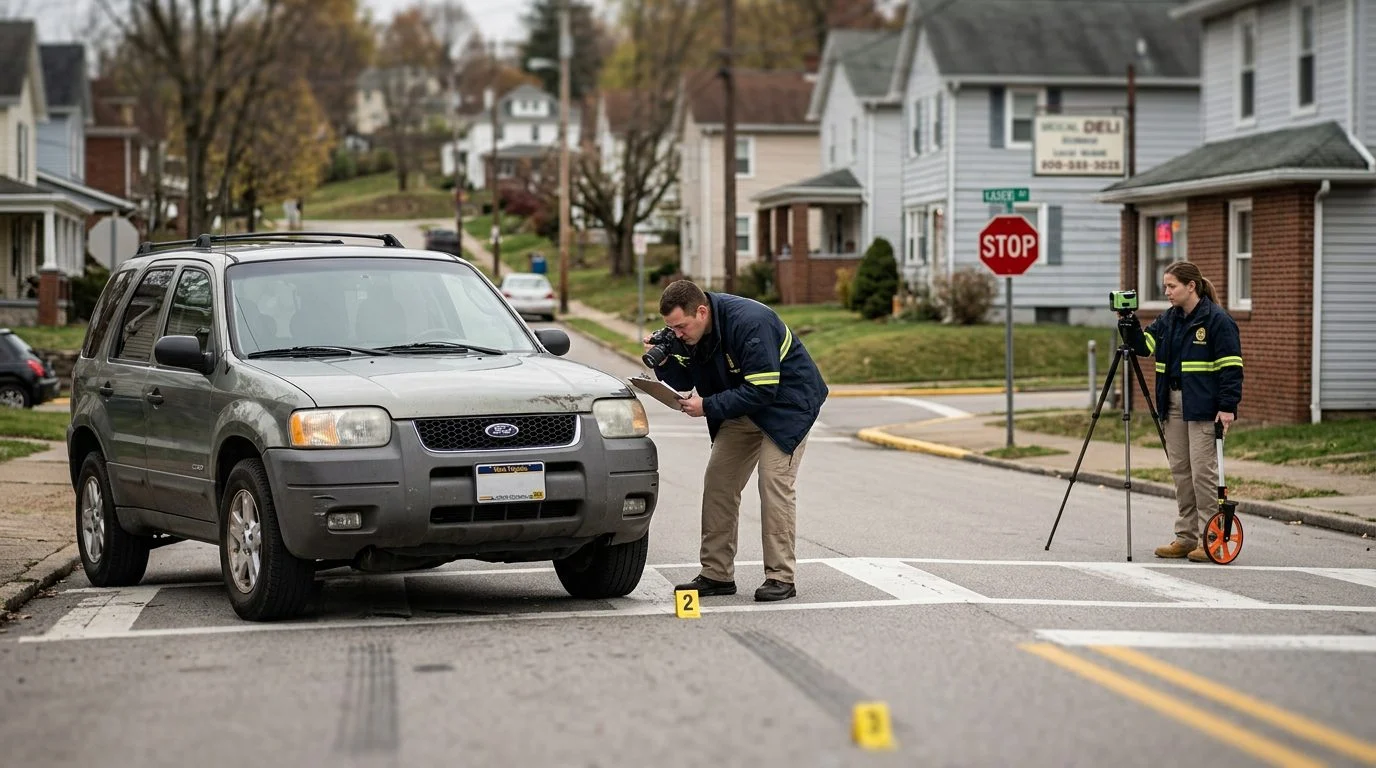
What Families Should Know About Their Options
If your family is reading about life care plans while a loved one is still in recovery, the future may feel uncertain. Many people in that position are trying to understand the medical picture and the legal timeline at the same time.
Big Bubba handles car and commercial truck crash claims, traumatic brain injury and spinal cord injury cases, and wrongful death claims across West Virginia. We serve injury victims and their families throughout the state.
If you’re ready to talk, you can request a free case review to go over what happened in the crash and what a plan may need to address. There is no obligation to continue.