
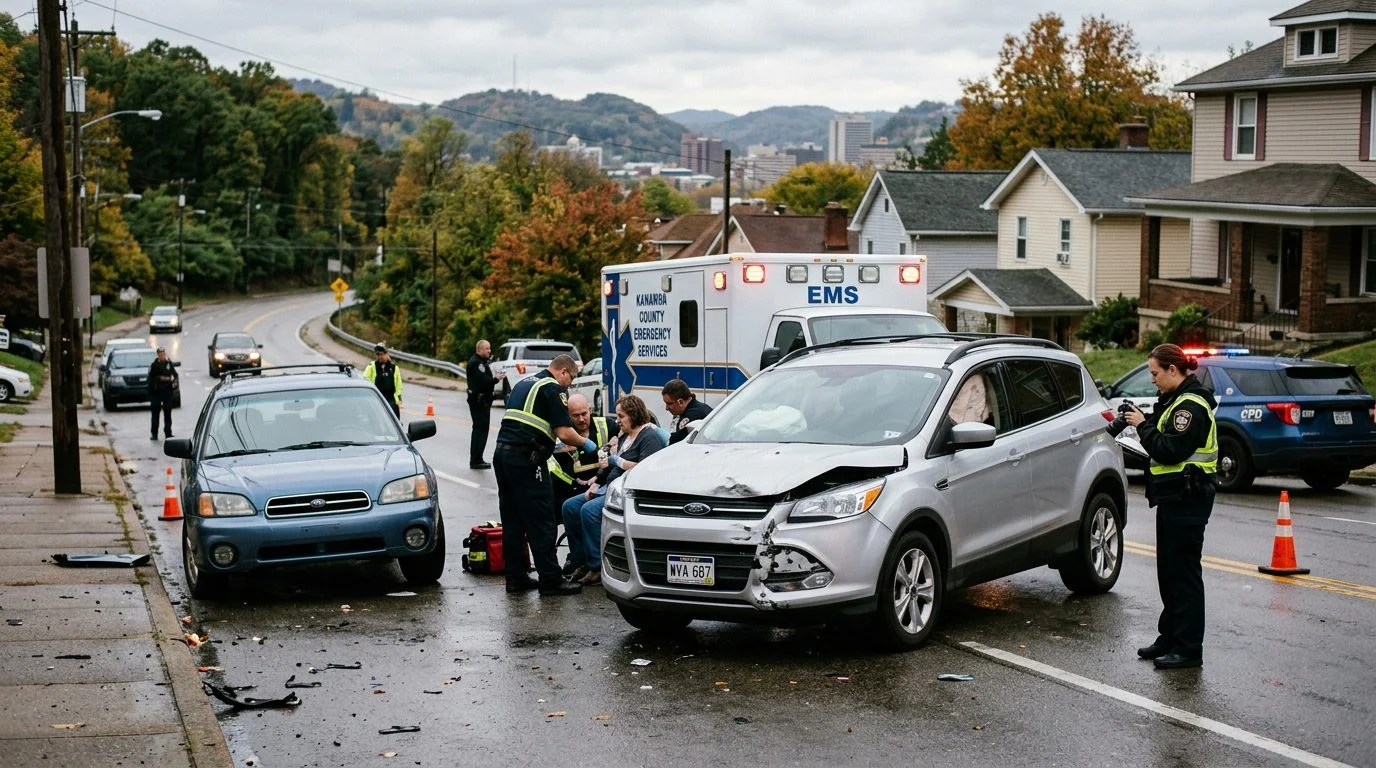
Car Accident Injuries in West Virginia
Back Pain After a Car Accident? Don't Wait to Find Out What's Broken.
Back pain from a crash can hide a serious injury. Reach out to the firm to talk through what happened and what your options may be.
Published November 16, 2026
After a car accident, back pain can be frightening, and it’s often unclear what’s actually broken. A lumbar fracture is a crack or break in one of the five bones of the lower back. A hard crash can cause one, even when the pain seems to start slowly. This guide explains how these fractures happen, which symptoms need emergency care, how they’re diagnosed, and which West Virginia time limits may matter to you.
What a Lumbar Fracture Is
A lumbar fracture is a break in one of the bones of the lower back, called the lumbar vertebrae.
Your lower spine has five lumbar vertebrae, numbered L1 to L5. They stack on top of each other to support your upper body. Behind each one is an opening called the spinal canal. The spinal canal holds the spinal cord and the nerve roots that branch out to the legs, hips, and bladder.
A fracture can be small and stable, meaning the bone cracks but stays in line. It can also be severe, with broken bone pushing into the spinal canal. That difference matters, because the location of the break shows whether nerves are at risk.
Doctors describe a lumbar fracture by its shape, its location, and whether the spine is stable. Those details guide treatment. Treatment may include bracing, medication, physical therapy, or surgery, depending on the injury.
Our serious crash injury guide covers other injuries that can happen in the same kind of crash.
Your medical team makes decisions about your diagnosis and treatment.
If a crash has left you with back pain and questions about what comes next, we're here to talk, and a free case review is a confidential place to start. Talk it through with Big Bubba — the first case review is free, confidential, and carries no obligation.
How a Car Accident Can Fracture the Lower Back
A car accident can fracture the lower back when crash forces load the spine faster than the bones can absorb them.
In a crash, your body keeps moving after the car slows. The lower back can bend, twist, or compress in a split second. Common sources of force include:
- Hitting the steering wheel, dashboard, or door
- Being thrown forward against a seat belt that crosses the hips and abdomen
- A rear-end hit, a side impact, or a sudden braking event that jolts the body
Rollover crashes can throw the body against the vehicle interior in several directions. A seat belt is still important. It can also add force to the lower back during a hard impact.
Some people feel only stiffness at the scene. Pain can grow over the following hours or days, so track symptoms from the start.
Whether a fracture happens depends on the force of the crash, bone health, body position, and other factors. Two people in the same crash can have very different injuries.
Types of Lumbar Fractures and Related Back Injuries
The main types are compression, burst, and fracture-dislocation. Each one affects the spine in a different way.
Compression Fractures
A compression fracture happens when the front of a vertebra collapses while the back of the bone stays mostly intact. The bone loses height at the front, which can change the natural curve of the spine. Pain is often the first clue.
Burst Fractures
A burst fracture happens when a vertebra shatters under load. Bone fragments can press on the spinal canal. Because of that risk, a doctor may watch a burst fracture closely and recommend further treatment.
Fracture-Dislocations
A fracture-dislocation combines a broken bone with a shift in the alignment of the spine. It is a more serious injury. It can involve the spinal cord or nerve roots, so it needs prompt medical evaluation.
Related Soft-Tissue Injuries
Ligament sprains, muscle strains, and herniated discs can cause back pain after a crash, with or without a fracture. A herniated disc means soft material from a disc presses on a nerve. Imaging is often needed to tell these injuries apart.
Warning Signs That Need Emergency Care
Some back symptoms after a crash mean you need emergency care right away. Don’t wait to see whether they fade.
Get emergency care right away for:
- Severe or worsening back pain
- Numbness, tingling, or weakness in the legs or groin
- Trouble walking or standing
- Loss of bladder or bowel control
Other signs still need prompt medical attention. These include pain that gets worse when you stand, sit, or move, tenderness over the spine, and stiffness that limits daily tasks.
Tell every provider about the crash, and point to the exact spot where it hurts. Mention any pain, numbness, or weakness in the arms or legs, too. Early notes matter because they show when symptoms started and how they changed.
Don’t assume soreness is minor just because it appeared hours or days after the crash. Report it, and keep a record of when it began.
How Lumbar Fractures Are Diagnosed
Doctors usually start with X-rays and add CT or MRI scans when they need more detail.
An X-ray shows the bones and can reveal many fractures. A CT scan gives a more detailed picture of bone structure, which helps with complex breaks. An MRI shows nerves, discs, and soft tissue, so it helps when a doctor is concerned about nerve involvement.
An early X-ray can miss a fracture, especially a small one. That’s why follow-up imaging matters when pain continues or grows. Ask your provider to explain each test and what it was looking for.
Keep copies of imaging reports and discharge summaries. Write down every provider you see after the crash, with the date and reason for each visit. Gaps in your records can make it harder to explain how the injury developed over time.
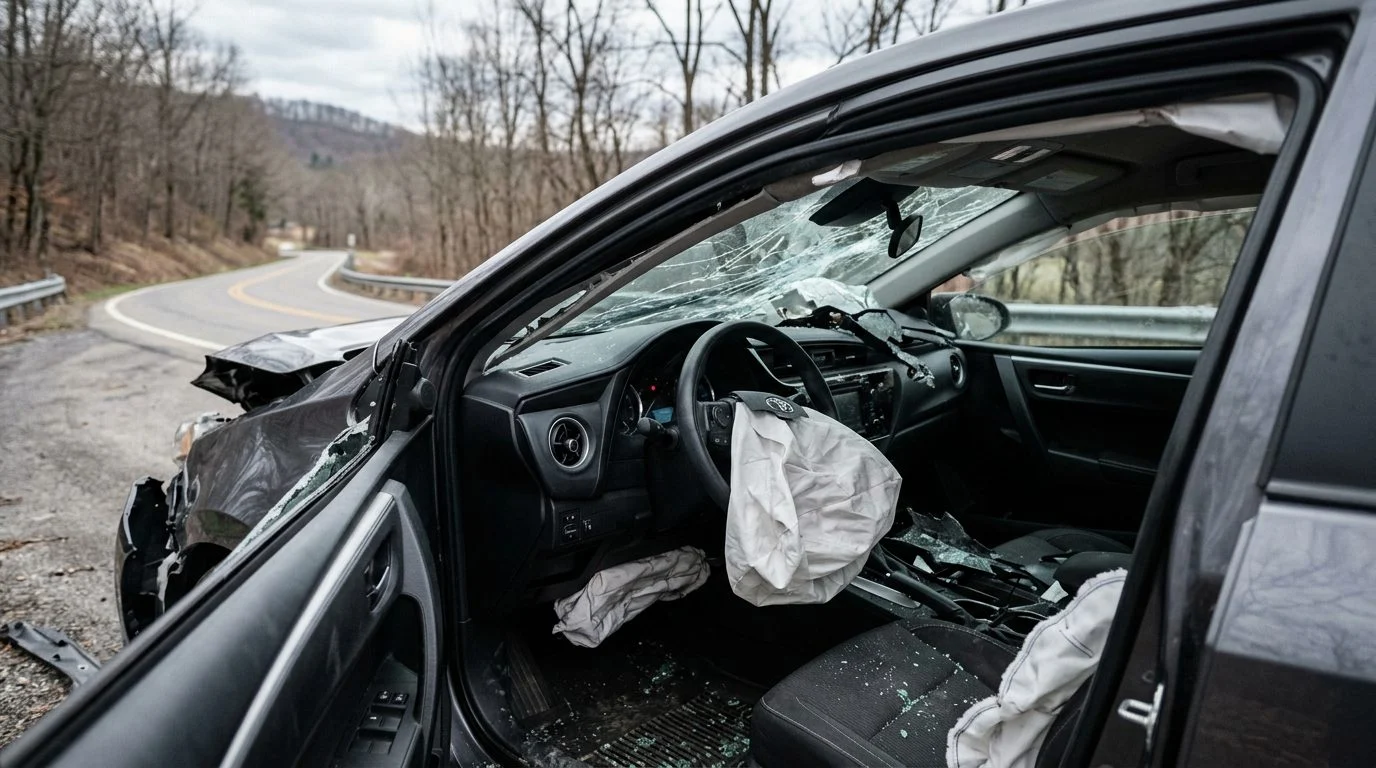
Why Recovery Time Varies
Recovery time after a lumbar fracture depends on the fracture type and how your body responds to treatment.
Age, general health, and other medical conditions also play a role. Some people wear a brace. Others need surgery or a long course of physical therapy. Each path has its own timeline.
Some people improve over a period of months. Others have pain or physical limits that last longer. Your medical team is the right source for your expected course.
Daily life shows the injury’s effects too. Note pain after standing, trouble lifting groceries, sleep disruption, missed work, and the help you need at home. Physical therapy sessions and medication changes belong in the record, too.
Not sure what your next step is?
Talk it through with Big Bubba — the first case review is free, confidential, and carries no obligation.
Documenting a Back Injury After a Crash
Keep every record about your back injury in one place, starting now.
Save every bill, prescription receipt, imaging report, and discharge summary. Our guide on organizing hospital records after a crash explains a simple filing system.
Start a daily log. Note your pain level, the activities that became hard, changes in sleep, and the help you needed from family or friends. A log kept close to each day is usually more reliable than memory weeks later.
Track transportation expenses, too. If you can’t drive, or you need a rental vehicle while your own car is repaired, keep the receipts. Our page on rental car loss of use after a crash covers these losses.
Save photos of the scene and vehicles, and write down the police report number. Records like these may be relevant to a claim, depending on the facts.
West Virginia Time Limits and Insurance Coverage
West Virginia generally allows two years to file a personal injury lawsuit, and exceptions may apply. The West Virginia Code § 55-2-12 sets this period for personal injury actions. Don’t wait to learn the exact deadline.
A wrongful death claim has its own rules. Under West Virginia Code § 55-7-6, the action must be brought by the personal representative of the deceased person’s estate. It generally must be started within two years after the death.
Claims against a government entity, such as a city or county, can follow a different timeline. West Virginia Code § 29-12A-6 generally requires those actions within two years, with some exceptions.
West Virginia also uses a modified comparative fault rule. Under West Virginia Code § 55-7-13c, an injured person generally cannot recover if their own fault is greater than the combined fault of others.
Coverage limits can fall short. West Virginia Code § 33-6-31 defines an underinsured motor vehicle. That coverage may matter when the at-fault driver’s liability limits are less than the underinsured motorist limits you carry, or have been reduced below them by payments to others hurt in the crash. Our page on underinsured motorist coverage in West Virginia explains the basics.
If a commercial truck was involved, federal rules add their own steps. The Federal Motor Carrier Safety Administration summarizes post-accident testing for commercial drivers. It sets an 8-hour deadline for alcohol testing and a 32-hour deadline for controlled-substance testing.
Understanding Your Back Injury Claim
If a crash left you with a back injury, you can reach out to the firm to talk it through.
You may be managing appointments, medical bills, and calls from insurance companies. You may also be reading this for a parent, spouse, or child who was hurt in a crash they didn’t choose.
The firm handles car accident, truck accident, commercial vehicle accident, and catastrophic injury claims. We serve injury victims across West Virginia, including Charleston, Huntington, Morgantown, Wheeling, Martinsburg, Parkersburg, Beckley, Clarksburg, Fairmont, and Weirton.
We offer a free case review. It is confidential and carries no obligation to continue. You can describe the crash and the injury in your own words. Request a free case review to start that conversation.
Related practice areas
- How to Get Your Police Crash Report in West Virginia