
Traumatic Brain Injury
Traumatic Brain Injury in Morgantown: Legal Help When You Need It
A serious head injury from a car or truck crash can change everything. Big Bubba Injury Law serves Morgantown injury victims and their families as they navigate recovery and seek compensation for their injuries.
Published October 03, 2026
Traumatic Brain Injury in Morgantown: What You Need to Know
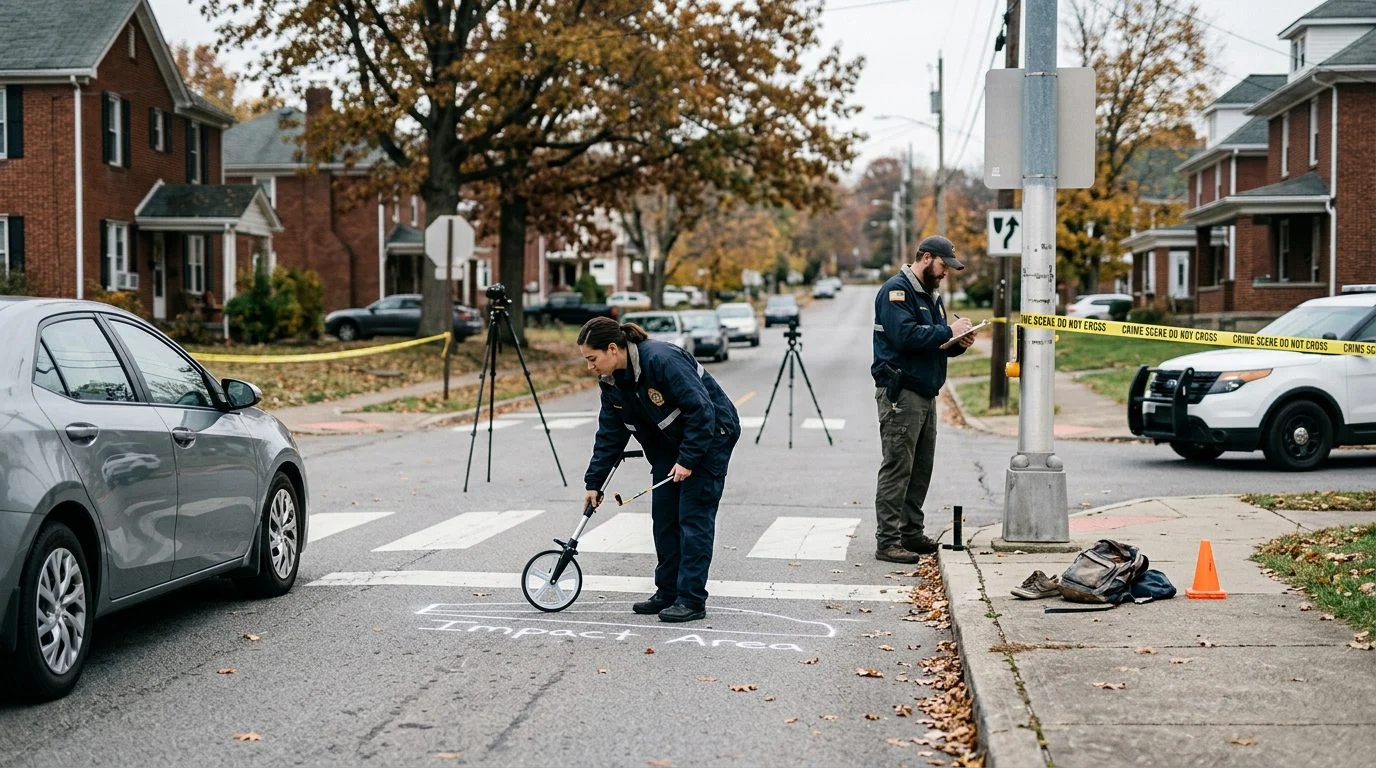
A traumatic brain injury (TBI) from a car or truck accident can change your life in an instant. Morgantown’s busy roads—including Interstate 68 and the traffic around West Virginia University—see their share of serious collisions, and many result in head injuries that aren’t always obvious at first. If you or a loved one has suffered a TBI, understanding what happened, what comes next, and why legal help matters can make all the difference.
Not sure what your next step is?
Talk it through with our team — the first case review is free, confidential, and carries no obligation.
Traumatic Brain Injury in Morgantown: A Growing Concern
More serious traumatic brain injuries can lead to severe and permanent disability—and even death. In Morgantown, accidents happen on highways, at busy intersections, and on local roads where commercial trucks and passenger vehicles share the pavement. The injury itself often goes unrecognized immediately—which is why early legal involvement is critical to preserve evidence, document your medical condition, and protect your right to compensation.
The stakes are high. Insurance companies often undervalue brain injuries because the damage is invisible. There’s no broken bone to point to on an X-ray. That’s why working with someone who understands both the medical and legal sides of TBI is essential from the start.
How TBI Happens in Car and Truck Accidents
Traumatic brain injury occurs when the brain is jolted or struck hard enough to cause damage to brain tissue and function. In a car or truck accident, this happens in several ways: a direct blow to the head, sudden deceleration that causes the brain to move inside the skull, or penetration from an object. A coup-contrecoup injury—where the brain strikes the inside of the skull on one side and then bounces back to strike the other side—is common in high-impact collisions.
In Morgantown, typical accident scenarios include highway rear-end collisions on I-68, intersection crashes where vehicles collide at angles, and multi-vehicle pileups involving commercial trucks. Even impacts that seem minor can cause serious brain injury. You might feel fine immediately after the accident—adrenaline masks symptoms—but injury to brain tissue can be severe.
It’s important to understand the difference between a concussion and a traumatic brain injury. A concussion is a type of TBI, usually mild, caused by a bump or blow. But not all TBIs are concussions, and not all concussions are mild. A diagnosis requires medical evaluation, imaging, and sometimes neuropsychological testing to determine the extent of injury.
Signs and Symptoms of Traumatic Brain Injury
Immediate symptoms after a head injury may include loss of consciousness, confusion, severe headache, nausea, or dizziness. But TBI is tricky: you may not lose consciousness and still have a serious injury. Many people feel relatively normal right after an accident.
Delayed symptoms often appear days or even weeks later. These include memory problems, difficulty concentrating, mood changes, sleep disruption, and a foggy feeling that makes work and daily tasks harder. Some people experience sensitivity to light or sound, balance problems, or fatigue that doesn’t improve with rest.
This delay is why medical evaluation is critical even if you feel fine after the impact. A doctor can order imaging—CT scans or MRI—and neuropsychological testing to detect injury that isn’t obvious. These records become essential evidence if you later pursue a claim.
Have questions about what happened?
Ask our team directly. The first conversation is free, confidential, and there is no obligation to continue.
The Long-Term Impact of TBI
The effects of traumatic brain injury extend far beyond the first few weeks. Physical impacts include chronic pain, balance problems, and persistent fatigue that can last months or years. Cognitive effects—trouble concentrating, memory loss, slower processing speed—can make it hard to return to work or school. Emotional and behavioral changes, including depression, anxiety, and personality shifts, affect relationships and quality of life.
For many people, TBI means ongoing medical care: physical therapy, occupational therapy, neuropsychological rehabilitation, and specialist visits. Some require long-term supervision or help with daily tasks. The costs—medical bills, lost wages, lost earning capacity—can be substantial over a lifetime.
That’s why calculating damages in a TBI case requires looking beyond immediate medical bills. A proper claim accounts for past and future medical care, lost income, reduced earning capacity, pain and suffering, and the impact on your ability to work and live independently.
Why You Need Legal Help for a Morgantown TBI Case
Insurance companies are skilled at minimizing brain injury claims. Because symptoms are invisible and recovery timelines vary, they may argue that your injury is minor or that your symptoms are unrelated to the accident. That’s where proper documentation and expert interpretation matter.
A lawyer who handles TBI cases understands what medical records, imaging, and neuropsychological testing prove. We can work with medical professionals to help build a clear picture of your injury and its effects. We also investigate liability—determining who was at fault in the accident—and negotiate with insurance companies on your behalf.
Your recovery is reduced by your percentage of fault, but you can still collect—as long as your fault doesn’t exceed 50% (W. Va. Code § 55-7-13c). This rule protects many injured people, but it also requires careful investigation and skilled negotiation.
There’s also a deadline. West Virginia sets a deadline for filing a personal-injury lawsuit, so it’s important not to wait. Early legal involvement ensures evidence is preserved and your claim is protected.
What Happens When You Reach Out
When you call or request a free case review, we listen to what happened and explain your options. There’s no pressure and no cost to talk. We ask questions about the accident, your injuries, and your recovery so far. We explain how TBI claims work and what we can do to help.
From there, we handle the investigation, coordinate with your medical providers, and manage communication with insurance companies. You focus on healing. We handle the legal work.
Want to know where you stand?
Tell us what happened and our team will walk you through the options available to you, at no cost.
FAQ
What should I do immediately after a head injury in a car accident?
Seek medical attention right away, even if you feel fine. Tell the doctor about the impact and any symptoms, no matter how minor. Keep all medical records and imaging.
How long do I have to file a TBI lawsuit in West Virginia?
Generally, two years from when the right to bring the claim accrued for personal injury claims, and exceptions may apply. Don’t wait—early legal action protects evidence and your claim.
Can I recover if I was partially at fault for the accident?
Yes. Under West Virginia’s comparative fault law, your share of fault does not bar recovery unless it is greater than the combined fault of all other persons responsible.
What medical tests diagnose traumatic brain injury?
CT scans, MRI, and neuropsychological testing can detect TBI. A neurologist or neuropsychologist can order these and interpret results.
Why do TBI symptoms appear days or weeks after an accident?
Brain injury can be microscopic at first. Swelling, inflammation, and the brain’s response to injury develop over time, and symptoms emerge as these processes unfold.
If you’ve suffered a traumatic brain injury in a car or truck accident in Morgantown or anywhere in West Virginia, reaching out for a free case review is a straightforward first step—no obligation, no cost, and a chance to understand what your claim may be worth.
Related practice areas
- Traumatic Brain Injury from Car and Truck Accidents in West Virginia
- Traumatic Brain Injury in Huntington: Legal Help