
Car Accident Injuries | West Virginia
A Skull Fracture After a Car Accident: What It Can Mean and What to Do Next
Plain-language guidance for West Virginia families facing a head injury after a crash.
Published November 22, 2026
You were in a crash, and now someone has said the words “skull fracture.” That news is scary, and it’s normal to have a lot of questions.
A skull fracture is a break in one of the bones that form the skull, the hard case that protects the brain. Doctors usually find it with head imaging, not by looking at the scalp. Any head impact in a crash deserves prompt medical care, even if you feel fine.
What a Skull Fracture Is
A skull fracture is a bone injury. It is separate from any injury to the brain underneath, though the two can happen together. A skull fracture and a concussion are not the same thing.
The skull is made of several bones that shield the brain from blows. When one of them cracks or breaks, that is a fracture.
The U.S. Department of Veterans Affairs VA overview of traumatic brain injury lists car accidents as one cause of brain injury. It also separates mild injury, including concussion, from more severe injury.
You can’t tell by feel alone whether a bone is broken. Imaging is how a medical team checks. A fracture can come with other head injuries, so the evaluation looks at both the bone and the brain. That is why it matters to get checked even when the bump looks minor from the outside.
If you're caring for someone who hit their head in a West Virginia crash, you don't have to work out the next steps alone; we can talk through your situation in a free case review. Talk it through with Big Bubba — the first case review is free, confidential, and carries no obligation.

Types of Skull Fractures and How Crashes Cause Them
Doctors describe a skull fracture by its shape and location, and one crash can cause more than one kind. They also note where on the skull the break sits, such as the front, side, or back.
A linear fracture is a thin crack in the bone. A depressed fracture pushes a piece of bone inward. A basilar fracture involves the base of the skull, the bony floor under the brain. An open, or compound, fracture breaks through the skin or tissue over the bone.
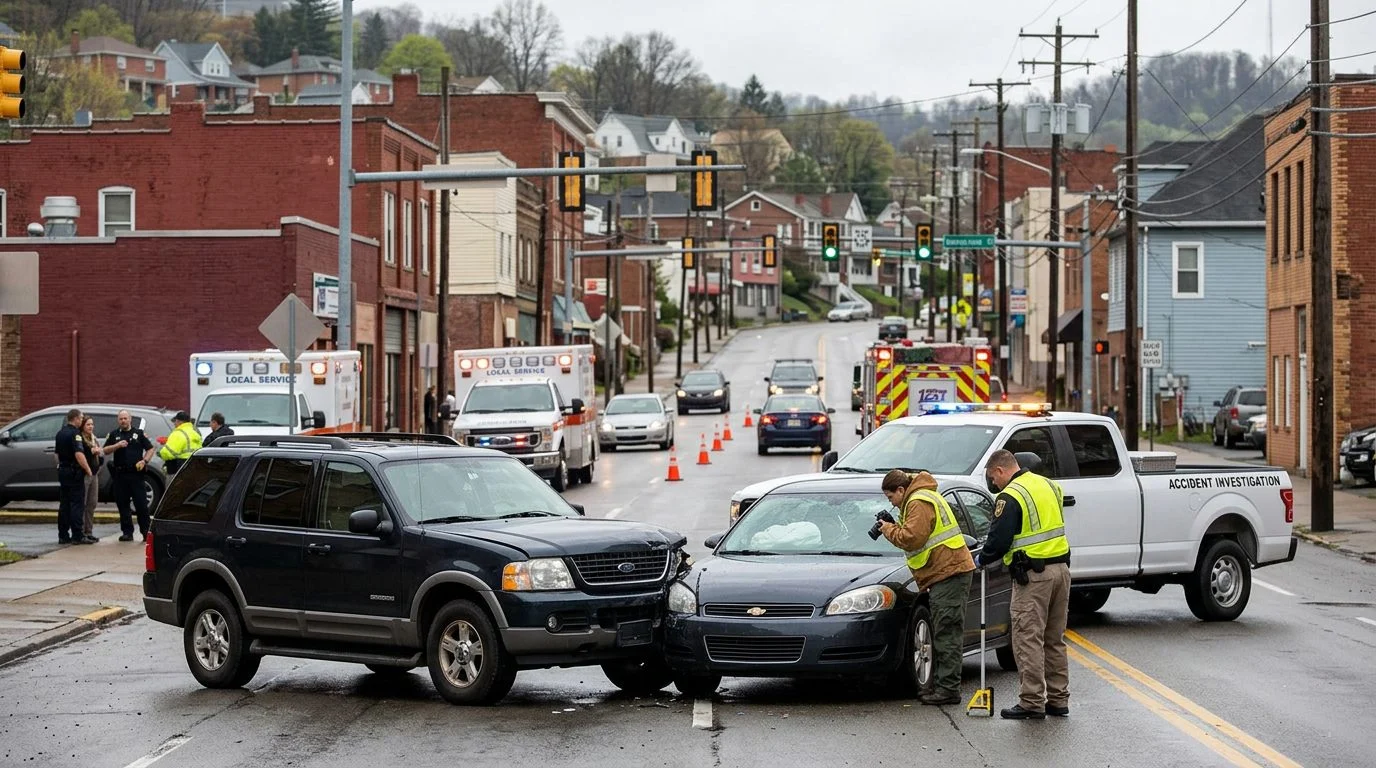
In a crash, the head may strike the steering wheel, dashboard, window frame, roof pillar, or the road. The force of that blow travels through the head and can reach the skull. A rollover or a crush injury may cause a fracture too.
Medical testing decides which type a person has and whether the brain is involved. Only a medical team can make that call.
Warning Signs That Need Emergency Care
Get emergency care right away if a head impact is followed by any of these signs.
Repeated vomiting. A headache that keeps getting worse. Confusion or unusual drowsiness. Trouble waking up. A seizure. Clear fluid or blood from the nose or ears. Bruising behind the ears or around the eyes. Weakness or numbness. Slurred speech. Pupils of unequal size.
Get checked promptly if you lost consciousness, even briefly.
These signs can point to a fracture or to bleeding inside the skull. Don’t wait to see whether they settle on their own. Call 911 or go to the nearest emergency department, and let the medical team decide what tests are needed. Tell the staff about the crash and where you hit your head. If a child or an older adult was hurt, say so right away, since they may not describe symptoms clearly.
Delayed Symptoms and Why Feeling Fine Is Not Proof
Feeling fine right after a crash does not rule out a head injury.
Some symptoms can show up hours or days later. These can include headache, dizziness, trouble with memory or concentration, mood changes, and changes in sleep.
Adrenaline and shock can also mask pain in the first hours after a crash. Soreness may show up later, once the body settles.
Keep a simple written log of symptoms, with the date and time of each one. Bring it to every appointment. It gives your doctor a clearer picture than memory alone.
Doctors do not always rely on a bedside exam alone. The NINDS working group report notes that neuroimaging or biomarkers may be used when clinical examinations are unreliable in assessing acute traumatic brain injury.
Medical Follow-Up: Imaging, Doctors, and Questions to Ask
A doctor may start with an exam of your balance, vision, reflexes, and thinking. The doctor may also order head imaging, such as a CT scan.
Which tests you need depends on your symptoms and the findings.
If symptoms continue, your doctor may refer you to a neurologist, a doctor who treats the brain and nervous system.
Bring a list of questions to each visit. Ask what the imaging showed, which symptoms to watch for, which activities to avoid, and when to come back. Ask whether you should avoid driving until your doctor clears you.
Ask a doctor or pharmacist which pain medicines are right after a head injury. Some medicines can affect bleeding or hide symptoms your doctor needs to track.
The West Virginia Department of Health traumatic brain injury program explains what counts as a TBI and how it can affect a person.
Keep every follow-up appointment. A steady medical record helps your health and any later claim.
How a Skull Fracture Can Affect Work and Daily Life
A skull fracture or head injury can affect work and home life in several ways. Common effects include trouble concentrating, memory problems, fatigue, headaches, sensitivity to light or noise, and balance problems. These can affect driving, job duties, and family roles.
Recovery varies from person to person. Your doctor is the right source for what to expect in your case. Tell your doctor exactly which tasks now feel hard, such as reading, driving, or working a full shift.
Keep notes on missed work, changed duties, and activities you can no longer do. Write down the date, what happened, and who you told. Plan for appointments that may cut into work time.
Those details help your doctor understand your day-to-day limits. They can also matter if a claim is later made.
Not sure what your next step is?
Talk it through with Big Bubba — the first case review is free, confidential, and carries no obligation.
Protecting Your Options After a Crash
Start by gathering records. They help your medical care and any later claim.
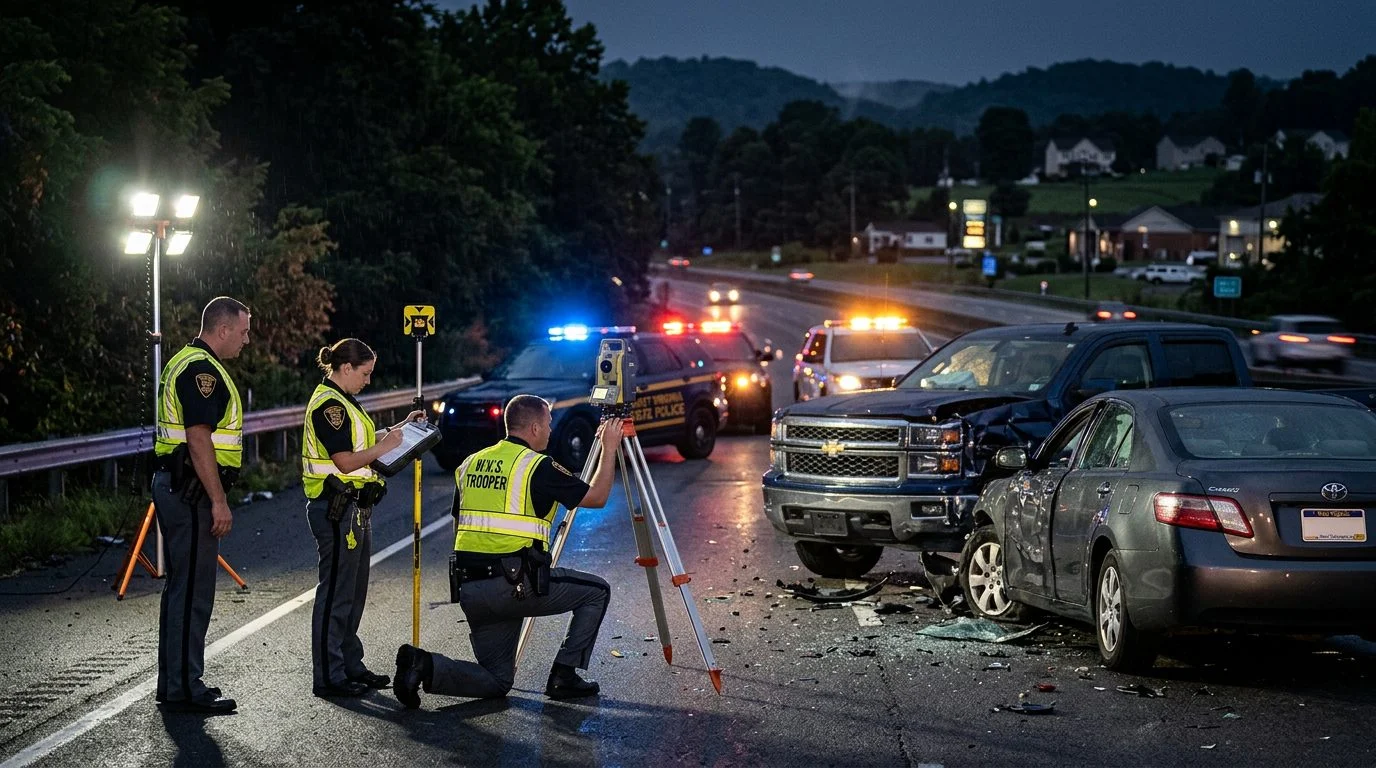
Keep the crash report, photos of the scene and vehicles, witness names and phone numbers, and every medical bill, discharge paper, and imaging report.
Under West Virginia law, the investigating officer must prepare a crash report within 24 hours after finishing the investigation, for crashes occurring on the public streets or highways of this state involving bodily injury, death, or total property damage to an apparent extent of $1,000 or more. See W. Va. Code § 17c-4-7. The officer must also give insurance information to the other parties within 24 hours upon request. See [W.
West Virginia generally allows two years to bring a personal injury claim, and exceptions may apply. See W. Va. Code § 55-2-12.
A person’s own share of fault generally reduces recovery, and it bars recovery only if that share is greater than the combined fault of everyone else. See W. Va. Code § 55-7-13c.
If another driver was at fault, the injured person may have legal options.
Timing matters for statements too. Under W. Va. Code § 55-7-11a, certain settlement talks, releases, and statements are restricted during the first twenty days after an injury, when the injured person is a hospital inpatient or is partially or totally unable to engage in his or her usual trade, profession or occupation. Under W. Va. Code § 55-7-11a, a settlement, release of liability or statement obtained in violation of that section may be disavowed by the injured person at any time within one hundred eighty days from the date of the personal injury, by executing a written statement of disavowal and forwarding a copy to the person who violated the section; the settlement, release or statement then may not be admissible in evidence for any purpose in any court or other proceeding relating to the personal injury if any consideration paid for the settlement or general release is repaid or returned to the person who paid it at the time the copy is forwarded.
Some insurers may dispute a claim or ask for a recorded statement. Talking with a lawyer before giving one is a reasonable step.
Common questions
Can a skull fracture be serious even if I feel okay?
Yes. Feeling okay does not rule out a fracture or bleeding, so a medical check still matters.
Does a skull fracture always mean brain damage?
Not always. A fracture is a bone injury, and exams and imaging show whether the brain was also affected.
Should I wait to see if symptoms go away?
Waiting is not a safe plan after a head impact. Get a medical evaluation first.
If you’re caring for someone who hit their head in a West Virginia crash, you may be weighing whether to speak with a lawyer. We handle car accident, truck accident, and brain injury claims, and we serve injury victims across West Virginia, including Charleston and Huntington. You can request a free case review whenever you’re ready.