
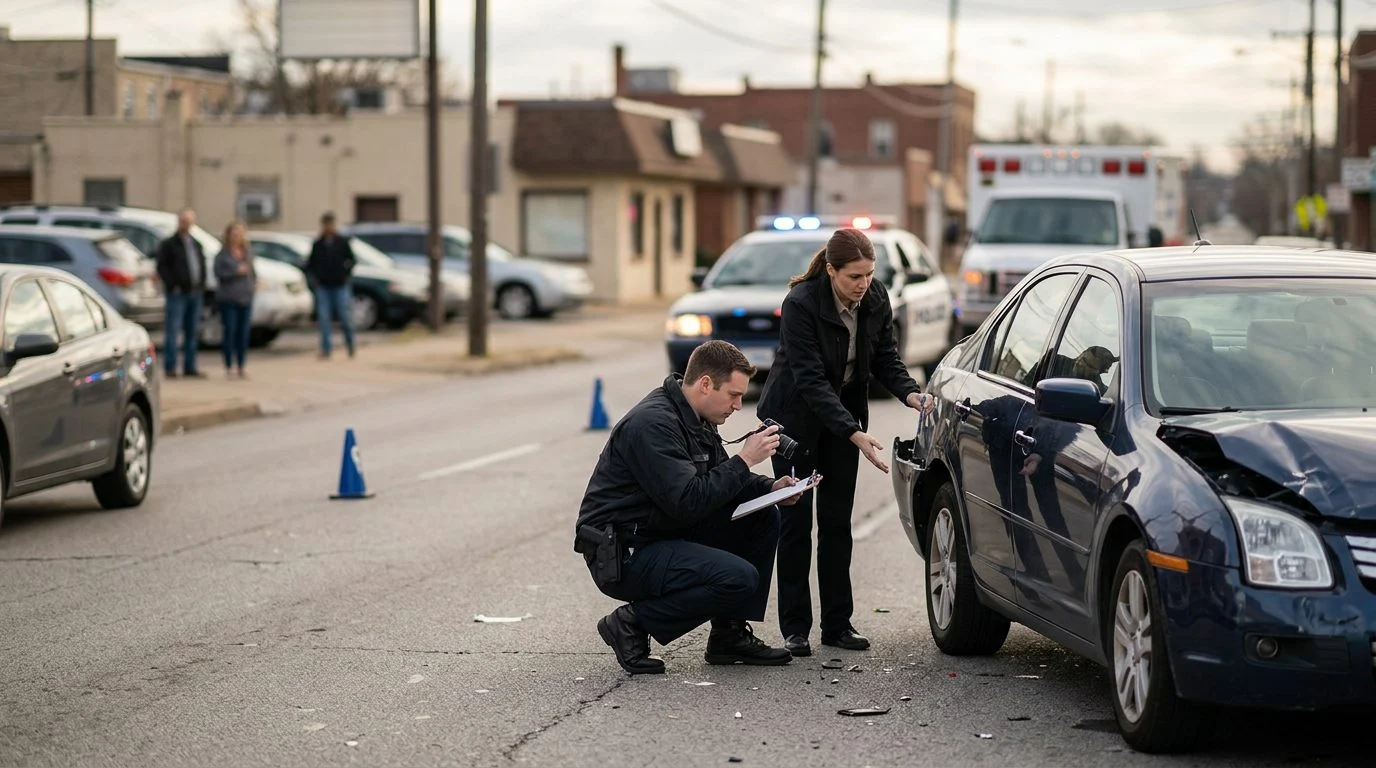
Car Accident Claims in West Virginia
Hurt by a Driver Who Was on the Job? Your Claim May Reach the Employer.
Big Bubba represents people injured in car and commercial vehicle crashes across West Virginia, including claims that may involve the company the driver worked for.
Published November 8, 2026
Sometimes, a car accident claim against driver’s employer West Virginia may be possible, especially when the driver was doing a job task at the time of the crash. Whether it applies turns on why the driver was on the road and how the employer controlled the trip. This guide explains the main questions in plain terms, from who may be responsible to the evidence that often matters.
What a Claim Against the Driver’s Employer Involves
A claim against the employer is a separate question from a claim against the driver. The driver may be responsible for the crash, and the employer may also be part of the claim. The answers can differ, so each question needs its own review.
Many of these crashes involve a company car, a work truck, or a delivery van. Service technicians, sales staff, and drivers running errands for a business often fall into this group. W. Va. Code § 55-7-32 defines “employer defendant” in certain commercial vehicle cases. The definition can include the vehicle’s owner, the operator’s employer, and others with legal control over the vehicle.
An employer claim is one path among several. It does not fit every crash. The employer’s insurance may also shape how the claim is handled, and some insurers may dispute a claim.
If a work vehicle was part of your crash, you may have a claim worth reviewing, and the firm can look at your situation through a free case review. Talk it through with Big Bubba — the first case review is free, confidential, and carries no obligation.
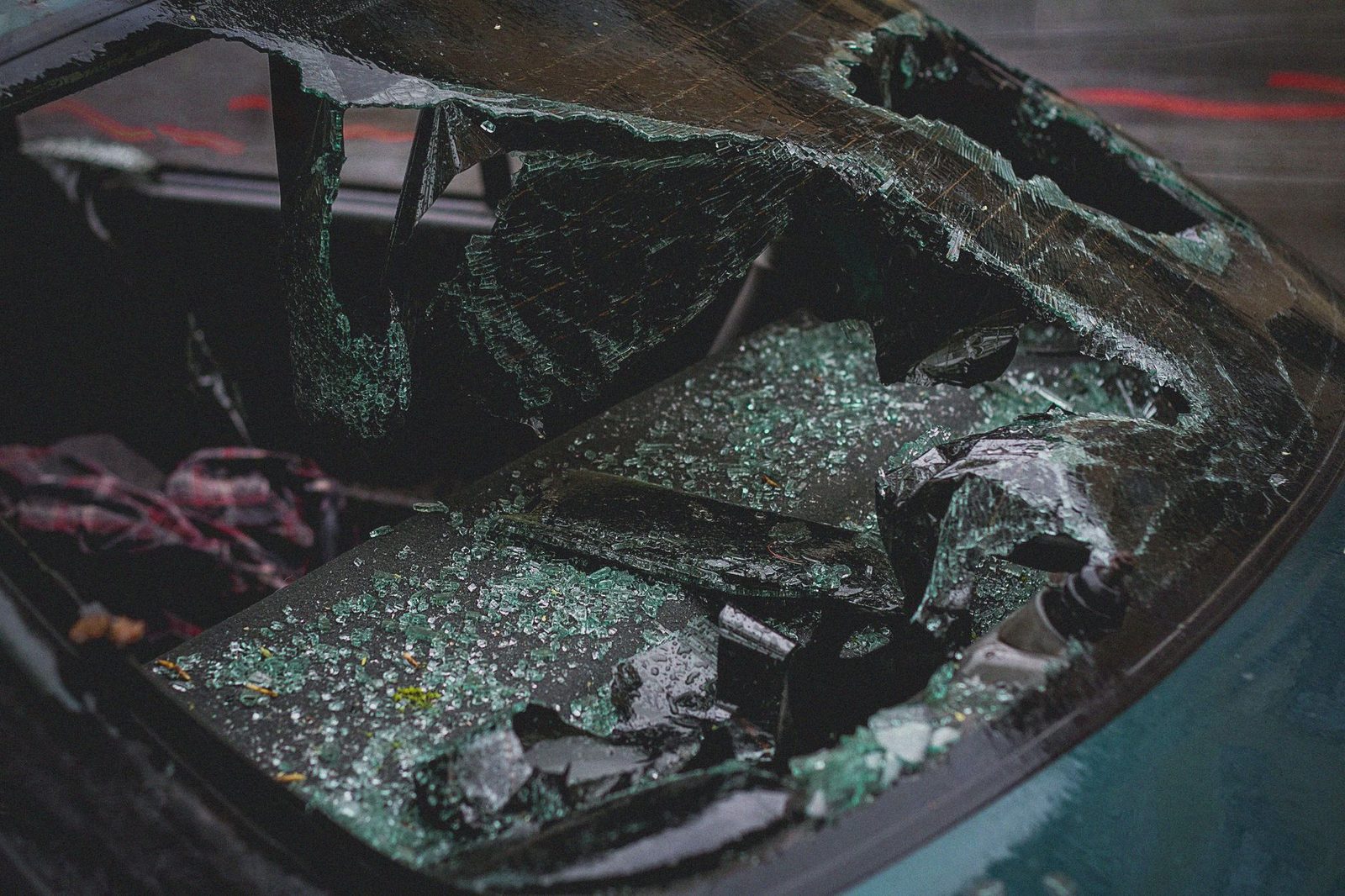
When an Employer May Be Held Responsible
An employer may be held responsible when a worker causes a crash while doing the job. In general terms, a business may answer for harm caused by a worker acting within the scope of work. Some legal discussions use the term vicarious liability for this idea.
Questions about whether a driver was doing work at the time may be relevant in these cases. Other questions may also be relevant, such as who assigned the trip, what route or schedule the employer set, and whether the trip served the business.
In a car accident claim against driver’s employer West Virginia, the employer’s own decisions can matter too. A negligent hiring claim is one way an employer’s own choices may be examined in some crashes. Depending on the facts, questions may also come up about the choices an employer made about a worker it kept on the job.
Facts that may matter include driving records, training, prior complaints, vehicle maintenance, and schedules that pushed drivers to hurry. Some claims may not succeed, and the outcome turns on the specific record.
Work Trips, Company Vehicles, and Commercial Trucks
Whether a work trip falls within the scope of a job can be a fact-specific question. Delivery runs and service calls usually involve clear work tasks. Commuting and personal detours may raise harder questions about whether the driver was still working.
The purpose of the trip, the schedule, and whether the business benefited from it may be relevant questions. Each trip has its own record, and the record can point in different directions.
Commercial vehicles and heavy trucks often fall under additional federal and state rules. Those rules can bring more records into play, including driver files, maintenance logs, and testing results. The firm handles truck accident and commercial vehicle accident claims across West Virginia, along with car accident claims that involve work vehicles.
Evidence That Often Matters in These Claims
The evidence that matters most is often the evidence that disappears first. Gathering these items early can help protect a claim. Key items include:
- The police crash report, which may list the driver, the vehicle owner, and any employer.
- Company names, logos, or phone numbers on the vehicle.
- Dispatch records, delivery logs, GPS or telematics data, and driver schedules.
- Photos, witness names, dashcam video, and damage to the vehicle.
Federal rules set how long some records must be kept. For example, driver qualification file rules generally require a carrier to keep a driver’s file while the driver works there and for three years after.
After certain commercial crashes, post-accident testing rules may require employers to test surviving drivers for alcohol. Those rules set time limits, such as two hours and eight hours. Routine schedules can overwrite data, so early requests to preserve records may matter.
Injuries and Losses in Serious Crashes
Serious crashes can cause losses that build over time. Medical records usually carry the most weight in showing a person’s condition.
- Brain injuries. Symptoms may appear days or weeks after a crash, so follow-up care and records matter.
- Spinal cord injuries. These may affect movement, feeling, and daily tasks. Ongoing care may become part of the record.
- Wrongful death. When a crash causes a death, the family may have a claim. Under W. Va. Code § 55-7-6, a wrongful death action is generally brought by the decedent’s personal representative. Damages may include sorrow and mental anguish, lost income and services, care expenses, and funeral expenses.
Common documented losses include lost wages, medical bills, and changes in daily life. The amount a person may recover turns on the facts of the case. If Medicare paid for accident care, questions about how a settlement is handled may arise, and the CMS overview of coordination of benefits gives general background.
How the Process Typically Unfolds
Most claims move through medical care, investigation, a demand to the insurer, and then negotiation or a lawsuit. The steps below show the usual order, though not every case follows it.
- Medical care and records. Follow-up care creates the record that supports the injury.
- Identify the parties. Find the driver, the vehicle owner, any employer, and the insurers. Gather the crash report.
- Investigate and preserve evidence. Requests to the employer and insurers may be sent early, where appropriate.
- Evaluate fault and losses. Review how fault may be shared and which losses are documented.
- Negotiate or file. A demand may lead to negotiation and, if needed, a lawsuit. Each stage can take a different amount of time.
Under W. Va. Code § 55-7-13c, a plaintiff’s own fault may reduce recovery. It may bar recovery only when that fault is greater than the combined fault of others. W. Va. Code § 55-7-13c reads: “(c) Any fault chargeable to the plaintiff shall not bar recovery by the plaintiff unless the plaintiff’s fault is greater than the combined fault of all other persons responsible for the total amount of damages, if any, to be awarded.” West Virginia generally allows two years to file a personal injury claim under W. Va. Code § 55-2-12, and exceptions may apply.
Not sure what your next step is?
Talk it through with Big Bubba — the first case review is free, confidential, and carries no obligation.
Frequently Asked Questions
Can I make a claim against the employer if the driver was at fault?
It may be possible when the driver was acting within the scope of the job. The answer turns on the facts of the trip.
What if the driver was on a personal errand?
The answer may turn on the purpose of the trip and how much the employer controlled it. A personal errand may raise different questions than a work task.
Do I need the police report?
The crash report is commonly used as a starting record. It may help identify the driver, the vehicle owner, and any employer.
Where does a settlement usually come from?
It usually comes from the responsible insurer or insurers. Coverage can vary from one crash to the next.
Can family members bring a claim after a fatal crash?
It generally must begin within two years of the death, and exceptions may apply (W. Va. Code § 55-7-6).

If a Work Vehicle Was Involved
If a work vehicle was involved, the employer may be relevant to the claim. Evidence can disappear over time, and filing deadlines may apply. Keep medical records, the crash report, and any photos in one place.
You may be reading this while recovering from an injury, or while trying to help a family member who was hurt or killed. That is a hard place to make decisions. If a crash involving a company vehicle has left you with unanswered questions about who may be responsible, the firm can review your situation. Request a free case review and tell Big Bubba what happened.
The firm handles car accident, truck accident, commercial vehicle, catastrophic injury, traumatic brain injury, spinal cord injury, and wrongful death matters across West Virginia.