
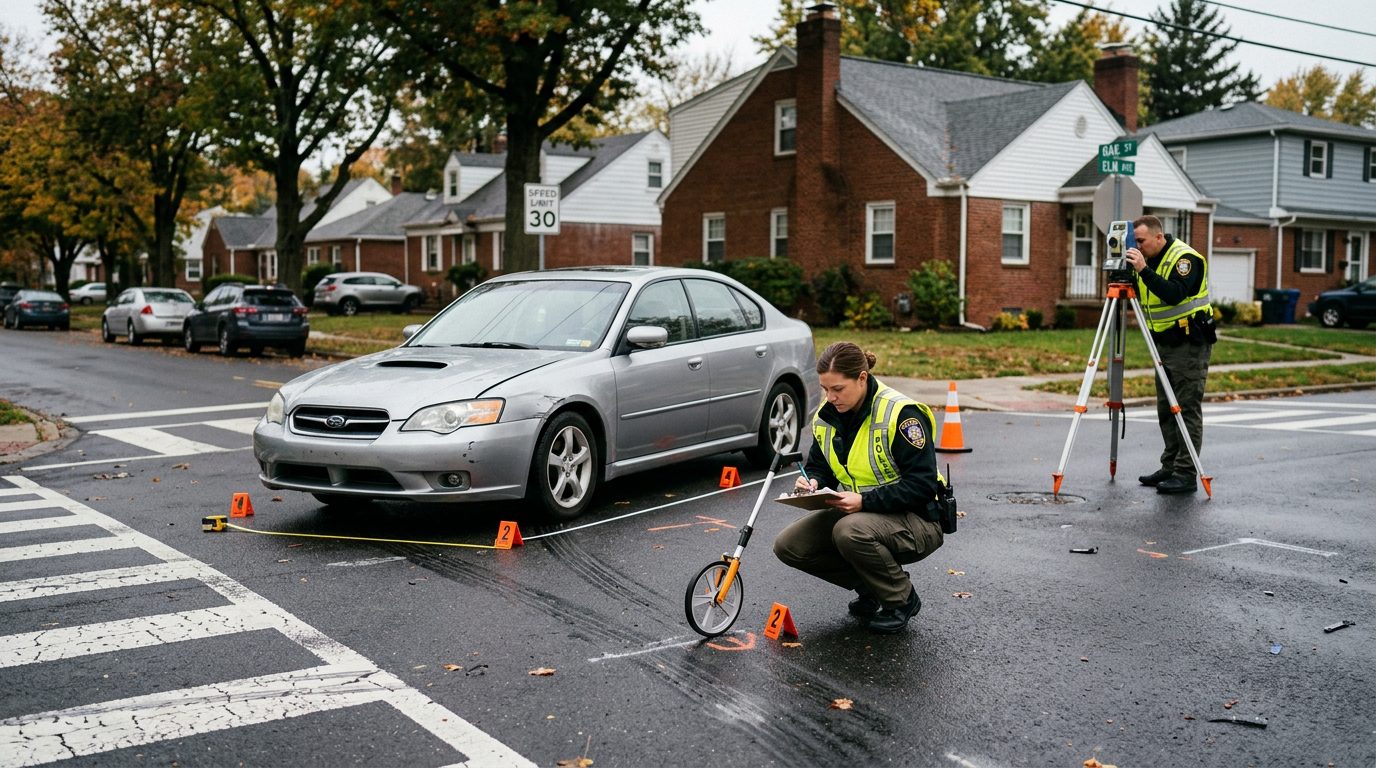
Clarksburg, West Virginia | Traumatic Brain Injury
Serving Clarksburg Injury Victims After a Brain Injury in a Car Accident
A head injury can change your memory, your work, and your family's daily life. Big Bubba Injury Law represents people seriously hurt in car crashes across West Virginia. Tell us what happened and we will talk through your situation in a free case review.
Published October 23, 2026
Clarksburg Traumatic Brain Injury Car Accident Lawyer
If you were hurt in a traumatic brain injury car accident in Clarksburg West Virginia, you may be dealing with symptoms you did not expect. A brain injury is damage to the brain caused by a sudden blow, jolt, or force to the head. Some people do not notice these symptoms until days after a crash. This guide explains what these injuries are, what to watch for, and how the firm works with injured people and families. We serve Clarksburg and Harrison County injury victims across West Virginia.
If a Clarksburg-area crash has left you or a loved one with memory trouble or headaches, you do not have to figure out the next step alone; request a free case review. Talk it through with Big Bubba — the first case review is free, confidential, and carries no obligation.
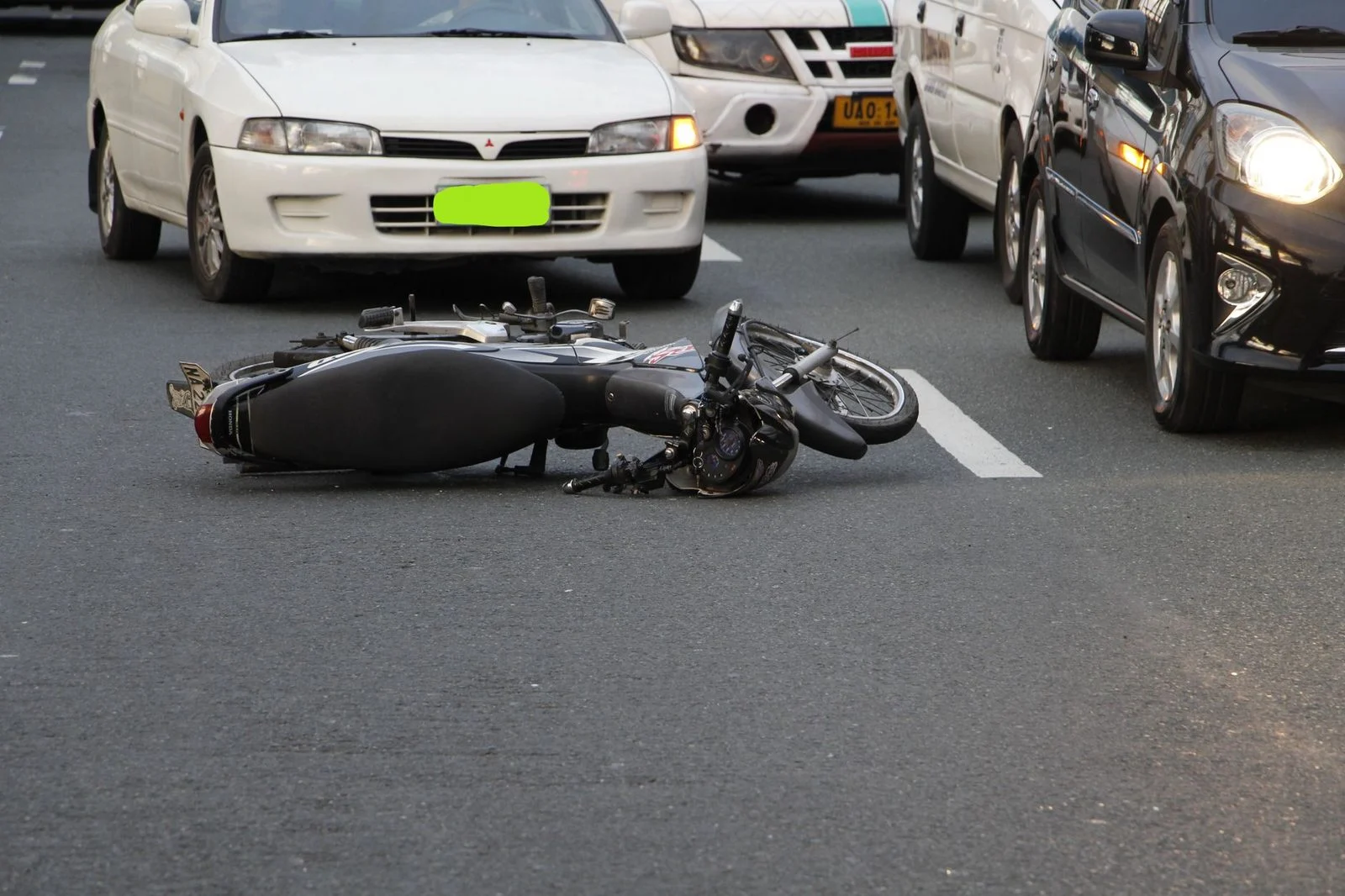
What Is a Traumatic Brain Injury From a Car Accident?
A traumatic brain injury, or TBI, is an injury that damages the brain from an outside force. According to the Administration for Community Living, automobile accidents can cause traumatic brain injuries.
Brain injuries range from mild concussions to severe injuries. A crash that looks minor can still cause a serious brain injury. Severity does not always match how the crash looked, so every symptom deserves a close look.
This page is written for drivers, passengers, pedestrians, and families of people hurt in Clarksburg and Harrison County crashes. It covers car crashes and crashes involving commercial trucks.
What Symptoms Can Show Up Later?
Brain injury symptoms do not always appear right away. Some people notice changes days or weeks after the crash.
Physical symptoms often include:
- Headaches
- Dizziness or balance problems
- Nausea
- Sensitivity to light or noise
- Changes in sleep
Thinking and mood symptoms can include:
- Memory lapses
- Trouble concentrating
- Slowed thinking
- Irritability or mood swings
A scan that looks normal does not always mean the brain was not injured. Ask your treating doctor which tests fit your symptoms. Get evaluated soon after the crash, even if symptoms seem mild. Keep a daily symptom journal with dates and times. Medical decisions belong to your treating providers, so follow their advice.
What Types of Crashes Does the Firm Handle?
The firm handles car accidents, truck accidents, and other commercial vehicle crashes that cause serious injuries or death.
- Passenger car and SUV crashes, including intersection and rear-end collisions
- Commercial truck crashes, which can involve the driver, the trucking company, and others
- Catastrophic injuries, such as brain and spinal cord injuries that need long-term care
- Wrongful death claims for families after a fatal crash
Commercial cases often involve more parties and more records. Federal safety rules for commercial vehicles are published in the Federal Motor Carrier Safety Regulations.
What Evidence Matters in a Brain Injury Claim?
The strongest claims rely on records that show the injury and how it changed daily life. Start gathering evidence early.
- Emergency room, hospital, and imaging records, including CT and MRI reports
- Neurology, cognitive testing, and rehabilitation notes
- The crash report number, photos, vehicle damage, and witness names
- Work records, missed pay, and a family member’s written account of changes in memory, behavior, and daily tasks
People often make three mistakes. They wait to see a doctor, miss follow-up visits, or post about the crash online. Gaps in care can make it harder to connect symptoms to the crash later.
How Does a Brain Injury Claim Work, Step by Step?
A traumatic brain injury car accident claim usually moves through four stages. These are a free case review, records gathering, medical evaluation, and a claim to the insurer.
- Free case review. The firm listens to what happened, reviews early records, and explains possible next steps.
- Investigation. The firm collects crash reports, medical records, and insurance information.
- Medical evaluation. Treating providers document the injury. The firm records how it affects work and home life.
- Claim and negotiation. The firm presents the claim to the responsible insurer. If a fair resolution is not reached, filing a lawsuit may be the next step.
Timelines vary widely. Brain injury cases often take longer because recovery must be understood before the full effects are known.
Not sure what your next step is?
Talk it through with Big Bubba — the first case review is free, confidential, and carries no obligation.
Serving Clarksburg and Harrison County Injury Victims
We serve Clarksburg and Harrison County injury victims and families across West Virginia. Crashes on busy routes such as Interstate 79 and U.S. Route 50 can involve passenger vehicles and commercial trucks at the same time.
West Virginia generally allows two years to file a personal injury claim under § 55-2-12. W. Va. Code § 55-7-6 reads: “The provisions of this section shall not apply to actions brought for the death of any person occurring prior to July 1, 1988.”
Under W. Va. Code § 55-7-13a, recovery in a West Virginia personal injury or wrongful death case is based on comparative fault, and responsibility is divided among everyone who caused the harm, including the injured person, in direct proportion to each person’s percentage of fault. Under § 55-7-13c, your fault does not bar recovery unless it is greater than the combined fault of all others. W. Va. Code § 55-7-13c reads: “(c) Any fault chargeable to the plaintiff shall not bar recovery by the plaintiff unless the plaintiff’s fault is greater than the combined fault of all other persons responsible for the total amount of damages, if any, to be awarded.”
What Questions Do Families Ask About Brain Injury Claims?
Many questions depend on the facts of the crash and the medical records. These are common questions people ask in general terms.
Can I still have a claim if symptoms started days after the crash?
Yes, a later start does not automatically end a claim. Medical records show when care began and what was documented.
Do I need to be hospitalized for a brain injury claim?
No. Many people with concussions are checked and sent home, and those records can still matter.
Can a family bring a claim after a fatal crash involving a brain injury?
Yes. West Virginia law requires a wrongful death action to be brought by the deceased person’s personal representative, on behalf of the family.
Can a brain injury affect my ability to get help at home or disability benefits?
Yes, these programs may be relevant. West Virginia’s Traumatic Brain Injury Waiver describes home-based support with eligibility requirements.
What should I gather before I reach out?
Keep your crash report number, appointment notes, insurance information, and your symptom journal.
Talk to the Firm About Your Clarksburg Brain Injury Case
If a loved one has struggled with memory, headaches, or personality changes since a Clarksburg-area crash, you do not have to sort out the next step alone. Tell Big Bubba what happened and what symptoms you have noticed through our contact page, and request a free case review to talk through the records to gather.