
Truck Accident Cases
How Long Does It Take to Settle a Truck Accident Case?
Every case moves at its own pace. Here's what affects the timeline and what you can do to keep things moving forward.
Published October 02, 2026
How Long Does It Take to Settle a Truck Accident Case?
Truck accident settlements typically take anywhere from several months to two or more years, depending on the severity of injuries, clarity of fault, and how many parties and insurers are involved. There’s no fixed timeline—each case moves at its own pace based on the specific facts, the responsiveness of the insurance company, and whether medical treatment is still ongoing or complete.
Unlike a straightforward car accident, truck cases are inherently more complex because they involve federal regulations, multiple insurance policies, and often catastrophic injuries. Understanding what influences your timeline can help you prepare for the road ahead without false expectations.

Not sure what your next step is?
Talk it through with our team — the first case review is free, confidential, and carries no obligation.
The typical range for truck accident settlements
Most truck accident cases settle within a range of six months to two years, though some resolve faster and others take longer. Simple cases—where liability is clear, injuries are moderate, and only two or three parties are involved—may settle within three to six months. More complicated cases, especially those involving catastrophic injuries or disputes over who was at fault, often take a year or more.
It’s important to understand that settlement is different from filing a lawsuit. Settlement can happen at any stage: before you file a claim, while negotiations are ongoing, or even during litigation. The timeline depends on whether both sides reach agreement and how quickly they do.
Factors that influence how long your case takes
Several concrete factors shape how fast—or slowly—your case moves:
Severity of injuries. Catastrophic injuries like spinal cord damage, traumatic brain injury, or wrongful death require extensive medical documentation, expert analysis, and careful calculation of lifetime care costs. These cases naturally take longer because the stakes are higher and insurers investigate more thoroughly.
Clarity of liability. If it’s obvious who caused the accident, settlement talks can begin sooner. But if fault is disputed—for example, if the trucking company claims the other driver was responsible—negotiations stretch out while evidence is gathered and analyzed.
Number of parties involved. A commercial truck accident often involves the truck driver, the trucking company, the cargo company, and multiple insurance policies. Each party has its own interests, and disputes between them can delay resolution significantly.
Insurance company responsiveness. Some insurers move quickly to settle and avoid litigation costs. Others use delay tactics, betting that injured people will accept lower offers under financial pressure. An attorney can handle communication with the insurer and keep your claim moving, though no one can promise how quickly an insurer will respond.
Medical treatment status. Settlement discussions often pause until your medical care is complete or has stabilized. Settling before you know the full extent of your injuries can leave you without compensation for future treatment and ongoing effects.
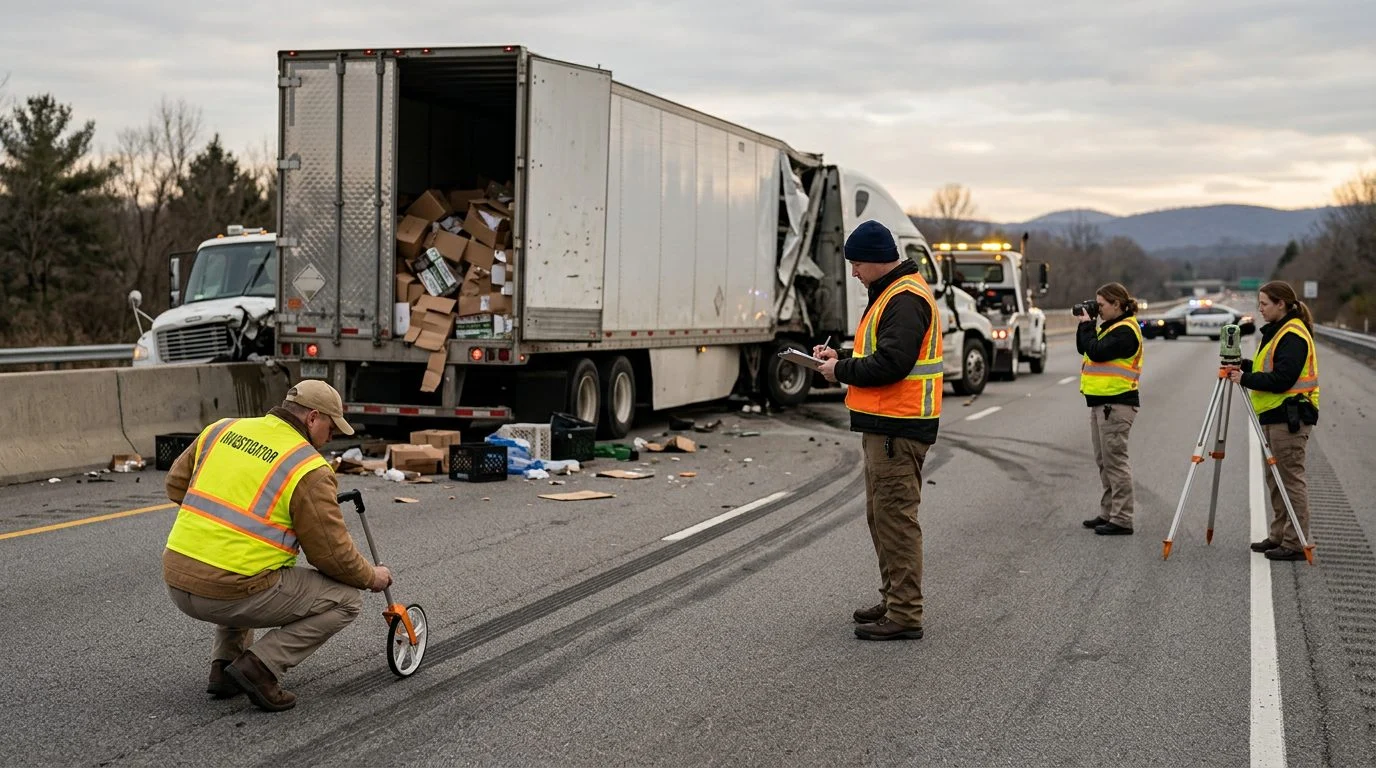
Evidence collection. Truck accident cases require accident reconstruction, black box data from the truck’s electronic logging device, driver logs, maintenance records, and compliance with federal hours-of-service regulations. Gathering and analyzing this evidence takes time but is essential to establishing liability and fair compensation.
The settlement process: what happens and when
Understanding the stages of settlement can help you anticipate what’s coming:
Investigation phase (weeks to months). Your attorney gathers medical records, accident reports, witness statements, and expert analysis. For truck cases, this includes obtaining the truck’s maintenance records and driver qualification files, which federal regulations require trucking companies to maintain.
Demand letter (days to weeks). Your attorney presents the case to the insurance company, explaining liability, injuries, and damages. The insurer responds with their position.
Negotiation (weeks to months). Back-and-forth discussions happen between your attorney and the insurance company. This is where most cases settle—through give-and-take, not through agreement on the first offer.
Settlement agreement (weeks). If both sides agree, paperwork is prepared, reviewed, and signed. Payment follows once the agreement is finalized; ask your attorney what timing to expect in your case.
Litigation (months to years). If no settlement is reached, the case goes to court. This adds significant time but sometimes results in better outcomes than a low settlement offer.
Why truck accident cases take longer than car accidents
Truck accidents are fundamentally different from car accidents in ways that extend settlement timelines:
Federal regulations. Commercial trucks are subject to federal motor carrier safety regulations governing driver hours, vehicle maintenance, and driver qualifications. Investigation of these compliance issues is mandatory in serious truck cases and takes time.
Multiple insurance policies. A trucking company carries commercial liability insurance, and disputes over coverage and responsibility between insurers can delay settlement. A car accident typically involves one or two insurance policies.
Catastrophic injuries are common. Truck accidents often result in severe injuries because of the size and weight of commercial vehicles. Serious injuries mean higher stakes, more investigation by insurers, and longer negotiation periods.
Liability is frequently contested. Trucking companies and their insurers often dispute fault more aggressively than standard car accident defendants, knowing that liability in a truck case often leads to substantial claims.
Have questions about what happened?
Ask our team directly. The first conversation is free, confidential, and there is no obligation to continue.
Insurance company tactics and willingness to negotiate
Insurance companies have different strategies. Some settle quickly to control costs. Others delay, hoping you’ll run out of savings and accept a lower offer. Some request endless medical records or demand independent medical exams to slow things down.
Your attorney’s role is to push back against these tactics, keep the case moving, and protect your interests. Having legal representation often speeds settlement because insurers know you won’t accept an unfair offer and you’re prepared to go to trial if necessary.
What you can do to keep your case moving
While your attorney handles the legal work, you can help move things along:
- Follow medical treatment. Complete recommended therapy, attend appointments, and keep detailed records. Gaps in treatment give insurers reasons to argue your injuries aren’t serious.
- Respond promptly to your attorney’s requests for information and documentation.
- Avoid social media. Don’t post about your accident, injuries, or daily activities. Insurance companies monitor social media and use posts against injured people.
- Document everything. Keep records of medical bills, lost wages, transportation costs, and other expenses related to your injuries.
- Stay in touch with your attorney about any changes in your condition or circumstances that might affect your case.
When settlement isn’t reached: going to court
If the insurance company refuses a fair offer, your case may proceed to trial. Litigation adds months or years to your timeline, but sometimes results in better outcomes than accepting a low settlement.
Your attorney will advise whether settlement or trial makes sense for your specific situation. Court timelines depend on the court’s schedule and case complexity, but you should expect the process to take considerably longer.

FAQ
Can I speed up my truck accident settlement?
You can’t control the insurance company’s pace, but you can help by responding quickly to your attorney’s requests, following medical treatment, and keeping good records. Having strong legal representation often encourages insurers to settle faster.
What if my truck accident case goes to trial?
Trial adds months or years to your timeline, but it may result in a better outcome if the insurance company’s offer is too low. Your attorney will advise whether trial or settlement makes sense for your case.
Does the severity of my injuries affect how long settlement takes?
Yes. Catastrophic injuries like spinal cord damage or traumatic brain injury require more investigation, expert analysis, and negotiation, so these cases typically take longer than minor-injury cases.
Can I settle before my medical treatment is complete?
You can, but it’s usually not advisable. Settling early may leave you without compensation for future treatment, ongoing care, or long-term effects of your injuries.
Why do truck accidents take longer to settle than car accidents?
Truck cases involve federal regulations, multiple insurance policies, and often catastrophic injuries. These factors require more investigation and negotiation than typical car accident cases.
If you’re navigating a serious truck accident and wondering what the next steps look like—or if you’re trying to understand how long your recovery and claim might take—we’re here to talk through your situation. Get in touch with Big Bubba for a case review, and we can walk you through what to expect.
What Affects Your Settlement Timeline
Injury Severity
Catastrophic injuries—traumatic brain injury, spinal cord damage, severe burns—often require longer medical treatment and evaluation before a fair settlement value can be determined. Your doctors need time to assess your long-term prognosis.
Medical Treatment
It is often worth understanding the full extent of your injuries and future care needs before negotiating a settlement. Settling too early can leave you without compensation for ongoing care. Your attorney will advise you on the right timing.
Insurance Company Response
Some insurers move quickly; others drag their feet. A commercial truck accident often involves multiple insurance policies and liable parties, which adds complexity and time.
Liability and Evidence
Clear liability settles faster. Disputed fault, missing evidence, or conflicting witness accounts require more investigation and negotiation—and sometimes litigation.
Want to know where you stand?
Tell us what happened and our team will walk you through the options available to you, at no cost.
How Big Bubba Keeps Your Case Moving
Early Investigation
We gather evidence, interview witnesses, and document the scene while details are fresh. A thorough record early on often speeds settlement talks.
Medical Coordination
We work with your doctors to track your treatment and recovery, so we have clear documentation of your injuries and prognosis when we negotiate.
Direct Communication
We handle all contact with insurance companies and opposing counsel, so you can focus on healing. We keep you informed every step of the way.
Prepared for Trial
We prepare each case as if it may go to court.
Don't Settle Too Fast
Pressure to close a case quickly can leave you with far less than you deserve. A truck accident—especially one causing catastrophic injury or wrongful death—deserves thorough investigation and honest negotiation. Your attorney will advise you on when the time is right.
Common Questions About Settlement Timing
Can I speed up my truck accident settlement?
You can't control the insurance company's pace, but you can help by responding quickly to your attorney's requests, following medical treatment, and keeping good records. Having strong legal representation often encourages insurers to move forward.
What if my truck accident case goes to trial?
Trial adds months or years to your timeline. Many cases resolve before trial, but some don’t. Your attorney will be honest about whether litigation is necessary to get you fair compensation.
How long after a truck accident should I hire an attorney?
The sooner the better. Early legal representation protects your rights, preserves evidence, and often leads to faster resolution. Delays can hurt your case.
Will I have to pay upfront costs while my case is pending?
We work on a no-fee basis—no fees unless there is a recovery. However, you are responsible for court costs and case expenses. We'll discuss those with you upfront.
Ready to Move Forward?
Related practice areas
- Truck Accident Claims in West Virginia | Big Bubba Legal