
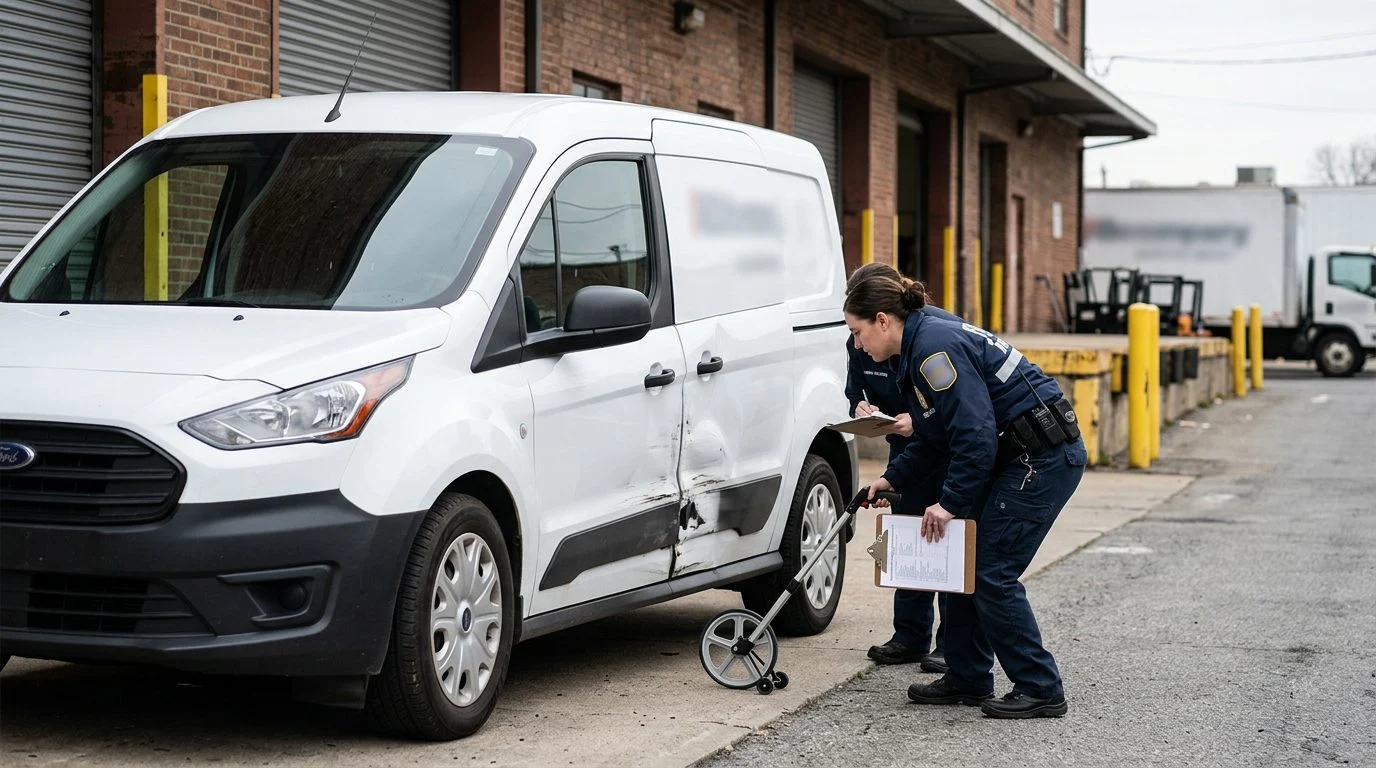
West Virginia Car and Truck Crash Claims
When the At-Fault Driver Carries Only Minimum Insurance
A state minimum policy may not cover the full cost of a serious crash. Big Bubba Injury Law helps injured people and families across West Virginia understand what other sources may be available.
Published October 26, 2026
What if the at-fault driver only has minimum insurance West Virginia requires? The short answer is that the claim may not end at that policy. The state minimum is small compared with a serious crash. Other sources of coverage may matter, and other people may share responsibility. This page explains what those sources are and how they work.
What Minimum Auto Insurance Looks Like in West Virginia
West Virginia requires drivers to carry liability insurance of at least $25,000 for one injured person. It also requires $50,000 for two or more people hurt in one accident, and $25,000 for property damage. The state sets these amounts as proof of financial responsibility under W. Va. Code § 17d-4-2.
Each number has a plain meaning. The first $25,000 is the most the policy must pay for injury or death to one person in one accident. The $40,000 applies when two or more people are hurt in the same crash, still subject to the one-person limit. The last $10,000 covers damage to other people’s property, such as a car or a fence.
These limits pay the people the driver hurt. That means the at-fault driver’s policy may be small compared with a catastrophic loss. Policies in effect on December 31, 2015, at the older minimums can continue until they expire or renew.
If a crash left you or someone you love with a serious injury, and the at-fault driver has only the minimum policy, we can review every policy that may apply. Talk it through with Big Bubba — the first case review is free, confidential, and carries no obligation.

Why a Catastrophic Injury Can Exceed Those Limits
A catastrophic injury can create losses that go well past $25,000 for one person. The bills often start in the emergency room. They can grow into surgeries, hospital stays, and months or years of rehabilitation. Some people need wheelchairs, braces, or other equipment. Others need changes to their home or ongoing help with daily tasks.
Lost income is often one of the largest losses. A person with a brain or spinal cord injury may not be able to return to the same job, or to work at all. The loss of earning ability can last far longer than the hospital stay. That is why a per-person limit of $25,000 may not cover the full loss.
Those are the questions a family should ask early, before the minimum policy becomes the only focus.
How Fault Determines Which Insurance Responds
In most crashes, a claim is made against the driver found responsible and that driver’s liability insurance. Fault is decided from evidence. That evidence can include the crash report, witness statements, vehicle damage, and traffic laws. How fault is sorted out depends on the facts of each crash.
West Virginia uses a modified comparative fault rule, which means shared fault. Under W. Va. Code § 55-7-13c, an injured person’s fault does not bar recovery unless it is greater than the combined fault of everyone else responsible. If it is smaller, the recovery is reduced by the injured person’s share.
Each defendant is generally responsible only for its own share of fault. That rule is called several liability. The same statute makes a defendant jointly and severally liable when driving under the influence is a proximate cause of the harm. In that case, the defendant can be held responsible for the full damages.
Whether a finding of fault leads to compensation depends on the policy terms, coverage limits, exclusions, and the state rules on fault and damages. Coverage is not limited to the state minimum policy alone.
Excess and Umbrella Policies on the At-Fault Driver
Some drivers carry liability coverage above the state minimum. They do this through an excess or umbrella policy. These policies sit above the primary auto policy. They can add limits when a serious injury goes beyond the primary policy.
A serious crash can prompt a review of whether any extra policy applies. The answer comes from the driver’s policy declarations, which list the coverage limits, and from the insurer’s records. Some drivers do not know whether they have an umbrella policy, so the question is worth asking early.
When more than one policy applies to the same crash, a claim may go to more than one insurer. Each policy has its own terms, limits, and conditions. Reading each one carefully helps show what is really available.
Coverage Under the Injured Person’s Own Policy
The injured person’s own auto policy may include coverage that responds when the at-fault driver’s limits are not enough. This is usually called uninsured or underinsured motorist coverage. The firm covers that coverage in more detail on its separate resources, so this page keeps it brief.
Whether this coverage applies depends on the policy language, the policy limits, and any household or vehicle-specific terms. The wording of the policy controls, so the exact text matters.
Gather the policy, its declarations page, and any letters from insurers after the crash. Those documents show what coverage was in place on the date of the crash.
Commercial Trucks and Vehicles Often Carry Different Insurance
Commercial trucks are usually insured under business policies, not a personal auto policy. Federal rules set higher minimums for many commercial carriers. Under 49 C.F.R. § 387.9, for-hire interstate carriage of nonhazardous property in trucks rated at 10,001 pounds or more starts at $750,000 in public liability. The schedule that applies turns on the type of carriage and the cargo.
A motor carrier may not operate until it has the required coverage in effect, under 49 C.F.R. § 387.7. Proof of that coverage is kept at the carrier’s principal place of business. It is usually shown on Form MCS-90 or Form MCS-82.
Cargo matters too. The West Virginia Division of Motor Vehicles states that unsecured cargo can cause serious or catastrophic crashes and injuries.
Not sure what your next step is?
Talk it through with Big Bubba — the first case review is free, confidential, and carries no obligation.
Other Parties Who May Share Responsibility
Other people may share responsibility in some crashes. Examples include a vehicle owner or an employer.
A defendant can also point to a nonparty who was at fault. Under W. Va. Code § 55-7-13d, a defending party may give notice that a nonparty was wholly or partially at fault no later than one hundred eighty days after service of process upon that defendant, and fault of a nonparty is considered when such notice is given. Any recovery is then reduced by the nonparty’s share. This makes it important to identify every party early.
Government vehicles follow different rules. Under W. Va. Code § 29-12a-4, a political subdivision can be liable for injury caused by the negligent operation of a vehicle by its employees within the scope of their work. Claims about road conditions against a government entity also have their own process, which the firm covers on a separate page.
When the Claim Involves a Wrongful Death
When a crash causes a death, the claim is brought for the family under West Virginia’s wrongful death law. The action is brought by the personal representative of the person who died, as described in W. Va. Code § 55-7-6. The same insurance questions apply, including which policies exist and who is responsible.
The damages can include sorrow, mental anguish, and loss of companionship. They can also include lost income and services the person provided, medical care for the injury, and funeral bills. Damages go to survivors such as a spouse, children, parents, or others who depended on the person who died.
Some people die weeks after a crash. Under W. Va. Code § 55-7-8, an injury action does not end when the person dies. It may be revived in the name of the personal representative. A separate claim can also cover harm between the injury and the death, where not otherwise provided for in the wrongful death sections, and it must be joined in the same proceeding. The timing of the death can affect how the claim is handled.
Time Limits and Steps to Protect a Claim
West Virginia generally allows two years to file a personal injury lawsuit. That rule appears in W. Va. Code § 55-2-12. A wrongful death action generally must start within two years after the death under W. Va. Code § 55-7-6, while W. Va. Code § 55-2-12 sets two years for personal injury and one year for other matters that could not have been brought at common law by or against a personal representative. Claims against a political subdivision generally carry a two-year limit as well, under W. Va. Code § 29-12a-6. Other deadlines and notice rules may apply to certain claims, so early action matters.
Several steps protect a claim. Get medical care and follow the treatment plan. Keep every medical record and bill. Keep the crash report and photos from the scene. Save records of vehicle damage and any towing. Write down the names and contact details of witnesses. Keep a record of lost work and missed pay.
Early evidence also helps identify every source of coverage. The crash report, the other driver’s insurance information, and the policy details can point to policies that may apply beyond the minimum.
How Large Recoveries Can Be Paid Over Time
Some injury recoveries can be paid through a structured settlement instead of one lump sum. A structured settlement spreads payments over a set period. Families of people with long-term needs often ask about this option.
The form of payment is a separate question from how much coverage exists. A policy limit answers the coverage question. Payment terms are a different matter and are discussed case by case. The firm covers structured settlements after catastrophic injury on a separate page.
Whether that approach fits a particular claim is a question for a case review. The review looks at the injury, the coverage, and the family’s needs.
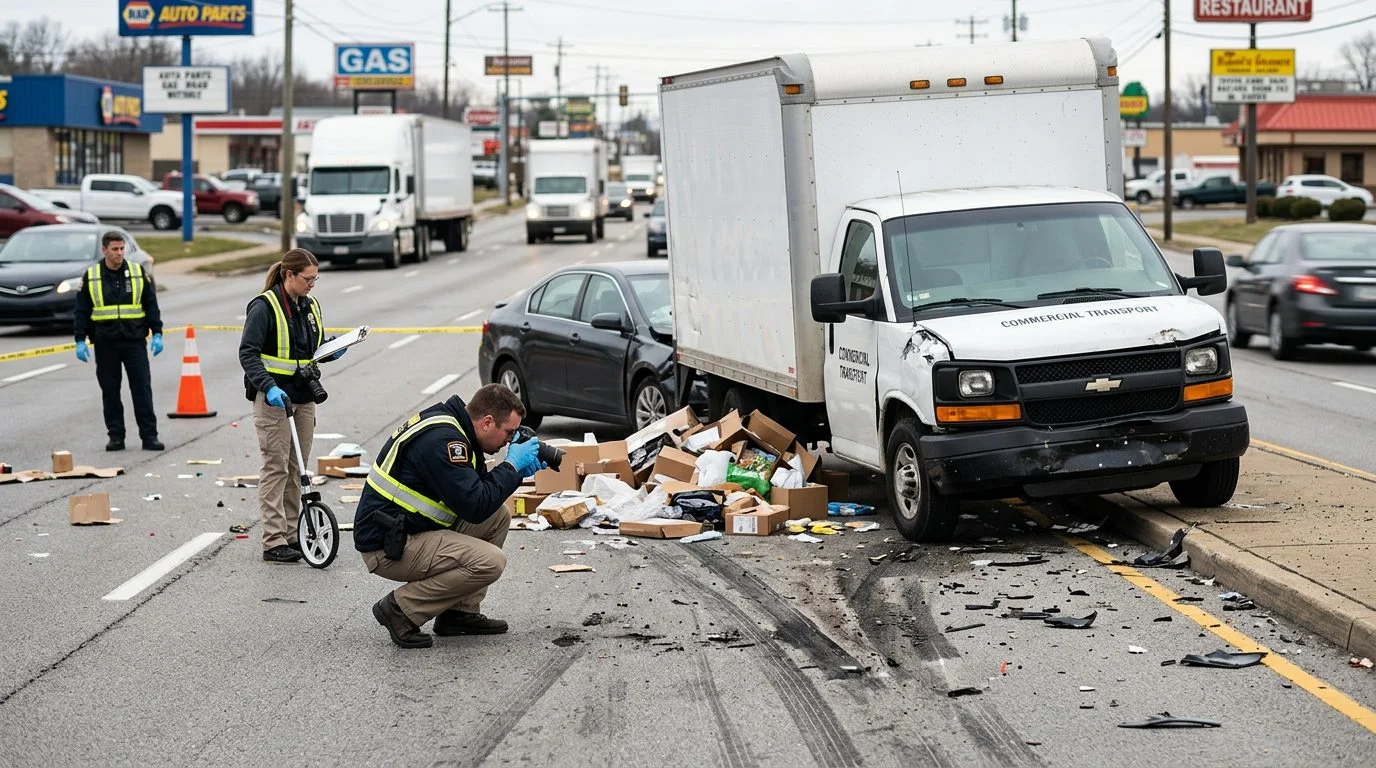
Looking at Every Policy That May Apply
A free case review can look at every policy that may apply to a crash, not only the state minimum. It can review the at-fault driver’s policies, any excess or umbrella coverage, the injured person’s own policy, and any commercial coverage that may apply.
What is in a free case review? It covers the crash facts, the policies involved, the people who may share responsibility, and the deadlines that apply.
What if the at-fault driver only has minimum insurance West Virginia requires?
The claim may still reach other sources. These can include excess or umbrella policies, the injured person’s own coverage, and other responsible parties.
How long do I have to file a personal injury claim in West Virginia?
West Virginia generally allows two years under W. Va. Code § 55-2-12 for a personal action for damage to property or personal injuries where no other limitation is prescribed; the same section sets a one-year limit for certain other personal actions. Other deadlines can apply to certain claims.
Who brings a wrongful death claim in West Virginia?
The personal representative of the person who died brings the claim for the family. Damages then go to the survivors the law names.
We serve injury victims across West Virginia, including Charleston, Huntington, Morgantown, Wheeling, Parkersburg, Beckley, Clarksburg, Fairmont and Weirton.
If a crash left you or someone you love with a serious injury, and the at-fault driver carries only the state minimum, you do not have to sort out every policy alone. Request a free case review to look at every policy that may apply.