
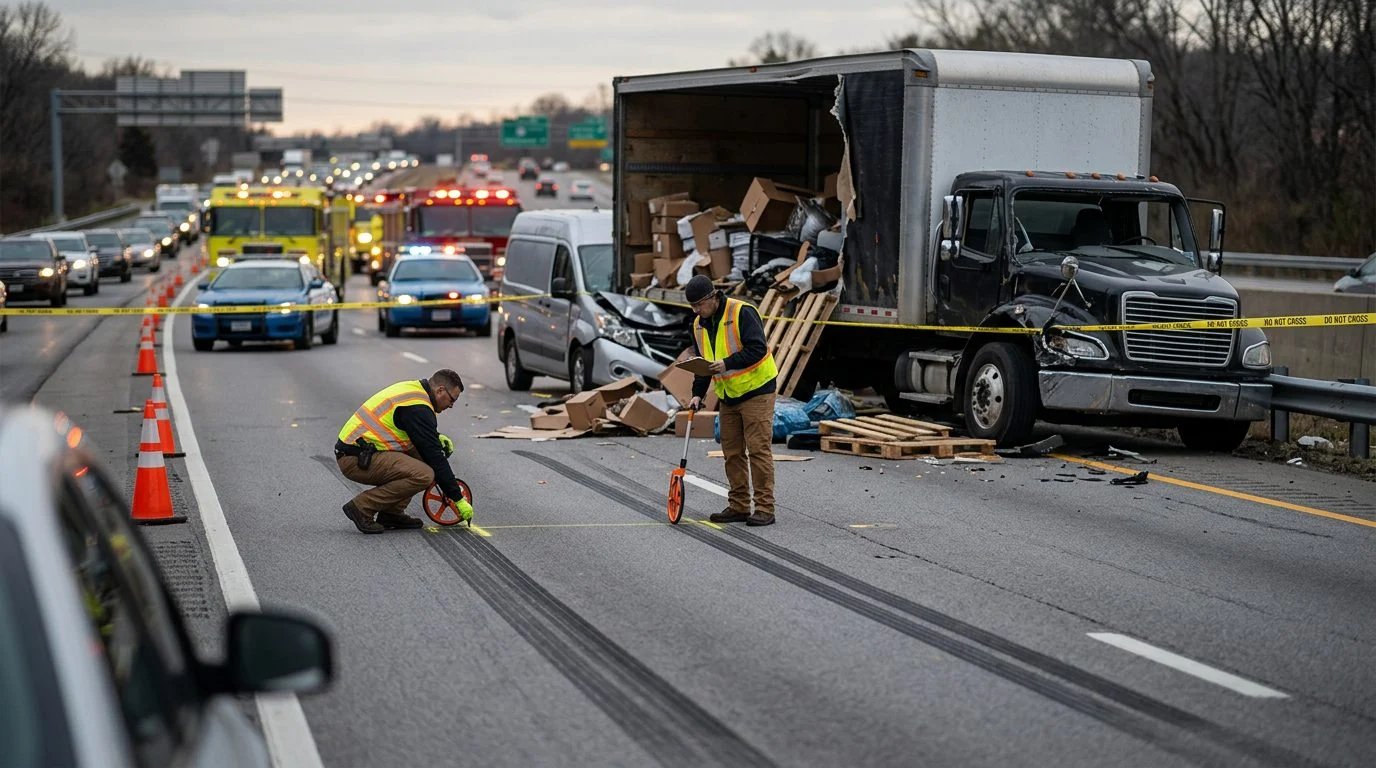
Commercial Truck Accidents
Catastrophic Injuries from Commercial Truck Accidents
When a collision with a commercial truck causes severe, life-altering harm, you need a firm that understands the stakes. We handle catastrophic injury cases across West Virginia.
Published October 07, 2026
Catastrophic Injuries from Commercial Truck Accidents in West Virginia
Catastrophic injuries from commercial truck accidents are life-altering events. They leave lasting physical, emotional, and financial consequences. When a passenger vehicle collides with a commercial truck, the size and weight difference creates forces the human body cannot withstand. Understanding what makes these injuries catastrophic, what types occur, and what comes next is essential.

Not sure what your next step is?
Talk it through with our team — the first case review is free, confidential, and carries no obligation.
Why Commercial Truck Accidents Cause Catastrophic Injuries
Commercial trucks weigh far more than passenger vehicles. A fully loaded semi-truck can weigh 80,000 pounds or more. A typical car weighs around 3,000 to 4,000 pounds. When these vehicles collide at highway speeds, the occupants of the smaller vehicle absorb the full force of impact.
The physics are unforgiving. The momentum and kinetic energy generated in a truck accident far exceed what safety features in passenger cars are designed to handle. Airbags, crumple zones, and seat belts provide some protection. They cannot fully mitigate the trauma from a multi-ton vehicle striking at highway speeds. Occupants suffer violent head impacts, sudden deceleration, crushing forces, and penetrating trauma. These injuries often result in permanent disability.
High speeds on interstates and highways amplify this danger. Driver fatigue, regulatory violations, and mechanical failures add to the risk. When a fatigued or negligent driver loses control, the consequences are catastrophic.
What Qualifies as a Catastrophic Injury?
A catastrophic injury results in permanent, life-altering disability. It goes beyond a broken bone or a concussion that heals with time. Catastrophic injuries require ongoing medical care, rehabilitation, assistive devices, or permanent assistance with daily activities. They prevent a person from returning to work or to their prior quality of life.
Catastrophic injuries affect the ability to walk, think clearly, communicate, work, or care for oneself. They may involve permanent neurological, physical, or cognitive changes. A serious injury may heal or improve significantly. A catastrophic injury typically does not.
In West Virginia, the legal system recognizes the severity of these injuries. Damage awards account for lifetime medical expenses, lost earning capacity, and pain and suffering. However, pursuing these claims requires action within strict time limits. Under West Virginia law, a personal-injury lawsuit generally must be filed within two years after the right to bring it accrues, and exceptions may apply. Catastrophic injury claims are also time-sensitive, so it helps to reach out to us promptly. Getting legal advice early is critical.
Types of Catastrophic Injuries in Commercial Truck Accidents
Traumatic Brain Injury
Traumatic brain injury (TBI) occurs when violent head impact, sudden deceleration, or penetrating trauma damages brain tissue. In truck accidents, occupants may strike the steering wheel, dashboard, windshield, or side window with tremendous force. The brain can shift and rotate within the skull, tearing nerve fibers.
TBI ranges from moderate to severe. Symptoms include loss of consciousness, confusion, memory loss, headaches, dizziness, mood changes, and difficulty concentrating. Long-term effects can include cognitive impairment, personality changes, seizures, chronic headaches, and difficulty with balance or coordination. Recovery is unpredictable. Some people improve with rehabilitation. Others reach a plateau with permanent deficits.
Spinal Cord Injury
The spinal cord is a bundle of nerves. It transmits signals between the brain and the body. When a truck accident causes impact, compression, or severing of the spinal cord, the result is partial or complete paralysis below the level of injury.
Tetraplegia (quadriplegia) results from injury to the cervical spine—the neck region. It affects all four limbs and may impair breathing and vital functions, depending on the injury level.
Paraplegia results from injury to the thoracic or lumbar spine—the mid-back and lower-back regions. It affects the lower body and legs. The arms and upper body remain functional.
Incomplete spinal cord injuries allow some nerve signals to pass. The person may retain partial sensation or movement. Complete injuries sever the cord entirely. No signals pass below the injury level. Either way, lifetime care includes mobility aids, home accessibility modifications, medical management, and attendant care.
Severe Burns
Truck accidents involving fuel leaks, fires, or explosions can cause severe burns over large areas of the body. Burns require emergency treatment, skin grafts, reconstructive surgery, and long-term wound care. Scarring and contractures can limit movement and cause chronic pain.
Crush Injuries and Amputations
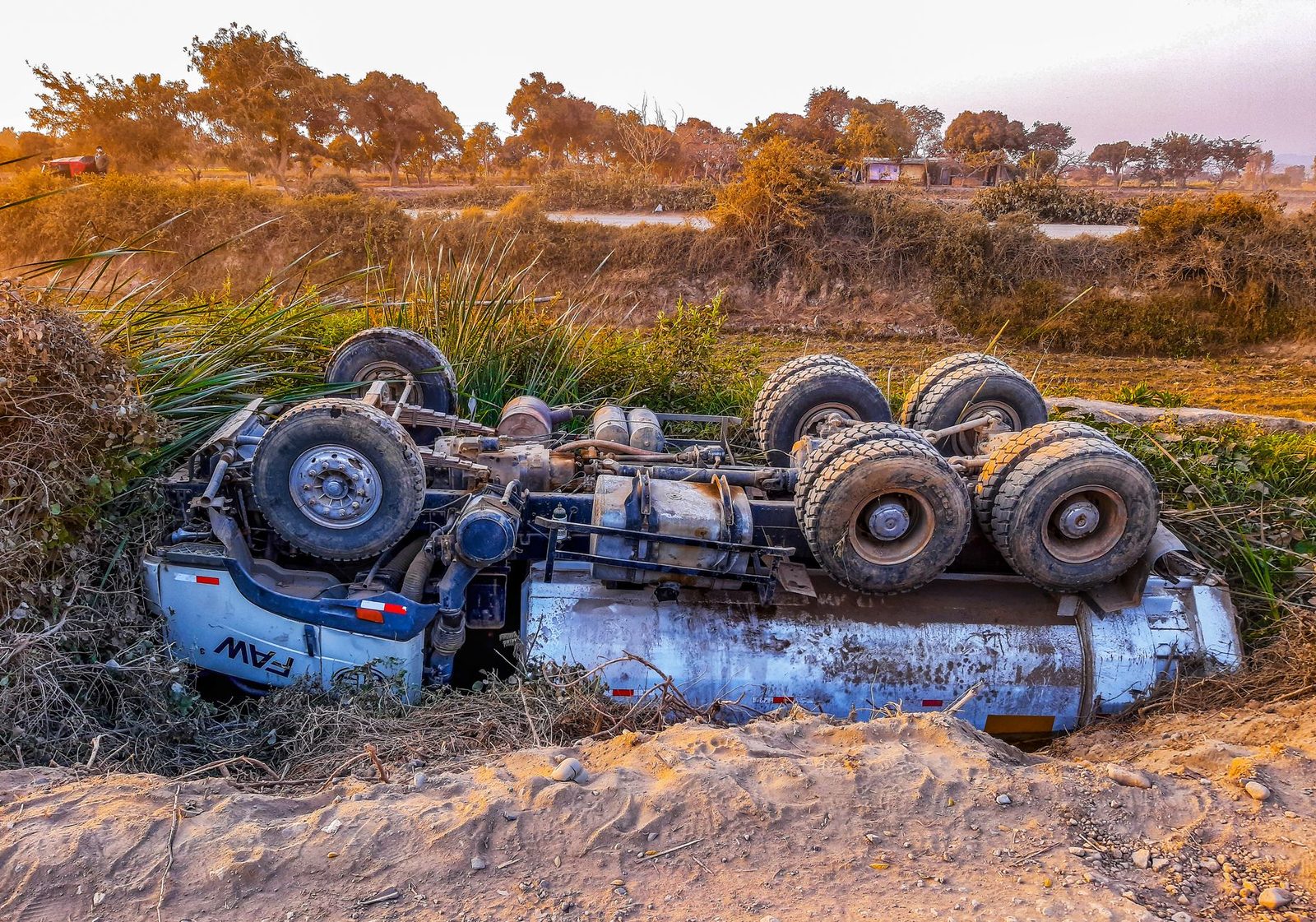
When a vehicle is crushed or rolled, occupants may suffer crush injuries. Limbs can be severed or so severely damaged that amputation becomes necessary. Loss of a limb results in permanent disability, phantom pain, and the need for prosthetics and ongoing rehabilitation.
Multiple Fractures and Internal Injuries
Truck accidents often cause multiple broken bones, organ damage, and internal bleeding. Injuries to the spleen, liver, lungs, or kidneys can be life-threatening. Survivors face long recovery periods, chronic pain, and potential organ dysfunction.
Have questions about what happened?
Ask our team directly. The first conversation is free, confidential, and there is no obligation to continue.
The Long-Term Impact of Catastrophic Truck Accident Injuries
The consequences of catastrophic injury extend far beyond the accident scene. Lifetime medical expenses include surgeries, rehabilitation, medications, assistive devices, home modifications, and caregiver support. Many injured people cannot return to work. This results in lost wages and reduced earning capacity for decades.
Chronic pain, psychological trauma, depression, and anxiety are common. Families often become caregivers. They sacrifice their own careers and well-being. The emotional and financial strain ripples through the entire family.
Understanding Your Legal Options
When a catastrophic injury occurs in a commercial truck accident, determining who is responsible is the first step. Negligence by the truck driver, violations of federal safety regulations, mechanical failure, or negligent hiring and supervision by the trucking company may all play a role.
West Virginia follows a modified comparative fault rule (W. Va. Code § 55-7-13c). Under West Virginia’s comparative fault rules, you may still be able to recover damages as long as your share of fault is not greater than the combined fault of all other parties. Generally, this rule means an injured person is not automatically denied recovery solely because they bore some responsibility, though exceptions may apply.
However, pursuing a claim requires gathering medical evidence, investigating the accident, obtaining expert opinions, and navigating insurance claims. The process is complex and time-sensitive.
Frequently Asked Questions
What are some examples of catastrophic injuries from a truck accident?
Traumatic brain injury, spinal cord injury, severe burns, amputations, multiple organ damage, and permanent paralysis are all examples of catastrophic injuries.
How do I know if an injury is catastrophic?
If the injury results in permanent disability, requires ongoing medical care, or prevents you from returning to your prior life and work, it is likely catastrophic.
Can someone recover from a catastrophic truck accident injury?
Recovery varies widely. Some injuries improve with rehabilitation. Others result in permanent changes. Early medical intervention and long-term care are critical.
Want to know where you stand?
Tell us what happened and our team will walk you through the options available to you, at no cost.
Next Steps After a Catastrophic Truck Accident
If you or a family member sustained severe injuries in a commercial truck accident, the path forward involves medical care, documentation of your injuries, investigation of the accident, and legal action. The decisions you make in the weeks and months after the accident significantly affect your ability to obtain fair compensation.
Learn more about personal injury claims in West Virginia.