
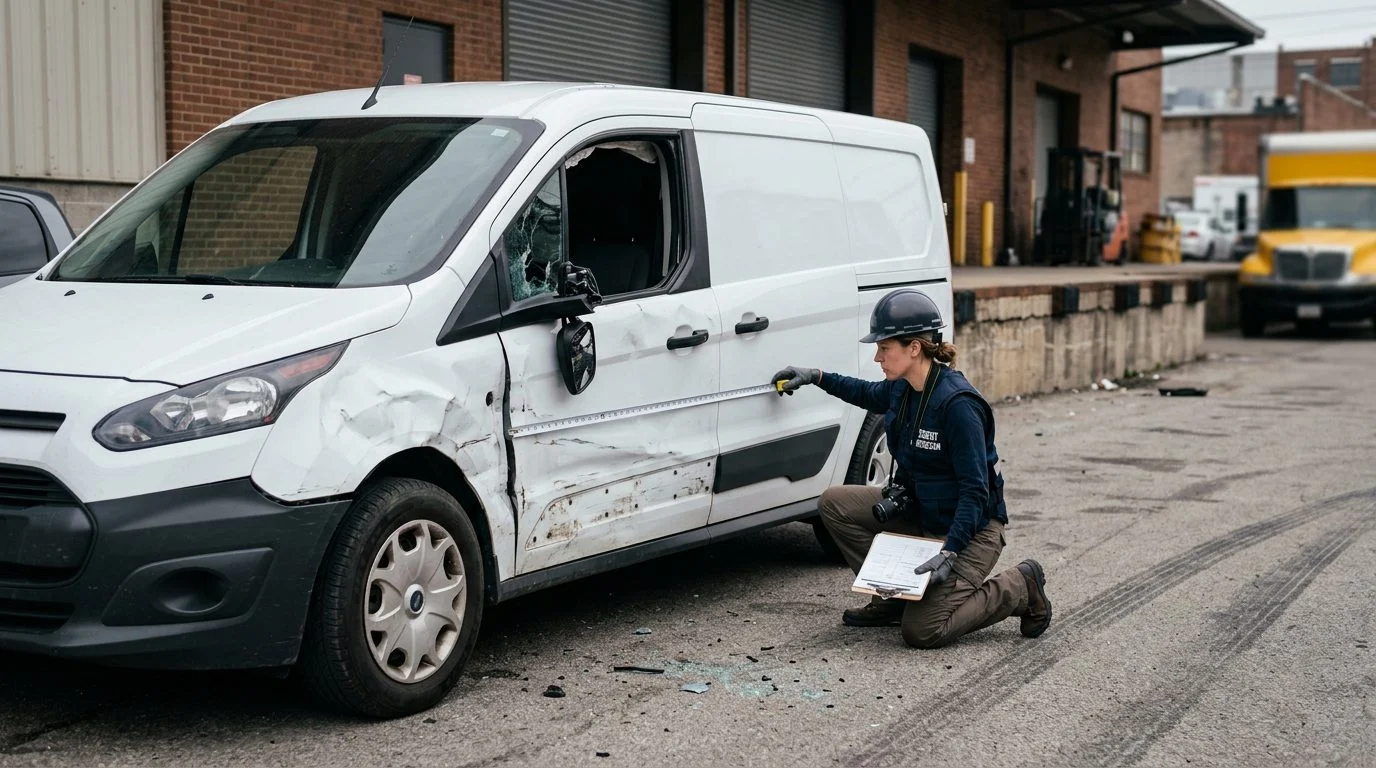
West Virginia Commercial Van Crash Claims
Hurt in a Commercial Van Crash? We Can Help You Understand Your Options.
The firm represents people seriously injured in commercial van crashes across West Virginia, along with families pursuing wrongful death claims. Request a free case review to tell us what happened.
Published November 8, 2026
A commercial van crash injury claim is a personal injury claim for someone hurt in a crash involving a van used for business, delivery, or work. If the crash kills someone, the claim may instead be a wrongful death claim brought for the family. Van cases often involve more parties and more records than an ordinary car accident. That makes the first weeks important. This page explains how these claims work in West Virginia and what to do first.
What a commercial van crash injury claim is and who it is for
A commercial van claim seeks compensation for injuries and losses caused by a crash involving a van used for work. The injured person brings the claim. After a death, the family’s claim follows West Virginia’s wrongful death rules.
A van may be commercial when a business owns it, leases it, or uses it for deliveries, transport, or company work. Cargo vans, delivery vans, and passenger vans run for a business all fit this idea. Whether a specific van falls under West Virginia’s commercial vehicle rules is a separate question, covered below.
West Virginia wrongful death claims are generally brought by the decedent’s personal representative, the person appointed to handle the estate. The West Virginia wrongful death statute sets out the basic rules.
This page is for crash victims, their spouses and relatives, and families trying to understand a serious or fatal crash. The firm handles car accidents, truck accidents, and commercial vehicle accidents. This page covers the van-specific part of that work.
If you were hurt in a van crash, or are caring for someone who was, the firm can talk through what happened and whether a claim may fit. Talk it through with Big Bubba — the first case review is free, confidential, and carries no obligation.
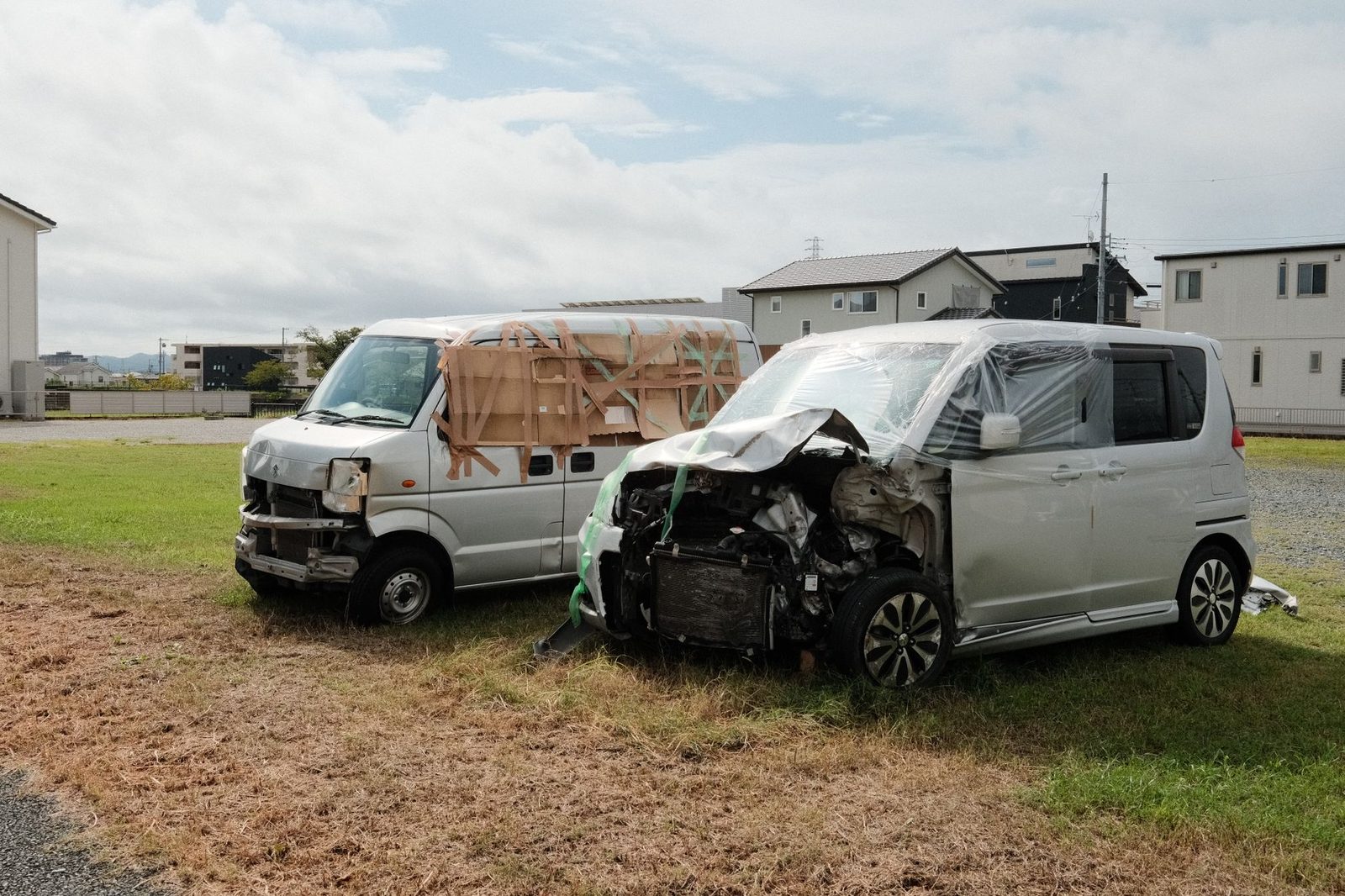
What the claim covers: vehicles, crash types, and injuries
A van claim can cover medical care, lost income, and daily-living needs caused by the crash. After a death, survivors may pursue their own losses too.
- Vehicles: cargo vans, delivery vans, passenger vans, and other vans run for a business.
- Crash types: rear-end and side-impact collisions, rollovers, lane-change crashes, and intersection crashes.
- Load problems: overloaded vehicles or unsecured cargo. The West Virginia DMV cargo guidance says unsecured cargo can cause serious or catastrophic crashes.
- Driver distraction: texting or handheld phone use behind the wheel. The West Virginia distracted driving guidance covers these limits.
The firm handles catastrophic injuries, including traumatic brain injury, spinal cord injury, and injuries that cause permanent disability or long-term care needs. Some injuries may not show symptoms right away. Early medical evaluation matters for that reason.
For a fatal crash, survivors may seek damages for sorrow, mental anguish, and solace. They may also seek lost income, lost services the decedent provided, medical costs tied to the injury, and reasonable funeral expenses, as the wrongful death statute describes. The core of any claim is documentation of your own losses, from medical records to missed work.
Who may be responsible after a van crash
More than one party may share responsibility after a van crash, including the driver, the employer, and the vehicle owner. Each party’s role depends on the facts.
- The driver, for how the van was operated.
- The employer, when the driver was working for the company.
- The vehicle owner, or a company that leases, rents, or controls the van.
- Other parties, such as a maintenance provider or a loading company, depending on what happened.
West Virginia’s commercial motor vehicle liability statute defines an “employer defendant” to include the vehicle’s owner, the driver’s employer, and anyone with legal control over the vehicle or driver. The statute may limit only noneconomic damages against an employer defendant, and that limit is not available to an employer defendant without at least $3 million in commercial motor vehicle insurance for each occurrence. Exceptions, such as impaired or distracted driving, may apply, so this question is answered case by case.
Fault can also be shared. West Virginia generally reduces recovery by the injured person’s share of fault, and the state’s fault allocation law says fault alone may bar recovery only when it is greater than the combined fault of others. Exceptions may apply.
If another driver was at fault, that driver’s insurance may be part of the picture. Some insurers may dispute a claim.
Evidence to preserve in the first weeks after a van crash
The most useful early evidence is usually the crash report, photos, witness details, and medical records. Company records may also be relevant.
- The police crash report and its report number.
- Photos of the scene, vehicle damage, and road conditions.
- Names and contact details for witnesses.
- Medical records starting from the first visit.
- A simple written log of symptoms, appointments, missed work, and out-of-pocket losses.
Federal rules require motor carriers to have drivers record duty status for each 24-hour period. Under 49 C.F.R. § 395.8(a)(1), the duty-status recording requirement does not apply to a private motor carrier of passengers (nonbusiness), as defined in § 390.5 of this subchapter.
Companies may destroy some records after minimum retention periods end. Because some records have short keeping periods, asking early for preservation may matter. Dispatch logs, GPS or telematics data, and dashcam footage may also be relevant.
How the process works, step by step
The process starts with a free case review. It then moves through evidence, records, and a claim to the responsible parties. It may end in a lawsuit if a fair resolution is not reached.
- Free case review. You share what happened. The firm offers a free case review that is confidential and carries no obligation to continue.
- Early evidence. The firm reviews the crash report, medical information, and early evidence. It identifies parties who may be responsible.
- Commercial records. The firm may request driver qualification, hours-of-service, and maintenance files.
- Documenting losses. The injuries and losses are documented, including future medical needs a doctor can address.
- Claim to insurers. The claim goes to responsible parties and their insurers. Timing depends on the facts and on how quickly records and medical information arrive.
Timing limits matter. West Virginia generally allows two years to file a personal injury lawsuit, and the limitation statute notes exceptions may apply. Under W. Va. Code § 55-2-12(c), a personal action for any other matter that could not have been brought at common law by or against a party’s personal representative generally must be brought within one year after the right to bring it accrued.
Early settlement contacts are also restricted. For twenty days after an injury, while a person is hospitalized or unable to work, the statute limits settlement talks and statements. Under W. Va. Code § 55-7-11a, a settlement, release of liability or statement obtained in violation of that section may be disavowed by the injured person at any time within one hundred eighty days from the date of the personal injury by executing a written statement of disavowal and thereupon forwarding a copy of the same to the person violating this section, and the settlement, release or statement is then not admissible in evidence if any consideration paid for the settlement or release is repaid or returned to the person who paid it.
How the firm handles commercial van claims
The firm represents people seriously hurt in car and commercial truck crashes, people with catastrophic brain and spinal cord injuries, and families in wrongful death cases across West Virginia.
Commercial vehicle cases involve parties and records that ordinary car cases often do not. The firm handles those issues as part of its car, truck, and commercial vehicle work, including van claims. Insurers and companies may point to driver logs and maintenance histories. Those records can shape how fault is shown.
The firm’s support staff helps with records requests and scheduling. That lets injured people and families focus on recovery.
We serve injury victims in Charleston, Huntington, Morgantown, Wheeling, Martinsburg, Parkersburg, Beckley, Clarksburg, Fairmont, and Weirton, and across West Virginia.
Not sure what your next step is?
Talk it through with Big Bubba — the first case review is free, confidential, and carries no obligation.

Questions people ask before they reach out
Short answers to common questions are below.
Should I see a doctor if I feel fine?
Some injuries may not show symptoms right away. A medical evaluation can record what is happening from the start.
Can I still make a claim if I was partly at fault?
Partial fault does not always end a claim. West Virginia generally reduces recovery in proportion to your share of fault, but if your fault is greater than the combined fault of all other persons responsible for the total amount of damages, it bars recovery, and exceptions may apply (W. Va. Code § 55-7-13c).
Is a van claim different from a car accident claim?
It can be. More parties and commercial records may be involved, which can change how the claim is investigated.
Do special limits apply to commercial vehicle claims?
West Virginia may limit some damages against certain commercial vehicle employers. The statute does not name vans, so the vehicle’s classification matters.
What if the injury is permanent?
Permanent effects are understood through medical evaluation over time. The firm can explain how that may apply to your situation.
Who can bring a claim after a fatal van crash?
A personal representative generally brings the wrongful death claim for the family. The firm can explain how the law applies to your family’s situation.
If you are reading this while caring for someone hurt in a van crash, or while recovering from a crash you did not choose, you do not have to sort it out alone. Contact the firm to request a free case review and tell us what happened.