

Car Accidents | West Virginia
Feel Fine After a Crash? Get Checked Anyway.
Some injuries take hours or days to show. Learn why a prompt medical evaluation matters after a car or truck crash in West Virginia.
Published November 7, 2026
In most cases, you should see a doctor after a crash even if you feel fine, because some injuries take hours or days to show. If you were in a crash in West Virginia, this guide explains why feeling okay is not enough, which symptoms to watch for, and why a prompt medical record matters.
Why Feeling Fine Right After a Crash Does Not Settle the Question
Feeling fine right after a crash does not tell you whether you are hurt. Adrenaline and shock can hide pain for hours, so how you feel at the scene may not match your condition. Many people drive home, go to bed, and then notice stiffness, headaches, or aches over the following days.
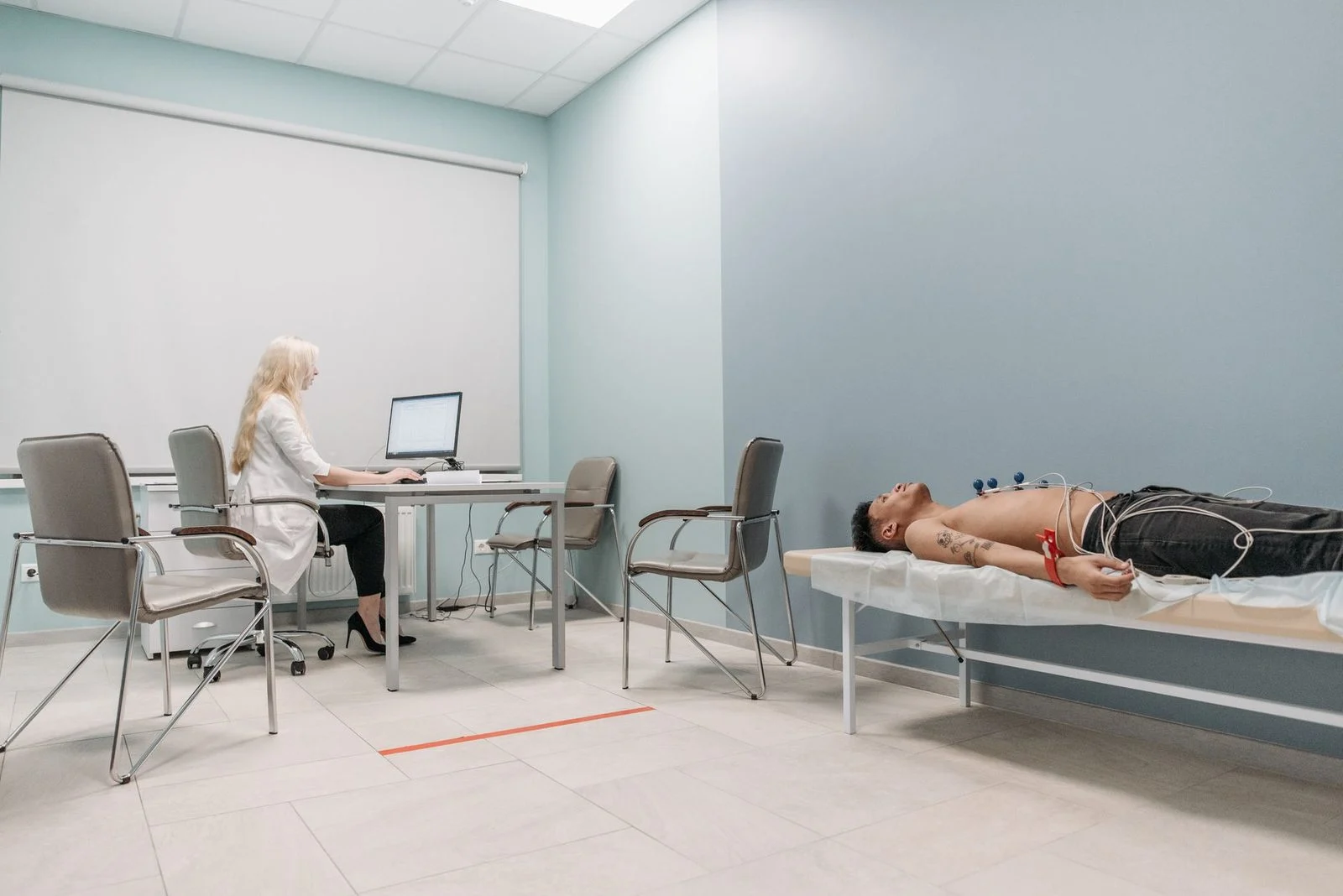
A medical evaluation answers a question you cannot answer by feel alone: whether something is injured. Tell the doctor exactly how the crash happened, including the speed, whether you hit your head, and whether a seat belt or airbag caught you. These details help the doctor decide which exams and tests make sense.
The mistake many people make is telling the doctor they are fine because they want the day to be over. Be honest about every ache, even one that seems minor. Waiting to see if you feel better can delay a diagnosis, and a delay may make it harder to connect later symptoms to the crash. For a broader view of serious crash injuries, read our catastrophic injuries guide.
If you are unsure whether you or someone you love was hurt in a crash, you can talk with us. We offer a free case review that is confidential and carries no obligation to continue. Talk it through with Big Bubba — the first case review is free, confidential, and carries no obligation.

Injuries That May Not Show Symptoms Right Away
Some injuries may not cause clear symptoms in the first hours after a crash.
Some fractures do not hurt right away, particularly in the wrist, foot, ribs, or spine. Adrenaline can mask the pain until the body settles down. Internal bleeding may not cause obvious symptoms at first, which is why a doctor may check someone who seems stable.
Soft tissue injuries, such as neck and back strains, may become more painful one to several days after a crash. Stiffness that grows over time is worth reporting. Do not assume a sore neck will fade on its own.
Undiagnosed conditions may worsen if they are not evaluated and treated, and that is one reason early care matters. A doctor can choose tests that fit your symptoms and exam. Mention every new symptom, even a small one like a dull ache, trouble sleeping, or dizziness when you stand.
Brain and Spinal Cord Injuries Can Be Hard to Notice
Brain and spinal cord injuries can be easy to miss in the first hours after a crash.
A traumatic brain injury may not show clear signs at first. Headache, dizziness, memory trouble, sensitivity to light, or mood changes may appear later. A head injury does not always cause a loss of consciousness, so a clear memory of the crash does not rule out a brain injury.
Doctors may use brain imaging to evaluate a head injury. Whether imaging is needed depends on your symptoms and the exam. Symptoms can also change from day to day, so write down what you notice and when, including sleep, focus, and mood. A simple log can help your doctor see patterns.
Numbness, tingling, weakness, or changes in bladder or bowel control after a crash call for prompt medical evaluation. Do not wait for these to pass on their own. For how lasting effects of serious injuries are discussed, see permanent disability after a crash.
Warning Signs That Need Emergency Care Now
Call 911 or go to the nearest emergency department if you notice serious warning signs after a crash.
Seek emergency care right away for loss of consciousness, confusion, a severe or worsening headache, repeated vomiting, a seizure, or trouble breathing. Also get emergency care for belly swelling or pain, severe neck or back pain, or numbness or weakness in the arms or legs. Any loss of feeling below the point of injury also needs urgent attention.
New or worsening symptoms in the days after a crash are a reason to be seen again. Do not wait for symptoms to become severe before you act. If you are unsure, a medical check is the safer choice.
Keep the number of your primary care provider or urgent care clinic handy for follow-up after an emergency visit. Ask for written discharge instructions and keep them with your crash paperwork. If a doctor refers you to another doctor, schedule that visit promptly.
Why a Prompt Medical Record Matters
A prompt medical record shows what a doctor found and when they found it.
Only a doctor can examine you, diagnose an injury, and document what they find in your medical record. A record made close to the crash may help show when symptoms began and how they changed over time.
Gaps in treatment may be questioned later. Some insurers may dispute a claim when a delay in care is not explained. Describe your symptoms accurately and completely, including the ones that seem minor, rather than minimizing them.
West Virginia also limits some contacts right after an injury. Under W. Va. Code § 55-7-11a, for 20 days after a personal injury, a person generally may not negotiate a settlement with, or get a statement from, an injured person who is in a hospital or unable to do their usual work. Under W. Va. Code § 55-7-11a, a settlement, release of liability or statement obtained in violation of that section may be disavowed by the injured person at any time within one hundred eighty days from the date of the personal injury, by executing a written statement of disavowal and forwarding a copy to the person who violated the section; the settlement, release or statement then may not be admissible in evidence if any consideration paid is repaid or returned to the person who paid it.
Common Questions About Seeing a Doctor After a Minor Crash
A minor crash can still cause injury, so a low-speed crash does not rule out a doctor visit.
Low-speed impacts and small amounts of vehicle damage do not always mean nobody was hurt. Passengers, pedestrians, and older adults may have injuries that are harder to see in the first hours. A child or teen in a crash should be examined by a doctor, who can decide what checks are needed.
Older adults should also tell the doctor about every medicine they take. Some medicines, including blood thinners, may make bleeding more serious after an impact. Keep copies of the crash report, photos of the scene and vehicles, and a list of every provider you see. The Beckley Police Department crash report page explains how to request a report and lists a $20 copy fee.
Fault is not always all-or-nothing. Under W. Va. Code § 55-7-13a, recovery is based on comparative fault, which divides fault by percentage among the people involved. If a police report assigns blame to you, read what to do when a report says you were at fault.
Not sure what your next step is?
Talk it through with Big Bubba — the first case review is free, confidential, and carries no obligation.
Your Crash and Your Health
If you are unsure whether you or a loved one is hurt, you can talk with the firm about the crash.
Family members can make these calls for someone who is in pain, confused, or still in the hospital. You may be trying to decide whether a loved one needs a doctor, and whether to speak with someone about the crash. Those questions can feel urgent. Medical care comes first, and a doctor’s visit does not have to wait for the legal questions to be sorted out.
Records such as truck logs and driver files may matter in these cases.
West Virginia generally allows two years to file an injury lawsuit, and exceptions may apply, under W. Va. Code § 55-2-12. The state’s DHHR crash data tracks motor vehicle crash deaths and hospitalizations, which shows how common serious crash injuries are across the state.
If a doctor visit or the crash itself is weighing on you, you can contact us for a free case review. It is confidential and carries no obligation to continue. We serve people across West Virginia, including Charleston, Huntington, Morgantown, Wheeling, Martinsburg, Parkersburg, Beckley, Clarksburg, Fairmont, and Weirton.
Related practice areas
- Broken Bones Car Accident Claim in West Virginia