
Pedestrian Injury Claims | West Virginia
Struck While Walking in West Virginia? You Do Not Have to Figure Out Your Options Alone
The firm represents pedestrians hurt by cars and commercial trucks, and families in wrongful death cases, across West Virginia.
Published November 4, 2026
When a pedestrian struck by vehicle suffers a catastrophic injury in West Virginia, the weeks that follow can feel overwhelming. The injured person, or the family of someone who died, may have a claim against the people responsible. West Virginia sets filing deadlines, and each claim turns on its own facts. This page explains the basics in plain language so you can see what comes next.
What a Catastrophic Pedestrian Injury Claim Covers
A catastrophic injury is a harm so serious that it changes how a person lives, works, or cares for themselves. Injuries in this group often include:
- Traumatic brain injury, including bleeding or damage that affects memory, speech, or movement
- Spinal cord injury, which can cause partial or full paralysis
- Crush injuries and amputations
- Broken bones or internal injuries that leave lasting limits
A person on foot has little protection between their body and a vehicle. Head, spine, and internal injuries can happen even at moderate speeds.
The injured pedestrian can bring a personal injury claim. If the pedestrian dies, a wrongful death claim is brought by the personal representative, the person formally appointed to act for the estate. W. Va. Code § 55-7-6 sets out who brings that action.
The vehicle may be a passenger car, pickup, delivery van, bus, or commercial truck. Commercial vehicles often bring more parties into a claim, such as an employer or a company that owns the vehicle.
If you’re still in the hospital or in rehab, you don’t need every detail ready. You can tell Bubba what happened, in your own words, and the firm can start from there.
If a loved one was struck on foot and is still recovering, or you lost someone in a crash, you do not have to sort out what comes next alone. Talk it through with Big Bubba — the first case review is free, confidential, and carries no obligation.
How Pedestrian Crashes Happen in West Virginia
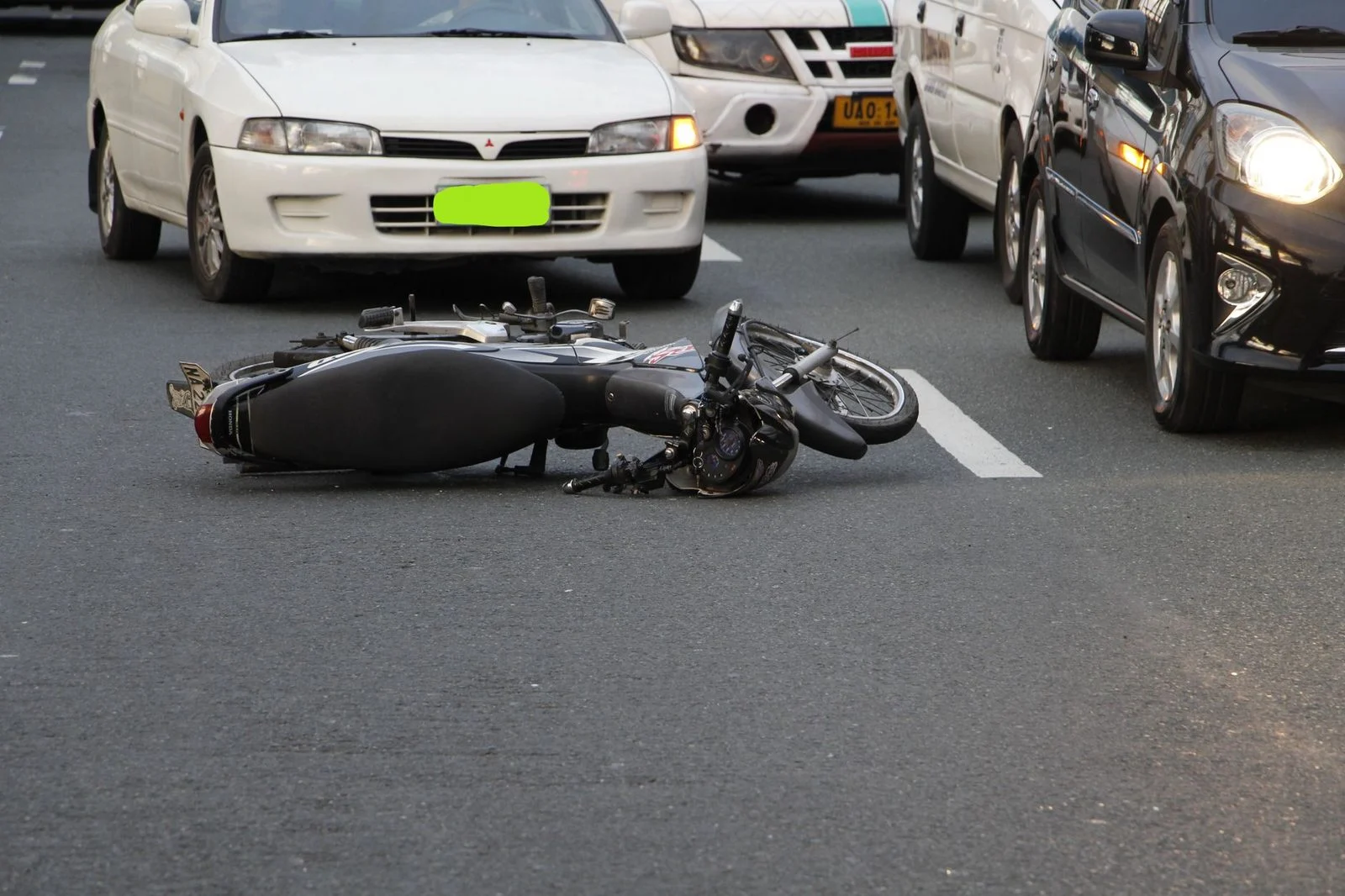
Pedestrian crashes often happen where people and vehicles share space. Common settings include marked and unmarked crosswalks, intersections, parking lots, and rural roads with narrow shoulders or little lighting.
Driver conduct that may contribute includes:
- Speeding, or driving too fast for the crowd or conditions
- Failing to yield to someone in a crosswalk
- Turning without checking for people on foot
- Distraction, or impairment from alcohol or drugs
- Driving in rain, fog, or snow with reduced visibility
The state tracks impaired driving. The WV DMV impaired driving page offers general information about impaired driving.
Commercial drivers face added rules. 49 C.F.R. § 392.14 requires extreme caution and lower speed when fog, rain, or snow reduces visibility or traction.
The details that matter most include where and when the crash happened, which way each person was moving, and whether a witness or camera saw it.
Who May Be Responsible When a Vehicle Strikes a Pedestrian
The driver is usually the first party reviewed, but others may share responsibility. Possible parties include:
- The driver, for careless or unlawful conduct
- The owner of the vehicle
- The employer of a driver who was working at the time
- Anyone else who held legal control over the vehicle or the driver
W. Va. Code § 55-7-32 defines an “employer defendant” to include the owner of a commercial motor vehicle, the operator’s employer, and others who hold legal control over the vehicle or driver.
After some commercial crashes, federal rules generally require employers to test surviving drivers for alcohol and drugs.
Road conditions, a defective vehicle part, or another person’s conduct may also play a role in some crashes. These claims often need more review before anyone can judge them.
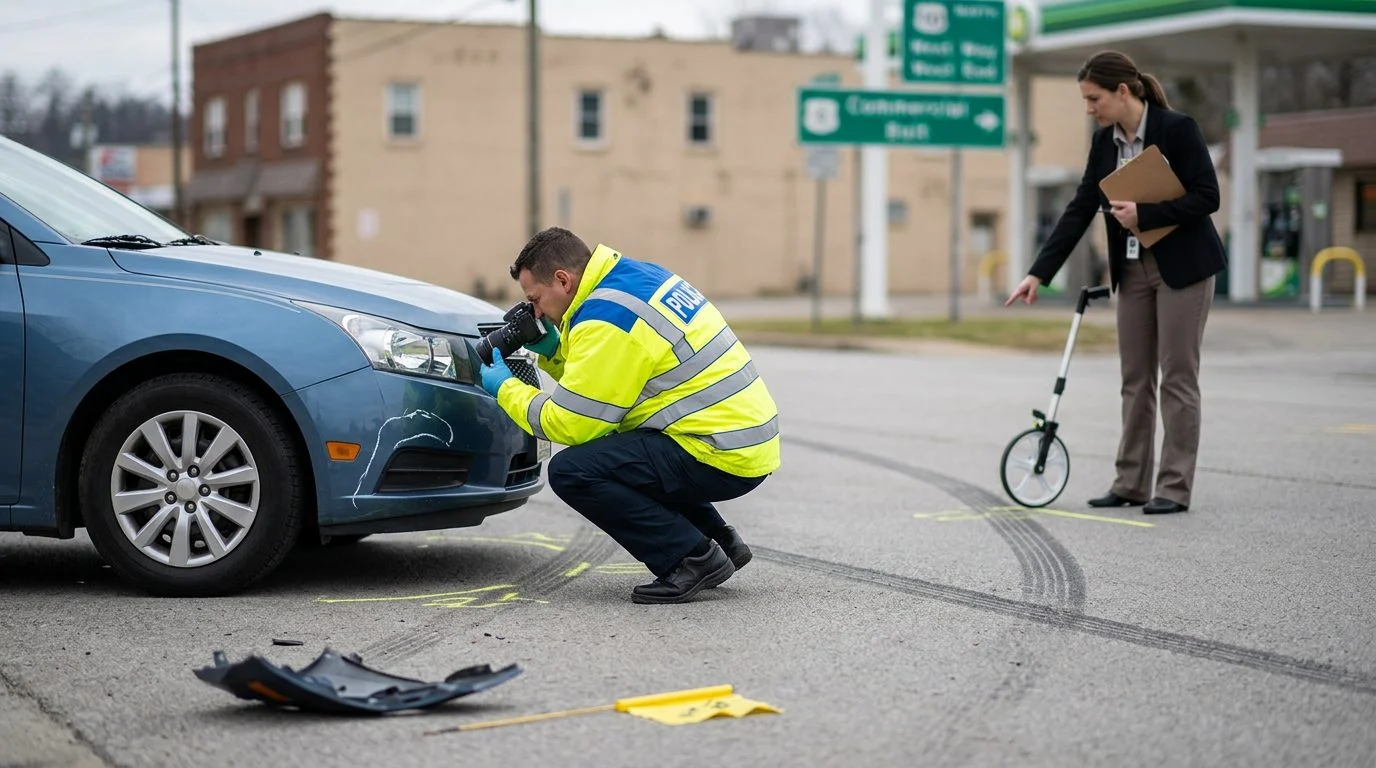
A police crash report is one record that may show how the crash happened. Photos, witness accounts, and vehicle data may also matter.
Damages Available in a Catastrophic Injury or Wrongful Death Claim
Damages are the losses a claim may seek to recover. In an injury claim, they may include:
- Medical care, from emergency treatment and surgery to rehabilitation and future care a doctor documents as needed
- Lost income, and lost ability to earn when an injury keeps someone from returning to the same work
- Pain, suffering, and loss of enjoyment of life
- Home care, equipment, and home or vehicle changes after a brain or spinal cord injury
In a wrongful death case, W. Va. Code § 55-7-6 lists damages a jury may consider. These include sorrow, mental anguish, and solace; compensation for reasonably expected loss of income of the decedent and for services, protection, care and assistance the person who died provided; expenses for care, treatment and hospitalization incident to the injury; and reasonable funeral expenses.
The limit does not apply in every situation, including when the employer lacks required commercial insurance. W. Va. Code § 55-7-32 sets out those conditions.
Records support each category. Bills, pay statements, and doctors’ notes are common examples.
West Virginia Deadlines and Comparative Negligence
West Virginia generally allows two years to file a personal injury lawsuit, and exceptions may apply. W. Va. Code § 55-2-12 sets the general time limit for personal injury actions.
A personal action for damages for personal injuries generally must be brought within two years after the right to bring it has accrued, under W. Va. Code § 55-2-12.
If an injured person dies from the injuries, the injury claim may continue through the personal representative. W. Va. Code § 55-7-8 addresses that situation.
Missing a deadline may bar a claim. Acting early keeps your options open.
West Virginia uses a modified comparative fault rule, which is a shared-fault rule. Under W. Va. Code § 55-7-13c, an injured person’s fault generally does not bar recovery unless it is greater than the combined fault of everyone else responsible. If it is less, the recovery is reduced by that person’s share of fault.
The other side may raise questions, such as whether the pedestrian crossed outside a crosswalk or was impaired. Those questions are decided on the evidence.
What to Expect: How the Firm Handles a Pedestrian Injury Claim
The process starts with a free case review. It then moves to evidence, insurer contact, and a demand or lawsuit if needed.
- Free case review. The firm reviews the crash facts, injuries, and records. You can ask questions with no obligation to continue.
- Evidence gathering. The firm collects the crash report, photos, vehicle data where available, witness details, medical records, and wage records.
- Insurer contact. Some insurers may dispute a claim or ask for a recorded statement early. You may want to talk with the firm before giving one.
- Valuation and demand. The firm reviews the losses and may present a demand to the responsible party or its insurer.
- Negotiation or lawsuit. If a fair resolution is not reached, a lawsuit may be filed before the deadline. Timing varies with the injury, the records, and the number of parties.
We serve injured people and families across West Virginia, including Charleston, Huntington, Morgantown, Wheeling, Martinsburg, Parkersburg, Beckley, Clarksburg, Fairmont, and Weirton.
Not sure what your next step is?
Talk it through with Big Bubba — the first case review is free, confidential, and carries no obligation.
Frequently Asked Questions
Can I still have a claim if I was partly at fault?
West Virginia’s comparative fault rule may reduce a recovery without always barring it (W. Va. Code § 55-7-13c). How it applies depends on how the evidence shows the crash happened.
Should I talk to an insurance adjuster first?
Insurers may ask for a recorded statement early. You may want to understand your options before you give one.
What if a commercial truck hit the pedestrian?
Truck claims may involve more parties and records, such as driver logs and company policies.
Who can start a wrongful death claim?
The personal representative of the deceased person’s estate brings the action under W. Va. Code § 55-7-6.
If someone you love was struck by a vehicle and is still recovering, or you lost a family member in a crash, you do not have to work through the next steps alone. Request a free case review to describe what happened and ask what may come next.