
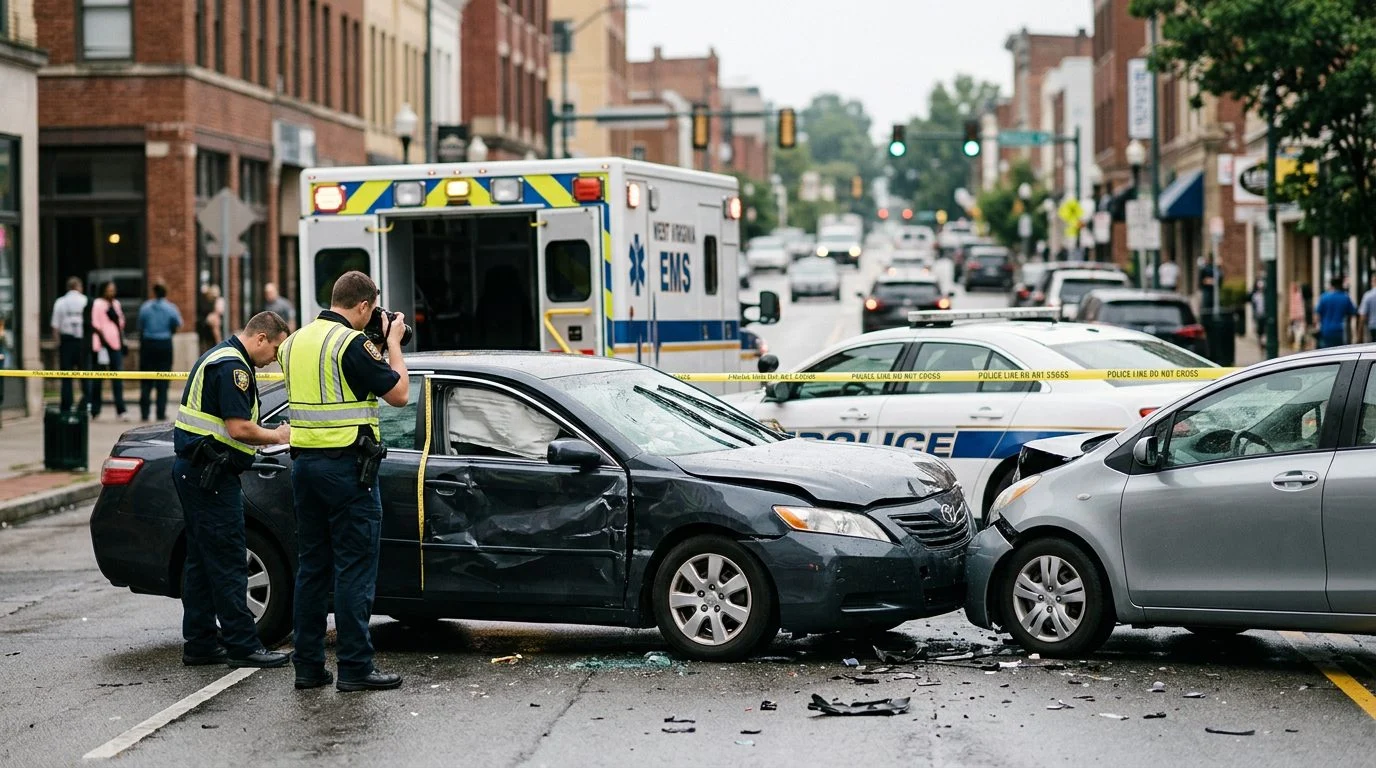
West Virginia Car Accident Injuries
Hurt in a Serious Car Accident? Get Checked and Tell Us What Happened
Big Bubba Injury Law represents people seriously hurt in car and commercial truck crashes, along with families in wrongful death cases. We serve Charleston, Huntington, Morgantown, Wheeling and communities across West Virginia.
How the Firm Can Help After a Serious Crash
Start with a conversation
Call the firm or request a free case review to talk through what happened in your crash and what you have been dealing with since.
Keep your records together
Medical visits, bills, and notes about your symptoms all help tell the full story of your injuries. We can help you organize them.
Focus on your recovery
Your health comes first. The firm works to keep the case moving so you can concentrate on getting better.
Confidential from the start
Your free case review is confidential, and there is no obligation to move forward after it.
Published October 28, 2026
A serious crash injury often begins with an ER visit, and the full picture can take days or weeks to become clear. This guide explains what those injuries can mean, which records matter, and how a free case review with the firm works. Big Bubba Injury Law serves people hurt in car and truck crashes across West Virginia.
Who This Page Is For: A Crash, an ER Visit, and Injuries Still Unfolding
This page is for adults hurt in a car or commercial truck crash who went to the emergency room, or for a family member trying to understand those injuries.
Maybe you were behind the wheel. Maybe you were a passenger. Maybe a parent, spouse, or adult child is now handling the questions. Either way, the situation can feel overwhelming.
After an ER visit, you may leave with a list of diagnoses, such as fractures or a torn ligament, and a plan for follow-up care. That list often changes. Scans get reviewed, and symptoms can show up later.
Many people research for someone else. A family member may not be able to read paperwork or make decisions right now. This page is written so a helper can follow along.
This page helps you understand options and steps. Whether a claim exists depends on the facts, and the firm can review those facts with you.
If a crash left you or someone you love hurt after an ER visit, you don't have to sort it out alone. The firm offers a free case review. Talk it through with Big Bubba — the first case review is free, confidential, and carries no obligation.
What Counts as a Serious Crash Injury After an ER Visit
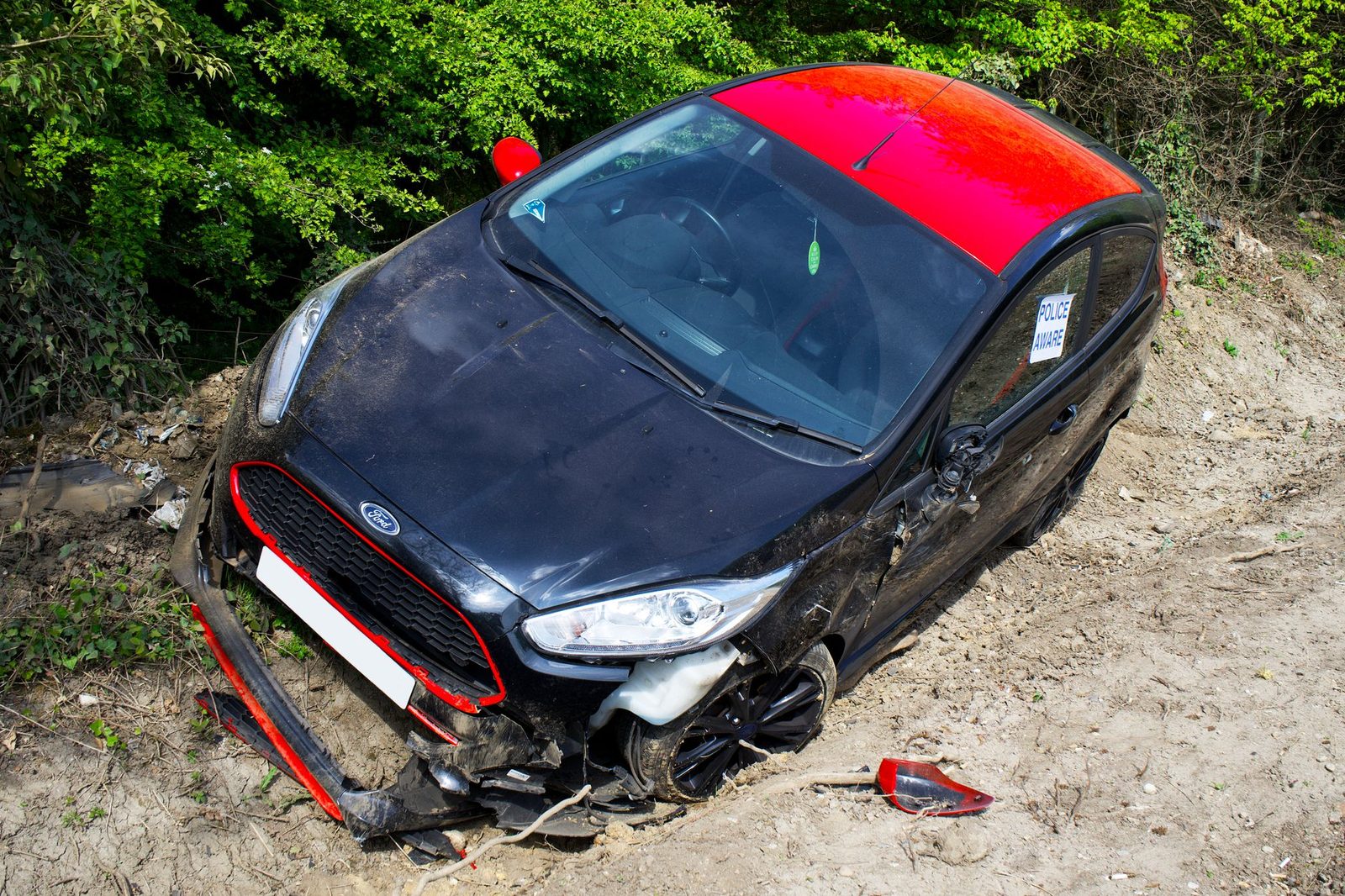
A serious crash injury needs urgent care and can change daily life for months or longer. Common examples after car and truck crashes include:
- Multiple fractures, meaning broken bones in one or more places
- Torn or stretched ligaments, the tissues that hold bones together at a joint
- Deep bruising and soft tissue damage to muscles and tendons
- Internal injuries that may not show clear signs right away
Some symptoms take hours or days to appear. Neck and back pain, headaches, and numbness or tingling are common examples. Tell your doctor about every new symptom, even small ones.
Get emergency care right away if you notice any of these signs:
- Loss of consciousness or confusion
- Weakness or numbness in an arm or leg
- Trouble breathing
- Severe belly pain
Spinal problems need close attention. Spinal cord injuries can follow motor vehicle accidents and can cause weakness, paralysis, and loss of feeling. If your symptoms point toward the head or spine, the firm handles traumatic brain injury and spinal cord injury cases, and those topics have their own pages.
Why the ER Record and Follow-Up Care Matter
Your medical records show what your injuries were and when they began. Keep copies from the start.
The emergency department chart usually includes:
- The time you arrived and how the crash was described
- Your exam findings and pain reports
- Imaging results, such as X-rays or CT scans
- Diagnoses and discharge instructions
Follow-up visits add to that record. A primary care doctor, orthopedic doctor, or physical therapist can document how the injury affects you week to week. Keep every appointment. If you miss one, call to reschedule as soon as you can.
Gaps in care can be questioned later. An injury journal helps fill those gaps. Write down the date, each symptom, your pain level, and what you could not do that day, such as lifting a child, driving, or sleeping through the night.
How Car and Commercial Truck Crashes Differ
A commercial truck crash often involves more records, and sometimes more parties, than a typical car crash. The driver, the trucking company, and the vehicle owner may each hold important papers.
Federal rules require several records for many commercial vehicles, though some of these rules have exceptions:
- Driver vehicle inspection reports. For most motor carriers, drivers must write a report at the end of each day’s work on each vehicle operated that identifies the vehicle and lists defects that would affect safe operation or result in its mechanical breakdown, unless no defect is discovered or reported to the driver. The rule does not apply to intermodal equipment tendered by an intermodal equipment provider, private nonbusiness passenger carriers, driveaway-towaway operations, or carriers operating only one commercial motor vehicle (49 C.F.R. § 396.11).
- Duty-status records. Carriers must keep these for at least six months from the date of receipt (49 C.F.R. § 395.8).
If an alcohol test is not given within two hours, the employer must keep a record of why (49 C.F.R. § 382.303). The West Virginia DMV warns that unsecured cargo can cause serious or catastrophic crashes.
Car crashes also come with deadlines. West Virginia law generally allows two years to file a personal injury action (W. Va. Code § 55-2-12). Acting early helps keep photos, witness names, and vehicle damage fresh.
If the other driver cannot be identified, the rules are shorter. Under W. Va. Code § 33-6-31, to recover under the uninsured motorist endorsement when the other driver cannot be identified, the insured, or someone on the insured’s behalf, must report the accident to a police, peace or judicial officer within twenty-four hours after discovering it and being physically able to report it, unless a police officer has already investigated it. The insured must also notify the insurance company within sixty days after the accident that there is a claim against an unknown person, setting out the facts, and, if the insurer asks in writing within five days of receiving that statement, make the vehicle the insured was occupying available for inspection; at trial the insured must also show the unknown vehicle was a “hit and run” vehicle that caused the damage or injury through physical contact with the insured or the insured’s property or vehicle.
What Happens During a Free Case Review With the Firm
A free case review is a confidential first conversation about your crash and injuries. It carries no obligation to continue.
- You describe what happened. Tell the firm about the crash in your own words, by phone or through the online contact form.
- The firm asks about your care. Expect questions about the ER visit, diagnoses, treatment so far, and any calls from insurers.
- The firm explains what the facts show. The firm tells you what it can and cannot tell from the facts shared, and which documents would help.
- You decide the next step. You choose whether to move forward. Nothing is required on the first call.
Timing depends on how quickly records arrive. The firm works at a pace that fits your recovery and your family’s needs.
Common Questions About ER Visits, Injuries, and Next Steps
Most people ask the same questions after an ER visit for a crash. Short answers come first.
Is it too late to see a doctor if my ER visit was days ago?
Get checked as soon as you notice symptoms, even days after the crash. Keep every follow-up appointment.
What if my injuries get worse later?
Report new or worsening symptoms to your doctor and write them down. Those notes become part of your record.
What if the other driver’s insurance company calls me?
Under W. Va. Code § 55-7-11a, no one may try to negotiate a settlement with you within 20 days of your injury while you are a hospital inpatient or unable to work. Under W. Va. Code § 55-7-11a, a settlement, release or statement obtained in violation of that section can be disavowed by the injured person within one hundred eighty days of the date of the personal injury, by executing a written statement of disavowal and forwarding a copy to the person who violated the section, and the settlement, release or statement then may not be admissible in evidence if any consideration paid for it is repaid or returned to the person who paid it.
Who can bring a claim after a fatal crash?
The firm handles wrongful death cases. The family-side questions can be covered during a free case review.
What should I bring to a free case review?
Bring what you have, even if it is incomplete:
- The crash report number
- ER discharge papers and imaging results
- Photos of the scene and vehicles
- Insurance information for all drivers involved
- A written timeline of events and symptoms
Not sure what your next step is?
Talk it through with Big Bubba — the first case review is free, confidential, and carries no obligation.

Talking With the Firm About What Happened
The firm handles car accidents, truck and commercial vehicle accidents, catastrophic injuries, traumatic brain injury, spinal cord injury, and wrongful death. We serve injury victims throughout all 55 West Virginia counties, including Charleston, Huntington, Morgantown, Wheeling, Martinsburg, Parkersburg, Beckley, Clarksburg, Fairmont, and Weirton.
If you can, write down the crash date, the place it happened, what the ER staff told you, and the names of any witnesses. Those details are hard to rebuild later.
If you are still piecing together a crash, an ER visit, and injuries that keep changing, you don’t have to decide anything today. When you feel ready, you can request a free case review and tell us what happened in your own words.