
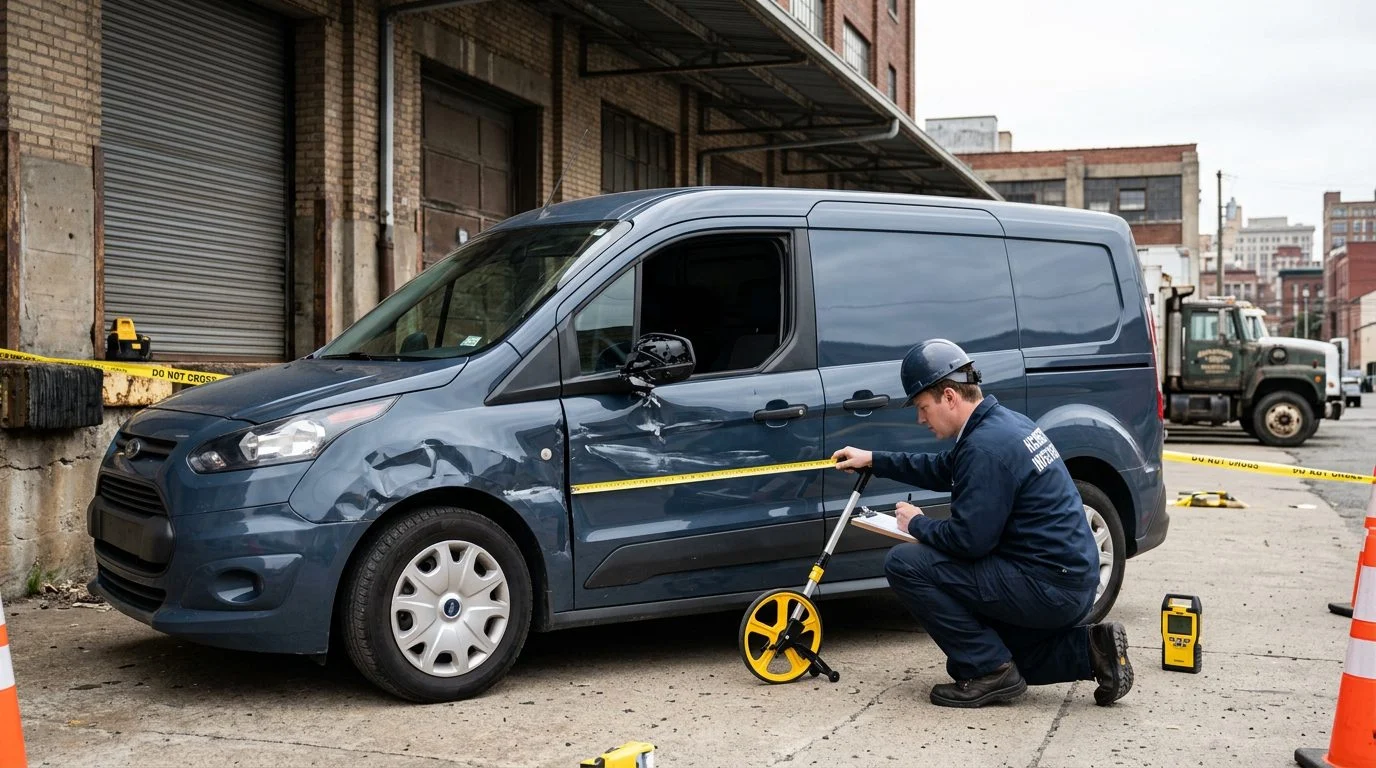
Company Driver Crashes · West Virginia
Hurt by a Company Driver? You Don't Have to Sort Out Who's Responsible Alone.
Big Bubba Injury Law represents people seriously injured in car and commercial truck crashes, and families in wrongful death cases, across West Virginia. Request a free case review to talk through what happened.
Published October 30, 2026
Can a Company Be Held Responsible for Its Driver’s Crash in West Virginia?
Yes, in many cases. A company can be held responsible when its driver causes a crash, and the facts decide which legal path applies.
Two paths matter most. One holds the company responsible for its driver’s negligence. The other looks at the company’s own choices, such as how it hired, trained, or supervised the driver. Knowing which path fits helps you ask the right questions early.
This page is for people hurt in a crash with a company car, fleet van, delivery truck, or other commercial vehicle. It is also for families who lost someone in one of these crashes. This page may be helpful if you are looking into a case for a parent, spouse, or friend who is still recovering.
The firm handles car accidents, truck accidents, and commercial vehicle accidents. It also handles catastrophic injuries, traumatic brain injury, spinal cord injury, and wrongful death. The firm serves injury victims across West Virginia, including Charleston, Huntington, Morgantown, Wheeling, and Beckley.
Think of this page as general information about West Virginia injury claims. It is not a prediction about any specific case.
If a company vehicle hurt you or someone you love, you may have a claim, and our team can review the facts with you in confidence. Talk it through with Big Bubba — the first case review is free, confidential, and carries no obligation.
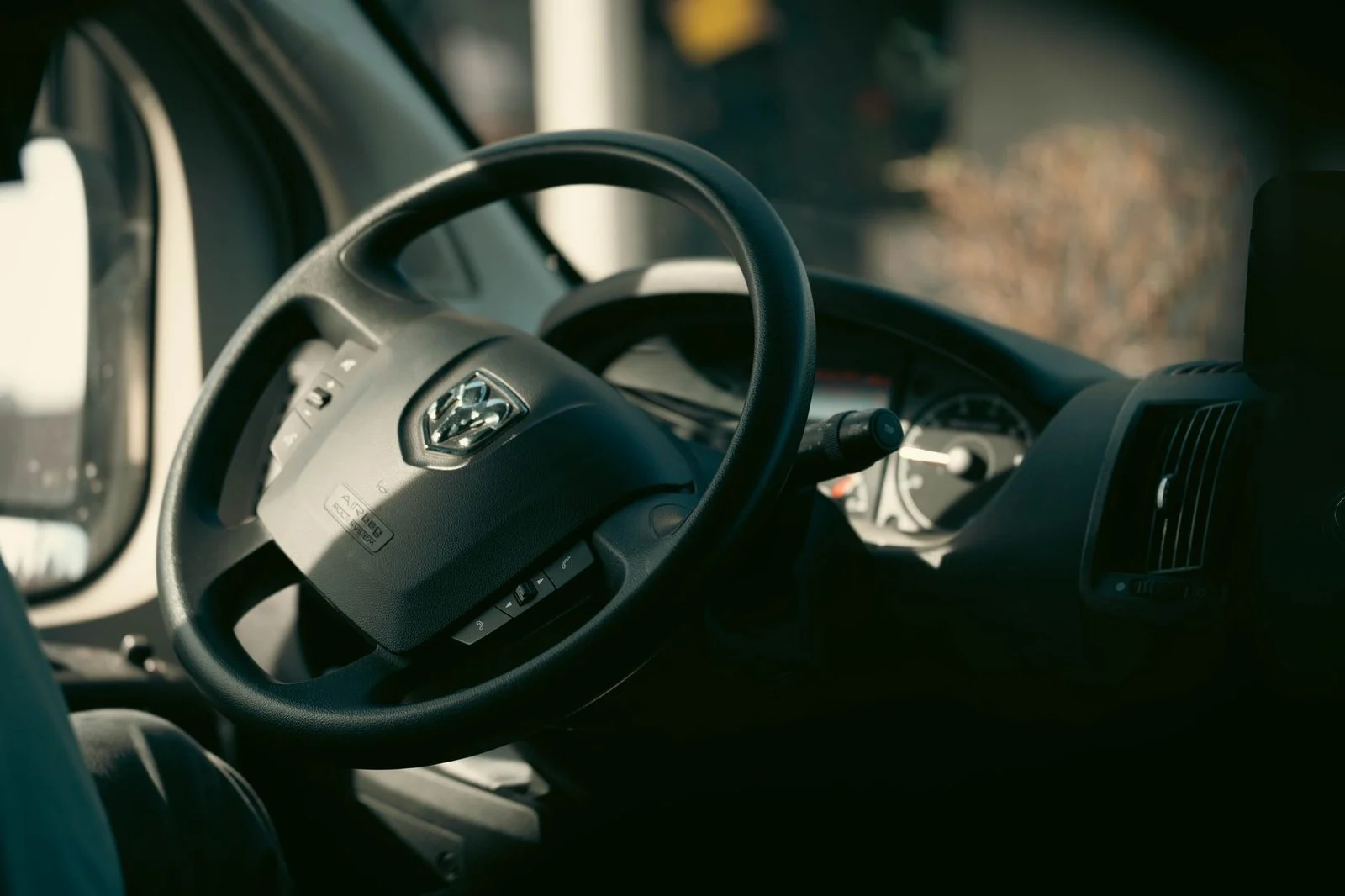
How a Company Becomes Responsible for Its Employee Driver
A company can answer for its employee’s negligence when the employee acts within the scope of employment. In a company liable for employee driver crash West Virginia case, the key question is what the driver was doing at the time.
Scope of employment usually turns on a few facts:
- Was the driver on the clock?
- Was the driver making a delivery or running a route the company assigned?
- Was the driver using a company vehicle for company work?
Vehicle ownership can matter too. The owner, a leasing company, or the business that controlled the trip may each play a role. Leases, dispatch records, and trip assignments can show who.
Some companies argue the driver was an independent contractor, not an employee. That argument gets close review. The answer often comes down to how much control the company had over the work.
Can a Company Be Blamed for Its Own Decisions in a Crash?
Yes. A claim can also target choices the company made about its driver, not only what the driver did.
- Hiring: Did the company check the driver’s record and license before putting him or her on the road?
- Supervision and retention: Did the company keep a driver it knew, or should have known, was unsafe?
- Entrustment: Did the company hand a vehicle to a driver who was not fit to operate it?
Federal rules set a baseline. Under 49 C.F.R. § 391.23, a motor carrier must ask each licensing authority where the driver held or holds a motor vehicle operator’s license or permit during the preceding 3 years for the driver’s motor vehicle record within 30 days after hire. That record covers the prior three years.
The Federal Motor Carrier Safety Administration sets driving limits and required breaks for commercial drivers. These rules run alongside West Virginia law. A rule violation can matter as evidence in a claim.
Evidence That Can Show Who Is Responsible
The records a company keeps often show what the driver was doing and what the company knew. Here are records that may be helpful to gather:
- Driver logs: Under 49 C.F.R. § 395.8, a motor carrier must require each driver to record duty status for each 24-hour period.
- Driver qualification files: Under 49 C.F.R. § 391.51, a carrier keeps a file for each driver while the driver works there and for three years after.
- After a crash involving a commercial motor vehicle operating on a public road in commerce that results in the loss of human life, the employer must test each surviving driver who was performing safety-sensitive functions with respect to the vehicle for alcohol and controlled substances as soon as practicable, regardless of whether the driver is cited. If an alcohol test is not given within two hours, the employer must record why.
- Everyday records: Dispatch and GPS data, maintenance logs, police reports, photos, and witness names all help build the picture.
Timing matters. Some records are kept only for set periods, and video or phone data can be overwritten. Early steps to preserve evidence can make a real difference.
What a Claim Can Cover After a Catastrophic Injury or Wrongful Death
A claim can seek money for medical expenses, lost income, and other losses the law allows. The types of losses depend on the injury and the facts.
- Medical care from emergency treatment, surgery, hospital stays, and rehabilitation.
- Long-term needs after traumatic brain injury or spinal cord injury, such as therapy, equipment, and home changes.
- Lost income and reduced ability to work in the future.
- Pain, suffering, and loss of enjoyment of life, which are weighed case by case.
For some commercial vehicle crashes, West Virginia caps noneconomic damages against an employer. Under W. Va. Code § 55-7-32, in a personal injury or wrongful death action involving the operation of a commercial motor vehicle requiring a commercial driver’s license, the noneconomic damages that each person injured or killed may recover against the employer defendant are capped. Under W. Va. Code § 55-7-32, in a civil action for personal injury or wrongful death involving the operation of a commercial motor vehicle that requires a commercial driver’s license, the maximum compensatory damages for noneconomic loss recoverable against an employer defendant may not exceed $5 million for each occurrence, and beginning January 1, 2026, that limit increases each year for inflation based on the Consumer Price Index published by the United States Department of Labor, not to exceed 150 percent of the amounts specified in subsection (b). It applies only to causes of action arising after July 1, 2024, and is subject to the statute’s insurance requirement and exceptions. The cap is not available if the company lacks at least $3 million in commercial vehicle insurance for the occurrence. It also does not apply if the driver is found to have, at the time of the incident and among other listed conduct, operated a commercial motor vehicle loaded in excess of the maximum gross vehicle weight rating, not including when an operator or driver is legally operating the vehicle according to a permit issued under W. Va. Code § 17C-17-11, or engaged in distracted driving.
In a wrongful death case, the claim is brought by the deceased person’s personal representative under W. Va. Code § 55-7-6. The jury may award damages for loss of companionship and guidance, lost income and services, medical and hospital expenses, and reasonable funeral expenses. Every claim rests on its own records and evidence.
Deadlines and Fault Rules to Know Early
Generally, wrongful death claims in West Virginia must be filed within two years after the death, subject to the provisions of section eighteen, article two, chapter fifty-five (W. Va. Code § 55-7-6). W. Va. Code § 55-7-6 reads: “The provisions of this section shall not apply to actions brought for the death of any person occurring prior to July 1, 1988.” The clock works differently for each type of claim.
- Personal injury: Under W. Va. Code § 55-2-12, the claim generally must be brought within two years after the right to sue arises.
- Wrongful death: Under W. Va. Code § 55-7-6, the action generally must be commenced within two years after the death, subject to the provisions of section eighteen, article two, chapter fifty-five. W. Va. Code § 55-7-6 reads: “The provisions of this section shall not apply to actions brought for the death of any person occurring prior to July 1, 1988.”
West Virginia uses modified comparative fault. Under W. Va. Code § 55-7-13c, your own fault does not bar recovery unless it is greater than the combined fault of everyone else responsible. If it is less, your recovery is reduced by your share.
A typical path looks like this:
- Free case review: The firm gathers the crash facts, the injuries, and who was involved.
- Investigation: Requests for records and letters to preserve evidence go out.
- Medical documentation: Records show the injury and expected recovery. Brain and spinal cord injuries can take months or longer.
- Negotiation or lawsuit: Some claims settle. Others require filing a lawsuit.
Not sure what your next step is?
Talk it through with Big Bubba — the first case review is free, confidential, and carries no obligation.
Common Questions About Suing a Company After a Crash
Yes, in many cases a company can be sued after its driver causes a serious crash.
What is the statute of limitations for a personal injury claim in West Virginia?
Generally two years from when the right to sue arises, under W. Va. Code § 55-2-12.
Is it better to settle or sue after a company vehicle crash?
It turns on the facts, the injuries, and the evidence. Each case is reviewed on its own.
What should I avoid telling my insurance company?
Be careful with recorded statements, especially in the first days after a serious crash.
What happens if you hit a car in a company vehicle?
The same claim ideas can apply. Identifying the driver, the vehicle owner, and the insurer is an early step.
Can I still bring a claim if I was working when the crash happened?
Whether the driver was working at the time may matter, depending on the facts. Share those details early so they can be reviewed.

Next Steps If a Company Vehicle Hurt You or Someone You Love
Start by writing down what you remember while it is still fresh. Good notes help later.
- The date, time, and exact location of the crash.
- The company name, logo, and phone number on the vehicle.
- The driver’s name and any details about the trip.
- Names and contact details for witnesses.
- Photos of the scene, the vehicles, and any injuries.
- The police report number, if one was made.
A serious crash or a sudden loss is hard to think through. That is especially true while you are still recovering or grieving. If you’re still working out whether a company can be held responsible for what happened to your family, you can request a free case review. The review is confidential, and you can explain what happened in your own words.