
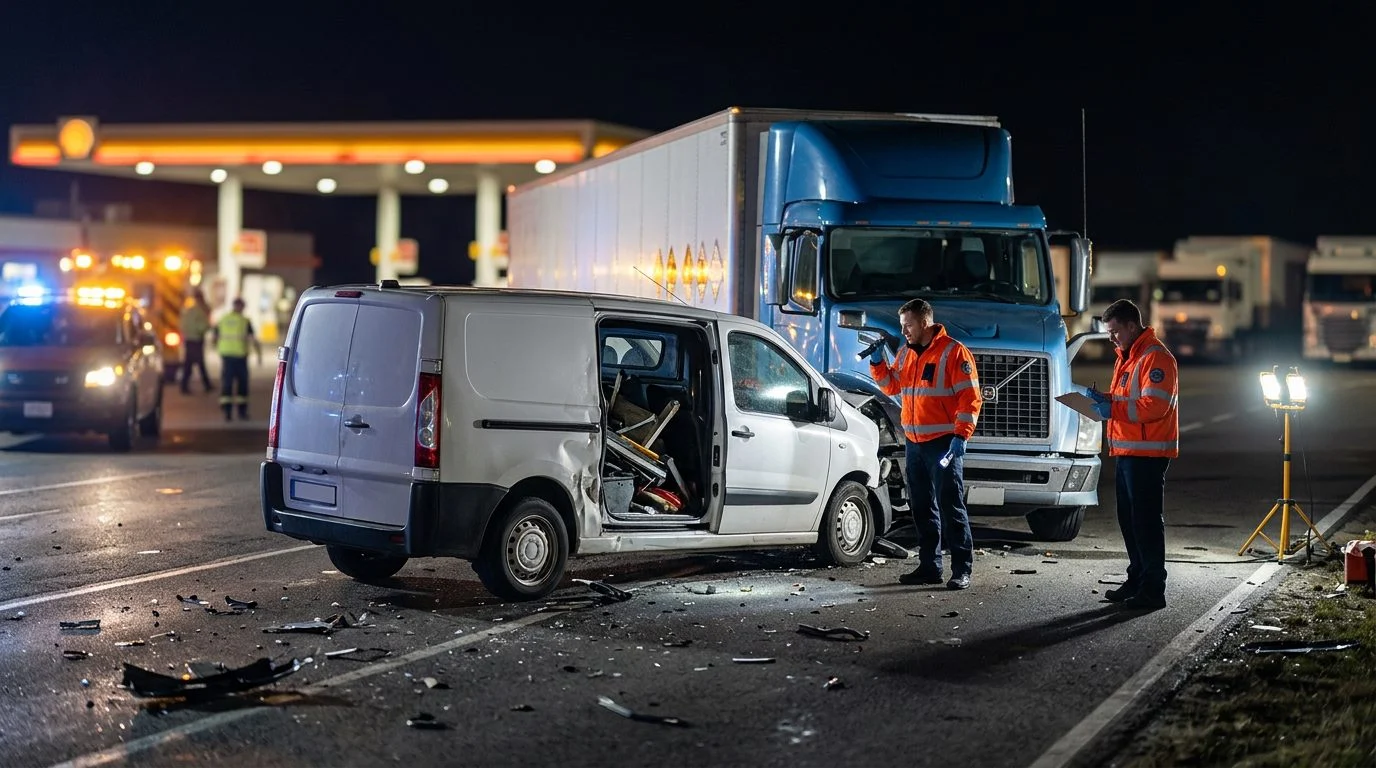
West Virginia Injury Claims
Hurt in a Work Van Crash? Learn Whether You Need a Lawyer
Crashes involving company vans can involve more than one driver, employer, or insurer. Here is how to think through your options, and how to reach out to our firm.
Published November 4, 2026
Short Answer: Do You Need a Lawyer After a Work Van Accident?
You don’t need a lawyer after every work van accident in West Virginia. But these crashes often involve more than one insurance policy, more than one possible at-fault party, and an employer. That’s why many injured people and families choose to talk with a lawyer early. The sections below explain where the legal questions tend to get complicated. For the broader picture, read our guide to serious injury claims in West Virginia.
If you were hurt in a work van crash, or you are caring for someone who was, you don't have to sort out the insurance and employer questions alone. Reach out for a free case review. Talk it through with Big Bubba — the first case review is free, confidential, and carries no obligation.
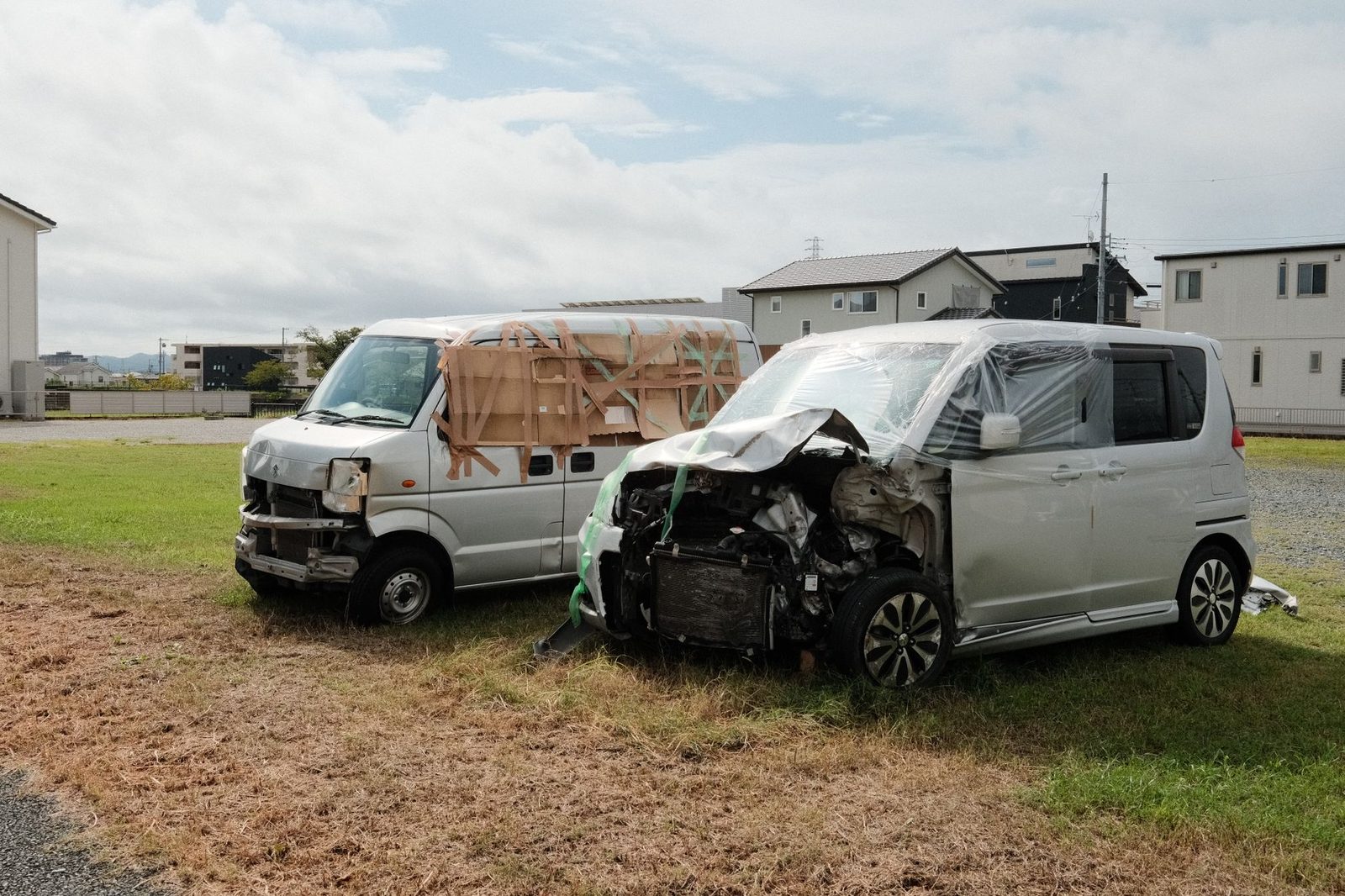
Why a Work Van Crash Can Involve More Than One Responsible Party
The driver isn’t always the only person who may share responsibility. The employer that owned, leased, or controlled the van may have a role. So may the driver of the other vehicle. Any company tied to the van’s maintenance or cargo loading could matter too. Which of these parties count depends on the facts.
West Virginia Code § 55-7-32 defines “employer defendant” for purposes of that section, which applies to cases involving a commercial motor vehicle that requires a commercial driver’s license. Who is liable depends on the facts of each case. The definition appears in W. Va. Code § 55-7-32.
Company vehicles raise a practical question. Who controlled the van, and who was responsible for keeping it safe? See McCormick v. West Virginia Department of Public Safety. Learn more about how employer responsibility is evaluated.
Workers’ Compensation and a Separate Claim Against Another Party
That system generally works differently from a lawsuit. Whether they apply depends on your job and the facts of the crash.
A claim against another party, such as the other vehicle’s driver, may be handled separately. It may also follow different rules. The two paths can interact. How they interact can depend on the facts and on the employer’s insurance arrangement.
A common mistake is signing a form or accepting a benefit before knowing the full scope of your injuries. Take time to review what you’re signing. These questions are worth working through before you commit to anything.
Insurance Coverage Questions in a Work Van Accident
West Virginia requires drivers to carry liability insurance. The state’s Division of Motor Vehicles consumer insurance page explains mandatory coverage, proof of coverage, and minimum liability limits. The financial responsibility statute, W. Va. Code § 17d-4-2, defines proof of financial responsibility as $25,000 for bodily injury or death of one person in one accident, beginning January 1, 2016.
Minimum limits may be far below the cost of a serious injury. Commercial and employer policies may carry different limits than a personal auto policy. You may need to identify which policies apply. These can include the van owner’s policy, the employer’s commercial auto or umbrella coverage, and the at-fault driver’s policy.
Some insurers may dispute a claim, or dispute which policy pays.
Hit-and-Run Crashes and Police Reports
Police may investigate a hit-and-run crash. Results depend on the evidence. Witnesses, camera footage, and vehicle damage can all matter. The crash report is an important record. It may list the vehicles, the drivers, and details of the scene. Write down the report number as soon as you have it.
If the other driver is never found, the coverage picture can change. Under W. Va. Code § 33-6-31, a motor vehicle is deemed uninsured if the owner or operator is unknown, and recovery under the uninsured motorist endorsement is subject to the conditions set forth in the section. The same section generally requires the insured to notify the insurer within sixty days after the accident that the insured has a cause of action against a person or persons whose identity is unknown. Missing that window could affect your options, and exceptions may apply.
If you can’t recall the crash, read about head injury claims when the crash is hard to remember.
What to Say and Avoid Saying to an Insurer
An insurer may ask for a recorded statement, medical authorizations, or a quick answer on an offer. You don’t have to answer every question on the spot. Some decisions can wait until you know more.
Avoid guessing about fault. Avoid guessing about injuries. Describe only what you know. Statements can be used later if the claim is disputed.
West Virginia also limits early settlement contact. W. Va. Code § 55-7-11a says that, within twenty days from the date of a personal injury, no person may negotiate a settlement, seek a release, or obtain a statement for settlement purposes while the injured person is either an inpatient in any hospital or partially or totally unable to engage in his or her usual trade, profession or occupation. Under W. Va. Code § 55-7-11a, a settlement, release, or statement obtained in violation of the section may be disavowed by the injured person at any time within one hundred eighty days from the date of the personal injury by executing a written statement of disavowal and forwarding a copy to the person violating the section; the settlement, release, or statement then may not be admissible in evidence only if any consideration paid is repaid or returned to the person who paid it at the time the copy is forwarded.
Not sure what your next step is?
Talk it through with Big Bubba — the first case review is free, confidential, and carries no obligation.
Settling or Suing: How the Decision Is Usually Framed
Whether to settle or sue depends on the facts. Many claims resolve without a lawsuit. Some do not. The right path depends on your injuries, the coverage available, and whether fault is disputed.
Deadlines matter. West Virginia generally allows two years to bring a personal injury action under W. Va. Code § 55-2-12, and exceptions may apply.
Fault also matters. Under W. Va. Code § 55-7-13c, your own fault generally does not bar recovery unless it is greater than the combined fault of everyone else responsible. If it is less, your recovery is reduced in proportion to your share of fault. Partial fault doesn’t automatically end a claim.
Once you accept a settlement, it may end the claim. Understand the full scope of your injuries before you decide.
Injuries and Losses That Often Call for Legal Review
Brain injuries and spinal cord injuries can take time to evaluate. The full effect may not be clear soon after a crash. Symptoms may change over time, and early reports may not show the whole picture. Learn more about traumatic brain injury and spinal cord injury claims.
Missed work is another common concern. Wage and time-off questions often follow a serious crash. See missed work after a serious crash injury for those questions.
Wrongful death is different. A family may need to know who can bring a claim and when. Wrongful death claims in West Virginia generally must be filed within two years after the death, and exceptions may apply (W. Va. Code § 55-7-6).

Questions to Bring to a Free Case Review
Gather a few items before you talk with anyone. Useful items include the crash report number, the employer’s name, photos of the scene and vehicles, medical records, time missed from work, and any letters from insurers. Keep a written list of every call and who made it.
Do I need a lawyer after a work van accident in West Virginia?
Not every crash requires one. Many people choose to speak with a lawyer when more than one policy or party may be involved.
How long do I have to file a claim?
West Virginia generally allows two years for personal injury claims, and exceptions may apply. Timing can differ for wrongful death.
If you were hurt in a work van crash, or you’re looking after someone who was, you may be dealing with employers, insurers, and bills all at once. The firm offers a free case review of your situation. You can reach out to the firm here.
Related practice areas
- Spinal Cord Injury Limitations West Virginia Guide