
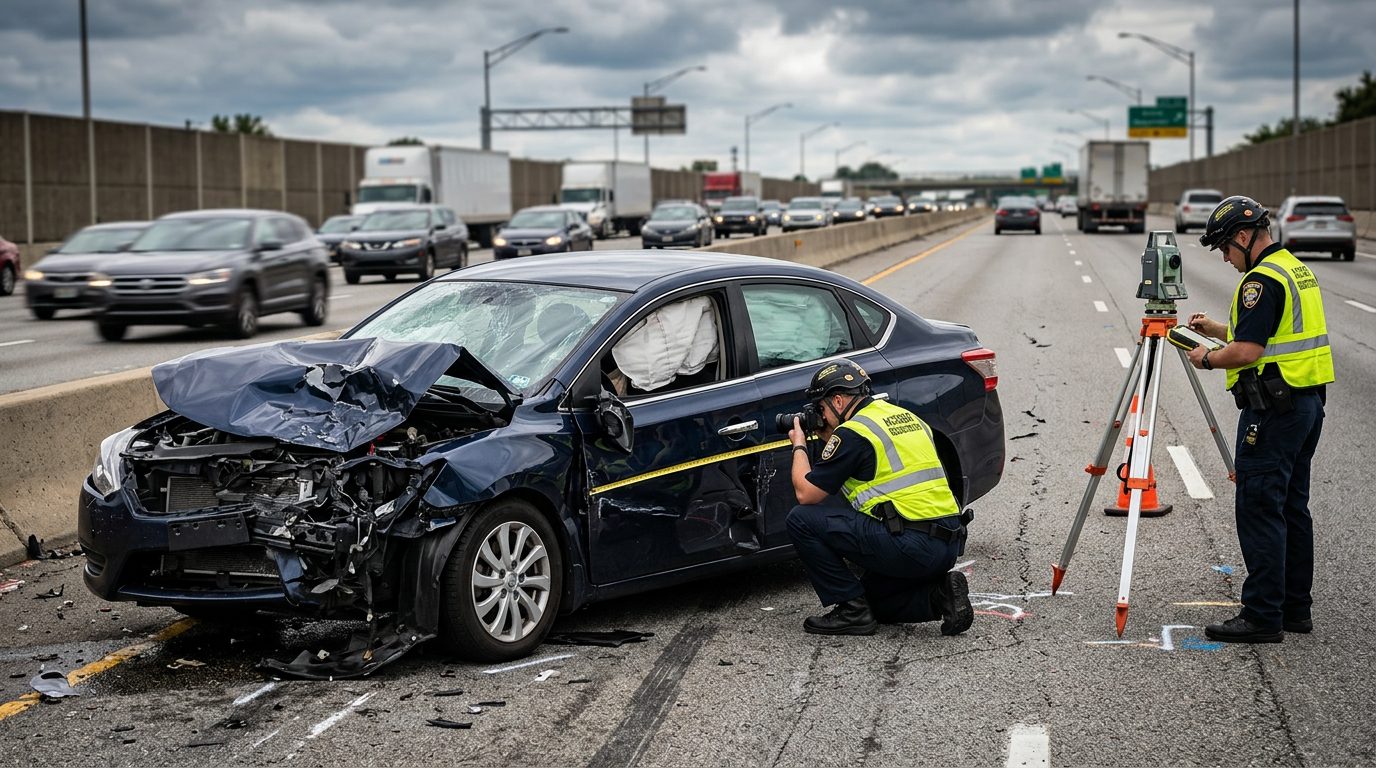
Catastrophic Injuries
Understanding Catastrophic Injuries from Crashes
A catastrophic injury permanently changes how a person's body or mind works. Learn what qualifies as catastrophic and why it matters for your recovery and your claim.
Published October 07, 2026
A catastrophic injury is one that permanently changes how a person’s body or mind works. Unlike injuries that heal and leave you where you started, catastrophic injuries from car and truck crashes alter daily life, independence, and the future itself. These injuries demand long-term medical care, ongoing therapy, or full-time support from another person. If you’ve been hurt in a crash in West Virginia, understanding what qualifies as catastrophic matters—both for your recovery plan and for any legal claim you may pursue.
What Makes an Injury Catastrophic
A catastrophic injury is one that causes permanent or long-term damage to your physical ability, mental function, or independence. The key word is permanent—or lasting so long that it fundamentally changes who you are and what you can do.
A broken arm that heals in six weeks is serious. A traumatic brain injury that affects your memory, mood, and ability to work for the rest of your life is catastrophic. The difference is whether you return to your baseline or whether your baseline has shifted for good.
Catastrophic injuries matter legally because they drive up the cost of recovery. You may need years of therapy, home modifications, attendant care, prosthetics, or medications. You may never work again. The law recognizes this by allowing recovery for these long-term impacts—but only if you understand what you’re dealing with and document it carefully.
Not sure what your next step is?
Talk it through with our team — the first case review is free, confidential, and carries no obligation.
Traumatic Brain Injuries from Crashes
Traumatic brain injuries (TBIs) happen when the force of a crash causes the brain to move inside the skull or the skull itself to fracture. The impact can occur in three ways: the head strikes an object, an object penetrates the skull, or the brain moves violently back and forth inside the skull during acceleration and deceleration.
TBIs range from mild to severe. A mild TBI, often called a concussion, may cause temporary confusion, a headache, or dizziness that resolves in days or weeks. Moderate and severe TBIs cause lasting damage.
Symptoms of a TBI may appear right away or develop over hours and days:
- Confusion or difficulty understanding what people say
- Memory loss or trouble forming new memories
- Persistent headache or pressure in the head
- Balance problems or dizziness
- Nausea or vomiting
- Sensitivity to light or sound
- Mood changes—irritability, sadness, anxiety
- Difficulty concentrating or processing information
- Fatigue that doesn’t improve with rest
For many people, these symptoms fade. For others, they persist for months or years. A severe TBI can leave someone unable to work, unable to live alone, or unable to recognize family members. Personality changes are common. Some people become aggressive; others become withdrawn. The person you knew may not come back.
Recovery from a TBI is unpredictable. Rehabilitation can help, but there’s no guarantee of full recovery. Many people live with permanent cognitive or emotional effects.
Spinal Cord Injuries and Paralysis
The spinal cord carries signals between your brain and the rest of your body. When a crash damages it, those signals stop. The result can be partial or complete loss of movement and sensation below the injury site.
The spine has five sections: cervical (neck), thoracic (mid-back), lumbar (lower back), sacral, and coccygeal. Where you’re injured determines what you lose.
Complete vs. Incomplete:
A complete spinal cord injury means the cord is fully severed or so damaged that no signals cross the injury. An incomplete injury means some signals still get through, and some function remains.
Tetraplegia (Quadriplegia) and Paraplegia:
An injury to the cervical spine causes tetraplegia—loss of function in all four limbs. An injury to the thoracic, lumbar, or sacral spine causes paraplegia—loss of function in the legs and lower body.
Beyond paralysis, spinal cord injuries affect bowel and bladder control, sexual function, and the ability to regulate body temperature. Many people develop chronic pain. Pressure sores, infections, and blood clots are constant risks.
Lifelong care includes physical therapy, medications, mobility aids (wheelchairs, walkers), home modifications (ramps, accessible bathrooms), and often a paid attendant to help with personal care. The cost is enormous, and the need never ends.
Severe Fractures and Multiple Bone Breaks
A single broken bone can heal. Multiple fractures—especially when they’re compound (the bone breaks through the skin) or occur in different parts of the body—can be catastrophic.
Compound fractures carry a high risk of infection. Crush injuries, where a limb is trapped and compressed, can cause compartment syndrome—a medical emergency where pressure builds inside the muscle and tissue dies if not relieved within hours. The result may be permanent disability, chronic pain, or amputation.
Even after surgery and healing, multiple fractures can leave someone unable to walk, unable to use their hands, or dependent on pain medication for life. Some people never regain full strength or range of motion.
Severe Burns and Disfigurement
Vehicle fires or explosions cause severe burns. Full-thickness burns destroy all layers of skin and underlying tissue. The body’s response to severe burns—fluid loss, infection risk, shock—can be life-threatening.
Survivors face multiple surgeries, skin grafts, and reconstructive procedures. Scarring is permanent. Contractures—where burned skin tightens and pulls muscles and joints—can limit movement for life. The psychological impact is profound: disfigurement affects how others see you and how you see yourself.
Have questions about what happened?
Ask our team directly. The first conversation is free, confidential, and there is no obligation to continue.
Organ Damage and Internal Injuries
Blunt-force trauma from a crash can damage internal organs. The chest, abdomen, or pelvis may absorb the impact, injuring the heart, lungs, liver, kidneys, or spleen. Internal bleeding can lead to shock and death if not treated immediately.
Survivors may have permanent organ dysfunction, chronic pain, reduced capacity for physical activity, or lifelong dependence on medications. Some organ damage isn’t apparent until days or weeks after the crash.
Amputations and Limb Loss
Crush injuries or traumatic impact can require amputation. The loss of a limb is both physical and psychological. Phantom limb pain—the sensation of pain in a limb that’s no longer there—affects many amputees and can be severe and persistent.
Prosthetics and physical therapy help, but relearning how to walk, work, or care for yourself takes months or years. Many people never return to the work they did before.
Do Car Crash Victims Feel Pain?
Yes—but not always immediately. The impact causes immediate pain. However, shock and adrenaline can mask pain in the first minutes or hours after a crash. As swelling and inflammation develop, pain often increases.
For people with catastrophic injuries, pain becomes chronic. It may never fully go away. Pain management—through medication, therapy, or other treatments—becomes part of daily life.
What Does “Life-Altering Injury” Mean?
A life-altering injury is one that permanently changes what you can do, who you are, or how you live. It means you may not be able to work, care for yourself, or do the activities that filled your days before the crash.
It means ongoing medical treatment, therapy, or help from another person. It means psychological and emotional recovery alongside physical healing. It means your future looks different than it did before the crash.
The term matters because it signals that this injury requires different planning, different support, and different legal recognition than injuries that heal and leave you whole.

Want to know where you stand?
Tell us what happened and our team will walk you through the options available to you, at no cost.
Next Steps After a Catastrophic Crash Injury
If you or someone you love has suffered a catastrophic injury in a crash, the immediate priority is medical care. Get to a hospital. Get treatment. Stabilize.
As you move forward, document everything: medical records, imaging, therapy notes, changes in daily function, time away from work, costs of care. This documentation becomes crucial if you pursue a legal claim.
In West Virginia, you generally have two years from when your right to bring the claim accrued to file a personal-injury lawsuit, and exceptions may apply. You also need to understand that West Virginia follows a modified comparative fault rule: you can recover damages even if you’re partially at fault, but only if your fault is 50% or less.
Understanding your injury, your rights, and your options is the first step toward recovery—both physical and financial.
Related practice areas
- Catastrophic Injury Recovery Timeline After a Crash
- Can You Recover From Cognitive Impairment After Brain