
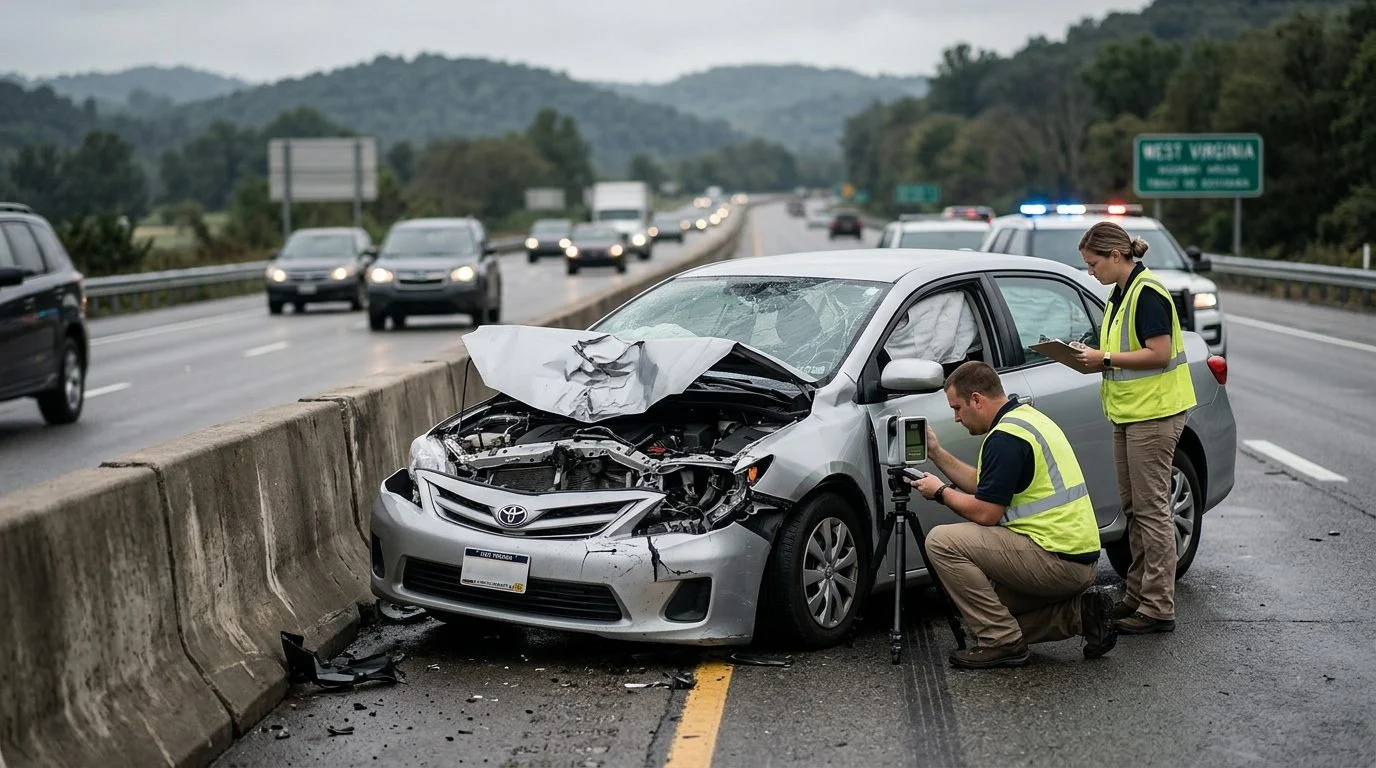
Hit and Run Injury Claims | West Virginia
Hurt in a Hit and Run? You Do Not Have to Figure Out the Next Step Alone
When a driver leaves the scene, the injuries and the questions can feel overwhelming. The firm represents people seriously hurt in car and truck crashes, catastrophic brain and spinal cord injuries, and wrongful death, across West Virginia.
Published November 4, 2026
A hit-and-run crash leaves injured people with urgent questions. Who was responsible? What happens when the driver is never found? A hit and run catastrophic injury lawyer in West Virginia can review those questions with you. This page explains the basics in plain words, so you can understand your options before you decide what to do next.
What a Hit-and-Run Catastrophic Injury Claim Is
A hit-and-run is a crash where the at-fault driver leaves the scene, or where that driver cannot be identified afterward. The vehicle may be a car, a pickup, a commercial truck, or another type of vehicle.
A catastrophic injury causes lasting change. It can affect how a person thinks, moves, works, or cares for family. Traumatic brain injury and spinal cord injury are two common examples. Both often need long-term medical care.
A hit-and-run can lead to two separate tracks. The first is a civil injury claim, which seeks compensation for the harm. The second is a criminal case the state may bring against the driver. The two follow different processes and can move on their own timelines.
This guide is written for three groups. The first is the injured person. The second is a spouse, parent, or adult child helping someone who is hurt. The third is a family whose loved one died in the crash.
If a driver hit you and drove away, or a loved one died in the crash, you may have options under West Virginia law. Tell us what happened and we can talk it through with you. Talk it through with Big Bubba — the first case review is free, confidential, and carries no obligation.
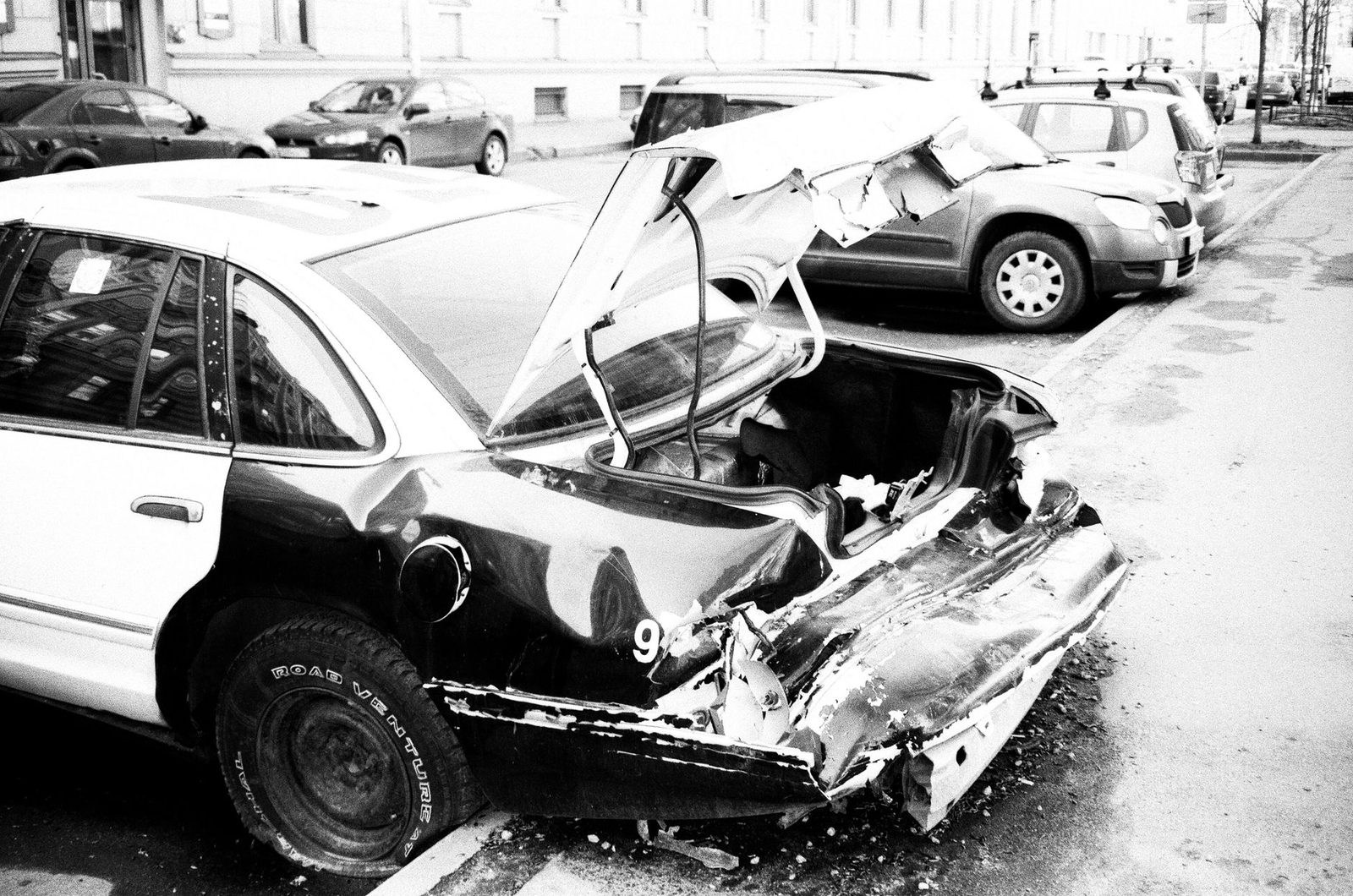
Leaving the Scene and Unidentified Drivers in West Virginia
When the driver leaves, the injured person’s own insurance may become a key source of help. West Virginia’s motor vehicle insurance statute sets specific steps for these claims.
Under W. Va. Code § 33-6-31, if the owner or operator of a vehicle that caused bodily injury or property damage is unknown, a claim may be filed as “John Doe” in the county where the crash happened or in any other proper county. The insured must also establish at trial that the vehicle was a “hit and run” motor vehicle. The statute defines this as one that caused bodily injury through physical contact with the insured or the vehicle the insured was in, or that caused property damage through physical contact with the insured’s property.
The facts of each crash matter. A criminal case can run apart from an injury claim.
Several kinds of evidence may matter. A police crash report, witness names, nearby video, and vehicle damage records may all be relevant, depending on the facts. You can learn more about how crash reports are used in injury claims.
Catastrophic Injuries That Often Follow a Hit-and-Run
Traumatic brain injury and spinal cord injury can follow a hit-and-run impact. Their signs are not always obvious at first. Some symptoms may appear days or weeks after a crash. Early medical care and clear records can matter later.
Doctors decide how severe an injury is and what recovery may look like. A claim usually relies on records from the medical team. Helpful records may include:
- Emergency room and hospital records
- Imaging results, such as scans
- Notes from medical providers and therapists
- A log of missed work and daily tasks you can no longer do
A hit-and-run often leaves no driver to name. That makes the injured person’s own coverage an early focus. A review of available policies is often one of the first steps. When you reach out, you can also share your medical questions with the firm.
When a Hit-and-Run Causes a Wrongful Death
A hit and run catastrophic injury lawyer can explain who may bring a wrongful death claim after a fatal crash. In West Virginia, the claim is brought by the decedent’s personal representative. That is the person formally appointed to handle the estate. W. Va. Code § 55-7-6 sets this rule. Who may serve in that role should be confirmed for each family.
West Virginia generally allows two years after the death to file, and exceptions may apply. The statute sets this time limit in W. Va. Code § 55-7-6.
The statute lists damages a verdict may include. These include sorrow, mental anguish, and solace, such as the loss of companionship and guidance. They also include reasonably expected loss of income and of services, protection, care and assistance provided by the decedent, expenses for the care, treatment and hospitalization of the decedent, and reasonable funeral expenses. Families can read more about funeral and burial expenses after a fatal crash.
The first weeks after a fatal crash bring police contact, insurance calls, and stacks of paperwork. Families often carry all of this while grieving. A practical checklist can help organize the early tasks. See the catastrophic injury checklist for spouses.
What to Expect After You Reach Out
Your first step is a free case review. It is confidential, and it carries no obligation to continue. The firm will listen to what happened and explain the next steps in plain words. The process usually follows these steps:
- Describe the crash. Share the date, the location, your injuries, and any police report number you have.
- Review the facts. The firm looks at the police report, medical information, and insurance coverage, including your own policy. West Virginia bases recovery on comparative fault. Each person’s share of fault is a percentage, and liability is divided in direct proportion to it, as stated in W. Va. Code § 55-7-13a.
- Preserve evidence. Witness statements, video, vehicle data, and medical opinions may be relevant. The useful evidence varies from case to case.
- Present and negotiate the claim. If a fair resolution is not reached, the firm can discuss filing a lawsuit. No timeline or result can be promised. The firm explains each step before it is taken.
Questions Readers Ask About Hit-and-Run Claims in West Virginia
Here are short answers to common questions about these claims.
Is a hit and run a felony in West Virginia?
The criminal side is separate from an injury claim.
Is West Virginia a no-fault state for car accidents?
West Virginia injury claims generally rest on fault. A driver’s share of fault is set as a percentage, under W. Va. Code § 55-7-13a. The firm can review your own policy’s coverage terms.
What if the driver is never found?
Your own uninsured motorist coverage may be relevant.
How long do I have to file an injury claim?
West Virginia generally allows two years for personal injury claims, and exceptions may apply. See W. Va. Code § 55-2-12.
Can a family file after a fatal hit-and-run?
The personal representative brings the claim. It generally must start within two years after the death, and exceptions may apply (W. Va. Code § 55-7-6).
How do I start?
Contact the firm for a free case review. Describe what happened, and share any police report number you have.
Not sure what your next step is?
Talk it through with Big Bubba — the first case review is free, confidential, and carries no obligation.

What to Know After a Serious Crash
You may be recovering from injuries, grieving, and trying to read a police report at the same time.
The firm handles hit and run catastrophic injury claims in West Virginia. We can review the crash facts, the police report, and the coverage that may apply. No result can be promised in any case.
When you are ready, tell Big Bubba what happened and request a free case review.