

Catastrophic Injuries | West Virginia
When a Loved One Is on a Ventilator After a Crash
Plain-language guidance for West Virginia families facing a hospital stay they never expected. Talk with the firm about what happened.
Published November 4, 2026
A ventilator is a machine that helps move air in and out of the lungs when a person cannot breathe well enough on their own. After a serious crash, families are often asked to understand medical terms while sitting in a hospital hallway. This guide explains the basic terms, what families may notice, the questions to bring to the care team, and the records and deadlines that matter in West Virginia.
What Is a Ventilator and What Is a Breathing Tube?
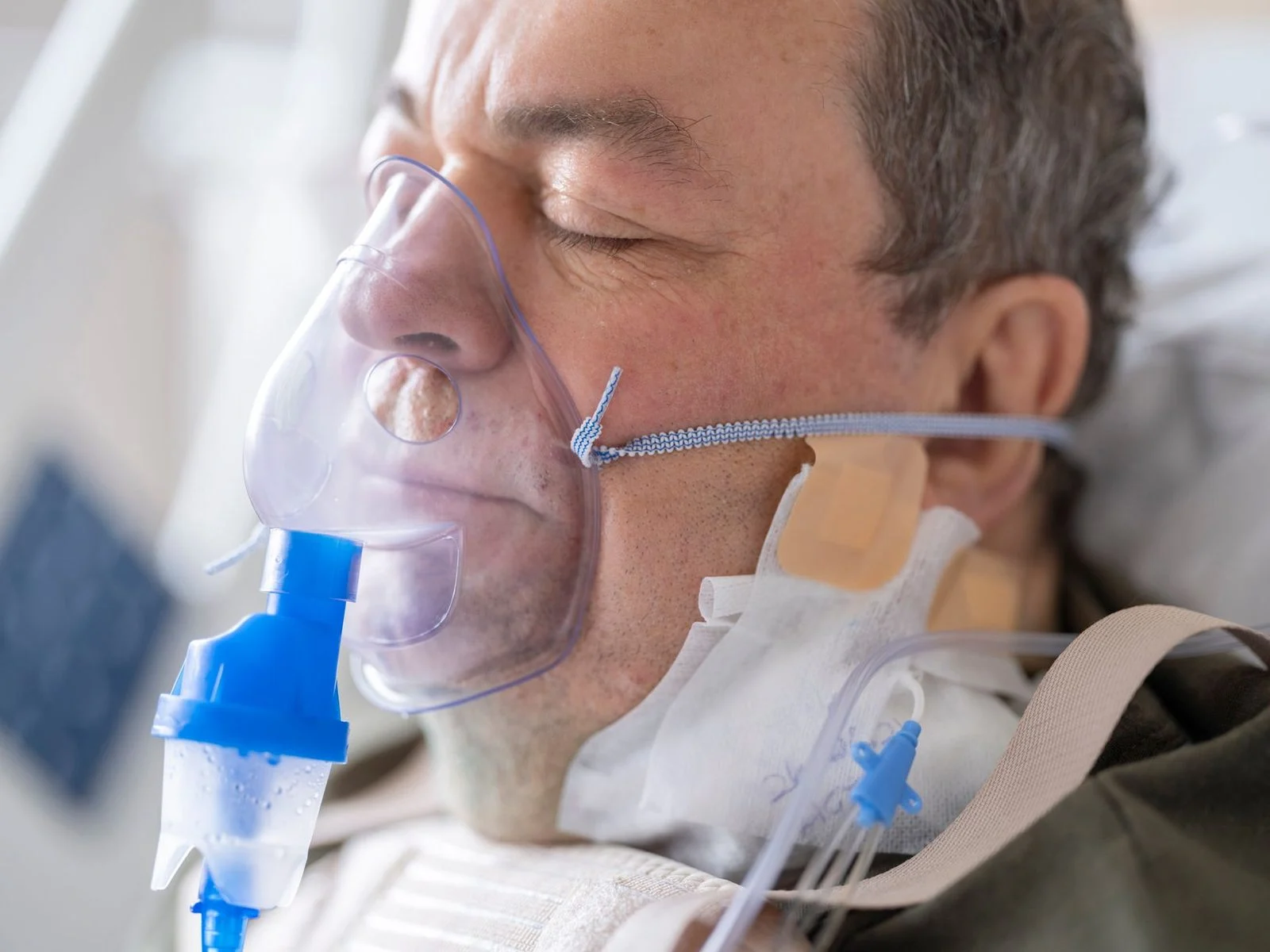
A ventilator is a machine that moves air into and out of the lungs for a person who cannot breathe well enough alone. It supports breathing while the body heals or while the medical team works out what is wrong.
A breathing tube is a flexible tube placed into the airway. It usually goes through the mouth or nose and connects to the ventilator. The tube gives the machine a direct path to the lungs.
Intubation is the medical word for placing that breathing tube. The medical team usually does this, often in an emergency room or intensive care unit. Seeing the tube can be upsetting. Ask the team to explain each piece of equipment as you see it.
Whether and how long a person needs a ventilator is a treatment decision. The care team makes it based on the patient’s condition. They can explain it in detail to you.
If you want help understanding what happened, you can reach out to the firm and tell it what happened, at whatever pace feels right for your family. Talk it through with Big Bubba — the first case review is free, confidential, and carries no obligation.
Why Your Loved One May Need a Ventilator After a Crash
A crash can injure the chest, lungs, head, or spinal cord. Any of these injuries can affect breathing. A ventilator may be used while the body recovers or while doctors evaluate the injury.
Being on a ventilator tells the family that the body needs breathing support. That is a serious medical situation. It does not, by itself, tell anyone how the patient will do over time. Those answers come from the treating doctors, who watch breathing, oxygen levels, and imaging results.
The reason for ventilator support is specific to each patient. Ask the doctors to explain, in plain words, what is causing the breathing problem. Write the answer down so you can review it later.
Serious crash injuries can bring long hospital stays and many decisions for the family. The firm’s catastrophic injuries page gives more context on these injuries.
Communication, Eating, and Side Effects While on a Ventilator
A breathing tube generally keeps a person from talking. Many patients communicate in other ways, such as writing, pointing, squeezing a hand, or nodding, when they are able.
Ask the nurses which methods work for your loved one. Keep a pen and a small card or board at the bedside. Some patients can also learn a simple yes-or-no signal.
Can someone sedated on a ventilator hear you?
Sedation is medicine that can reduce awareness and responsiveness. Whether your loved one hears or understands you depends on the medicines and the patient’s condition. Ask the care team how sedation is managed and whether familiar voices or music may help.
Eating works differently. A patient with a breathing tube generally does not eat by mouth. The care team decides how nutrition is delivered, usually through a feeding tube or an IV. Ask how this is handled and when swallowing will be tested.
Breathing machines and long hospital stays can bring side effects. The care team monitors for them. Ask which signs matter most, and keep a simple notebook of changes you notice to share at team meetings.
How Long Ventilator Support Lasts Depends on the Facts
Ventilator support can last very different lengths of time from one patient to the next. The length depends on the injury, the patient’s overall health, and how the body responds to treatment.
How long can a person be on a ventilator and survive?
No general number of days applies to every patient. The expected course of illness, called the prognosis, is a question for the treating team. They know the patient’s scans, test results, and progress. Ask them what they expect and what could change that outlook.
Families are often asked to make decisions over the course of care. These can include goals of care, such as how aggressive treatment should be. You can ask for a family meeting at any time to talk through options.
Medical recovery is uncertain. No one can promise a specific result. Focus on clear, current information from the team, and update it as things change.
Questions to Ask the Care Team
The most useful questions are short and specific. Write them down before each update so you don’t forget them under stress.
- Why does my loved one need the ventilator right now?
- What is the plan for next steps, including any tests of breathing with less support?
- What complications should we watch for?
- How is communication being supported while the tube is in place?
- Who is the main contact for updates, and when is the best time to call?
Ask for a family meeting when decisions are pending. Ask for written summaries of diagnoses and imaging results. When care moves to another facility, ask for copies of discharge or transfer notes. Keep a current list of medications and allergies with you.
A hospital social worker or case manager can often explain practical next steps. These may include insurance paperwork, transportation, and home needs. Ask to be connected to one early.
Protecting the Crash Record: Reports, Evidence, and Commercial Vehicle Logs
A police crash report is often one of the first documents families look for after a serious crash. Ask the investigating agency how to request a copy, and keep the report number handy. The firm’s page on getting a police crash report explains the process.
Families may also want to keep:
- Photos of the vehicles and the scene, if anyone took them
- Names and phone numbers of witnesses
- Insurance information for every vehicle involved
- Hospital bills, discharge papers, and visit notes
- Work records showing time missed
Truck and commercial vehicle crashes can involve different records. Driver logs, maintenance files, and dispatch messages may be relevant, depending on the facts. Federal rules require post-accident testing. Federal rules also require a driver’s duty status record, covered in 49 CFR 395.8. The firm’s page on truck driver logs after a crash has more detail.
Save text messages, social media posts, and letters from insurers. Avoid posting details about the crash online. Some insurers may dispute a claim, so organized records can help if questions come up later.
Not sure what your next step is?
Talk it through with Big Bubba — the first case review is free, confidential, and carries no obligation.
Legal Options and Wrongful Death Questions in West Virginia
West Virginia generally allows two years to file a personal injury lawsuit, and exceptions may apply. See W. Va. Code § 55-2-12. Families should ask early about the deadline that applies to their case.
If a loved one dies, West Virginia generally requires a wrongful death action within two years after the death, under W. Va. Code § 55-7-6. That action is brought by the personal representative of the deceased person, who must be duly appointed.
Fault is decided on the facts. West Virginia uses comparative fault, which allocates each person’s liability by percentage of fault, under W. Va. Code § 55-7-13a.
If an insurer contacts your family, you can reach out to the firm to talk about your situation.
A traumatic brain injury or spinal cord injury can change long-term needs. Families often discuss those needs with their attorney and care team. The firm’s page on working after a spinal cord injury covers one of these questions.
Key Questions After Your Loved One’s Crash
The firm handles car accident, truck accident, commercial vehicle, catastrophic injury, traumatic brain injury, spinal cord injury, and wrongful death matters for people across West Virginia.
Sitting beside someone you love on a ventilator is hard. Families in this position may feel pulled in many directions at once. You may be talking with doctors, signing forms, and trying to keep up with work and children, all while the crash is still on your mind.
You don’t have to sort through the crash alone. If you want help understanding what happened, you can reach out to the firm and tell it what happened, at whatever pace feels right for your family. Request a free case review.