

Serious Injury Claims in West Virginia
A Serious Crash Can Stop Your Paycheck. Your Claim Can Account for It.
When injuries keep you away from work, the lost income can be as stressful as the injury itself. Here is how missed wages are documented and why they matter to your claim.
Published November 4, 2026
Lost wages after a serious crash injury in West Virginia can be part of an injury claim, but the answer depends on the facts. Lost wages are income you lose because an injury keeps you from working. This guide explains what lost wages can include, how West Virginia’s fault rules may apply, where the money may come from, and which records help prove the loss. If you’re reading this for a family member, you’re not the only one carrying the worry about bills.
What Missed Work Can Mean After a Serious Crash Injury
Lost wages are the pay you lose when an injury keeps you off the job. They can include shifts you missed, hours cut from your schedule, overtime you could not work, and time spent at medical appointments that pulled you away from work.
Past lost wages cover what you already lost. Lost earning capacity looks forward. It asks whether an injury may limit the kind of work you can do, or how many hours you can work over time.
A serious traumatic brain injury or spinal cord injury can change more than your hours. Physical limits, memory problems, or trouble with focus may narrow the jobs a person can safely do. Whether that change supports a claim depends on the medical evidence.
If you’re watching a paycheck stop while bills keep coming, that pressure is real. Many families feel it before they know which questions to ask.
If a serious crash has stopped your paycheck, you don't have to sort out missed pay on your own. Reach out to the firm to talk through your options. Talk it through with Big Bubba — the first case review is free, confidential, and carries no obligation.

How West Virginia Law Generally Treats Lost Wages in an Injury Claim
Lost wages are one part of the damages a person may seek after a crash. The details depend on the facts of each case.
West Virginia uses a modified comparative fault rule. Under W. Va. Code § 55-7-13a, each person’s share of fault is set as a percentage. Under W. Va. Code § 55-7-13c, an injured person’s own fault does not bar recovery unless it is greater than the combined fault of everyone else responsible. If it is smaller, the recovery is reduced in proportion to that person’s fault. A partly at-fault person may still have a claim, though the amount may be lower.
Fault is usually sorted out from the facts of the crash. Crash reports, traffic records, photos, and witness statements often matter.
Time limits matter too. West Virginia generally allows two years to file a personal injury action under W. Va. Code § 55-2-12, and exceptions may apply.
When a crash leads to a death, a wrongful death claim may include the decedent’s reasonably expected loss of income and the support and care the decedent provided. Under W. Va. Code § 55-7-6, the action is brought by the estate’s personal representative and generally must start within two years after the death.
Where Missed-Work Pay May Come From
Missed-work pay may come from a liability claim, your own auto policy, or benefits tied to your job or to government programs.
A liability claim is usually directed at the at-fault driver’s insurer. When a truck or company vehicle was involved, the claim may also look at the commercial carrier and the company that hired the driver.
Your own policy may help too. Whether a given policy applies depends on its language.
Employer benefits such as paid sick leave, paid time off, and disability benefits may be used first. Their records can matter when you present the loss.
One timing rule matters early. For 20 days after an injury, a person who is in the hospital or unable to work generally cannot be pressed into settlement talks. Under W. Va. Code § 55-7-11a, an injured person may disavow a settlement, release or statement obtained in violation of the section at any time within one hundred eighty days from the date of the personal injury, by executing a written statement of disavowal and forwarding a copy to the person who violated the section.
Records That Help Prove Lost Wages
Pay stubs, tax returns, and a letter from your employer are the core records for proving lost wages.
- Pay records for the year before the crash. Pay stubs, W-2s, and tax returns help show normal earnings and hours.
- An employer letter. It should confirm your position, schedule, pay rate, and the dates you missed.
- Attendance and schedule records. Time-clock data and the schedule in place before the crash show what you would have worked.
- Doctor’s notes. Written work restrictions and off-work dates connect the missed time to the injury.
- Self-employment records. Invoices, bank deposits, contracts, and a list of jobs lost or declined can show income for people who work for themselves or on contract.
Why Missed-Work Claims Can Be Harder to Prove
Missed-work claims get harder to prove when time off was partial, unlogged, or tied to changing duties.
Partial days, reduced hours, and short appointments often go unwritten at the time. Memory alone can leave gaps. A move to lighter work with lower pay can also make the loss harder to measure, especially when the change came after the crash.
Some insurers may dispute the amount of lost pay or how closely it ties to the crash. Pre-existing conditions and gaps in treatment can also lead to questions about how much time off the crash caused. Clear, dated records help answer those questions early.
Steps You Can Take Now to Keep Good Records
Start a written work-loss log today, and update it each week.
- Log each missed shift. Note the date, the hours missed, and the reason.
- Ask your doctor for written work restrictions. Ask that any off-work period be noted in your chart.
- Keep every pay stub and benefits letter. Request written confirmation of any unpaid leave.
- Save texts and emails with your supervisor. Keep messages about schedule changes or missed shifts.
- Write down the estimated lost pay. Note the approximate amount lost each week, and keep receipts for expenses tied to the injury.
Not sure what your next step is?
Talk it through with Big Bubba — the first case review is free, confidential, and carries no obligation.
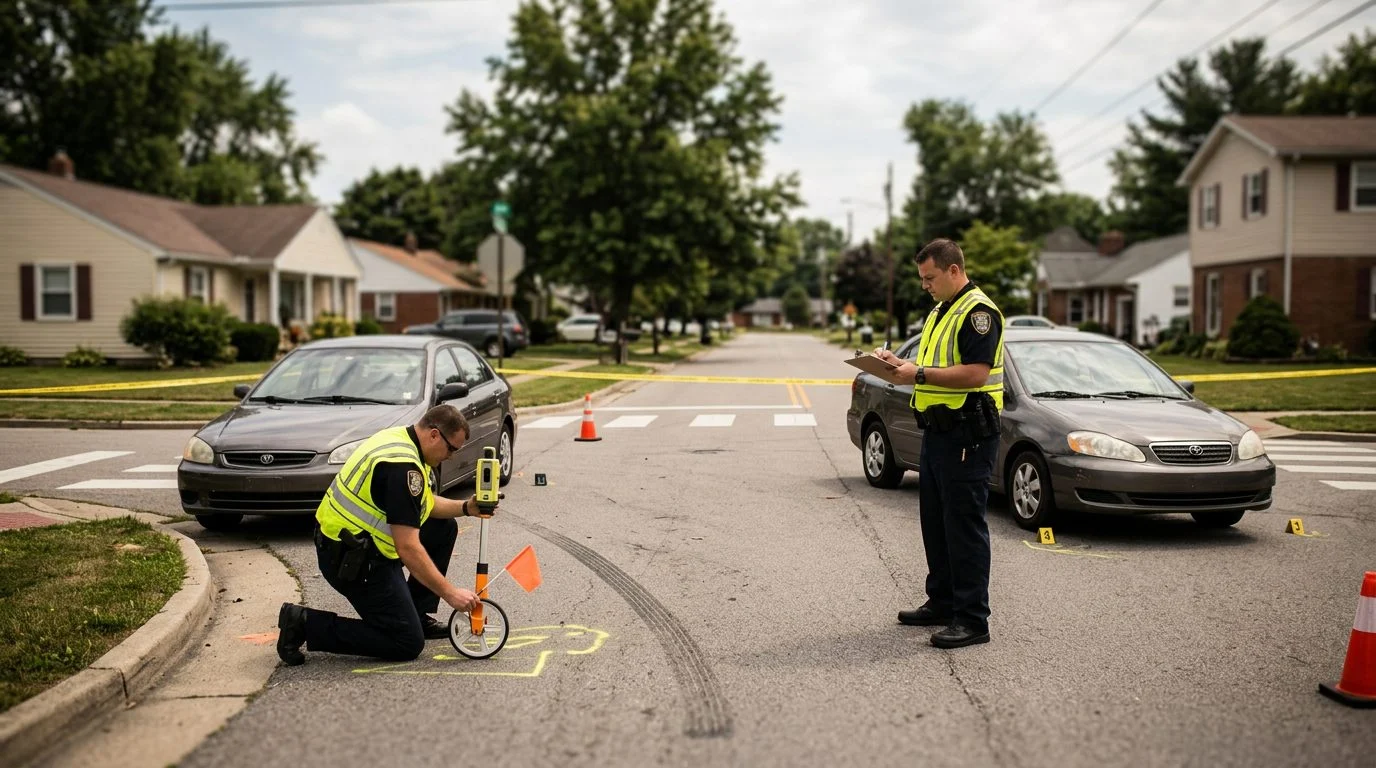
Talking With the Firm About Missed Work After a Crash
If you’re not sure missed pay can be part of your claim, raising the question early helps. Records are easier to gather while the details are fresh.
We handle car accident, truck accident, commercial vehicle, catastrophic injury, traumatic brain injury, spinal cord injury, and wrongful death matters. We serve injury victims across West Virginia, including Charleston and Huntington. For more on serious injuries, read our catastrophic injuries guide.
Can I still claim lost wages if I went back to work?
Going back to work does not automatically end a claim. Missed time and reduced hours before you returned may still be part of it, depending on the facts.
Can a family seek lost income after a fatal crash?
West Virginia law allows a wrongful death claim that may include a family’s lost income and support. The specifics depend on the facts and the people involved.
If a serious crash has kept you out of work and bills are stacking up, you can reach out for a free case review. Talk through missed pay and the records to gather with the firm.