
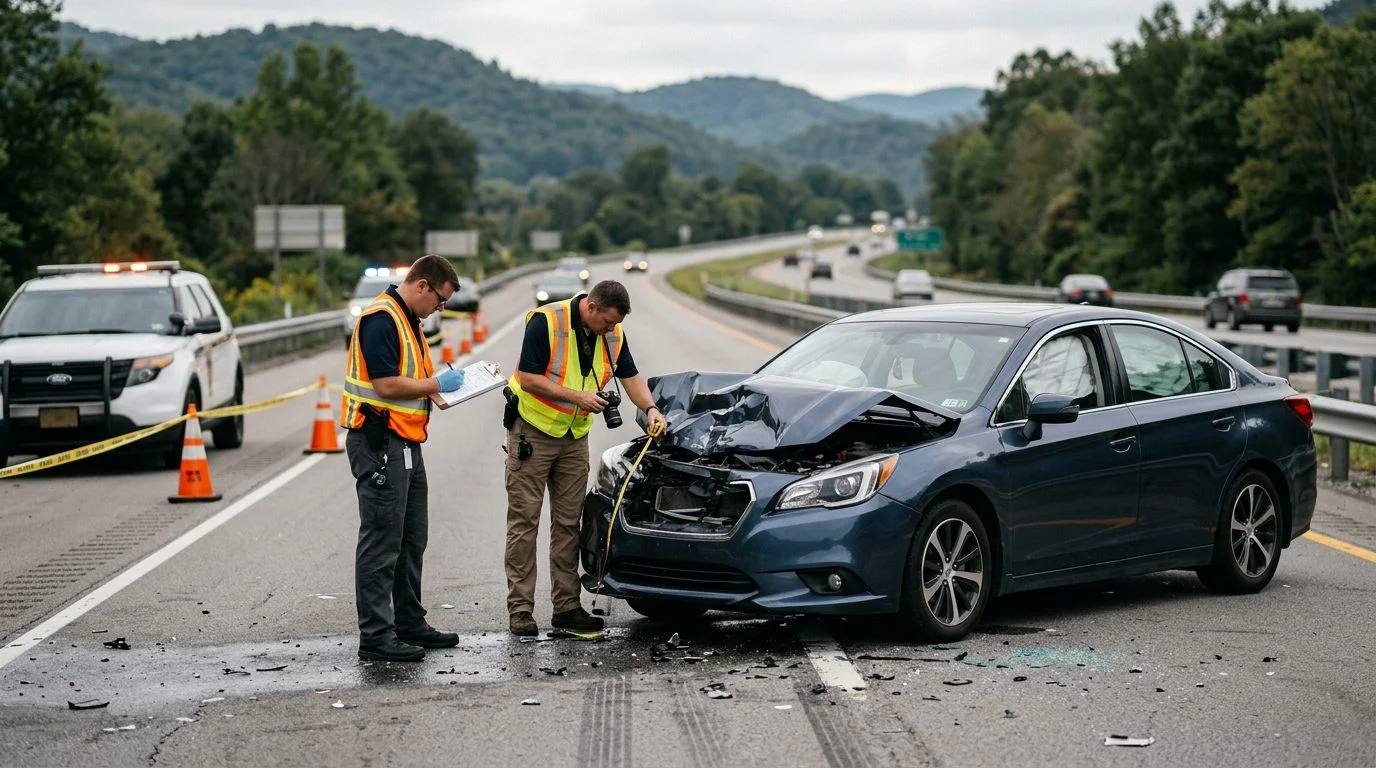
Talk to Big Bubba About Your Case
How Big Bubba Can Help
Plain-language answers
We explain your options in clear terms so you can make informed decisions about your case.
Support for families
We handle wrongful death claims for families who have lost a loved one in a crash.
Serving West Virginia
We serve injury victims in Charleston, Huntington, Morgantown, Wheeling, Martinsburg, Parkersburg, Beckley, Clarksburg, Fairmont and Weirton.
Published November 5, 2026
A motorcycle crash catastrophic injury lawyer can review what happened and explain your options under West Virginia law. This page covers what a serious motorcycle injury claim involves and the steps that usually follow.
Who This Claim Is For and What It Covers
A catastrophic motorcycle injury claim is for riders, passengers, and families hurt or killed in a serious crash. A catastrophic injury is a harm that lasts. It may include a traumatic brain injury, a spinal cord injury, or other injuries that need long-term medical care.
This claim may fit you if you are:
- An injured rider or passenger with a serious, lasting injury
- A family member after a fatal motorcycle crash
- A rider hurt in a crash involving a car, a truck, or another commercial vehicle
The firm handles these claims across West Virginia. A claim may involve more than one party. That can include another driver, a commercial vehicle operator, or a vehicle owner. Who is responsible depends on the facts of each crash, so a review of what happened comes first.
If you are facing a serious motorcycle injury or the loss of someone you love, reach out now. Talk it through with Big Bubba — the first case review is free, confidential, and carries no obligation.
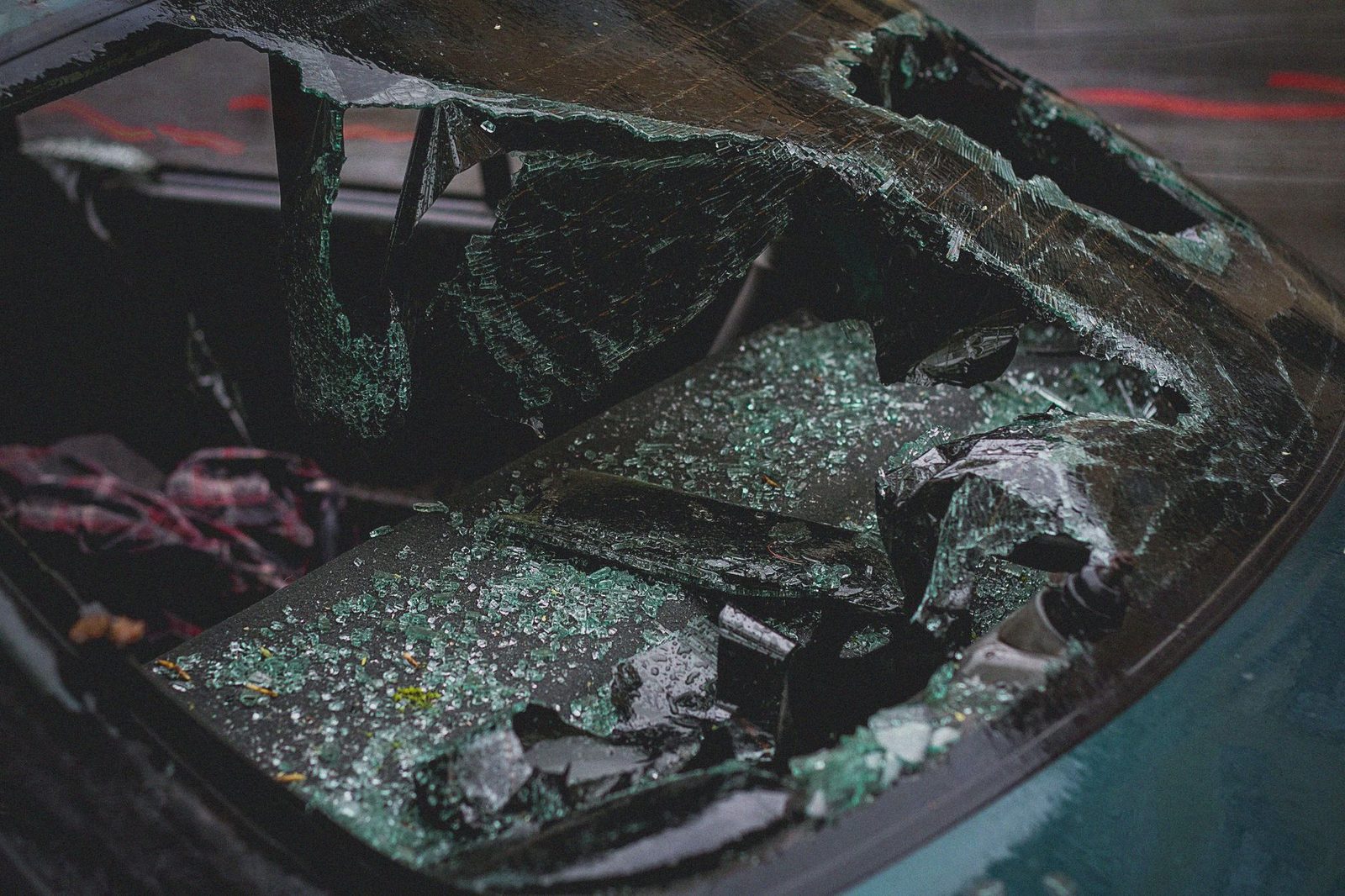
Crash Situations and Injuries the Firm Handles
The firm handles motorcycle crashes that cause brain, spinal cord, and other lasting injuries, along with fatal crashes. Common crash types include a vehicle turning across a rider’s path or changing lanes into a motorcycle. A collision with a commercial truck is another pattern. These are examples to review, not findings about any crash. Details such as lighting, speed, and the position of each vehicle can matter.
Traumatic brain injury. Some symptoms may appear hours or days after a crash. Headaches, confusion, and memory trouble can be signs. A common mistake is waiting for symptoms to fade before getting checked. Medical evaluation matters even when a rider feels fine at first. Recovery time varies by person and by injury.
Spinal cord injury. In general terms, a complete injury means no function below the injury site. An incomplete injury leaves some function. Medical records show which type applies in a given case.
Wrongful death. When a crash is fatal, the family may have a claim. West Virginia law sets who brings the action and how the deadline runs.
What a Motorcycle Injury Claim May Seek
A claim may seek compensation for medical care, lost income, and other losses the law allows, depending on the facts. Categories that may apply include:
- Past and future medical care, including hospital stays, surgery, and rehabilitation
- Physical and occupational therapy
- Lost wages and reduced ability to earn in the future
- Help at home and personal care
Which categories apply depends on the medical records and evidence in each case.
For a wrongful death claim, West Virginia law lists the losses a family may seek. These may include sorrow, mental anguish, and solace, which may include society, companionship, comfort, guidance, kindly offices and advice of the decedent. They may also include expected loss of income and services the person provided, medical and hospital expenses tied to the injury, and reasonable funeral expenses. W. Va. Code § 55-7-6 sets out these categories.
How the Claim Process Works, Step by Step
A claim usually starts with a free case review, then moves through evidence, insurance talks, and possibly a lawsuit. Here is the typical path.
- Free case review. The firm offers a free case review. It is confidential and carries no obligation to continue. You describe the crash and ask your questions.
- Gather evidence. Useful items may include the police crash report, photos, witness names, medical records, and records of missed work.
- Preserve proof. Vehicle data and a commercial carrier’s records can be lost over time. Early contact may help protect them.
- Present the claim. The claim goes to the responsible insurers. Some insurers may dispute a claim or ask for more records.
- Negotiate. Many claims involve talks with insurers. Not every claim settles this way.
- File a lawsuit if needed. If a fair resolution is not reached, a lawsuit may be filed in the proper West Virginia court before the deadline.
Serious claims may take months or longer. The length depends on medical recovery and how complex the case is. Gathering records can take time, especially hospital and crash records. Keep copies of everything you send and receive.
West Virginia Filing Deadlines and Fault Rules
West Virginia generally allows two years to file a personal injury lawsuit, and exceptions may apply. W. Va. Code § 55-2-12 sets this general period for personal injury claims.
For personal injury, West Virginia law generally runs the two years from when the right to bring the claim accrued, as provided in W. Va. Code § 55-2-12. Medical treatment can continue while the clock runs, so early review helps.
If an injured person dies from the injury while a case is pending, the case may continue through the estate. W. Va. Code § 55-7-8 addresses an action brought by an injured person who later dies from the injury: the action does not end with the death and may be revived in the name of the personal representative.
West Virginia uses a modified comparative fault rule. W. Va. Code § 55-7-13c generally reduces recovery by a rider’s share of fault. Generally, a rider’s fault bars recovery only if it is greater than the combined fault of everyone else responsible. Even a rider with a large share of fault may still recover a reduced amount.
When a commercial motor vehicle requiring a commercial driver’s license is involved, W. Va. Code § 55-7-32 may limit certain noneconomic damages against an employer defendant, but the limit is not available to an employer defendant that does not have commercial motor vehicle insurance in the aggregate amount of at least $3 million for each occurrence covering the personal injury that is the subject of the action. W. Va. Code § 55-7-32 reads: “(d) This section does not apply if the civil action involving a commercial motor vehicle arises from an incident for which an operator or driver is found to have.” The statute lists exceptions, such as impairment or willful or wanton disregard for safety.
Some insurers may dispute how fault is divided.
Questions Riders and Families Ask
Common questions involve deadlines, partial fault, and what to do first after a crash.
How long do I have to file a motorcycle accident claim in West Virginia?
West Virginia generally allows two years for personal injury claims, and exceptions may apply. Early review helps keep the deadline in view.
Can I still bring a claim if I was partly at fault?
Partial fault does not automatically end a claim. West Virginia generally reduces recovery by your share of fault (W. Va. Code § 55-7-13c).
Who can file a wrongful death lawsuit in West Virginia?
Under West Virginia law, the personal representative of the deceased person’s estate generally brings the action. The firm can explain who may share in a recovery in your situation.
What should I keep after a serious crash?
Keep the crash report number, photos, medical records, and records of missed work. Be careful about recorded statements to insurers, since some may request them early.
What if the crash report or evidence might be lost?
Tell the firm early so the question of preserving evidence can be addressed. Vehicle data and carrier records may be lost over time.
Not sure what your next step is?
Talk it through with Big Bubba — the first case review is free, confidential, and carries no obligation.
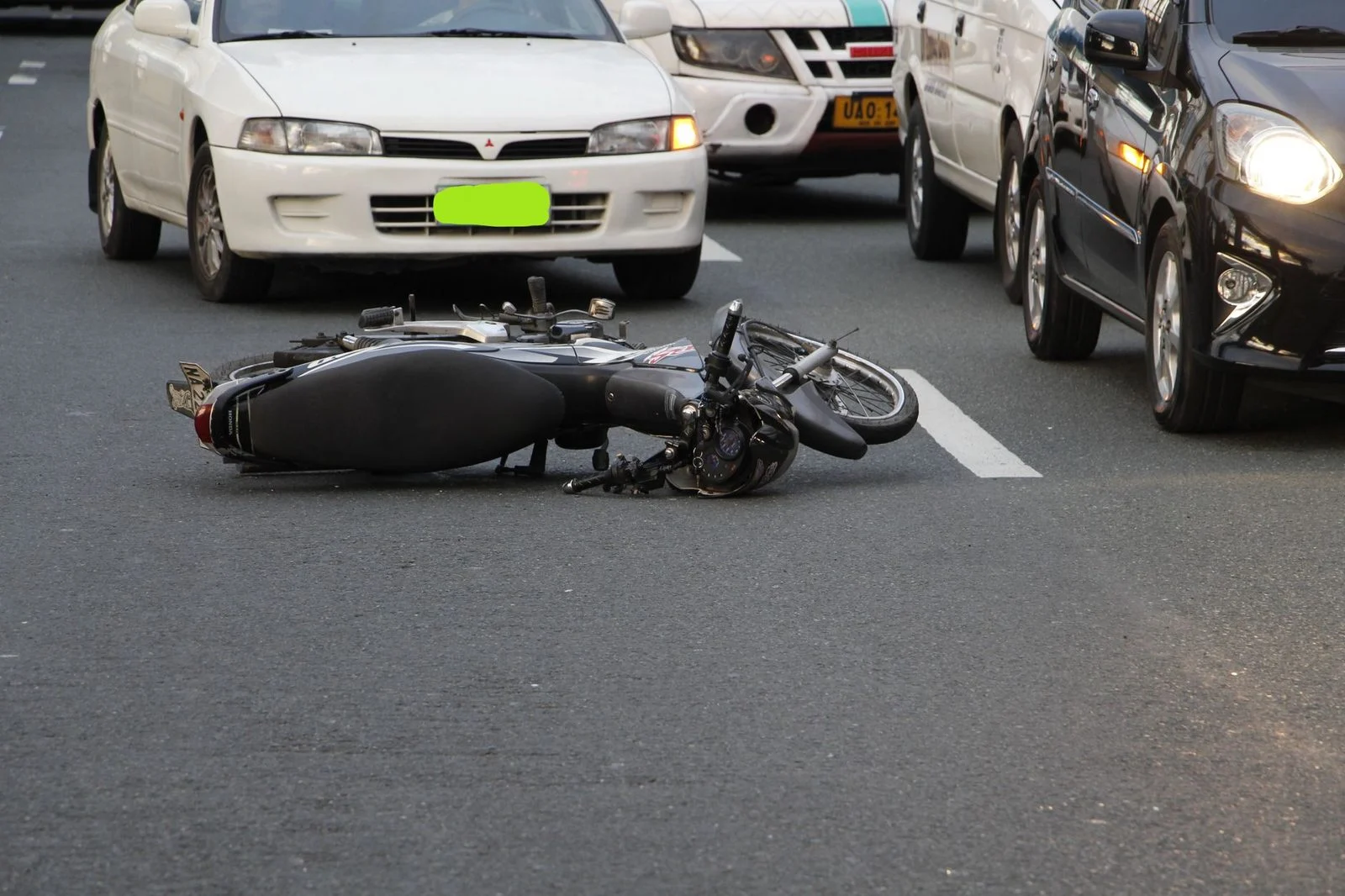
How the Firm Approaches These Claims
The firm handles motorcycle, car, truck, and commercial vehicle crash claims, along with catastrophic injury and wrongful death claims across West Virginia.
The firm explains each step in plain language. It ties each step to the West Virginia statute or case that governs it, so you can check the law yourself. Support staff help organize medical records, crash reports, and correspondence with insurers.
Wrongful death claims are reviewed with the timing rule in mind. The two-year period generally runs from death, while personal injury claims follow a different clock.
If you are facing a serious motorcycle injury or the loss of someone you love, reach out now. Request a free case review, or tell Big Bubba what happened, so your claim can be reviewed before key deadlines pass.