
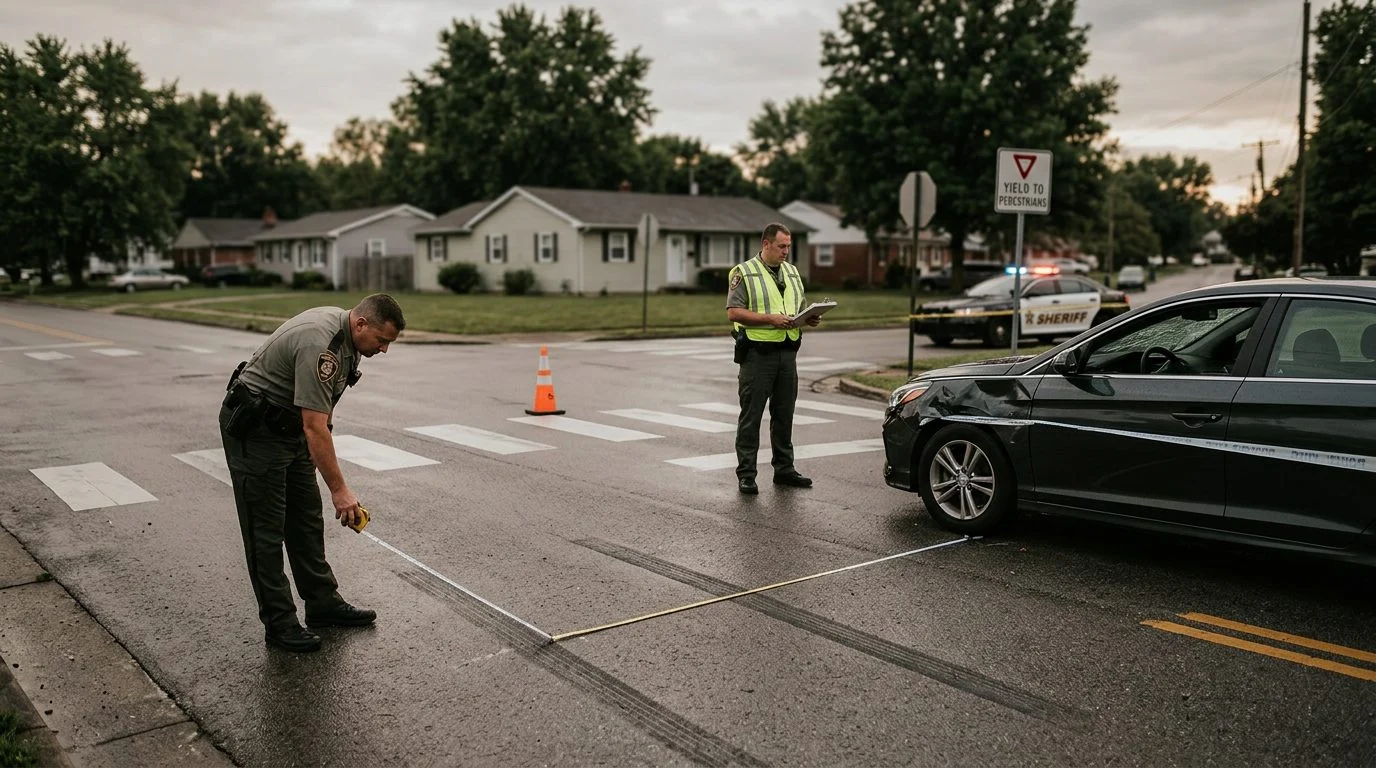
Pedestrian Crashes | West Virginia
Struck by a Car as a Pedestrian? Brain Injury Claims Need Careful Attention
Big Bubba Injury Law represents people seriously hurt when a vehicle hits them, including families facing a traumatic brain injury. Tell us what happened and we will explain your options.
Published October 30, 2026
A pedestrian hit by a car in West Virginia can suffer a brain or spinal cord injury, and that injury may support a claim for compensation. Pedestrian hit by car West Virginia brain injury cases can involve a passenger car, a pickup, or a commercial truck. This page explains how these injuries happen, which symptoms matter, how state fault and deadline rules work, and what the process looks like. Big Bubba Injury Law handles car, truck, and commercial vehicle crashes, along with catastrophic injuries and wrongful death.
Who This Page Is For and What a Pedestrian Injury Claim Covers
A pedestrian injury claim seeks compensation when a car, truck, or commercial vehicle strikes someone on foot. The injured person may bring the claim, or, after a death, the deceased person’s personal representative brings it on behalf of the family.
This page is written for injured people who are still in treatment. It is also written for spouses, adult children, parents, and other relatives researching a case for someone else.
The matters covered here include:
- Traumatic brain injury, including concussion
- Spinal cord injury, partial or complete
- Other catastrophic injuries that change how a person lives and works
- Wrongful death claims brought for families
Big Bubba Injury Law handles car accidents, truck accidents, commercial vehicle accidents, catastrophic injuries, traumatic brain injury, spinal cord injury, and wrongful death. We serve injury victims across all 55 West Virginia counties, including Charleston, Huntington, Morgantown, Wheeling, Martinsburg, Parkersburg, Beckley, Clarksburg, Fairmont, and Weirton.
If a pedestrian crash left you or someone you love with a brain or spinal injury, you may have a claim, and the firm is glad to talk it through with you. Talk it through with Big Bubba — the first case review is free, confidential, and carries no obligation.
How Pedestrian Crashes Cause Brain and Spinal Cord Injuries
A pedestrian has no metal frame, airbag, or seatbelt. The body takes the force of the impact directly. Most pedestrian crashes involve a sequence of hits.
- First impact: the vehicle strikes the legs, hip, or torso.
- Being thrown: the body may land on the hood or windshield, or be thrown forward.
- Second impact: the head or back may strike the pavement, a curb, or the windshield.
The second impact can injure the brain or spinal cord. Doctors use specific terms for these injuries:
- Concussion: a brain injury that disrupts how the brain works, even when a scan looks normal.
- Contusion: bruising of brain tissue.
- Hematoma: a pocket of blood that can press on the brain.
- Diffuse axonal injury: widespread damage to the nerve fibers that carry signals through the brain.
A spinal cord injury can happen from the same impact. Doctors often describe it as partial or complete. What it means for movement and feeling depends on where and how severely the cord is hurt.
Some injuries are not obvious on the day of the crash. Symptoms can appear hours or days later.
Symptoms That Need Prompt Medical Evaluation
Head and spine symptoms after a pedestrian crash need medical care right away. Do not wait to see whether they fade.
Warning signs of a head injury include:
- A headache that gets worse over time
- Repeated vomiting
- Confusion or trouble thinking clearly
- Unusual drowsiness
- Slurred speech
- A seizure
- Pupils of unequal size
Warning signs of a spinal injury include:
- Neck or back pain
- Numbness or tingling in the arms or legs
- Weakness in the arms or legs
- Loss of bladder or bowel control
Keep a complete record. Every visit, scan, test result, and diagnosis matters later. Tell each provider about every symptom, even ones that seem minor. Keep a simple written log with the date, the symptom, its severity, appointments, and missed work.
Who May Be Responsible and How West Virginia Fault Rules Apply
The driver who struck you may be responsible. A commercial carrier or employer may also be responsible. Responsibility depends on what caused the crash.
Common causes in pedestrian crashes include:
- Failure to yield at a crosswalk
- Distracted or impaired driving
- Speeding, or driving too fast for conditions
- Failure to keep a proper lookout
In commercial crashes, the company may share responsibility. The Federal Motor Carrier Safety Administration publishes nationally reported large-truck crash statistics.
Your own actions can affect a claim. Under the modified comparative fault statute, you cannot recover if your fault is greater than the combined fault of everyone else responsible. If your fault is less, your recovery is reduced in proportion to your share. How this applies depends on the facts of each crash.
How a Pedestrian Injury Claim Works, Step by Step
A pedestrian injury claim usually moves from medical care to investigation, then to settlement talks, and to a lawsuit only if needed.
- Get medical care and record the crash. Note the time, location, witnesses, and any police report number.
- Start the review. A free case review is a confidential first meeting to talk through the injuries and the facts. It carries no obligation to continue.
- Investigate. This can include crash reports, scene evidence, vehicle data, and records from treating providers.
- Document the damages. Medical records, imaging, and doctors’ opinions show the long-term effects of a brain or spinal injury.
- Negotiate, then sue if needed. Insurers and other parties may negotiate. If talks fail, a lawsuit may be filed in the proper West Virginia court.
Timing matters. West Virginia’s general limit for personal injury actions is two years after the right to sue accrues. A wrongful death action generally must be brought within two years after the death, subject to other provisions of West Virginia law. W. Va. Code § 55-7-6 reads: “The provisions of this section shall not apply to actions brought for the death of any person occurring prior to July 1, 1988.”
Early settlement contact also has limits.
Losses an Injured Pedestrian or Family Can Pursue
An injured pedestrian may pursue compensation for medical bills, lost income, and changes to daily life. Under West Virginia law, wrongful death damages are pursued through the deceased person’s personal representative.
For an injured person, losses can include:
- Medical bills for emergency care, hospital stays, surgery, and rehabilitation
- Future treatment that a physician can document
- Lost wages and reduced earning ability when a brain or spinal injury limits work
- Changes in memory, mood, or independence after a brain injury
For a family after a death, West Virginia wrongful death law includes sorrow, mental anguish, and solace, including companionship and guidance. It also covers reasonably expected loss of income and services, care and hospital expenses, and reasonable funeral expenses.
Each claim’s value depends on the medical evidence, the crash facts, and the fault rules. No general description can predict how a particular case will turn out.
Not sure what your next step is?
Talk it through with Big Bubba — the first case review is free, confidential, and carries no obligation.
Frequently Asked Questions About Pedestrian Brain and Spinal Injury Claims
Do I still have a claim if I was not in a crosswalk?
Crosswalk status is one factor among several. Fault depends on the facts of the crash under West Virginia’s comparative fault rules (W. Va. Code § 55-7-13c).
My symptoms started days after the crash. Can I still pursue a claim?
Some brain injury symptoms appear later. Prompt medical records help connect later symptoms to the crash.
The driver left the scene. What now?
West Virginia’s auto insurance statute provides a John Doe procedure for certain hit-and-run crashes.
Can a family pursue a claim after a pedestrian death?
Yes. A wrongful death action is brought by the personal representative and generally must start within two years after the death, subject to other provisions of the law (W. Va. Code § 55-7-6).
How do I know if a commercial vehicle is involved?
Vehicle type, company markings, and the crash report can point to a commercial carrier. A commercial carrier can add more evidence sources to a claim.
How Big Bubba Injury Law Approaches Pedestrian Brain and Spinal Injury Cases
Big Bubba Injury Law handles pedestrian cases within its car, truck, commercial vehicle, and catastrophic injury work. The firm’s focus is explaining the process and organizing the facts in plain language.
Support staff help with records requests, scheduling, and case organization. The firm offers a free case review for people with a new injury or a family loss. That first meeting is confidential, and you are never obligated to continue after it.
Next Steps After a Pedestrian Crash in West Virginia
The first steps after a pedestrian crash are medical care and a written record of what happened. Keeping organized records protects your health and your options.
- Follow the medical care plan you are given
- Keep a symptom log and missed-work records
- Save the crash report, photos, and witness names
- Keep every bill, prescription, and appointment record
You may be making these decisions while recovering, grieving, or helping a loved one. You do not have to sort out every detail at once. If you’re weighing what happened to you or someone you love, tell the firm what happened in your own words and request a free case review. The firm can explain what the facts may mean for your situation.