
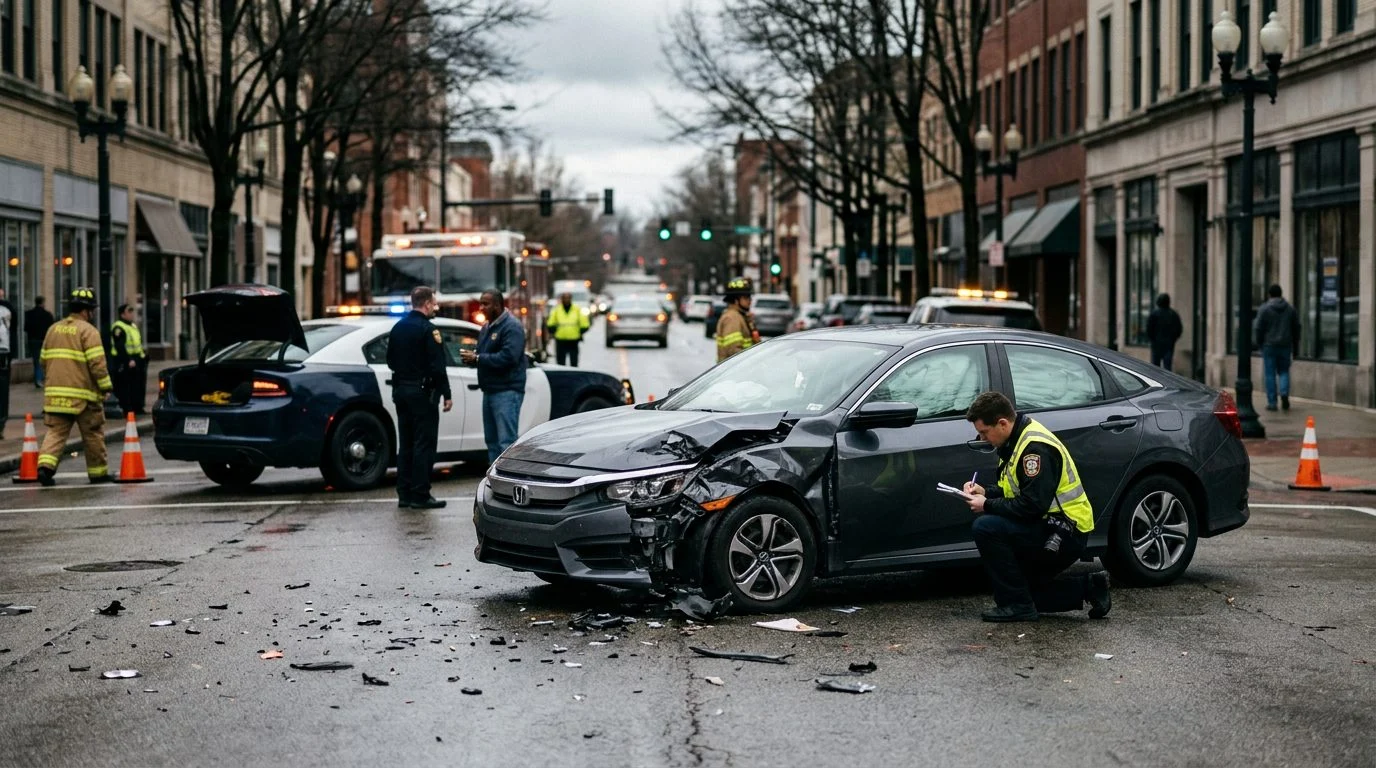
West Virginia Car Accident Guide
Hurt in a Crash? Know the Warning Signs Before You Wait.
Some injuries do not show up right away. Learn when an emergency room visit after a car accident in West Virginia is especially important, and how to reach our team about your case.
Published November 8, 2026
Should I go to the ER after a car accident in West Virginia? Go right away if you have severe symptoms, such as confusion, a seizure, or trouble breathing. If you feel fine but were hit hard, a medical check is still wise. Some injuries take hours or days to show up.
Shock after a crash can hide pain. Many people leave the scene feeling okay, then wake up the next day with a stiff neck or a splitting headache. The ER question is a medical one first. It asks whether your body needs a check today.
Why the ER Question Comes Up After a Crash
Adrenaline and shock can mask pain for a while after a crash. Many people feel fine at the scene and feel worse later. That’s why a medical evaluation helps find injuries you can’t see yet.
The decision gets harder when you’re worried about someone else. A parent may be checking on a child in the back seat. A passenger may be hurt while the driver feels fine. Families often make this call together, and they don’t always agree.
Some serious injuries are also the hardest to notice. A head injury can change how a person thinks or remembers without any visible wound. Neck and back injuries can hurt quietly for days. A medical provider decides what an injury needs. Your job is to give that provider a clear picture of what happened and how you feel.
If you were hurt in a crash and aren't sure what to do next, reach out to the firm for a free case review. We can talk through the decision you're facing, at your own pace. Talk it through with Big Bubba — the first case review is free, confidential, and carries no obligation.
Warning Signs That Call for Emergency Care Now
Call 911 or go to the emergency room now if you have loss of consciousness, confusion, or a seizure. Trouble speaking or seeing also needs prompt evaluation. These signs can point to a serious head injury.
Other warning signs include a severe or worsening headache, repeated vomiting, and weakness or numbness in an arm or leg. Chest pain or trouble breathing also needs immediate care. Neck or back pain with numbness or tingling can signal a spinal cord injury, so don’t wait on it.
Don’t drive yourself when symptoms are severe or when someone can’t safely travel. Call 911 instead. For more on head injuries, read our page on traumatic brain injury.
Why Some Injuries Show Up Later
Some injuries build over hours or days after a crash. Concussion, whiplash-type neck injury, and internal bleeding can all start with mild or unclear symptoms. Symptoms also vary from person to person.
A person who feels fine at the scene may still need a medical evaluation. Feeling fine right now doesn’t rule out an injury. It may just mean symptoms haven’t appeared yet.
Keep a written symptom log. Write down each new symptom, when it started, and how long it lasted. Note headaches, dizziness, numbness, sleep changes, and mood changes. Bring the log to your provider so they can see what changed and when.
A dated record written as things happen also matters later if a claim is made. It gives a clearer picture than memory weeks afterward.
What ‘Minor Accident’ Does and Does Not Mean
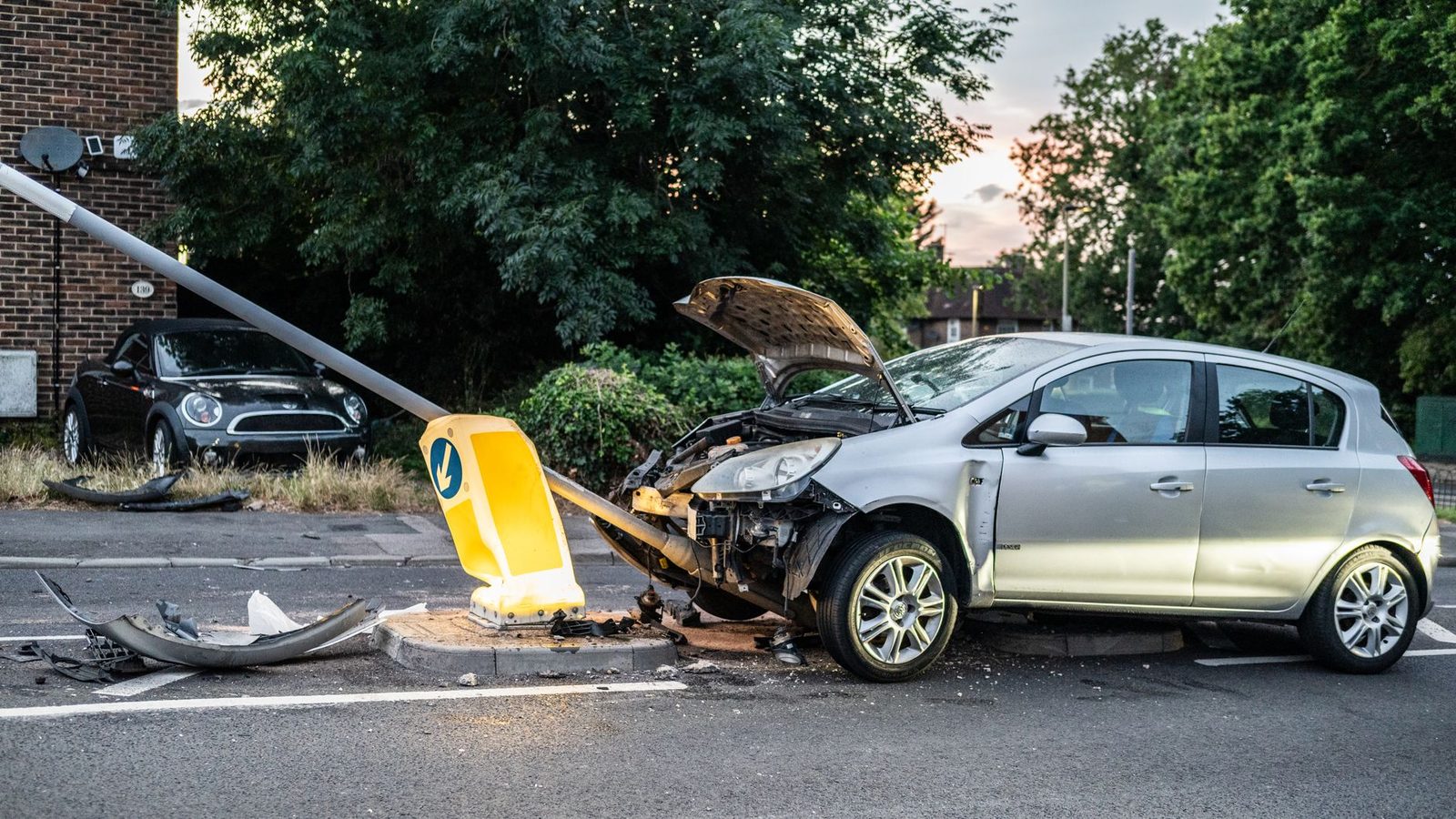
A “minor” accident describes the vehicle damage. It doesn’t describe your health. A low-speed or parking-lot crash can still hurt a person. A dented bumper says little about the body inside the car.
Vehicle damage alone doesn’t tell you whether you’re injured. Cars can look fine while people have injuries that need a medical check. Many people skip care because the crash “didn’t seem serious.” That choice can leave a gap in the medical record.
If you have any symptoms, get checked. Make that decision based on how you feel, not on how the cars looked or what anyone said at the scene.
If the Other Driver Left the Scene
If the other driver left, report the crash to police as soon as you can. Under W. Va. Code § 33-6-31, when the other driver is unknown, one condition for uninsured-motorist recovery is reporting the crash to a police, peace or judicial officer within twenty-four hours after you discover it and are physically able to report it (or having someone report it for you), unless police already investigated the crash.
Hit-and-run crashes do happen in West Virginia. A driver who leaves the scene may face a criminal investigation. Even when the other car is gone, get a medical evaluation. Your injuries don’t depend on whether the other driver stayed.
Write down what you can while it’s fresh. Note the vehicle description, direction of travel, and names of any witnesses. These details may be useful, depending on the facts. The West Virginia Division of Motor Vehicles explains required auto insurance. The West Virginia Offices of the Insurance Commissioner describes uninsured and underinsured motorist coverage limits. Your own coverage may matter if the other driver can’t be identified.

Your Medical Record, Insurers, and Your Next Step
A prompt medical evaluation creates a record of what was found and when. That record can matter if a claim is made later.
Some insurers may ask for a recorded statement or an early medical authorization soon after a crash. Under W. Va. Code § 55-7-11a, a person generally may not negotiate a settlement or take a statement for settlement within twenty days of an injury. Some insurers may dispute a claim, so it’s reasonable to get guidance before answering detailed questions.
Time limits matter too. W. Va. Code § 55-2-12 generally allows two years for a personal injury action, and exceptions may apply. For serious injuries, see our page on catastrophic injuries.
If you were hurt and you’re deciding what to do next, reach out to the firm for a free case review. Bring your questions and your timeline. We’ll talk through the decision in front of you.
Quick Answers
Should I go to the ER after a car accident in West Virginia if I feel fine?
Feeling fine doesn’t rule out an injury. A medical evaluation can check for injuries that appear later.
Can an insurer ask for a statement right after a crash?
West Virginia law generally limits settlement talks and statements for twenty days after an injury, while the injured person is hospitalized or unable to work.