
Catastrophic Injuries
When a Serious Injury Changes Everything
Big Bubba Injury Law helps West Virginia families navigate catastrophic brain and spinal cord injuries, and the legal path to recovery.
Published October 03, 2026
Catastrophic Injuries in West Virginia: Legal Help for Life-Altering Harm
A catastrophic injury is one that permanently changes your ability to work, live independently, or care for yourself. These injuries—traumatic brain injury, spinal cord injury, severe burns, amputations, organ damage, paralysis—demand immediate legal action because the stakes are lifetime care, lost income, and your family’s financial security.
If you’ve suffered a catastrophic injury in West Virginia from a car crash, truck accident, or commercial vehicle collision, the first call you make to an attorney can protect your rights and prevent insurance companies from pressuring you into an inadequate settlement before you understand what your recovery will truly cost.
If you or a family member has suffered a life-altering injury from a crash or accident, reach out now. Talk it through with our team — the first case review is free, confidential, and carries no obligation.
What Counts as a Catastrophic Injury
A catastrophic injury is one that permanently alters your ability to work, live independently, or care for yourself. Unlike routine injury claims, catastrophic injuries trigger different legal and financial considerations because they demand decades of ongoing medical treatment, rehabilitation, and support.
Common catastrophic injuries include:
- Traumatic brain injury (TBI): cognitive changes, memory loss, personality changes, seizures, chronic pain, and loss of independence
- Spinal cord injury (SCI): partial or complete paralysis, loss of sensation, chronic pain, bowel and bladder dysfunction, and sexual dysfunction
- Severe burns: skin grafting, infection risk, chronic pain, scarring, and psychological trauma
- Amputations: phantom limb pain, mobility loss, prosthetic needs, and vocational barriers
- Organ damage: organ transplant, dialysis, or lifelong medication management
- Permanent cognitive or physical disability: loss of speech, motor control, or reasoning
Why the label matters: catastrophic injuries trigger lifetime medical costs, home modification, assistive technology, and lost earning capacity. Insurance companies often underestimate these costs. Early legal involvement protects you from settling too soon, before you and your medical team understand the full scope of your needs.
Why Catastrophic Injuries Require Immediate Legal Action
Insurance companies and at-fault parties routinely underestimate the lifetime costs of catastrophic injury care. They rely on incomplete medical projections, outdated cost data, or pressure tactics to settle quickly—before you’ve had time to understand your injury’s true impact on your life.
Early legal involvement protects your rights in several critical ways:
Evidence preservation is irreplaceable. Accident scene photos, vehicle damage, road conditions, witness statements, and expert analysis of how the crash happened must be gathered while memories are fresh and evidence is available. Waiting weeks or months can result in lost evidence that undermines your claim.
Statute of limitations matters. In West Virginia, a personal-injury lawsuit must generally be filed within two years after the right to bring it accrues. If you suffer a catastrophic injury and wait too long, you may lose your right to sue, and exceptions may apply. An attorney ensures your claim is filed on time.
Settlement pressure is real. Insurance adjusters will contact you quickly, often before you’ve left the hospital. They’ll offer a check that seems large but doesn’t account for years of future medical care, rehabilitation, home care attendants, or lost earning capacity. A lawyer stands between you and that pressure, ensuring you don’t accept inadequate compensation out of fear or confusion.
Multiple defendants may share liability. In catastrophic accident cases, the at-fault driver, their employer, a vehicle manufacturer, a maintenance contractor, or a government entity responsible for road conditions may all bear responsibility. Identifying all liable parties and pursuing all available sources of recovery requires investigation and legal knowledge.
Catastrophic Injuries from Car and Truck Accidents
High-speed collisions, multi-vehicle crashes, and commercial truck accidents frequently produce catastrophic harm. The violence of impact, the forces involved, and the vulnerability of human bodies mean that serious accidents often result in life-altering injury.
Truck accidents create extraordinary injury risk. A fully loaded commercial truck can weigh many times more than a passenger car. When a truck collides with a smaller vehicle, the size and weight disparity means the passenger vehicle occupants absorb the brunt of the force. Occupants of passenger vehicles often suffer catastrophic injuries—traumatic brain injury, spinal cord injury, severe internal organ damage, or death—in crashes where truck drivers walk away with minor injuries.
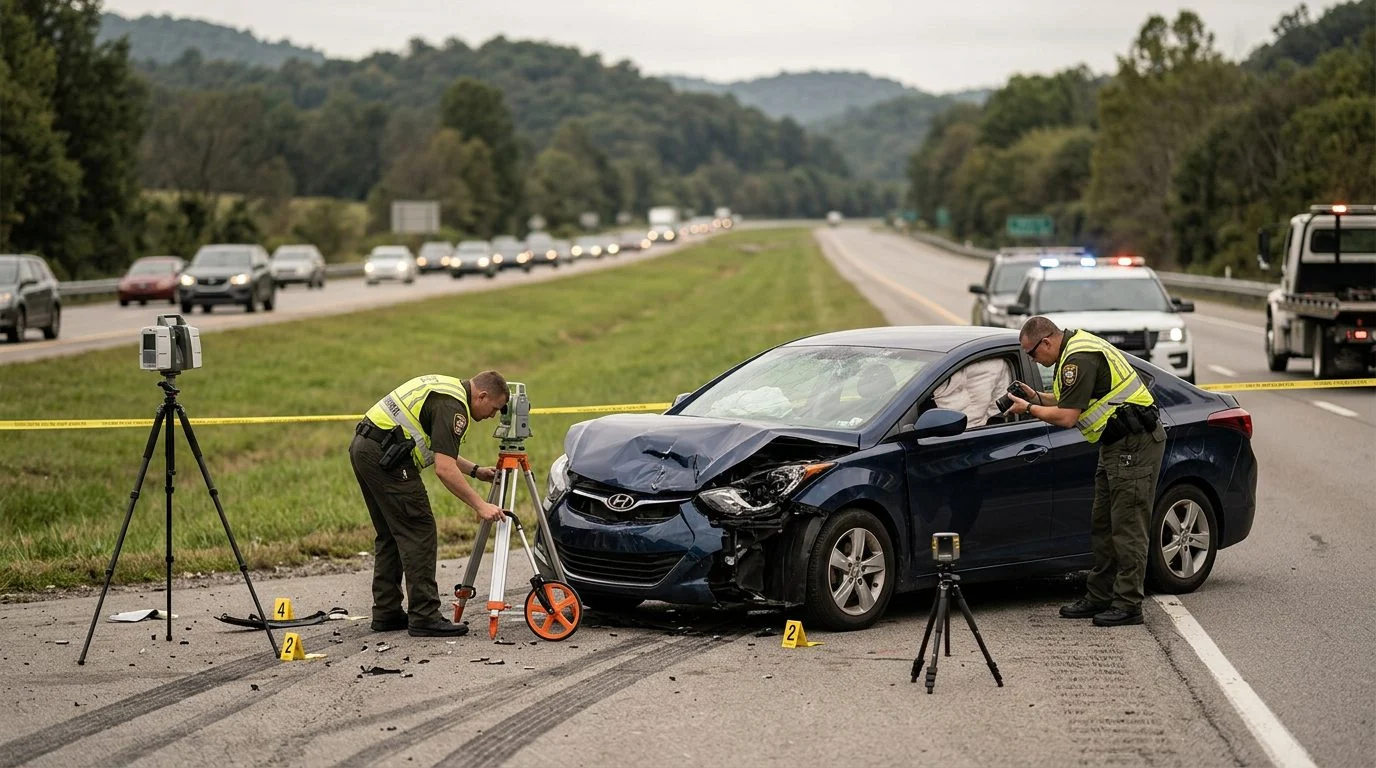
Liability investigation in catastrophic cases is complex. Determining fault often requires accident reconstruction experts who analyze skid marks, vehicle damage, impact angles, and physics to explain how the crash happened. It may involve medical experts who testify about the severity and permanence of your injury. It may involve vocational experts who quantify your lost earning capacity over a lifetime.
Multiple defendants are common. Sometimes the truck driver was fatigued or speeding. Sometimes their employer failed to maintain the truck or enforce safe driving practices. Sometimes the truck manufacturer designed a defective brake system. Sometimes a government agency failed to maintain the road. That is why it is important to identify all liable parties and pursue all available sources of recovery.
Not sure what your next step is?
Talk it through with our team — the first case review is free, confidential, and carries no obligation.
Catastrophic Brain and Spinal Cord Injuries
Traumatic brain injury and spinal cord injury are among the most devastating catastrophic injuries. Both can result in permanent disability, chronic pain, loss of independence, and lifelong medical and care needs.
Traumatic brain injury can alter cognition, memory, personality, and physical function. A person who suffered a severe TBI may struggle with attention, decision-making, emotional regulation, or impulse control. They may experience seizures, chronic headaches, or chronic pain. They may lose the ability to work, drive, or live alone. Recovery is measured in years or decades, not weeks or months. Treatment includes neurosurgery, inpatient rehabilitation, outpatient therapy, mental health care, medication management, and assistive technology.
Spinal cord injury can result in partial or complete paralysis. A person with a spinal cord injury may lose sensation, experience chronic pain, or lose bowel and bladder control. They may face sexual dysfunction, respiratory complications, or infection risk. Lifetime care includes neurosurgery, rehabilitation, pain management, assistive devices, home modification, and care attendants. Many people with spinal cord injuries require 24-hour assistance.
Both injuries demand decades of ongoing medical care, mental health support, vocational rehabilitation, and adaptive equipment. The emotional and financial toll on the injured person and their family is immense.
Calculating Damages in Catastrophic Injury Cases
Compensation in a catastrophic injury case includes both economic and non-economic damages.
Economic damages are quantifiable costs: past and future medical care, rehabilitation, hospitalization, surgery, medication, mental health treatment, home modification, assistive devices, lost wages, and lost earning capacity. A person who suffered a catastrophic injury at age 30 and has a life expectancy of 80 years may require 50 years of ongoing care. Calculating the true cost requires medical professionals, vocational experts, and life-care planners.
Life-care planners are professionals who work with medical experts to project the injured person’s lifetime medical and care needs. They estimate the cost of neurosurgery, rehabilitation, outpatient therapy, medication, home care attendants, assistive technology, home modification, and other services across decades. Their analysis is often the foundation of a catastrophic injury claim’s value.
Vocational experts quantify lost earning capacity. If you were earning $60,000 per year and your catastrophic injury prevents you from ever working again, a vocational expert calculates the difference between what you would have earned over your remaining work-life and what you can now earn (often zero). That calculation, multiplied across 30 or 40 years, can be millions of dollars.
Non-economic damages include pain and suffering, loss of enjoyment of life, emotional distress, loss of companionship, and loss of consortium. In catastrophic injury cases, non-economic damages are often the largest component of the claim because the injury’s impact on quality of life is so severe.
Insurance companies often rely on incomplete medical projections or outdated cost data. They may assume recovery will be faster or more complete than it actually is. They may underestimate the cost of long-term care or assistive technology. Early legal involvement ensures that your claim is built on thorough, current, expert analysis—not insurance company guesswork.
Big Bubba’s Approach to Catastrophic Injury Cases Across West Virginia
We serve all 55 West Virginia counties, including Charleston, Huntington, Morgantown, Wheeling, Martinsburg, Parkersburg, Beckley, Clarksburg, Fairmont, and Weirton. We handle car accidents, truck accidents, commercial vehicle accidents, and wrongful death cases that result in catastrophic harm.
In a catastrophic injury case, we begin with a thorough investigation. We work with accident reconstructionists to understand how the crash happened. We coordinate with medical professionals, life-care planners, and vocational experts to quantify the true cost of your lifetime care. We preserve evidence and identify all liable parties. We don’t rush to settlement. We take the time to understand the full scope of your injury and your family’s needs before discussing compensation.
We also understand that catastrophic injury cases are emotionally and financially exhausting. You’re managing medical appointments, rehabilitation, disability, and grief. You shouldn’t have to manage insurance companies and legal deadlines alone. We handle the legal work so you can focus on recovery.
Have questions about what happened?
Ask our team directly. The first conversation is free, confidential, and there is no obligation to continue.
What to Do After a Catastrophic Injury
If you or a family member has suffered a catastrophic injury, these steps protect your rights:
Seek immediate medical care. Document all injuries and treatment from the outset. Medical records are the foundation of your claim.
Preserve evidence. Take photos of the accident scene, vehicle damage, road conditions, and any visible injuries. Collect witness contact information. Note the date, time, weather, and road conditions. Save all medical records, bills, and receipts.
Do not sign anything or speak to insurance adjusters without legal counsel. Insurance companies will contact you quickly. Anything you say can be used against you. A lawyer protects you from saying something that weakens your claim.
Contact Big Bubba immediately. The sooner we begin investigating and protecting your rights, the stronger your position. West Virginia’s statute of limitations generally allows two years after the right to bring a claim accrues. Don’t wait.

Frequently Asked Questions
Can I still recover damages if I was partially at fault for the accident?
Yes. West Virginia follows a modified comparative fault rule: you can recover damages even if you are up to 50% at fault, but you’re barred from recovery only if your fault is greater than the combined fault of all other parties. Early legal representation protects your rights even if fault is shared.
How long does a catastrophic injury case typically take to resolve?
Catastrophic injury cases often take 1–3 years or longer because they require thorough investigation, expert analysis, and sometimes trial. We don’t rush; we build a strong case.
What if the person who caused the accident doesn’t have insurance?
We explore all available sources of recovery, including uninsured motorist coverage, underinsured motorist coverage, and other liability policies. We also investigate whether multiple defendants share fault.
What is the difference between economic and non-economic damages?
Economic damages are quantifiable costs like medical bills and lost wages. Non-economic damages include pain and suffering and loss of enjoyment of life. Both are recoverable in catastrophic injury cases.
If you or a family member has suffered a life-altering injury from a crash or accident, reach out now. People in your situation can contact us to protect their rights and secure the resources they need. Call Big Bubba Injury Law or request a free case review today.