
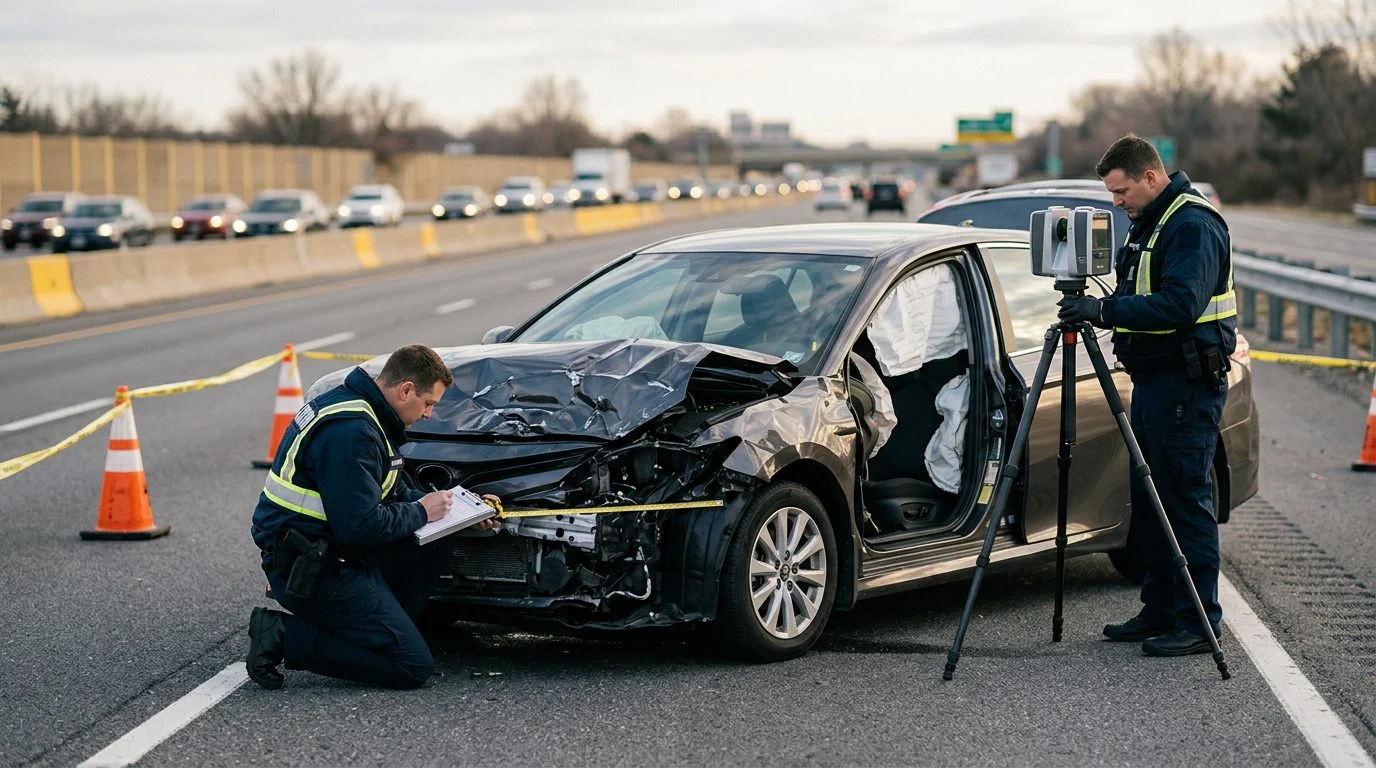
Catastrophic Injuries
Understanding Catastrophic Injuries
Life-altering damage that changes everything. If you or a loved one has suffered a catastrophic injury in a crash, Big Bubba is here to help.
Published October 05, 2026
Examples of Catastrophic Injuries
A catastrophic injury causes permanent, life-altering damage that results in loss of function, mobility, independence, or earning capacity. Unlike a serious injury from which someone can recover, a catastrophic injury fundamentally changes how a person lives—often requiring lifelong medical care, assistive devices, and round-the-clock support. Understanding what qualifies as catastrophic matters because these injuries carry enormous medical, financial, and legal weight.
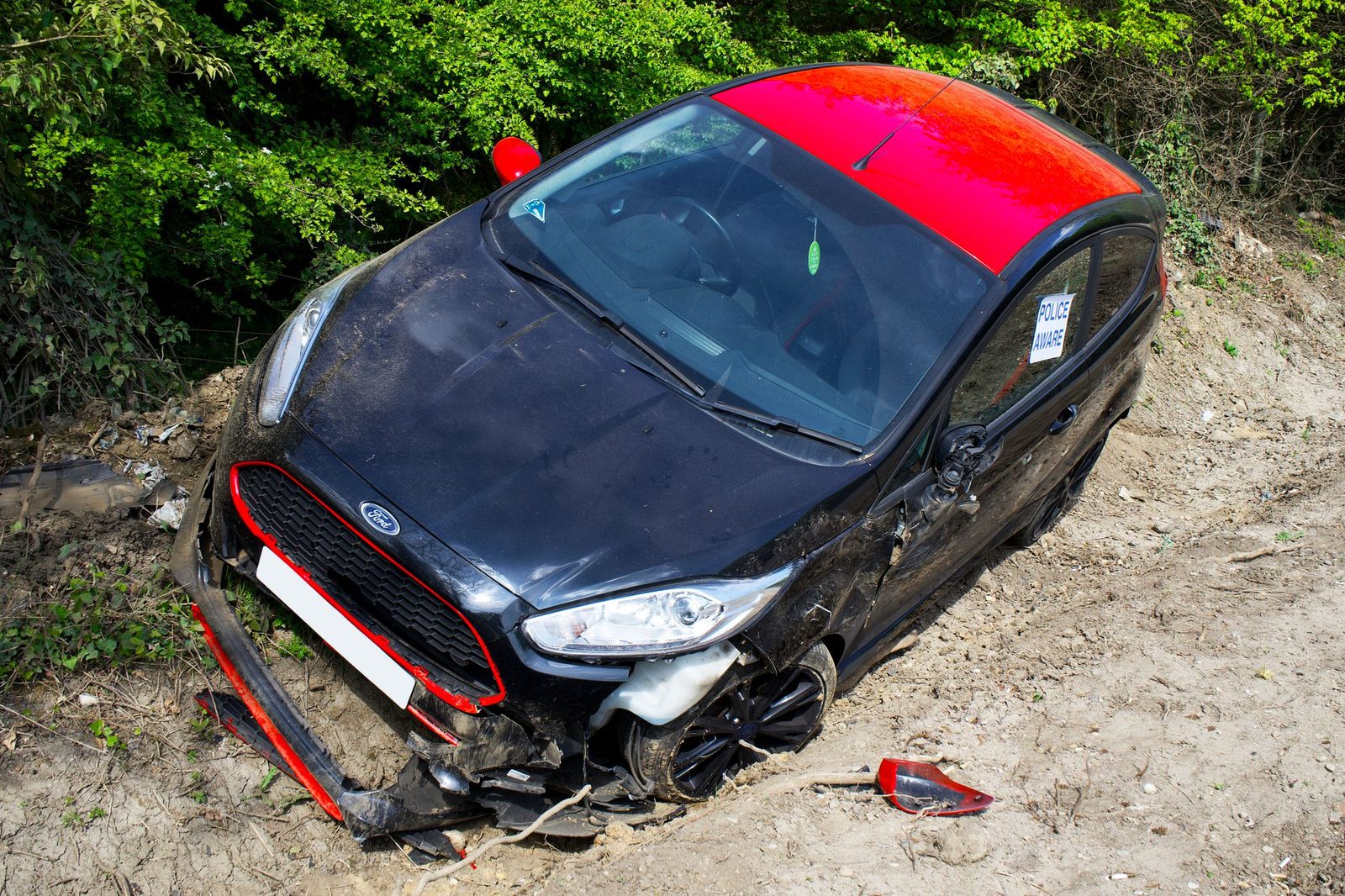
Not sure what your next step is?
Talk it through with our team — the first case review is free, confidential, and carries no obligation.
What Makes an Injury Catastrophic?
The key distinction is permanence and impact on daily life. A broken arm that heals in six weeks is serious but not catastrophic. Permanent paralysis, severe brain damage that alters cognition or personality, or loss of a limb—these are catastrophic. The injury doesn’t have to be immediately fatal to be catastrophic; it’s the lasting change in function and independence that defines it.
Why does this distinction matter? Catastrophic injuries require specialized, ongoing medical care. They often end a person’s career or severely limit earning potential. Families must adapt homes, purchase equipment, and sometimes arrange full-time care. The financial and emotional toll extends decades. Legally, catastrophic injuries support larger damage claims because the harm is measurable, permanent, and documented.
Traumatic Brain Injuries
A traumatic brain injury (TBI) occurs when a bump, blow, or penetrating wound to the head disrupts normal brain function. In car and truck accidents, TBIs happen when a person’s head strikes the dashboard, windshield, or steering wheel, or when the brain shifts violently inside the skull during rapid deceleration.
Not all TBIs are catastrophic. A mild concussion may cause headaches and confusion for weeks but typically resolves. A catastrophic TBI causes permanent cognitive, behavioral, or physical changes. Severe TBIs can result in:
- Diffuse axonal injury: damage to nerve fibers throughout the brain, often causing loss of consciousness, coma, or permanent vegetative state
- Severe contusions: bruising and bleeding in brain tissue that destroys neurons and impairs memory, judgment, speech, or motor control
- Penetrating head trauma: a foreign object piercing the skull and brain, causing focal damage and permanent neurological deficits
A person with a catastrophic TBI may struggle to speak clearly, lose the ability to walk or use their limbs, or experience profound changes in personality and behavior. Memory loss, difficulty concentrating, and emotional dysregulation are common. Many require lifelong supervision and care.
Spinal Cord Injuries and Paralysis
The spinal cord is the bundle of nerves and supporting tissue that runs through the vertebral column and carries signals between the brain and the rest of the body. About 54 people per million suffer a traumatic spinal cord injury each year in the United States—roughly 18,482 new cases annually.
Spinal cord injuries happen in high-impact car crashes, truck rollovers, falls from height, and motorcycle accidents. The force of the collision or impact damages nerve fibers, and depending on where the injury occurs and how severe it is, the result can be partial or complete loss of sensation and movement below the injury site.
Complete spinal cord injuries result in total loss of sensation and motor function below the injury level. Incomplete injuries preserve some nerve function, allowing partial sensation or limited movement.
The location of the injury determines which parts of the body are affected:
- Tetraplegia (quadriplegia): injury to the cervical spine (neck) causes paralysis of all four limbs and often affects breathing and bowel/bladder control
- Paraplegia: injury to the thoracic, lumbar, or sacral spine causes paralysis of the lower body and legs
The spinal cord ends near the L1 vertebra, but spinal nerve roots continue to run from the end of the spinal cord to the lower spinal canal, and there are 31 pairs of spinal nerves branching from the left and right sides of the spinal cord. This anatomy explains why injuries at different levels produce different outcomes.
A person with paraplegia may use a wheelchair and have full upper-body function. A person with tetraplegia may depend on a ventilator to breathe and require assistance with all activities of daily living. Estimated lifetime costs of a traumatic spinal cord injury range from $2.1 million to $6.4 million for a person injured at age 25, depending on severity.
Have questions about what happened?
Ask our team directly. The first conversation is free, confidential, and there is no obligation to continue.
Amputation and Limb Loss
Traumatic amputation—the loss of a limb in an accident—is catastrophic by definition. In vehicle crashes, a limb can be crushed, torn, or severed by impact or machinery. In some cases, the damage is so severe that surgeons must amputate to save the person’s life.
Whether partial (loss of fingers, toes, or part of a limb) or full (loss of an entire arm or leg), amputation is permanent. A person loses not only the limb but also the sensations, strength, and function it provided. Prosthetic limbs can help restore some mobility and independence, but they require ongoing adjustment, maintenance, and training. Many amputees experience phantom pain—the sensation of pain in the missing limb—for years or life.
The psychological impact is profound. Amputees often grieve the loss of their body, struggle with identity and self-image, and face barriers in employment, recreation, and daily tasks most people take for granted.
Severe Burn Injuries
Third- and fourth-degree burns destroy full-thickness skin and the tissue beneath it. In vehicle fires or explosions, a person exposed to intense heat can suffer catastrophic burns over large areas of the body.
Severe burns cause:
- Permanent scarring and contractures: as burned tissue heals, it tightens and restricts movement, often requiring repeated surgeries and physical therapy
- Loss of skin function: burned skin cannot regulate temperature, prevent infection, or provide sensation
- Chronic pain: many burn survivors experience pain for years or life
- Disfigurement: visible scarring and loss of normal appearance affect social interaction, employment, and mental health
A person with severe burns may require skin grafts, multiple surgeries, and years of wound care and rehabilitation. Many develop depression, anxiety, and post-traumatic stress disorder (PTSD) as they adjust to permanent changes in appearance and function.
Other Catastrophic Injuries
Catastrophic injuries extend beyond brain, spine, and limbs:
- Organ damage: blunt force trauma in high-impact crashes can rupture or permanently damage the heart, lungs, liver, or kidneys, requiring lifelong medical management or transplant
- Severe facial and disfiguring injuries: reconstruction surgeries may restore some function, but permanent scarring and disfigurement often remain
- Blindness or permanent vision loss: damage to the eyes or optic nerves can result in total or partial loss of sight
- Loss of hearing or speech: injury to the ears, larynx, or brain centers controlling speech can cause permanent deafness or inability to communicate
- Severe crush injuries: compression of limbs or the torso can destroy muscle and nerve tissue, leading to permanent weakness, paralysis, or loss of limb function
How Catastrophic Injuries Happen
Catastrophic injuries most often result from high-impact accidents and negligence:
- Multi-vehicle car collisions: the force of impact at highway speeds can cause severe head trauma, spinal cord injury, and organ damage
- Commercial truck crashes: the weight and size of trucks mean collisions with smaller vehicles produce catastrophic injuries; rollovers and jackknives can trap occupants and cause crushing injuries
- Pedestrian and motorcycle accidents: lack of protection leaves riders and pedestrians vulnerable to severe head, spinal, and limb injuries
- Falls from height: a fall of more than 10–15 feet often causes spinal cord injury, TBI, or multiple fractures
- Negligence and reckless driving: speeding, distracted driving, impaired driving, and failure to maintain equipment or premises create the conditions for catastrophic harm
In West Virginia, a personal-injury lawsuit generally must be filed within two years after the right to bring the action has accrued. If someone else’s negligence caused the accident, you may have a legal claim for damages to cover medical care, lost income, and quality-of-life needs.

Want to know where you stand?
Tell us what happened and our team will walk you through the options available to you, at no cost.
If You or a Loved One Has Suffered a Catastrophic Injury
Immediate medical care is the priority. Once the person is stable, questions about how the injury happened and who was responsible often surface. You may wonder whether someone else’s negligence caused the crash or accident, and whether a legal claim could help cover the enormous costs ahead.
Catastrophic injuries demand specialized, lifelong care. Medical bills, rehabilitation, assistive devices, home modifications, lost wages, and ongoing support add up quickly. A legal claim—if someone else was at fault—can help pay for these needs and provide security for the future.
You don’t have to figure this out alone. If a crash, fall, or someone else’s negligence left you or a loved one with a life-altering injury, reach out to tell us what happened. We serve injury victims across West Virginia, and we can discuss your free case review with no obligation.
Big Bubba Injury Law
Martinsburg, WV