
Wrongful Death | West Virginia
When a West Virginia Family Loses a Loved One in a Crash
Big Bubba Injury Law represents families in wrongful death cases arising from car and commercial truck crashes across West Virginia. Learn what losses families often ask about and how the firm can help.
Published October 25, 2026
Many families ask what can a family recover in a wrongful death claim West Virginia law allows after a fatal crash. The short answer is that a jury may award damages for the losses the death caused. Those losses can include lost income, lost companionship, and funeral expenses.
This guide walks through those categories in plain language. We serve families across West Virginia, including Charleston, Huntington, Morgantown, and Martinsburg. We handle car accidents, truck accidents, commercial vehicle crashes, and deaths that follow catastrophic injuries.
What West Virginia Law Allows a Family to Pursue
West Virginia law allows a wrongful death action when someone’s wrongful act, neglect, or default causes a death. The main rule is in W. Va. Code § 55-7-6. A related rule, W. Va. Code § 55-7-5, makes the at-fault party answerable for damages even though the injured person has died.
The claim centers on the losses the death caused to the family. The statute lists the kinds of losses a jury may consider. Those categories are the starting point for understanding any family’s claim.
Families who first faced a serious injury may also find the catastrophic injuries overview useful for the bigger picture.
If a crash took someone you love, you may be asking what your family can pursue, and we can talk it through in a free case review. Talk it through with Big Bubba — the first case review is free, confidential, and carries no obligation.

Who Brings the Claim and Who Benefits
The personal representative brings the wrongful death claim for the family. Under § 55-7-6, the action must be brought by and in the name of a personal representative who has been duly appointed. That person is formally appointed to manage the estate of the person who died.
The law then addresses who may share in the recovery. The jury, or a judge in a case without a jury, may direct how damages are split. The surviving spouse and children, including adopted children and stepchildren, may share. So may brothers, sisters, parents, and any person who was financially dependent on the decedent at the time of death or would otherwise be equitably entitled to share in such distribution.
Who is in the family, and who depended on the person, shapes how damages are divided. Naming a personal representative is often one of the first practical steps after a crash death.
Economic Losses the Family Can Claim
Economic losses are the money losses the death caused. The law allows damages for the reasonably expected loss of the person’s income. It also allows damages for the services, protection, care, and assistance the person provided, as stated in § 55-7-6.
Services can include childcare, household work, and help around the home. These losses are real even though no paycheck records them. Families often describe them in detail when they talk about the person’s role at home.
The verdict shall include, but may not be limited to, damages for expenses for the care, treatment, and hospitalization the person needed because of the injury. The verdict shall include, but may not be limited to, damages for reasonable funeral expenses. The jury must list funeral, hospital, medical, and related expenses separately.
Good documentation helps. Records of the person’s age, work history, earnings, and daily responsibilities show what the family lost.
Non-Economic Losses: The Family’s Loss of Relationship
Non-economic losses cover the family’s grief and the loss of the relationship itself. The law allows damages for sorrow, mental anguish, and solace. Solace can include society, companionship, comfort, guidance, kindly offices (everyday acts of help), and advice the person gave.
These losses don’t appear on a receipt. That is why they are harder to measure than income. Families usually describe who the person was, what they did together, and what changed after the death.
A parent may have lost a child’s daily counsel. A spouse may have lost a partner’s steady presence at home. Each family member’s relationship to the person is part of the claim.
Claims for the Person’s Own Injuries Before Death
If the person lived for a time after the crash, the law may allow a separate claim for that period, and under § 55-7-6 every wrongful death action must be brought by and in the name of the personal representative of the deceased person. § 55-7-8 says a separate and distinct cause of action may be brought, and if brought shall be joined in the same proceeding, for damages incurred between the time of injury and death where not otherwise provided for in said sections five and six.
Under W. Va. Code § 55-7-8a, causes of action for injuries to the person and not resulting in death also survive. If the injured person began an action while alive, within the period of time permissible under the applicable statute of limitations, and then died, the action may be revived in favor of the personal representative.
This part of the claim looks at the person’s own experience before death. Medical records from that period are often central, because they show the injury, the treatment, and the time between the crash and the death. For families of someone who lived after a serious head injury, the traumatic brain injury symptoms page offers a plain-language starting point.
Who Can Be Held Responsible in a Crash Death Case
A wrongful death claim is often brought against the at-fault driver. If that driver was working, the employer or another party may also be responsible. West Virginia’s commercial vehicle law defines an employer defendant to include the vehicle’s owner, the driver’s employer, and anyone holding legal control of the vehicle, under § 55-7-32.
Under § 55-7-13c, each defendant is generally liable only for its own percentage of fault. A plaintiff’s own fault reduces recovery. It bars recovery only when it is greater than the combined fault of everyone else. W. Va. Code § 55-7-13c reads: “(c) Any fault chargeable to the plaintiff shall not bar recovery by the plaintiff unless the plaintiff’s fault is greater than the combined fault of all other persons responsible for the total amount of damages, if any, to be awarded.”
Crashes involving a commercial motor vehicle can raise questions about damages, and the statute that governs them, § 55-7-32, has its own conditions that depend on the facts of each case. Under subsection (h) of § 55-7-13c, a defendant is jointly and severally liable, rather than liable only for its own share, when that defendant’s conduct constitutes driving a vehicle under the influence of alcohol, a controlled substance, or any other drug or any combination thereof, as described in section two, article five, chapter seventeen-c of this code, and that conduct is a proximate cause of the damages suffered by the plaintiff, when that defendant’s acts or omissions constitute criminal conduct that is a proximate cause of those damages, or when that defendant’s conduct constitutes an illegal disposal of hazardous waste, as described in section three, article eighteen, chapter twenty-two of this code, that is a proximate cause of those damages.
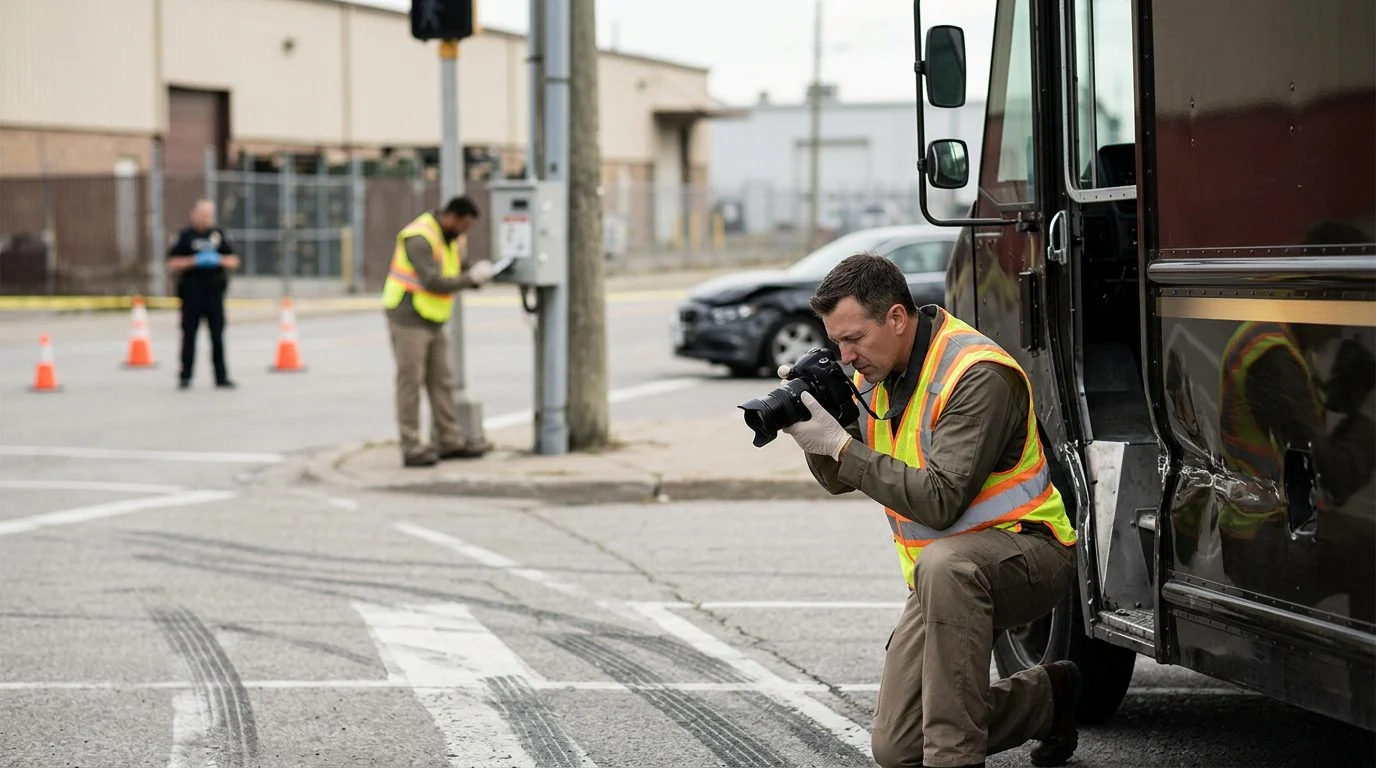
In truck crashes, records often matter. 49 C.F.R. § 391.51 requires a motor carrier to keep a driver qualification file for each driver it employs. Except as provided in paragraph (d) of this section, that file must be kept while the driver is employed and for three years thereafter. The West Virginia DMV cargo guidance notes that unsecured cargo can cause serious or catastrophic crashes. Families can also read about trucking records and black box data.
Not sure what your next step is?
Talk it through with Big Bubba — the first case review is free, confidential, and carries no obligation.

How Each Family’s Facts Shape a Claim, and How to Start
The same categories apply in every West Virginia wrongful death claim. The facts decide how each category fits a particular family. Key facts usually include how the crash happened, who was at fault, the person’s age and work, the family relationships involved, and the insurance available.
Timing matters too. Under § 55-7-6, a wrongful death action must be commenced within two years after the person’s death, subject to other provisions of state law. W. Va. Code § 55-7-6 reads: “The provisions of this section shall not apply to actions brought for the death of any person occurring prior to July 1, 1988.”
Early action also means records can be gathered while they’re still available. If your family lost someone in a car or truck crash in West Virginia, you may be wondering who can file and what the claim includes. Request a free case review to talk through those questions in confidence, with no obligation to continue.
Who can file a wrongful death claim in West Virginia?
The personal representative of the person who died files the claim for the family. Damages are then divided among the people the law names, such as a surviving spouse, children, and parents.
Can a family recover funeral expenses?
Yes, the law allows a jury to award reasonable funeral expenses. The verdict must list those expenses separately.
How long does a family have to file?
A West Virginia wrongful death action generally must be commenced within two years after the person’s death (W. Va. Code § 55-7-6). Other provisions of state law can affect that timeline.