
West Virginia Injury Guide
What Does 'Minor Accident' Really Mean?
A crash that looked small can still cause serious injury. Here is how the term is used and why it matters after a crash in West Virginia.
Published November 8, 2026
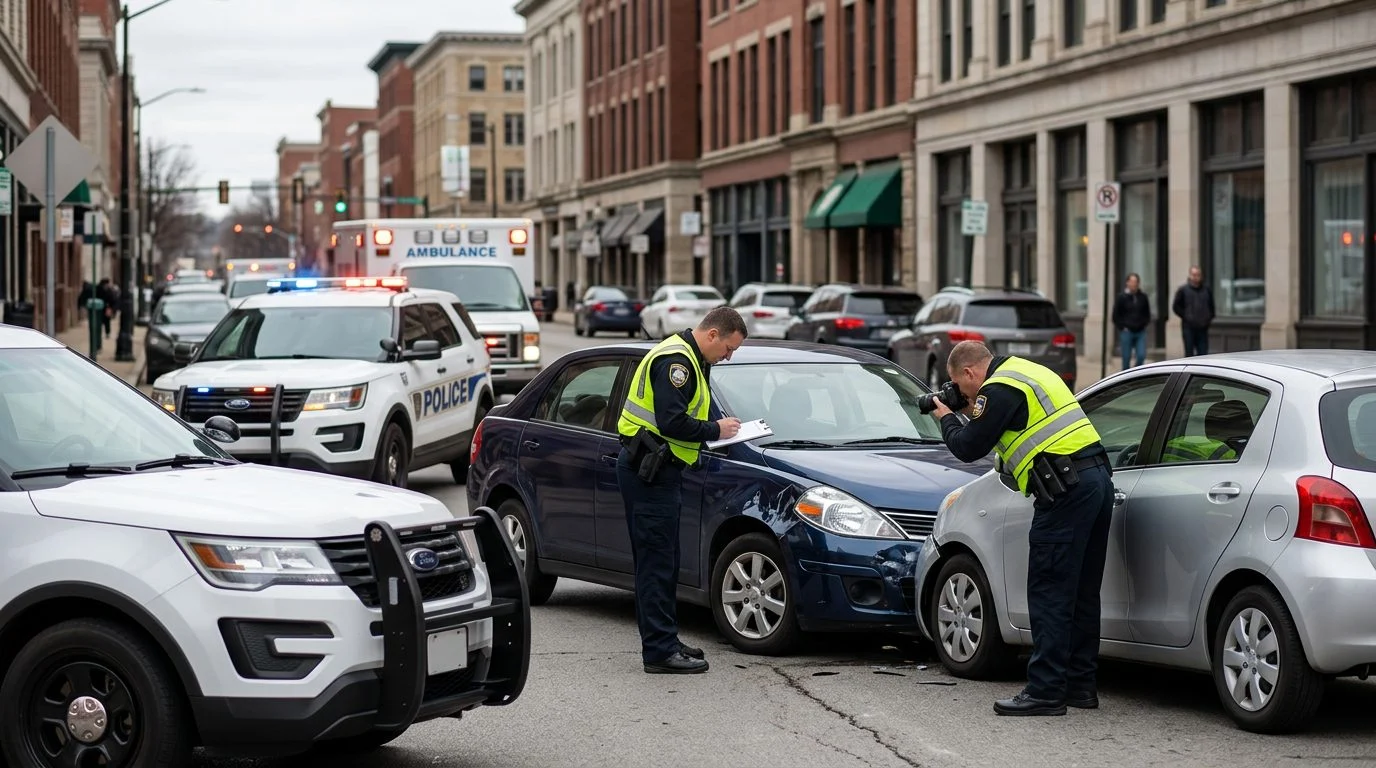
What is classed as a minor accident? It is an everyday label, not a fixed legal category. People use the phrase for a crash that looked small, with little damage and no obvious injury. That first impression helps with a quick description, but it does not decide what happens next.
If you were in a crash that seemed minor, this guide explains where the label comes from, why it can hide injuries, and when a closer look is worth it. We serve people across West Virginia.
What People Usually Mean by a Minor Accident
A minor accident is a crash that appears to cause little harm. Drivers, police officers, and insurance adjusters may all use the phrase. It describes how a crash looked at the scene, not how serious it turns out to be.
The label usually comes from first impressions. Someone may call a crash minor because both cars drove away and the damage looked cosmetic. That first view may not match what a later medical visit or a closer inspection shows.
The label also tends to stick. A text to a friend, a note in a claim file, or a line in a report may say “minor” before anyone checks for injury. That matters because people often make early choices based on that word, such as skipping a medical visit because they feel fine. Treat the word as a starting point, not a conclusion.
If your crash seemed small but you still have neck pain, headaches, or a driver who disputes what happened, you do not have to sort it out alone. Talk it through with Big Bubba — the first case review is free, confidential, and carries no obligation.
How Crashes Are Usually Described as Minor
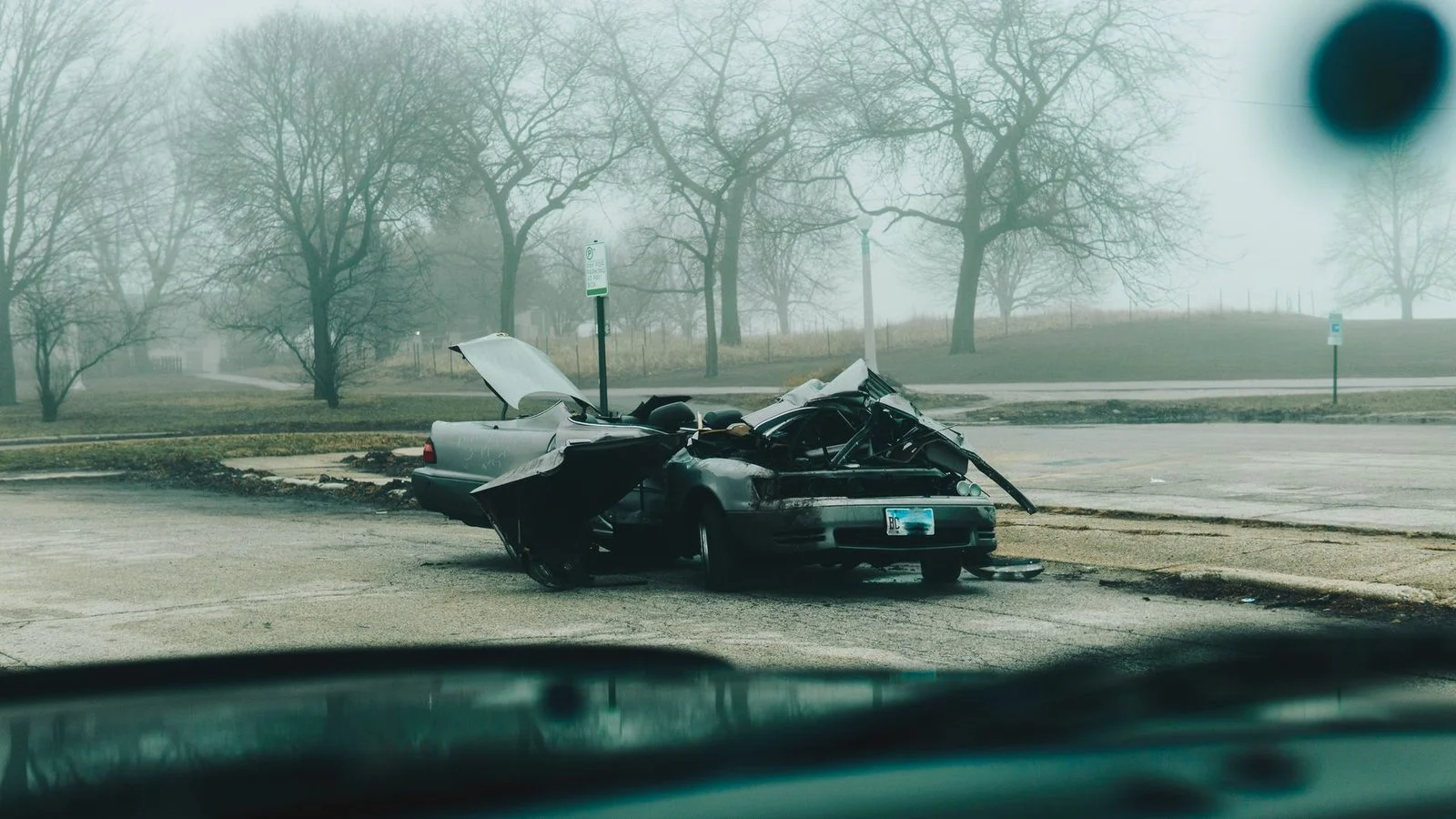
A crash is classed as a minor accident when the damage looks light, the impact seems slow, and no one appears hurt. Four factors drive most of these labels. Each one is a reference point, and none settles the question alone.
- Vehicle damage. Light scratches or a small dent are often called minor. Crushed frames, deployed airbags, or broken glass usually are not.
- Speed and impact. A slow bump in a parking lot or a gentle tap at a red light is typically low-speed.
- Ability to drive. If both cars could be driven away from the scene, the crash may look small.
- Reported pain. If everyone says they are fine at the scene, the crash may be labeled minor.
A low-speed crash can still injure someone. A crash with heavy damage can involve only mild hurt. The labels are shorthand, not a diagnosis.
Fault matters more than the label. Under § 55-7-13a, fault is expressed as a percentage, and each person’s liability is allocated in direct proportion to that person’s percentage of fault. A small crash can still involve a driver whose share of fault is significant.
Why a Minor Label Can Hide Injuries
Some injuries may not show symptoms until hours or days after a crash. Neck and back strains, and some head injuries, are examples where symptoms can be delayed. Shock and adrenaline at the scene can also make people feel fine when they first climb out of the car. That early feeling may not match how they feel the next morning.
This is why a medical evaluation after any crash matters. A medical provider can check for injuries that are not yet obvious to you. If you are unsure whether to be seen, read about whether going to the ER after a car accident makes sense.
Keep records. Write down new symptoms with dates, and save visit notes, prescriptions, and any time you missed from work. These records show what you reported and when. That timeline can matter later if questions come up about the crash.
Common Examples of Minor Car Accidents
A minor car accident is often a low-speed bump in everyday traffic. These examples show the usual pattern.
- A rear-end tap at a stop light. The bumper touches lightly, and both drivers say they are fine.
- A side mirror clip or sideswipe. Two cars brush in a parking lot or on a narrow road, leaving scrapes.
- A backing-up bump. A car taps a post, a cart, or another vehicle, with little visible damage.
- A crash where the other driver leaves or disputes fault. The damage may look small, but the dispute can still matter.
In each case, the label describes the crash as it looked. It does not describe the passenger’s neck, the driver’s sleep, or the next week of work. If the other driver disputes what happened, write down what each person said while it is fresh. Get the names of any witnesses too.
When a Crash Is More Than a Minor Accident
A crash moves beyond the minor label when force, vehicle size, or the type of injury changes the picture. Collisions with a commercial truck or other commercial vehicle can follow different rules than a passenger-car bump. FMCSA states that qualifying interstate commercial carriers must obtain a USDOT Number and comply with federal motor-carrier regulations.
Head-on and high-speed impacts can cause serious injury, even when the first hour feels calm. You can read more about head-on collision injury claims in West Virginia.
Injuries to the brain or spinal cord are catastrophic. They are not always obvious at first, and symptoms may develop over time. Our catastrophic injuries overview covers these injury types and how they are evaluated.
Police Reports, Insurance Notice, and Vehicle History
A police report and prompt insurance notice help create a record of a crash. The rules vary by situation, though. Many police agencies take a report when a crash involves injury, a tow, or significant damage. Ask the responding agency whether a report was filed and how to request a copy.
Your own auto policy may matter even when the other driver is at fault. West Virginia requires motor vehicle policies to include uninsured motorist provisions under § 33-6-31. The state’s Division of Motor Vehicles consumer insurance page offers general information about auto insurance.
Some insurers may dispute a claim, even one that started as a small crash. Keep your own photos, the other driver’s details, and the names of witnesses. A prior accident may also appear on a vehicle history report and may affect how a car is valued when it is sold or bought.
Not sure what your next step is?
Talk it through with Big Bubba — the first case review is free, confidential, and carries no obligation.
Can a Minor Accident Still Lead to a Personal Injury Claim?
A minor-looking crash may still lead to a personal injury claim if another driver’s negligence caused harm. Whether a claim exists depends on the facts. Fault, injuries, and the details of the crash all matter.
West Virginia generally allows two years to file a personal injury claim, and exceptions may apply. See § 55-2-12. Waiting too long may close the door to filing, so timing matters even when a crash seemed small. Our statute of limitations overview explains how these deadlines work.
If you share some fault, § 55-7-13c says your fault does not bar recovery unless it is greater than the combined fault of all other persons responsible. Any recovery is then reduced in proportion to your degree of fault.
West Virginia also limits early settlement talks. Under § 55-7-11a, no one may negotiate a settlement for a personal injury within twenty days while the injured person is an inpatient in a hospital or unable to work as usual. Under W. Va. Code § 55-7-11a, an injured person may disavow a settlement, release or statement obtained in violation of that section at any time within one hundred eighty days from the date of the personal injury, by executing a written statement of disavowal and forwarding a copy to the person who violated the section, and any money paid for the settlement or release must be repaid or returned at that time.
Key Takeaways and Your Next Step
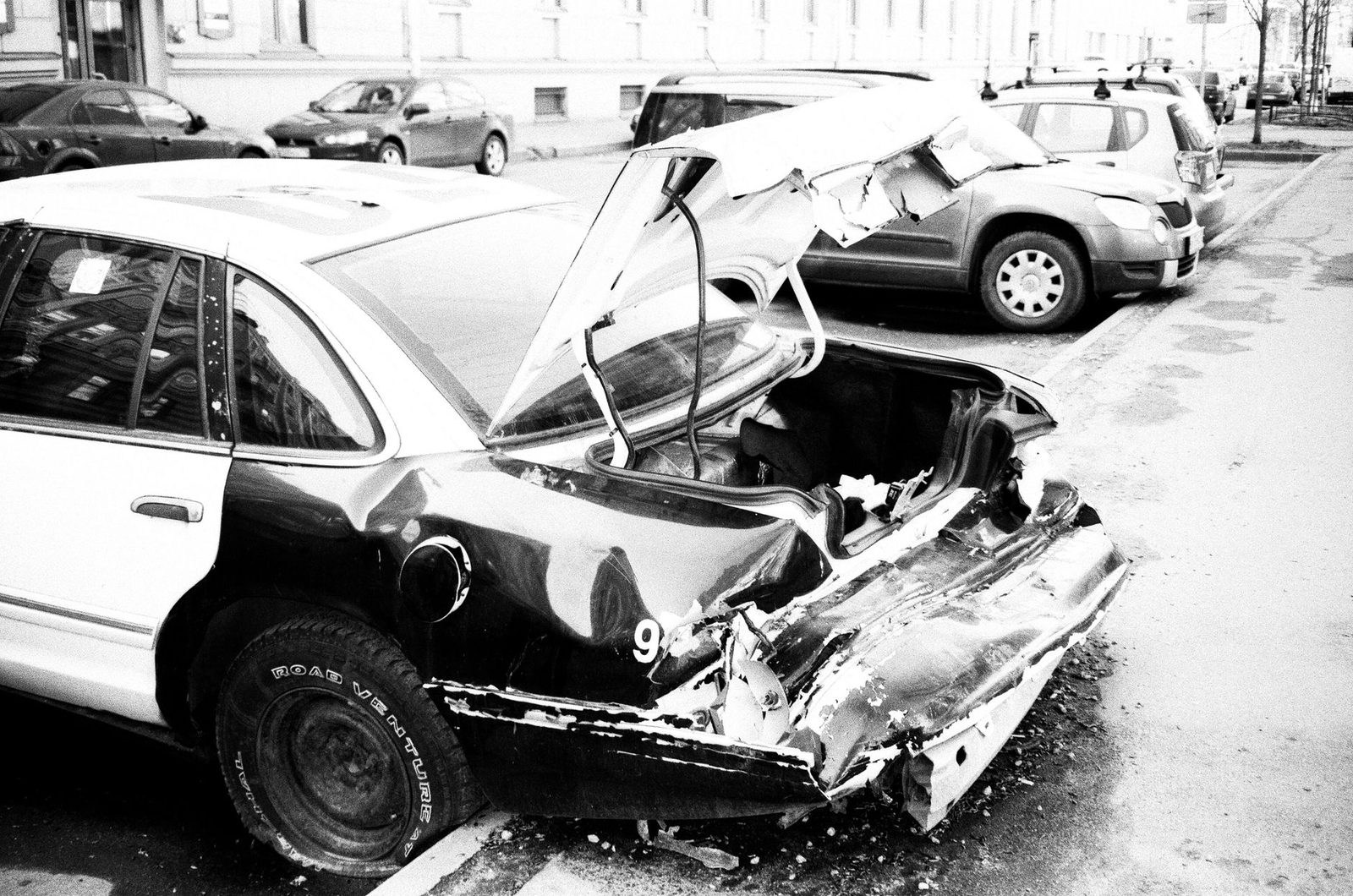
A minor accident describes damage and first impressions. It does not describe every injury or every legal question that follows.
- The label is an everyday description, not a fixed legal category.
- Injuries can still be serious, and symptoms may appear later.
- Get checked by a medical provider after any crash, even if you feel fine.
- Keep photos, medical records, and the names of witnesses.
- Note deadlines early, since they may run from the date of the crash.
Quick answers
What is classed as a minor accident?
It is a common description of a crash that looked small, not a fixed legal category.
Can you get hurt in a minor car accident?
Yes. Some injuries may not show symptoms until later.
How long do I have to file a claim?
West Virginia generally allows two years for personal injury claims, and exceptions may apply.
Many people read about this after a crash they did not expect. If your crash seemed small but you still have neck pain, headaches, or a driver who disputes what happened, you do not have to sort it out alone. You can request a free case review with the firm and talk through what happened.