

Car Accident Injuries
What Qualifies as a Serious Car Accident?
Not all crashes are the same. Learn what makes a car accident serious—and why you shouldn't wait to get help.
Published October 05, 2026
A serious car accident is defined primarily by the nature and extent of injuries sustained, not by how much damage the vehicles show. Even a low-speed collision can be serious if someone suffers a significant injury—and a high-speed crash with minimal injuries may not meet the threshold of “serious” in legal or insurance terms.
How “serious” is defined in car accidents
Injury severity, not property damage, determines whether a car accident is serious. An accident is considered serious when it results in injuries requiring medical treatment, hospitalization, ongoing care, or that prevent someone from working or performing daily activities.
Legal definitions of “serious” vary depending on context. Insurance companies, courts, and medical professionals may evaluate severity differently. What matters most is whether the injuries sustained will have lasting effects on the person’s health, finances, or quality of life. A serious accident can involve one person or multiple people across one vehicle or many.

If you sustained any injury requiring medical treatment, you may have a claim. Talk it through with our team — the first case review is free, confidential, and carries no obligation.
Types of injuries that make an accident serious
Certain injuries almost always qualify an accident as serious. Traumatic brain injury (TBI) and head trauma—even if the person didn’t lose consciousness—can cause lasting cognitive, physical, or emotional effects. Spinal cord injuries and paralysis are among the most catastrophic outcomes of car crashes.
Broken bones and fractures requiring surgery, internal injuries and organ damage, severe burns or lacerations, and injuries requiring hospitalization or extended treatment all mark an accident as serious. Even soft-tissue injuries like whiplash can be serious if they cause chronic pain or limit movement long-term.
How do you know if your injury is serious?
Some serious injuries announce themselves immediately. Loss of consciousness, severe pain, inability to move, or visible wounds are clear warning signs. But many serious injuries don’t show up right away.
Delayed symptoms are common after car accidents. Headaches, neck stiffness, numbness, tingling, difficulty concentrating, or chronic pain may develop hours or even days after the crash. Internal bleeding, spinal cord damage, and traumatic brain injury can all develop or worsen over time without immediate symptoms.
Medical evaluation is the only reliable way to assess injury severity. Even if you feel “okay” after the accident, seek medical attention. A doctor can identify injuries you may not feel yet and create a record of your condition. This record becomes important later if you need to pursue a claim.
Accident characteristics that often indicate severity
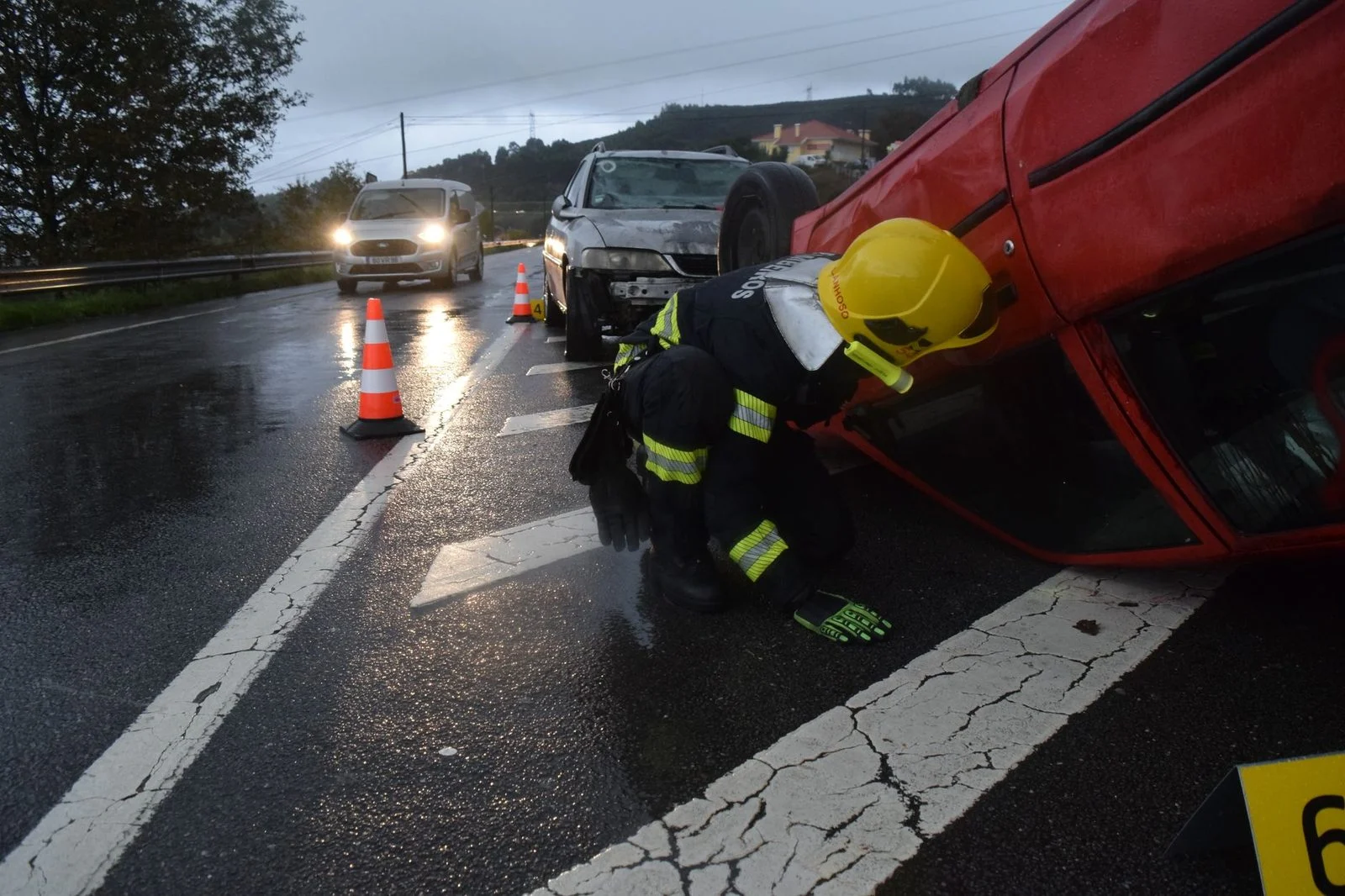
Certain crash patterns correlate with serious injuries. High-speed collisions, multi-vehicle crashes, and rollovers or vehicles leaving the roadway typically involve greater forces and more serious outcomes. Pedestrians or cyclists struck by vehicles almost always sustain serious injuries.
Commercial truck or large vehicle involvement increases injury risk due to the weight and size difference. Ejection from the vehicle is a strong indicator of serious injury. Significant vehicle damage or deformation—crushed doors, collapsed roofs, or intrusion into the passenger compartment—often signals that the people inside experienced serious trauma.
If you or someone you care for has been hurt in a car accident and you're unsure what happens next, reach out to tell us what happened. Talk it through with our team — the first case review is free, confidential, and carries no obligation.
Knee pain and other common injuries after car accidents
Knee injuries are common in car accidents. The impact of a crash can force your knee into the dashboard or steering wheel, causing immediate or delayed pain and swelling. Whiplash and neck injuries occur even in lower-speed crashes when your head and neck snap backward and forward suddenly.
Back and spinal injuries may develop over days or weeks as inflammation increases or as you notice pain with movement. Soft-tissue injuries can be serious despite appearing minor initially—ligament and muscle damage can cause long-term pain and limit your ability to work or enjoy life.
Pain that worsens or persists warrants professional medical evaluation. Don’t assume that because pain didn’t appear immediately, the injury isn’t serious. The body’s adrenaline response often masks pain in the first hours after a crash.
When to reach out about your accident
If you sustained any injury requiring medical treatment, you may have a claim. If you’re facing significant medical bills or ongoing care costs, if you’re unable to work or perform daily activities, or if you’re uncertain whether your injuries qualify as serious, professional guidance can help you understand your options.
In West Virginia, personal-injury lawsuits must generally be filed within two years after the right to bring the claim accrues, and exceptions may apply, so prompt action matters. If the other driver was at fault and you need guidance on next steps, don’t wait.
Frequently asked questions
Can you have a serious injury without immediate symptoms?
Yes. Internal bleeding, spinal cord damage, and traumatic brain injury often develop or worsen over hours or days after a crash.
What should you do if you think you have a serious injury from a car accident?
Seek medical attention immediately, even if you feel okay. Get a written record of your condition and any injuries the doctor identifies.
Does vehicle damage determine if an accident is serious?
No. A serious accident is defined by injury severity, not property damage. A low-speed crash can cause serious injury; a high-speed crash with minimal injuries may not.
What types of car accidents cause the most serious injuries?
High-speed collisions, multi-vehicle crashes, rollovers, pedestrian or cyclist strikes, and crashes involving commercial trucks or large vehicles typically result in more serious injuries.
If you or someone you care for has been hurt in a car accident and you’re unsure what happens next, reach out to tell us what happened.
Not sure what your next step is?
Talk it through with our team — the first case review is free, confidential, and carries no obligation.
Related practice areas
- Catastrophic Injuries
- Pain and Suffering Settlement Amounts in West Virginia