
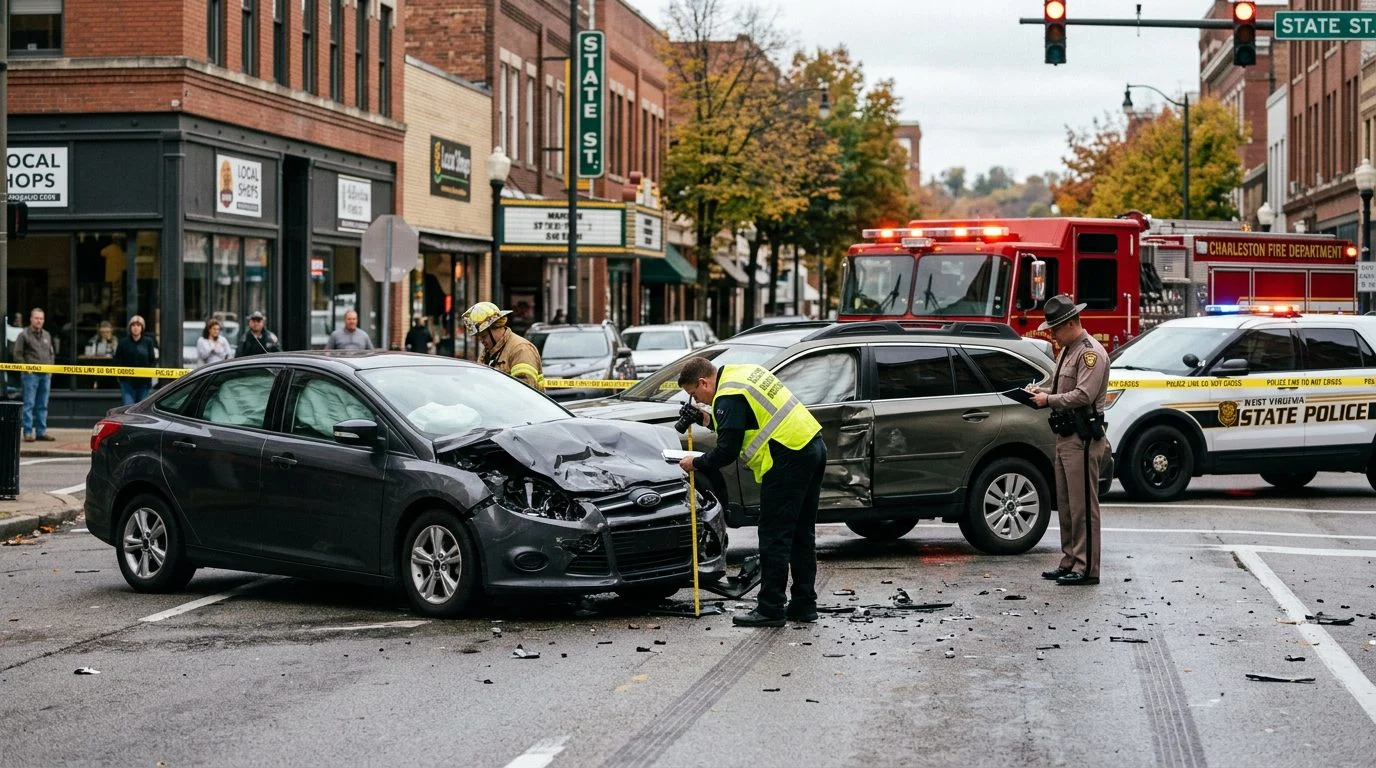
Serious Accidents in West Virginia
What Qualifies as a Serious Accident?
Understanding injury claims that demand legal action
Published October 05, 2026
A serious accident is one that results in significant injury, lasting harm, or death—not simply vehicle damage or a minor bump. Seriousness is measured by the injury itself and its impact on the person’s life, not by how fast the vehicles were traveling or how the wreck looks.
What Is Considered a Serious Accident?
A serious accident is legally and practically defined by the injuries it causes and their lasting effects on the injured person. In West Virginia, the law recognizes serious accidents through the types of injuries they produce and how those injuries change someone’s ability to work, care for themselves, or live their daily life. A serious accident is not about fault or blame—it’s about whether the person’s body and life have been fundamentally altered by the crash.
The threshold for a serious accident is crossed when the injury prevents normal function, requires extended medical treatment, or causes permanent disability. An accident that causes a broken arm that heals in weeks is different from one that causes paralysis or brain damage that lasts a lifetime. Both are real injuries, but only the latter typically qualifies as serious under injury law.

Not sure what your next step is?
Talk it through with our team — the first case review is free, confidential, and carries no obligation.
Serious Injuries That Define a Serious Accident
Several types of injuries mark an accident as serious:
Traumatic Brain Injury (TBI): A bump, blow, or jolt to the head can cause a traumatic brain injury, ranging from a concussion to severe damage. TBI can result in loss of consciousness, confusion, memory loss, difficulty concentrating, personality changes, and long-term cognitive problems. Even a “mild” TBI can have lasting effects on work performance and daily life.
Spinal Cord Injury: An injury to the spinal cord can cause partial or complete paralysis, loss of sensation, and permanent changes to mobility and bodily function. Injury to the cervical spine (the neck) can affect the arms, hands, and even breathing. Spinal cord injuries almost always qualify as serious because they fundamentally change how a person moves and lives.
Broken Bones: Fractures requiring surgery, multiple breaks, or breaks affecting major joints (hip, knee, shoulder) are serious, especially if they prevent weight-bearing or arm use during recovery.
Internal Injuries: Organ damage, internal bleeding, or injuries requiring emergency surgery are serious because they threaten life and often require intensive hospitalization and recovery.
Severe Burns or Disfigurement: Burns affecting a large area of the body or causing permanent scarring or disfigurement are serious injuries.
Amputation or Permanent Loss of Limb Function: Loss of a finger, hand, foot, or leg, or permanent paralysis of a limb, is a serious injury.
Extended Hospitalization or Rehabilitation: Any injury requiring days or weeks in the hospital, surgery, or months of physical therapy signals a serious accident.
How Doctors and Insurance Determine Seriousness
Medical professionals and insurance companies assess injury severity using several markers:
Medical Documentation: Hospital records, imaging (CT scans, MRIs), X-rays, and evaluations by specialists establish what happened to the body and how severe the damage is.
Functional Impact: Can the person return to work? Can they care for themselves? Can they walk, use their arms, or think clearly? The more a person’s daily life is disrupted, the more serious the injury.
Treatment Required: Surgery, ongoing physical therapy, medication, assistive devices (wheelchairs, walkers, braces), or home care all signal a serious injury.
Permanence: Is the injury temporary, or will it last a lifetime? Permanent injuries are more serious than those that heal completely.
Insurance companies use these factors to evaluate claim value, but remember: a serious injury is serious regardless of what an insurance adjuster says or what settlement discussions might later involve.
Types of Accidents That Often Result in Serious Injuries
Certain accident types carry a higher risk of serious injury:
Head-On Collisions: Direct impact between two vehicles traveling toward each other creates extreme force. Occupants face direct trauma to the head, chest, and spine.
Rollover Accidents: A vehicle rolling multiple times creates repeated impacts, crushing forces, and the risk of ejection. Rollover accidents often cause traumatic brain injury and spinal cord injury.
Rear-End Collisions at Highway Speed: While low-speed rear-end crashes may cause whiplash, high-speed impacts can cause serious spinal injury, internal injuries, and head trauma.
Commercial Truck Accidents: The size and weight of a commercial truck mean that collisions with smaller vehicles create a severe disparity in force. Truck accidents frequently result in catastrophic injury.
Multi-Vehicle Pileups: When three or more vehicles collide, the compounding impacts increase injury severity.
Accidents Involving Pedestrians or Cyclists: Unprotected bodies striking vehicles at any speed carry high risk of serious injury or death.
Have questions about what happened?
Ask our team directly. The first conversation is free, confidential, and there is no obligation to continue.
When an Accident Becomes a Criminal Matter
Some serious accidents cross into criminal law. If death results from a crash, the accident may be investigated as a felony—such as vehicular homicide or DUI causing death. Reckless or impaired driving that causes serious injury can also lead to criminal charges. Criminal charges do not replace a civil injury claim; both can proceed separately, and a person injured in a crash can pursue a civil case even if criminal charges are filed against the at-fault driver.
Why Determining Seriousness Matters
Understanding whether an accident qualifies as serious matters because it affects your next steps:
Serious accidents require immediate medical care and often long-term treatment. Early and thorough documentation protects your health and your legal rights.
Insurance claims for serious injuries are more complex. They may involve multiple insurers, negotiations over fault, and questions about future care costs that require careful handling.
Serious injuries may qualify for damages beyond medical bills: lost wages, lost earning capacity, future medical care, and compensation for pain and suffering. These damages require legal review to ensure they are not overlooked.
Early legal guidance can help protect your rights and ensure that nothing is missed in the claims process.

Frequently Asked Questions
How long do I have to file a lawsuit for a serious accident in West Virginia?
West Virginia generally requires a personal-injury lawsuit to be filed within two years after the right to bring it accrues, and exceptions may apply. For a wrongful-death claim, the action generally must be commenced within two years after the death of the deceased person, subject to other provisions of West Virginia law. Missing this deadline generally bars your claim, although exceptions may apply.
What if I was partly at fault for the accident?
West Virginia follows a modified comparative fault rule: your damages are reduced by your percentage of fault, but you can still recover as long as your fault is not greater than the combined fault of all other parties. In other words, if you are 50% at fault, you can still recover 50% of your damages.
How do I know if my injury is serious enough to pursue a claim?
If the accident caused injury that prevents you from working, requires ongoing medical treatment, or has changed your life in a lasting way, it likely qualifies as serious. A free case review can help you understand whether your situation meets the threshold.
What is the difference between a civil injury claim and criminal charges?
A civil claim seeks compensation for your medical bills, lost wages, and other damages. Criminal charges seek to punish the at-fault driver. Both can happen in the same accident, and they proceed separately.
If you’re trying to understand whether an accident you or a loved one experienced qualifies as serious, reach out to discuss your situation and get clarity on your options.
Want to know where you stand?
Tell us what happened and our team will walk you through the options available to you, at no cost.