
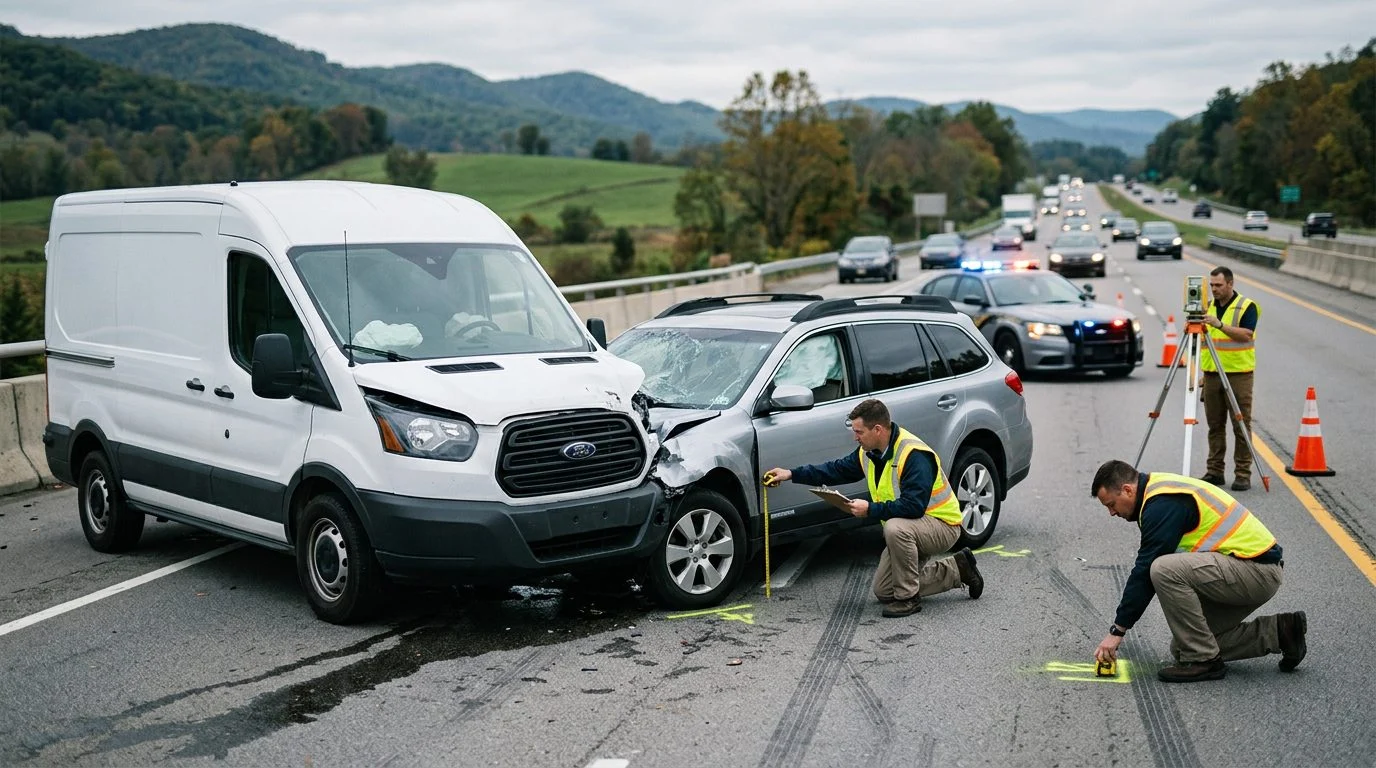
Work van crash injury claims | West Virginia
Hurt in a Work Van Crash? Talk With Our Firm About Your Spinal Cord Injury
Big Bubba Injury Law represents people seriously injured in work van and commercial vehicle crashes across West Virginia, and families in wrongful death cases. Tell us what happened and we will review your situation with you.
Published October 25, 2026
What a Work Van Crash Spinal Cord Injury Claim Involves
A work van crash spinal cord injury claim is a personal injury claim that comes from a collision with a van used for work. The injured person might be the driver, a passenger, a coworker, or a motorist hit by the van. If you’re looking for a work van crash spinal cord injury lawyer West Virginia, this guide explains who may be responsible and how these claims usually move.
A spinal cord injury is a catastrophic injury. It can change how you move, feel, and breathe, and it often needs long-term care. The firm handles catastrophic injuries, traumatic brain injury, wrongful death, and car, truck, and commercial vehicle crashes. For the wider picture, read our catastrophic injury overview.
We serve injury victims across West Virginia, including Charleston, Huntington, Morgantown, Wheeling, Martinsburg, Parkersburg, Beckley, Clarksburg, Fairmont, and Weirton.
Who Can Be Held Responsible After a Work Van Crash
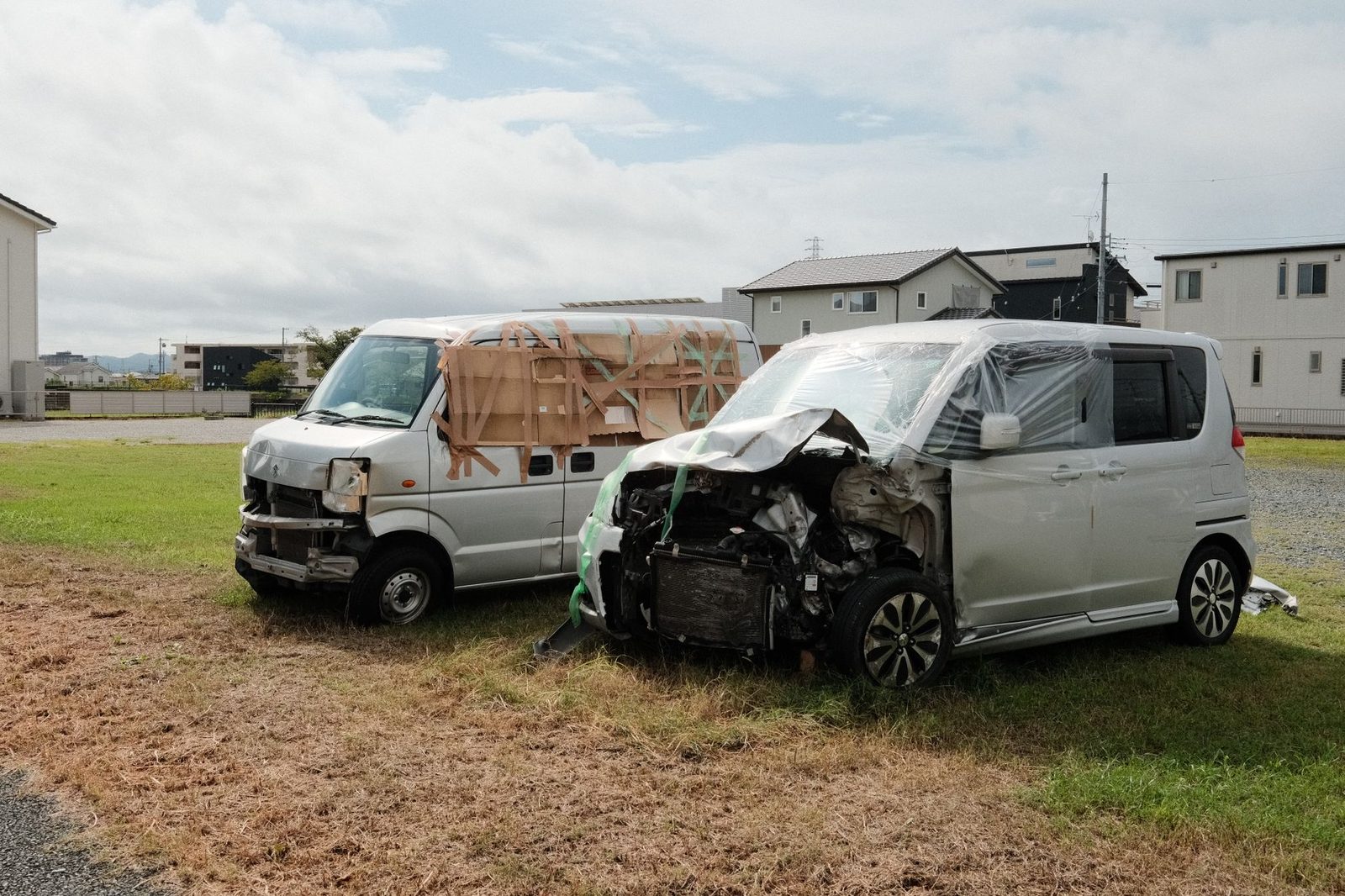
More than one person or company can be responsible after a work van crash. The driver is the first person to look at. The employer and other parties may also be involved.
- The driver. This may be an employee, a contractor, or another person behind the wheel.
- Other parties. A vehicle owner or lessor, or another driver, may have contributed to the crash.
West Virginia law says a person may be held liable for the comparative fault assigned to someone acting as its agent or servant.
Vehicle condition is another issue. 49 C.F.R. § 396.3 requires motor carriers to inspect, repair, and maintain vehicles, including brakes, suspension, and steering. Brakes must also prevent excessive fading and grabbing.
Several parties may be named. West Virginia’s comparative fault statute generally makes each defendant liable only for its own share of fault.
Can You Sue Your Employer in West Virginia?
Sometimes you can, but the answer turns on your job and how the crash happened. If you were working when you were hurt, workers’ compensation may be one source of benefits. Workers’ compensation is a separate system from a personal injury claim, and the two can interact.
A claim against someone other than your own employer, such as another driver, is a different path. Some crashes involve a company that owns or controls the van, which can change who the claim is against.
Bring your job role and the crash details to the firm so these questions can be sorted out early. Early answers help you choose the right path.
Spinal Cord Injuries Covered by These Claims
A spinal cord injury damages the nerves that carry signals between the brain and the body. The spinal cord has three layers of protective tissue, and fluid around it cushions against shock.
Doctors often describe these injuries in a few ways:
- Complete injury. Movement and sensation are lost below the level of injury.
- Incomplete injury. Some movement or feeling remains below the injury, and recovery varies.
- Paraplegia. The legs and lower body are affected, usually from an injury in the chest, lower back, or pelvic region of the spine.
- Tetraplegia, or quadriplegia. All four limbs are affected, usually from an injury in the neck.
Neck-level injuries are especially urgent. Nerves in the upper neck control the diaphragm, so an injury there can stop breathing. The medical picture often changes over time, so records from the early treatment period matter.
What a Spinal Cord Injury Claim May Seek to Recover
A claim may seek compensation for losses the injury causes now and in the future. These losses are often large and ongoing, so they are documented carefully.
- Medical care. This includes emergency treatment, surgery, rehabilitation, medication, and equipment.
- Lost income. This covers lost wages and lost ability to earn in the future.
- Daily living needs. Home changes, assistive devices, and personal or attendant care can be included.
- General losses. These include pain, suffering, and loss of enjoyment of life.
For wrongful death, West Virginia law says the jury verdict shall include, but may not be limited to, damages for sorrow, mental anguish, and solace, lost income and services, care and hospital expenses, and reasonable funeral expenses. If an injured person dies later, a claim may continue through the personal representative. West Virginia Code also allows a separate claim for damages between the injury and death.
How the Claim Process Works, Step by Step
Most claims start with a free case review and then move through evidence, insurance talks, and possibly a lawsuit. Each step builds on the one before it.
- Free case review. The firm listens to what happened, reviews the injury and crash facts, and explains your options.
- Evidence. Key items include the crash report, photos, vehicle data, driver logs, maintenance and hiring records, and dash camera footage. Carriers must keep maintenance records for at least one year, so early requests matter.
- Medical records. Records should cover the path from the scene through rehabilitation.
- Insurance contact. Claims may go to the at-fault driver’s insurer and to any employer or commercial policy.
- Demand and negotiation. The claim is presented, and the insurer responds.
- Lawsuit, if needed. If a fair resolution is not reached, a suit may be filed.
Many cases take months to years. The timeline turns on the medical picture and the parties involved.
Deadlines and Early Steps That Protect a Work Van Claim
In West Virginia, a personal injury claim generally must be brought within two years after the right to bring it began. That rule comes from W. Va. Code § 55-2-12. A wrongful death action must be brought within two years after the death, subject to the provisions of section eighteen, article two, chapter fifty-five, under W. Va. Code § 55-7-6. W. Va. Code § 55-7-6 reads: “The provisions of this section shall not apply to actions brought for the death of any person occurring prior to July 1, 1988.”
Claims against a government entity follow different rules. Under W. Va. Code § 29-12a-6, these claims generally have a two-year limit, with discovery and tolling rules that can apply.
While you wait, protect your claim:
- Keep up with medical follow-up and keep every bill and record.
- Write down the names of the driver, the employer, and any witnesses.
- Avoid recorded statements to an insurance adjuster before you speak with a lawyer. Read more about what to tell an insurance adjuster.
- Learn how long you have to file for a crash injury claim.
Frequently Asked Questions About Work Van Spinal Cord Injury Claims
Can I still have a claim if I was a passenger in the work van?
Passengers are often in a different position than drivers. The crash facts and the employer’s role shape the claim.
Can I sue my employer if I was driving the van for work?
Workers’ compensation may apply to on-the-job injuries. Claims against other parties may still be possible.
What if I was partly at fault for the crash?
Under West Virginia’s comparative fault rule, your recovery is reduced by your share of fault. You are barred only if your fault is greater than the combined fault of all other persons. W. Va. Code § 55-7-13c reads: “(c) Any fault chargeable to the plaintiff shall not bar recovery by the plaintiff unless the plaintiff’s fault is greater than the combined fault of all other persons responsible for the total amount of damages, if any, to be awarded.”
Can a family file a wrongful death claim later?
Yes. If a spinal cord injury later leads to death, the action is brought by the personal representative within two years after the death, subject to the provisions of section eighteen, article two, chapter fifty-five (W. Va. Code § 55-7-6). W. Va. Code § 55-7-6 reads: “The provisions of this section shall not apply to actions brought for the death of any person occurring prior to July 1, 1988.”
What evidence matters most?
The crash report, vehicle data, driver logs, maintenance records, witness contacts, and complete medical records matter most.
Does the firm handle work van crash spinal cord injury claims across West Virginia?
Yes. We serve injury victims throughout West Virginia.

Request a Free Case Review of Your Work Van Crash
If a work van crash left you or someone you love with a spinal cord injury, don’t wait to get answers. Deadlines are already running, and records can be hard to recover later. Tell Big Bubba what happened, and request a free case review with the firm to talk through who may be responsible and what options may apply.