
Wrongful Death | Truck Crashes | West Virginia
When a Truck Crash Takes a Loved One, Your Family Does Not Have to Carry the Claim Alone
Big Bubba Injury Law helps families across West Virginia pursue wrongful death claims after fatal car and commercial truck crashes. We serve Charleston, Huntington, Morgantown, Wheeling, Martinsburg, Parkersburg, Beckley, Clarksburg, Fairmont and Weirton.
Published October 29, 2026
For a family in West Virginia, a wrongful death truck crash claim is a civil case that seeks compensation for losses after a death. The claim is brought by the personal representative of the deceased person’s estate. West Virginia generally allows two years from the date of death to file (W. Va. Code § 55-7-6). This guide explains who can file, what the claim can cover, and why truck crashes call for early action.
What a Wrongful Death Claim Is After a Truck Crash
A wrongful death claim is a lawsuit brought because a death was caused by another party’s wrongful act, neglect or default that would have entitled the injured person to maintain an action to recover damages had death not ensued. W. Va. Code § 55-7-5 West Virginia law keeps the responsible party liable even though the injured person has died. W. Va. Code § 55-7-5
The claim is separate from any criminal case against a driver. A criminal case asks whether someone broke the law. A civil claim asks who must pay the family for its losses. The two are different proceedings.
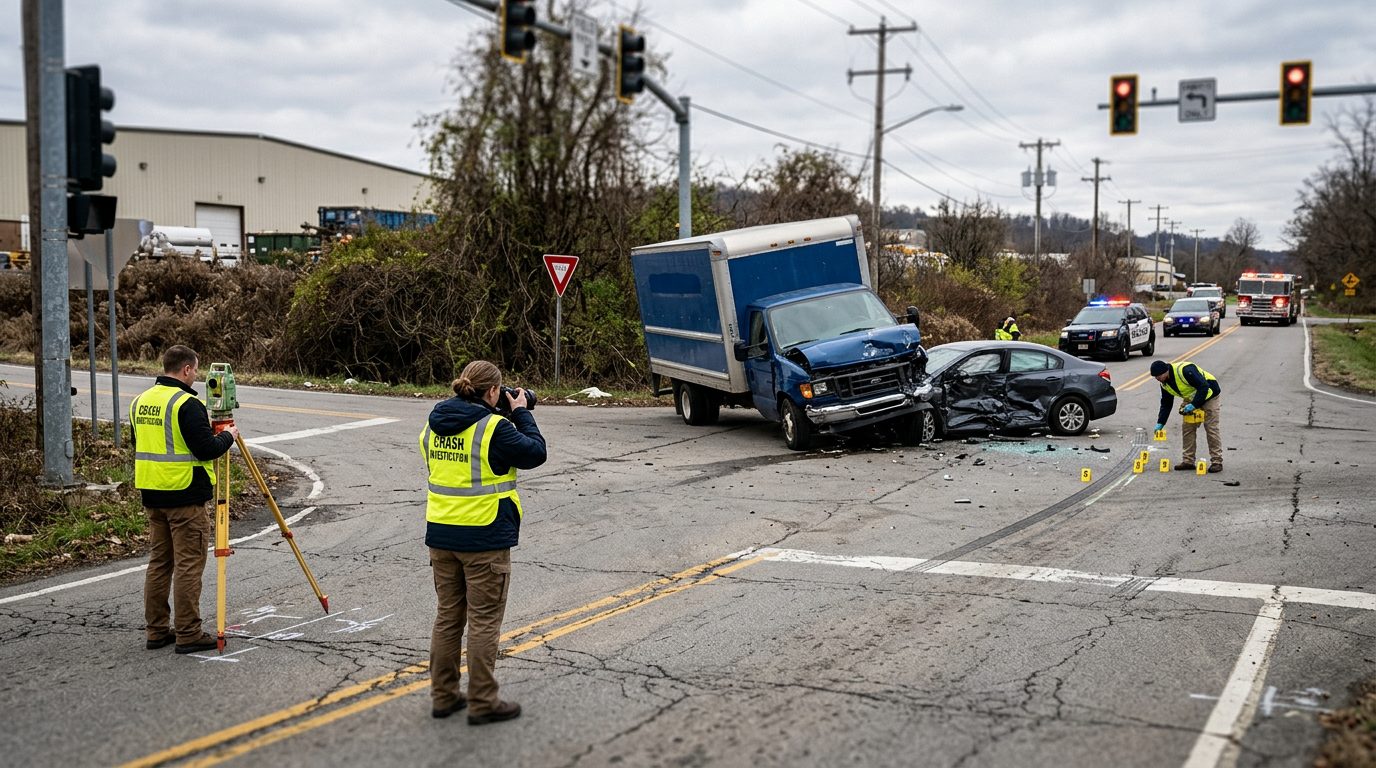
Commercial truck crashes can involve more than the driver. The trucking company, the vehicle owner or another party may be responsible, depending on the evidence. That is why a truck crash claim often covers both bills and the loss of a loved one’s support and presence.
Not sure what your next step is?
Talk it through with Big Bubba — the first case review is free, confidential, and carries no obligation.

Who Can File a Wrongful Death Claim in West Virginia
The personal representative of the deceased person’s estate files the claim. Under W. Va. Code § 55-7-6, the action must be brought by and in the name of a personal representative who has been duly appointed.
A personal representative is the person a court appoints to handle the estate of someone who has died. If no one has been appointed yet, the family may need to open a probate case first. Probate is the court process for settling a person’s estate.
The people who benefit from the claim can differ from the person who files it. The jury, or in a case tried without a jury, the court, may decide how damages are shared among the surviving spouse and children, including adopted children and stepchildren. Many families are surprised by this split between who files and who receives. The firm helps families sort out these roles early.
Damages Families May Be Able to Pursue
A West Virginia wrongful death claim can seek several types of damages. Each one ties back to a real family loss. The verdict must include these categories, but the list is not limited to them:
- Funeral expenses, and hospital, medical and care costs tied to the injury that caused the death.
- Income the deceased person could reasonably be expected to provide.
- Compensation for the reasonably expected loss of services, protection, care and assistance the person gave the family.
- Sorrow, mental anguish and solace, which can include companionship, comfort, guidance and advice.
These categories come from W. Va. Code § 55-7-6. The jury must set forth separately the amount of reasonable funeral, hospital, medical and other expenses incurred as a result of the wrongful act, neglect or default.
A wrongful death complaint cannot state a specific dollar amount of damages. W. Va. Code § 55-7-25 sets that rule. No amount can be promised, and every claim turns on its own facts.
Why Truck Crash Cases Differ From Ordinary Car Wrecks
Truck crash cases usually involve more records, more rules and more parties than a typical car wreck. Commercial trucks are subject to federal rules. The Federal Motor Carrier Safety Administration sets federal limits on driving time, rest and sleeper-berth use.
Families should ask that these records be preserved:
- Electronic logging device data and duty status records.
- Driver qualification files.
- Maintenance records.
- Dashcam footage, if the truck had a camera.
- The crash report.
Also, a person may be held liable for the share of fault assigned to an agent or servant (W. Va. Code § 55-7-13d). Trucking companies and insurers can act quickly, so early requests help keep records from being lost.
How the Process Typically Works
Every case is different, but most follow four steps. Timing varies widely with the complexity of the investigation and the parties involved.
- Free case review. The family describes what happened in its own words. The firm explains possible paths and what information is needed. The review is confidential and carries no obligation to continue.
- Securing evidence. Preservation letters go out and key records are requested while they can still be obtained.
- Investigation and documentation. The firm works to gather crash details, medical records and proof of the family’s losses.
- Claim presentation. The claim is presented to insurers for negotiation. If needed, a lawsuit is filed in the appropriate West Virginia court.
If a settlement is reached, the personal representative may compromise the claim before or after a lawsuit. Under W. Va. Code § 55-7-7, the court approves and then apportions and distributes the money.
Deadlines Families Should Know About
West Virginia generally requires a wrongful death action to be commenced within two years after the death. W. Va. Code § 55-7-6 sets this period. The statute also refers to other provisions that can affect timing, so an early review is the safest way to know where your family stands.
Early steps take time. Securing records and getting a personal representative appointed can take months. Waiting can shorten the practical window. The deadline is a reason to talk early, not a reason to rush into signing anything.
Not sure what your next step is?
Talk it through with Big Bubba — the first case review is free, confidential, and carries no obligation.
Talking to Insurers and Protecting the Claim
Insurance adjusters may call the family soon after a fatal crash. They may ask for a recorded statement. It’s fine to say you need time before answering detailed questions.
Write down each caller’s name, the time of the call and what was asked. Keep a folder with funeral bills, medical bills, pay records for the person who died, and every letter or email from insurers. A calm, written record helps protect the family’s position.

Who the Firm Serves and How to Reach Out
Big Bubba Injury Law handles wrongful death claims that come from truck and commercial vehicle crashes. The firm also handles car accidents, catastrophic injuries, traumatic brain injury and spinal cord injury matters. We serve families across all 55 West Virginia counties, including Charleston, Huntington, Morgantown, Wheeling, Martinsburg, Parkersburg, Beckley, Clarksburg, Fairmont and Weirton.
Motor vehicle crashes are a serious problem in the state. The Insurance Institute for Highway Safety publishes state-by-state data on motor vehicle crash deaths.
Who files the claim?
The personal representative of the estate files it, and that person must be duly appointed.
Can the claim involve more than the driver?
Yes. The trucking company or another party may share responsibility, depending on the evidence.
What if the person who died was partly at fault?
West Virginia juries assign a percentage of fault to each party, and to a nonparty only if the plaintiff entered into a settlement agreement with the nonparty or a defending party gives notice no later than one hundred eighty days after service of process upon said defendant that the nonparty was wholly or partially at fault (W. Va. Code § 55-7-13d).
How long do families have?
Generally two years from the date of death (W. Va. Code § 55-7-6).
If a truck crash in West Virginia took someone your family loved, you don’t have to work out the next steps alone. Reach out through the firm’s contact page for a free case review, and tell the firm what happened in your own words.