
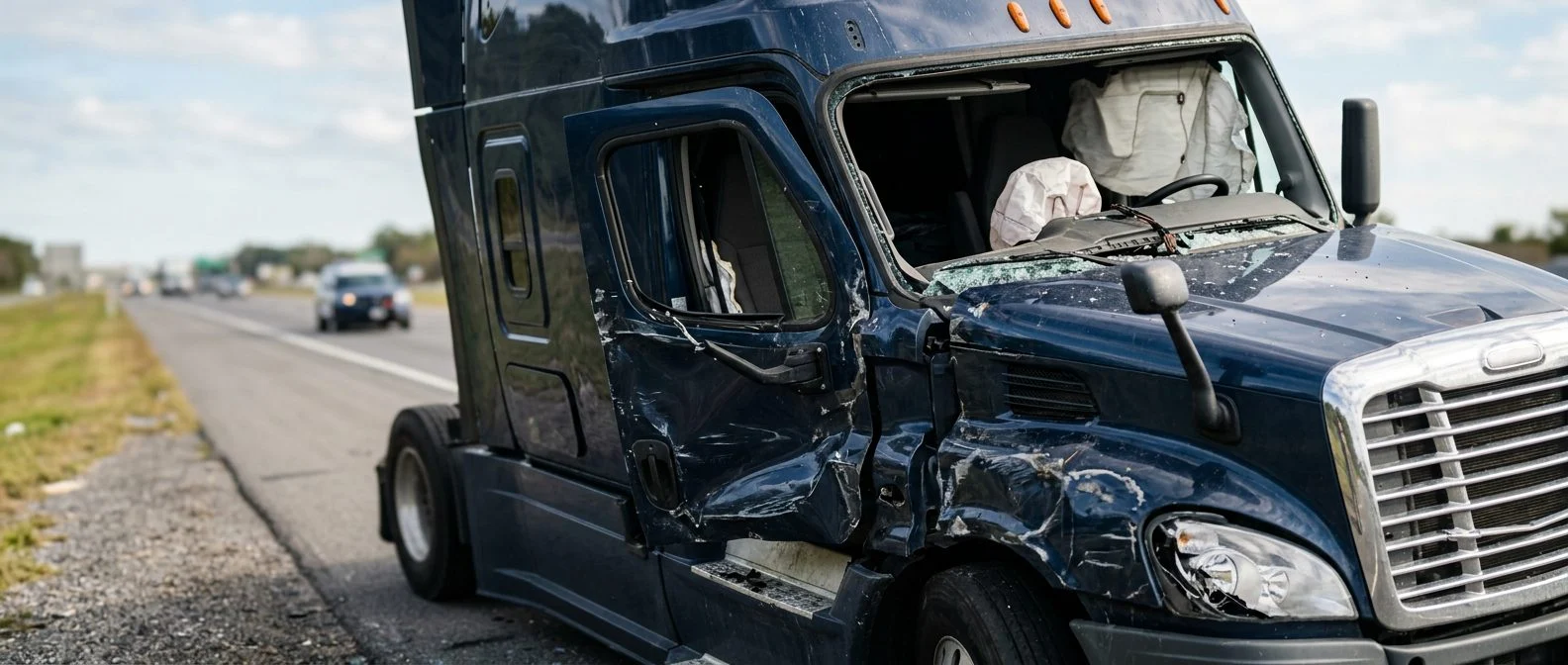
Truck Accidents — West Virginia
How Long Does It Take to Settle a Semi Truck Accident?
Every case moves at its own pace. Here's what shapes the timeline after a serious crash with a commercial truck in West Virginia.
Published 02/10/2026
How Long Does It Take to Settle a Semi Truck Accident?
How long a semi truck accident claim takes to settle generally depends on the severity of your injuries, the clarity of liability, and how the insurance company responds to your claim. There is generally no fixed timeline, since each case moves at its own pace through distinct phases, and the pace depends on the facts of your case.
Not sure what your next step is?
Talk it through with our team — the first case review is free, confidential, and carries no obligation.
The Short Answer: Settlement Timelines Vary Widely
How long a semi truck accident claim takes to resolve generally depends on the facts of each case, and timing can vary widely. Simple cases with clear liability and minor injuries may settle faster. Cases involving catastrophic injuries—spinal cord injury, traumatic brain injury, or multiple serious fractures—may take longer, depending on the facts of each case, because the medical treatment and recovery involved often need to progress further before the full extent of the injuries is understood.
The process isn’t linear. It moves through phases, and each phase has its own timeline. Understanding what happens in each phase can help you know what to expect.
Medical Treatment and Recovery
Settlement generally does not proceed until your medical condition has stabilized or treatment is substantially complete, though this depends on the facts of your case. This is an important phase, and how long it takes depends on the facts of your case.
Semi truck accidents can cause serious injuries. Because of the force and weight of a commercial truck, injuries in these crashes may be severe in some cases. If you’ve suffered a spinal cord injury, you may need months or years of rehabilitation. Multiple fractures, internal injuries, and soft tissue damage may require time to heal, depending on the individual and the facts of each case.
Rushing to settle before your treatment is done is a trap. Once you accept a settlement, you generally cannot go back for more money if your condition worsens or you need additional care later, although exceptions may apply depending on the facts. How long this phase lasts depends on the facts of each case.
Investigation and Evidence Collection
Truck accident investigations are far more complex than typical car accident investigations. Commercial vehicles are subject to federal regulations that don’t apply to passenger cars.
Federal hours-of-service rules generally limit how long commercial drivers may drive and work, though exceptions may apply depending on the facts. Investigators must obtain electronic logging device records, driver logs, maintenance records, and inspection reports from the trucking company. Depending on the facts, these records may show whether the driver or company complied with applicable safety rules, and they can be relevant evidence in a claim.
Evidence gathering also includes police reports, witness statements, medical records, photographs of the scene and vehicle damage, and data from the truck’s onboard computer. Obtaining records from the trucking company and their insurance carrier takes time. Records from a trucking company and its insurer may not be provided right away, so requests are often made formally and, in some cases, may require further legal steps.
How long this investigation phase takes depends on the facts of each case, but it can be an important part of the process. Depending on the facts, evidence gathered during this phase may be relevant to later settlement discussions.
Demand Letter and Insurance Negotiations
Once investigation is substantially complete, your attorney prepares a demand letter. This letter outlines what happened, why the other party is liable, what your injuries are, what medical treatment you’ve received, and what damages you’re claiming.
The insurance company then has time to respond. Some respond quickly; others delay. Insurance companies have financial incentives to minimize what they pay, not to settle fast. They may use delay tactics, hoping you’ll grow frustrated and accept a lower offer.
Back-and-forth negotiation can take weeks or months. Many truck accident cases settle during this phase without ever filing a lawsuit. If the insurance company’s offer is fair and accounts for your injuries and losses, settlement can happen relatively quickly. If the offer is too low or the company refuses to negotiate seriously, the next step is filing a lawsuit.
Do Insurance Companies Want to Settle Quickly?
Not necessarily. Insurance companies want to pay as little as possible. Speed is not their priority. They may delay responding to your demand, offer a low initial figure, or refuse to budge during negotiation.
However, a well-documented case with strong evidence—clear liability, solid medical records, and proof of the defendant’s rule violations—often encourages faster settlement discussions. Insurance adjusters know when a case is strong. They also know that if your case goes to trial, a jury may award more than they’re offering now.
Your representation matters. Insurance companies take claims more seriously when an attorney is involved. They know that an experienced attorney will file a lawsuit if necessary and will be prepared to take the case to trial. This reality often motivates them to negotiate more seriously.
Have questions about what happened?
Ask our team directly. The first conversation is free, confidential, and there is no obligation to continue.
Filing a Lawsuit (If Necessary)
If negotiations stall or the insurance company’s offer is unreasonably low, your attorney may recommend filing a lawsuit in West Virginia state or federal court. Filing a lawsuit does not mean your case will go to trial. Most cases still settle after a lawsuit is filed.
Filing a lawsuit does two things: it stops the statute of limitations clock and it triggers formal discovery. The threat of discovery and trial often motivates insurance companies to settle. Once a lawsuit is filed, both sides must follow court rules and timelines, and the case becomes more expensive and time-consuming for the insurance company.
This decision depends on the strength of your case, the insurance company’s position, and your own goals. Your attorney will advise you on whether filing a lawsuit makes sense in your situation.
Discovery Phase
If a lawsuit is filed, discovery begins. This is the formal exchange of evidence between both sides. Each side can request documents, medical records, photographs, and other evidence. Depositions are taken—recorded testimony from witnesses, medical providers, and you.
Discovery can take several months to over a year in complex cases, especially those involving catastrophic injuries. The other side’s attorneys will want to understand your medical history, your recovery, and the impact of your injuries on your life. You’ll have the opportunity to learn about the defendant’s conduct, communications, and safety record.
Many cases settle once discovery reveals the strength of the evidence. Depending on the facts, discovery may help both sides evaluate the evidence, which can factor into whether a case settles or goes to trial. If weaknesses emerge, your attorney will advise you on your options.
Settlement or Trial
Settlement can occur at any stage—during initial negotiations, after a lawsuit is filed, or during discovery. Once both sides agree on terms, the case resolves and you receive compensation.
If no settlement is reached, the case proceeds to trial. A judge or jury hears evidence and decides who is liable and what damages you’re owed. Trial adds months or years to the timeline. However, trial is rare in truck accident cases. The vast majority settle before trial.
Case Complexity and What Affects Your Timeline
Several factors influence how long your case takes:
Injury severity. Catastrophic injuries require longer treatment and investigation. A serious spinal cord injury or traumatic brain injury means your case will take longer because your medical condition must stabilize before settlement.
Liability clarity. If fault is obvious—the truck driver ran a red light and hit you—settlement discussions may move faster. If liability is disputed or multiple parties are involved, the process takes longer.
Evidence strength. Clear negligence and strong documentation speed settlement. If the evidence shows the trucking company or driver violated safety rules, the insurance company knows the case is strong.
Insurance company cooperation. Some settle promptly; others use delay tactics. This is beyond your control, but having an attorney helps.
Jurisdiction and court schedules. West Virginia court availability affects lawsuit timelines if your case reaches that stage.
What Is a Reasonable Settlement Offer?
A reasonable offer accounts for your medical expenses, lost wages, pain and suffering, and long-term care needs. For catastrophic injuries—spinal cord damage, traumatic brain injury—compensation must reflect the lifetime impact: ongoing medical care, assistive devices, home modifications, lost earning capacity, and reduced quality of life.
Do not accept the first offer. Initial offers are almost always below fair value. An attorney can evaluate whether an offer reflects the true value of your claim and advise you on whether to negotiate further or proceed to trial.
Want to know where you stand?
Tell us what happened and our team will walk you through the options available to you, at no cost.
Why the Timeline Matters
You need time to recover and understand the full extent of your injuries. Rushing settlement can leave you without adequate compensation for future medical care and lost income. Patience and thorough investigation often result in better outcomes.
Your focus should be on healing and building a strong case, not on speed alone. The goal is fair compensation, not fast compensation.
Frequently Asked Questions
How much are most truck accident settlements?
Settlement amounts vary widely based on injury severity, medical expenses, lost wages, and liability strength. We don’t cite dollar figures because every case is different, and what matters is what’s fair for your specific injuries and losses.
Do insurance companies want to settle quickly?
No. Insurance companies prioritize minimizing payouts, not settling fast. They may delay to pressure you into accepting lower offers, but strong evidence and legal representation often motivate faster, fairer negotiations.
What is a reasonable settlement offer?
A reasonable offer accounts for all your medical expenses, lost income, pain and suffering, and long-term care needs—especially for catastrophic injuries that affect your lifetime earning capacity and quality of life.
Can I settle before filing a lawsuit?
Yes. Most truck accident cases settle during the demand and negotiation phase, before a lawsuit is filed. If the insurance company’s offer is fair, you can resolve your case without going to court.
Next Steps: Understanding Your Specific Situation
Every semi truck accident is different. Your timeline depends on your injuries, the evidence, the parties involved, and how the insurance company responds. If you’re still in medical treatment or early investigation, settlement may be months away. If negotiations have stalled or an offer seems low, legal guidance can help you understand your options and next steps.
If you were injured in a semi truck accident in West Virginia, it helps to know what to expect. If you’re in the middle of recovery and wondering what happens next, contact Big Bubba to request a case review. We can help you understand your situation and what realistic timeline looks like for your claim.
What Can Affect How Long Your Case Takes
The Severity of Your Injuries
Serious injuries like brain or spinal cord trauma often need time to understand their full, long-term effect before a claim can be fairly evaluated.
How Clear Liability Is
When fault is disputed—or several parties are involved, such as a driver and a trucking company—it can take longer to sort out responsibility.
The Insurance Company's Response
How quickly the insurer reviews documents, answers questions, and engages with your claim has a direct effect on the overall timeline.
The Volume of Evidence
Commercial truck cases can involve driver logs, maintenance records, and data from the truck itself—all of which take time to gather and review.
Don't rush to settle too soon
Accepting an early offer before you know the full extent of your injuries can leave you covering costs on your own later. Talk through your situation before you sign anything.
Serving Injury Victims Across West Virginia
Rooted in West Virginia
We represent people hurt in car and commercial truck crashes throughout the state.
Plain-Language Guidance
We explain where your case stands in words that make sense, without the runaround.
Focused on Serious Injury
Our work focuses on car and truck crashes, catastrophic injuries, and wrongful death cases.
We Listen First
Tell us what happened, and we'll help you understand your next steps.