
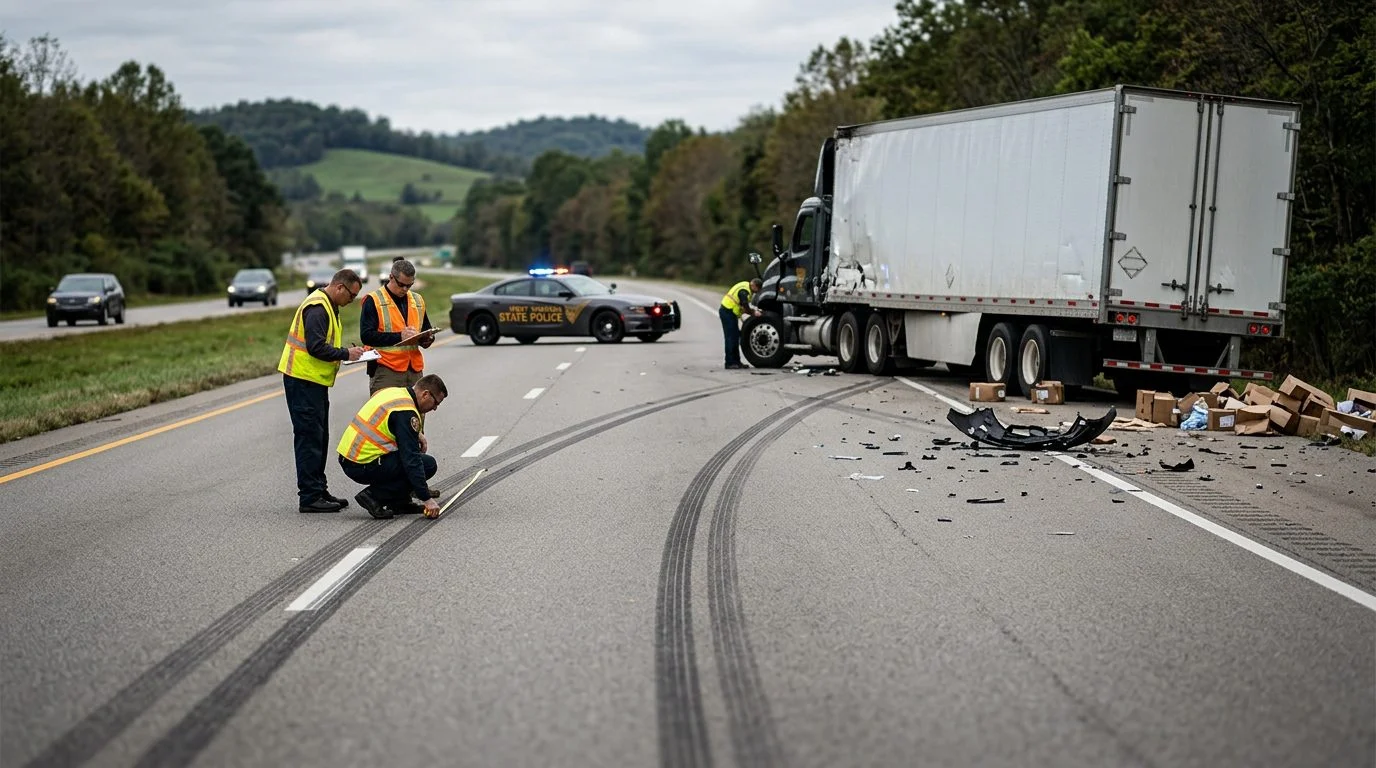
Commercial Vehicle Accidents
Commercial Vehicle Accidents: Serving Parkersburg, WV Injury Victims
When a truck or commercial vehicle crash leaves you injured, Big Bubba fights to hold the responsible parties accountable. We serve Parkersburg injury victims across West Virginia.
Published October 04, 2026
Commercial Vehicle Accidents in Parkersburg: What You Need to Know
When a commercial vehicle hits your car, the crash is rarely a simple two-car accident. Commercial trucks, delivery vans, and tractor-trailers weigh tens of thousands of pounds. The damage and injuries they cause are often catastrophic—and the legal responsibility may rest not just with the driver, but with the company that owns or operates the vehicle.
Serving Parkersburg injury victims, we help people hurt in commercial vehicle accidents. Here’s what you need to know if you’ve been hit by a commercial vehicle.
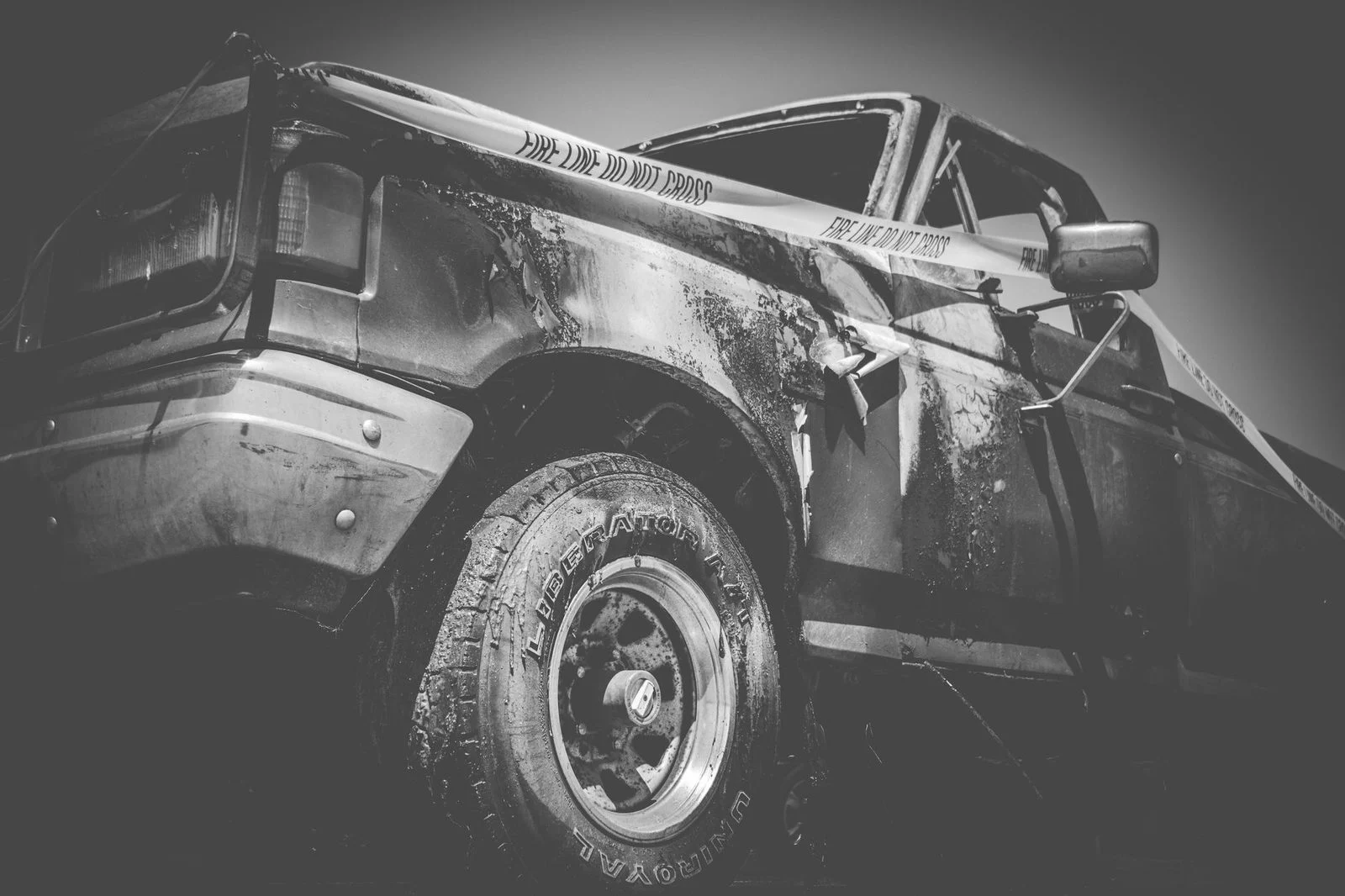
If you cannot work because of your injuries, you may recover the wages you lost. Talk it through with our team — the first case review is free, confidential, and carries no obligation.
Commercial Vehicle Accidents in Parkersburg
Parkersburg sits at a crossroads of regional commerce and transportation. U.S. Route 50 and other major corridors carry delivery trucks, semi trucks, tractor-trailers, and commercial vans through Wood County daily. These vehicles are essential to the regional economy—but when they crash, the consequences are severe.
Commercial vehicle accidents differ fundamentally from typical car crashes. A fully loaded semi truck can weigh 80,000 pounds or more. A passenger car weighs around 4,000 pounds. That 20-to-1 weight disparity means the occupants of the smaller vehicle absorb the force of the collision. The result is often catastrophic injury or death.
We serve Parkersburg injury victims who have been hit by commercial vehicles and are facing serious injuries, mounting medical bills, and uncertainty about who is responsible and what recovery looks like.
What Happens When a Commercial Vehicle Hits Your Car
The immediate aftermath of a commercial vehicle crash is chaotic. Emergency responders arrive. You or your family members may be transported to the hospital. The scene is documented by police. But what happens next—legally and financially—is where things get complex.
Size and damage disparity. A commercial vehicle’s mass and momentum create injuries that a car-to-car accident rarely does. Spinal cord injuries, traumatic brain injuries, multiple fractures, and internal injuries are common. Recovery is long, expensive, and often incomplete.
Multiple liable parties. Unlike a car accident, a commercial vehicle crash may involve the driver, the driver’s employer, the vehicle owner (which may be different from the employer), and even a maintenance contractor or loading company. Each may share responsibility. Each may carry insurance. Understanding who is liable—and to what extent—requires investigation and legal knowledge.
Insurance complexity. Commercial vehicle insurers are sophisticated. They protect the company’s interests, not yours. Early settlement offers often undervalue serious injuries. Recorded statements you give to an adjuster can be used against you later. Having your own legal representation early protects your rights and ensures you’re not pressured into a bad deal.
Why Commercial Vehicle Accidents Are Different
Commercial vehicle crashes are governed by federal and state regulations that don’t apply to ordinary cars.
Federal hours-of-service rules. Federal regulations limit commercial drivers to a maximum of 11 hours of driving within a 14-hour window, and also set multi-day on-duty limits, such as no driving after 60 hours on duty in any 7 consecutive days. Driver fatigue is a major cause of commercial vehicle crashes. When a driver violates these rules, it’s evidence of negligence—and the employer may be liable for allowing or encouraging the violation.
Maintenance and inspection standards. Commercial vehicles must be inspected and maintained according to federal standards. Maintenance records, inspection reports, and repair logs are evidence. A mechanical failure caused by negligent maintenance is the employer’s responsibility, not just the driver’s.
Driver qualification and training. Employers must hire qualified drivers and ensure they are trained. A crash caused by an unqualified or inadequately trained driver can expose the employer to liability.
Company liability. Under West Virginia law, an employer can be liable for the negligence of its employees acting within the scope of their employment. If a commercial driver causes a crash while making a delivery or transporting cargo, the employer is often liable—even if the driver was careless or violated company policy.
Common Causes of Commercial Vehicle Crashes in Parkersburg
Commercial vehicle crashes in the Parkersburg area result from many causes. Understanding them helps establish who is responsible.
- Driver fatigue and hours-of-service violations. A driver working beyond legal limits is more likely to make mistakes, fail to react, or fall asleep at the wheel.
- Inadequate vehicle maintenance. Brake failure, tire blowouts, steering problems, and other mechanical failures cause crashes. Poor maintenance is the employer’s responsibility.
- Improper loading or cargo shift. Cargo that isn’t secured properly can shift, causing the vehicle to tip or become unstable.
- Speeding or unsafe operation. Commercial vehicles require longer stopping distances. Speeding or operating unsafely for road conditions causes loss of control.
- Distracted or impaired driving. Cell phone use, fatigue, alcohol, or drugs impair judgment and reaction time.
- Failure to yield or traffic violations. Running red lights, failing to yield at intersections, or other traffic violations cause crashes with passenger vehicles.
If your injuries prevent you from earning at your previous level in the future, you may recover the difference. Talk it through with our team — the first case review is free, confidential, and carries no obligation.
Injuries from Commercial Vehicle Accidents
The injuries caused by commercial vehicle crashes are often severe and permanent.
Traumatic brain injury (TBI). A blow to the head can cause bleeding, swelling, or damage to brain tissue. Symptoms range from mild concussion to permanent cognitive impairment, personality changes, and loss of function.
Spinal cord injury (SCI). Damage to the spinal cord can result in partial or complete paralysis, loss of sensation, and permanent disability. Recovery is often incomplete, and lifelong care is necessary.
Multiple fractures and internal injuries. The force of a commercial vehicle crash can break bones throughout the body and damage internal organs. Surgery, blood transfusions, and intensive care are common.
Wrongful death. In the most severe crashes, occupants of the smaller vehicle are killed. Families face the loss of a loved one, loss of income, and the trauma of the accident itself.
Early medical documentation is critical. Injuries that seem minor at first may worsen. Medical records create a foundation for your claim and establish the connection between the crash and your injuries.
Damages You May Be Entitled to Recover
In a commercial vehicle accident, you may recover damages for losses caused by the crash.
Medical expenses. Emergency care, surgery, hospitalization, rehabilitation, and ongoing treatment can cost hundreds of thousands of dollars. You may recover these expenses.
Lost wages and loss of earning capacity. If you cannot work because of your injuries, you may recover the wages you lost. If your injuries prevent you from earning at your previous level in the future, you may recover the difference.
Pain and suffering. You may recover compensation for physical pain, emotional distress, and reduced quality of life caused by your injuries.
Permanent disability or disfigurement. If your injuries leave you permanently disabled or disfigured, you may recover additional damages.
Wrongful death damages. Under W. Va. Code § 55-7-6, certain surviving family members and dependents may recover damages for sorrow, mental anguish, and solace, including companionship; reasonably expected loss of income and services; and reasonable funeral expenses.
Commercial vehicle crashes can cause severe injuries, and the damages available depend on the facts of each case.
Can You Trust the Insurance Company?
No. Commercial insurers represent the company, not you. Their goal is to minimize what they pay out.
Early settlement offers often undervalue injuries. An adjuster may contact you days after the crash and offer a quick settlement. The offer sounds reasonable—until you understand the full scope of your injuries and the lifetime costs of care. By then, you may have already signed away your rights.
Recorded statements can be used against you. When you talk to an insurance adjuster, they record what you say. Statements made while you’re in pain, confused, or in shock can be misinterpreted or used to argue you were partly at fault.
Why representation matters. An attorney can deal with the insurance company for you and press for a fair offer. If they don’t, you have someone prepared to take the case to trial.
Filing a Claim After a Commercial Vehicle Accident in Parkersburg
Immediate steps matter. Call 911 if anyone is injured. Seek medical attention. Take photos of the crash scene, vehicle damage, and the commercial vehicle’s license plate and company markings. Get the names and contact information of witnesses. Request a copy of the police report.
Preserve evidence. Commercial vehicle records—maintenance logs, driver qualification files, electronic logging device data, and hours-of-service records—are critical evidence. These records may be destroyed if not preserved quickly. An attorney can send a preservation letter putting the company on notice to keep them.
Know the deadline. In West Virginia, a personal-injury lawsuit must generally be filed within two years after the right to bring the action accrued. For wrongful death, the action generally must be brought within two years after the decedent’s death, subject to other provisions of law that may apply. Missing this deadline may mean losing your right to sue, though exceptions may apply.
Understand comparative fault. West Virginia follows a modified comparative fault rule: an injured person can recover damages even if they are up to 50% at fault, but are barred from recovery only if their fault is greater than the combined fault of all other parties. This means even if you share some responsibility for the crash, you may still recover—as long as you’re not more at fault than everyone else combined.
Early legal guidance protects your rights. An attorney can investigate the crash, review commercial vehicle records, identify all liable parties, and ensure evidence is preserved. Early guidance also prevents you from making statements or signing documents that could hurt your case later.
If your injuries leave you permanently disabled or disfigured, you may recover additional damages. Talk it through with our team — the first case review is free, confidential, and carries no obligation.
How Big Bubba Injury Law Can Help
When we take on a commercial vehicle accident case, we investigate thoroughly. We obtain maintenance records, driver logs, and electronic data. We review the driver’s qualifications and training history. We identify all liable parties—the driver, the employer, the vehicle owner, and others.
We coordinate with medical providers and experts to document your injuries and establish the cost of lifetime care. We negotiate with insurers and employers. When a fair settlement isn’t offered, we’re prepared to take your case to trial.
If you’ve been hit by a commercial vehicle in Parkersburg and are facing serious injuries or the loss of a loved one, we’re here to help you understand your options and move forward.
Frequently Asked Questions
What should I do immediately after a commercial vehicle crash?
Call 911, seek medical attention, document the scene with photos, get witness information, and request a copy of the police report. Do not give a recorded statement to the other driver’s insurance company without speaking to an attorney first.
Can I recover if I was partly at fault in the crash?
Yes. Under West Virginia’s modified comparative fault rule, you can recover damages even if you’re up to 50% at fault, as long as you’re not more at fault than all other parties combined (W. Va. Code § 55-7-13c).
How long do I have to file a lawsuit?
You generally have two years after a personal-injury claim accrues to file a lawsuit (W. Va. Code § 55-2-12), and generally two years from the date of death to file a wrongful-death claim (W. Va. Code § 55-7-6), though exceptions may apply. Missing this deadline may mean losing your right to sue, though exceptions may apply.
Who can be held responsible for a commercial vehicle crash?
The driver, the driver’s employer, the vehicle owner, and maintenance contractors may all share responsibility. An investigation determines who is liable.
What damages can I recover?
You may recover medical expenses, lost wages, loss of earning capacity, pain and suffering, permanent disability, and—in wrongful-death cases—damages for loss of companionship and support.
Related practice areas
- Commercial Vehicle Accidents in West Virginia: Your Rights & Next Steps
- Commercial Vehicle Accidents in Beckley
- Commercial Vehicle Accidents in Martinsburg, WV