
Catastrophic Spinal Cord Injury
Car Accident Spinal Cord Injury in West Virginia
A spinal cord injury from a car crash can change your life in an instant. Big Bubba Injury Law helps West Virginia families navigate the legal path forward.
Published October 05, 2026
Catastrophic Spinal Cord Injury from a Car Crash: West Virginia Claims
A catastrophic spinal cord injury from a car accident causes permanent loss of function, mobility, or sensation below the injury site and often requires lifelong medical care, home modifications, and ongoing support. If you or a family member has suffered this injury in West Virginia, you may have a claim for substantial damages—and you need legal representation that understands the full scope of what these injuries mean.

Not sure what your next step is?
Talk it through with our team — the first case review is free, confidential, and carries no obligation.
What Is a Catastrophic Spinal Cord Injury?
A catastrophic spinal cord injury is damage to the nerve tissue in the spine that results in permanent loss of motor function, sensation, or both below the level of injury. The spinal cord has three layers of protective tissue, and cerebrospinal fluid (CSF) surrounds it to act as a cushion against shock or injury. When a car crash delivers enough force, that protection fails.
Spinal cord injuries fall into two main categories:
- Complete injury: All nerve signals are blocked below the injury site, resulting in total loss of motor function and sensation.
- Incomplete injury: Some nerve signals pass through the damaged area, meaning partial function or sensation may remain or recover over time.
The location of the injury determines which parts of your body are affected. Cervical spinal nerves (C1 to C7) in the neck control signals to the shoulders, arms, hands, and the diaphragm—the muscle that controls breathing. Thoracic nerves (T1 to T12) control the chest and upper back. Lumbar nerves (L1 to L5) control the lower abdomen, lower back, and legs. Sacral nerves (S1 to S5) control the thighs, lower legs, and feet.
The immediate consequences include paralysis, loss of sensation, chronic pain, and loss of bodily control. The long-term consequences reshape every aspect of life: employment, independence, relationships, and quality of life.
How Car Crashes Cause Catastrophic Spinal Cord Injuries
High-impact collisions deliver forces that the human spine cannot withstand. A head-on crash, a rear-end collision at highway speed, or a rollover can compress, stretch, or tear the spinal cord itself.
Common mechanisms include:
- Compression: The vertebrae (bones of the spine) collapse inward or shift forward, crushing the spinal cord.
- Stretching: The sudden deceleration or acceleration of the head and body pulls the spinal cord beyond its limits.
- Penetrating injury: Bone fragments or debris from the vehicle pierce the spinal cord directly.
Injuries to the spinal cord between the C1-C4 segments can stop breathing entirely, as the nerves in this region control the diaphragm. Even lower injuries may require mechanical ventilation or ongoing respiratory support.
Seat belts and airbags reduce injury severity, but they cannot prevent catastrophic damage in the highest-impact crashes. Some spinal cord injuries are not immediately apparent; symptoms may emerge hours or days after the crash as swelling develops and nerve function deteriorates.
What Damages Can You Recover in a West Virginia Spinal Cord Injury Claim?
Catastrophic spinal cord injuries involve substantial, lifelong damages. West Virginia law allows recovery for:
Medical expenses: Emergency care, surgery, hospitalization, intensive rehabilitation, physical therapy, occupational therapy, and ongoing treatment for complications.
Future medical care: Long-term nursing, equipment and assistive devices (wheelchairs, ventilators, monitoring systems), home modifications for accessibility, and projected lifetime care costs.
Lost wages and earning capacity: Your lost income from the date of injury forward, plus the loss of earning potential over your working lifetime if you cannot return to work.
Pain and suffering: Compensation for physical pain, emotional distress, anxiety, depression, and the psychological impact of permanent disability.
Loss of enjoyment of life: Damages for the loss of activities, hobbies, and relationships you can no longer pursue or maintain.
Loss of consortium: West Virginia law allows a spouse to sue and recover for loss of consortium, which covers the loss of companionship, intimacy, and family relationships.
Home and vehicle modifications: The cost of making your home accessible (ramps, widened doorways, accessible bathrooms) and adapting vehicles for mobility.
Because these injuries are permanent and require lifelong care, the total value of a catastrophic spinal cord injury claim is typically substantial. Insurance companies know this—and they often fight hard to minimize what they pay.
Have questions about what happened?
Ask our team directly. The first conversation is free, confidential, and there is no obligation to continue.
What Is the Hardest Part of Proving a Spinal Cord Injury Claim?
Proving a catastrophic spinal cord injury claim requires more than medical records. Insurance companies will challenge every element.
Causation: Under West Virginia comparative fault law, the car crash must be a proximate cause of the spinal cord injury. This requires detailed medical evidence and expert testimony.
Medical documentation: Every treatment, imaging study, and medical opinion must be gathered and organized to show the severity of the injury and its permanence.
Distinguishing pre-existing conditions: If you had any prior spine problems, the insurance company will argue that the crash made little or no difference. You need medical experts to separate what was there before from what the crash caused.
Quantifying future care: Projecting lifetime medical needs, equipment costs, and care hours requires actuarial and medical experience. Insurance adjusters will dispute these projections aggressively.
Demonstrating functional loss: You must show not just that you are injured, but how that injury affects your ability to work, care for yourself, and live independently.
These challenges are why catastrophic injury cases require experienced legal representation. Insurance companies have teams of adjusters and lawyers. You need an advocate with equal resources and experience.
How Big Bubba Handles Catastrophic Spinal Cord Injury Claims
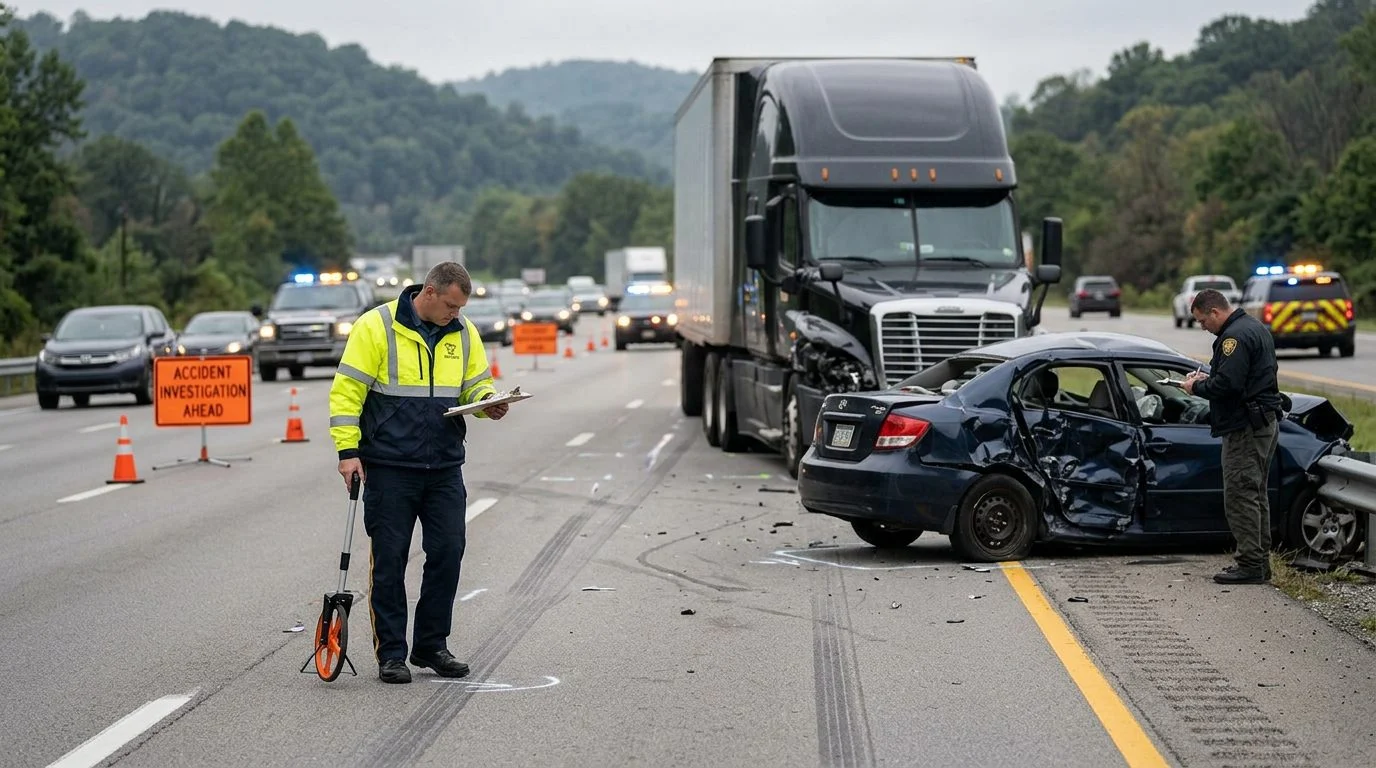
We investigate the crash thoroughly. We obtain police reports, vehicle damage photos, scene evidence, and witness statements to establish how the collision occurred and why it was severe enough to cause catastrophic injury.
We work with medical experts—neurologists, spine surgeons, physiatrists, and rehabilitation specialists—to establish the injury’s severity, permanence, and causation. We obtain and review all medical records, imaging, and treatment notes.
We document all current medical treatment and work with your medical team to project future care needs, equipment costs, and long-term care expenses. We calculate lifetime damages, including lost earning potential based on your age, education, and pre-injury career.
We present a detailed demand to the insurance company that accounts for every element of your damages. We negotiate aggressively. If the insurance company refuses a fair settlement, we prepare your case for trial and are ready to fight for you in court.
Throughout the process, we handle all legal work so you can focus on recovery and your family.
What to Expect: The Process and Timeline
Initial free case review: We listen to what happened, review your medical records, and evaluate whether you have a viable claim. This conversation is free and confidential.
Investigation phase: We gather police reports, medical records, crash scene evidence, and expert opinions. This typically takes weeks to several months, depending on the complexity of the case and the availability of medical experts.
Demand and negotiation: We prepare a detailed demand letter outlining your injuries, damages, and the legal basis for recovery. We present this to the insurance company and negotiate a settlement. This phase typically takes weeks to several months.
Settlement or litigation: If the insurance company offers a fair settlement, we discuss it with you and help you decide. If no settlement is reached, we file a lawsuit and prepare for trial. Litigation can take months to years, depending on court schedules and case complexity.
Catastrophic injury cases take longer than routine accident claims because they involve more medical evidence, more expert testimony, and larger stakes. We keep you informed at every step and explain what is happening and why.
Want to know where you stand?
Tell us what happened and our team will walk you through the options available to you, at no cost.
Common Questions About Spinal Cord Injury Claims
Q: What if I was partially at fault for the crash?
A: West Virginia’s modified comparative fault rule allows you to recover even if you were partially responsible, though your award is reduced by your percentage of fault. You are barred from recovery only if your fault is greater than 50%.
Q: How long do I have to file a claim?
A: Under West Virginia’s statute of limitations for personal injury claims, an action generally must be brought within two years after the right to bring it has accrued, and exceptions may apply. Acting quickly preserves evidence, medical records, and witness memories.
Q: Will my case go to trial?
A: Most personal injury cases settle, but we prepare every case as if it will go to trial. If the insurance company refuses a fair offer, we are ready to fight for you in court.
Q: What if the at-fault driver was uninsured or underinsured?
A: Your own uninsured or underinsured motorist coverage may apply. We investigate all available sources of recovery, including the at-fault driver’s assets, other insurance policies, and your own coverage.
Q: How much will this cost me?
A: We work on a contingency fee basis—we collect a fee only if we recover money for you. You are responsible for court costs and case expenses, which we advance and recover from any settlement or judgment.

Why Catastrophic Spinal Cord Injury Claims Require Experienced Representation
Catastrophic spinal cord injuries demand detailed medical and economic analysis to value correctly. Lifetime care projections require expert input and careful documentation. Large claims invite aggressive defense tactics from insurance companies and their lawyers.
We handle catastrophic injury cases across West Virginia. We understand the full scope of what these injuries mean for you and your family. We know how to investigate, how to work with medical experts, how to quantify damages, and how to negotiate or litigate effectively.
You don’t have to face this alone. If a car crash left you with a spinal cord injury, reach out to Big Bubba for a free case review and let us evaluate your claim.