
Spinal Cord Injury | Huntington
Spinal Cord Injury in Huntington: Legal Help After a Crash
A spinal cord injury from a motor vehicle crash can change your life in an instant. Big Bubba Injury Law serves Huntington families as they navigate recovery, medical care, and the legal path forward.
Published October 04, 2026
Spinal Cord Injury in Huntington: What You Need to Know
A spinal cord injury disrupts the flow of messages between your brain and the rest of your body, potentially causing permanent changes in strength, sensation, and movement below the level of injury. When a motor vehicle crash causes this kind of damage, the consequences ripple through every part of your life—medical care, daily function, work, finances, and family relationships all shift overnight.
If you or someone you love suffered a spinal cord injury in a Huntington-area crash, you’re likely facing urgent questions about recovery, costs, and what comes next. This page walks you through what happens after such an injury and explains your legal options under West Virginia law.

Not sure what your next step is?
Talk it through with our team — the first case review is free, confidential, and carries no obligation.
Spinal Cord Injury From a Crash in Huntington
A spinal cord injury occurs when trauma damages the bundle of nerves in your spinal column. According to the National Institute of Neurological Disorders and Stroke, this damage can result in partial or complete loss of motor function and sensation below the injury site. Motor vehicle crashes—whether involving passenger cars, commercial trucks, or other vehicles—are a leading cause of spinal cord injury nationwide.
In Huntington and the surrounding region, traffic on US Route 60 and Interstate 64 creates busy corridors where high-speed collisions occur. A crash severe enough to cause spinal cord injury typically involves significant impact force, rollover, or a collision that compresses or severs nerve tissue. The injury may be complete (total loss of function below the injury level) or incomplete (partial preservation of sensation or movement).
The immediate impact is medical. But the long-term reality is broader: mobility challenges, chronic pain, loss of independence in daily activities, inability to work in your previous role, and costs that extend far into the future. Many people also experience emotional and psychological effects as they adapt to life after such a profound change.
What Happens Right After a Spinal Cord Injury Accident
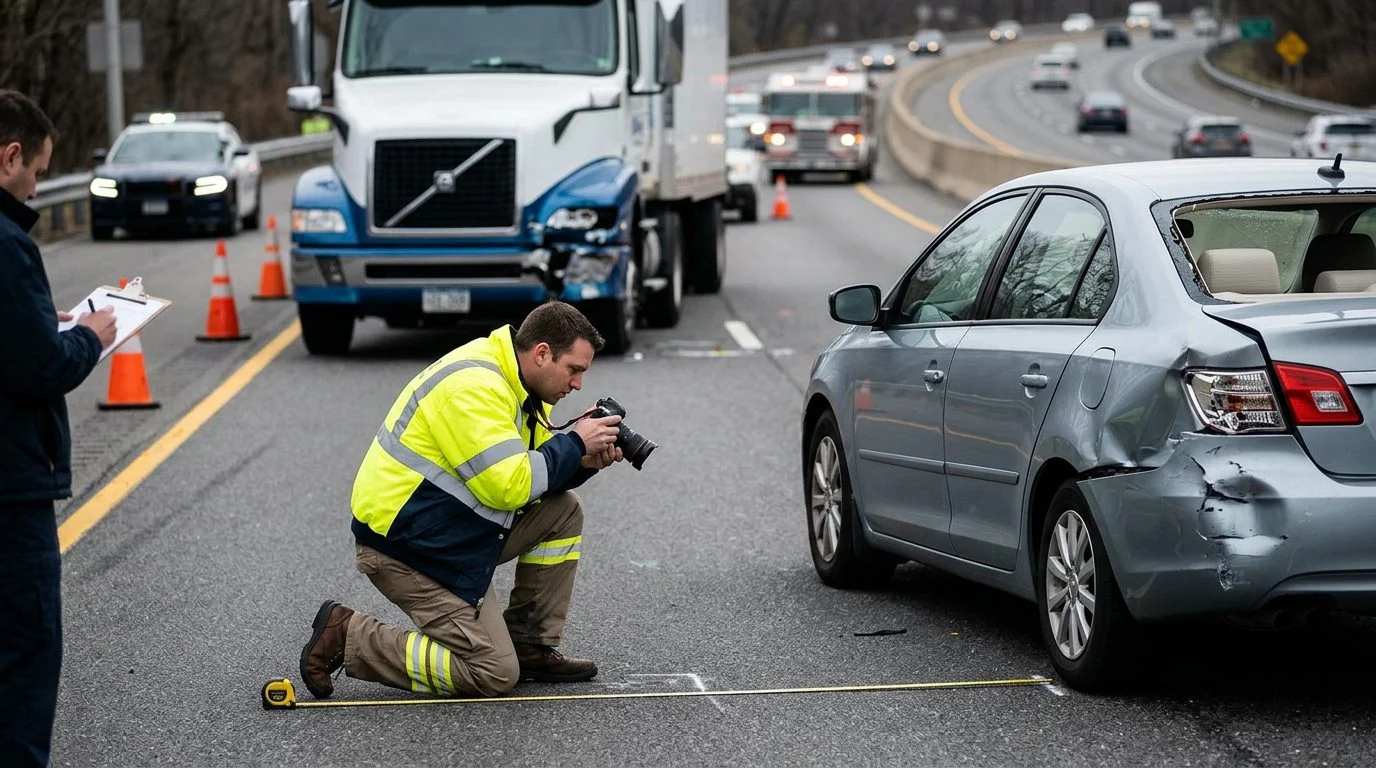
The first hours after a crash are critical. Emergency responders will stabilize your spine to prevent further damage, and you’ll be transported to a trauma center for imaging and urgent care. A police report will be filed documenting the crash scene, vehicle positions, road conditions, and initial observations about fault.
At the scene, if you’re able: – Request emergency medical care immediately—do not move your spine. – Exchange driver information with all other parties involved. – Ask witnesses for their names and contact information. – Take photos of vehicle damage, road conditions, and the accident scene if safely possible. – Request a copy of the police report number.
In the days following: – Keep all medical records, test results, and imaging reports. – Document all medical appointments and treatments. – Preserve photos of injuries and vehicle damage. – Write down details of the crash while they’re fresh. – Do not communicate with the at-fault driver’s insurance company without legal guidance.
Early documentation is essential. Insurance companies and courts rely on police reports, medical records, witness statements, and scene evidence to determine who was at fault and what damages you’re entitled to recover.
Medical Treatment and Recovery for Spinal Cord Injuries
Immediate treatment focuses on stabilization and preventing further injury. Depending on the severity and location of your injury, you may undergo surgery, spend time in intensive care, and then transition to acute rehabilitation.
The National Spinal Cord Injury Statistical Center tracks long-term outcomes and costs. Rehabilitation typically involves physical therapy, occupational therapy, and psychological support to help you regain function and adapt to your new circumstances. Recovery is ongoing—it doesn’t end when you leave the hospital.
Many people with spinal cord injuries require: – Ongoing medical appointments and specialist care – Physical and occupational therapy – Pain management and medications – Assistive devices (wheelchairs, braces, mobility aids) – Home modifications (ramps, accessible bathrooms, specialized equipment) – Personal care attendants or nursing support
Each of these elements carries costs. Your medical team will help guide your recovery, but your legal team needs to understand these needs to ensure your claim accounts for them.
Have questions about what happened?
Ask our team directly. The first conversation is free, confidential, and there is no obligation to continue.
The Financial Reality of Living With a Spinal Cord Injury
The costs of spinal cord injury care are substantial and long-lasting. Emergency transport, acute hospitalization, surgery, imaging, and specialist consultations can easily exceed $100,000 in the first year alone. Rehabilitation, ongoing therapy, and adaptive equipment add thousands more.
Beyond medical bills, you’ll face: – Home modifications: wheelchair ramps, accessible showers, specialized flooring, and door widening can cost tens of thousands of dollars. – Assistive equipment: wheelchairs, standing frames, pressure-relief mattresses, and communication devices represent significant ongoing expense. – Lost wages: if your injury prevents you from working, you lose income not just now but potentially for decades. – Reduced earning capacity: even if you return to work, your ability to earn at your previous level may be permanently reduced. – Caregiver costs: if you need help with personal care, transportation, or household tasks, those services must be paid for—either out of pocket or through your claim.
A legal claim can help recover these costs. Insurance coverage from the at-fault driver, your own underinsured motorist coverage, and a personal injury lawsuit are tools to hold the responsible party accountable and help address your medical and financial needs.
Who Is Responsible for Your Spinal Cord Injury?
Liability in a motor vehicle crash is established through negligence. Under West Virginia law, a person is negligent if they breach a duty of care and that breach causes injury and damages. Common breaches in car and truck accidents include: – Speeding or driving too fast for conditions – Distracted driving (texting, phone use, eating) – Reckless or aggressive driving – Failure to obey traffic signals or signs – Impaired driving (alcohol or drugs) – Failure to maintain the vehicle or inspect brakes and tires – Drowsy or fatigued driving
In commercial truck accidents, liability may extend beyond the driver to the trucking company, if the company failed to maintain the vehicle, properly train the driver, or enforce safe driving practices.
West Virginia Code § 55-7-13c establishes a modified comparative fault rule: you can recover damages even if you are partially at fault, as long as your fault is not greater than the combined fault of all other parties. This means even if you bear some responsibility for the crash, you may still have a valid claim.
Your Legal Options After a Spinal Cord Injury Crash
You have two main paths to recover damages: an insurance claim and a personal injury lawsuit.
West Virginia requires auto liability policies to include uninsured motorist coverage under W. Va. Code § 33-6-31, and your policy may also include underinsured motorist coverage, which protects you if the at-fault driver lacks sufficient coverage. The at-fault driver’s liability insurance is also a source of recovery. Insurance companies, however, are motivated to minimize payouts. They may dispute fault, undervalue your injuries, or pressure you to settle quickly for less than your claim is worth.
Personal Injury Lawsuits
If insurance doesn’t cover your full damages, you can file a lawsuit against the at-fault driver and potentially other responsible parties. A lawsuit allows you to pursue damages for medical expenses, lost wages, pain and suffering, loss of enjoyment of life, and other harms. Under West Virginia Code § 55-2-12, a personal injury lawsuit generally must be brought within two years after the right to bring it accrues, and exceptions may apply. Missing this deadline may bar your claim, depending on the facts.
When injuries are catastrophic, a lawsuit may become necessary if insurance limits are not enough to cover the injured person’s lifetime needs. A lawyer can help you understand which path—or combination of paths—makes sense for your situation.
Want to know where you stand?
Tell us what happened and our team will walk you through the options available to you, at no cost.
Why Huntington Injury Victims Choose Legal Representation
Insurance companies have teams of adjusters, lawyers, and investigators working to reduce what they pay. You’re facing that machinery alone if you don’t have legal representation. An attorney levels the playing field.
A lawyer who understands spinal cord injury cases can: – Gather and preserve evidence from the crash scene and medical records. – Hire medical and economic experts to document your injuries and lifetime costs. – Negotiate with insurance companies from a position of strength. – File a lawsuit if necessary and manage the litigation process. – Protect your rights while you focus on recovery and rehabilitation.

What to Expect When You Reach Out
When you contact Big Bubba Injury Law, you’ll have a free case review. There’s no obligation, no cost, and no pressure. We listen to what happened, ask questions to understand your injury and circumstances, and explain what legal options may be available to you.
During that conversation, we’ll discuss: – How the crash happened and who may be at fault. – The nature and severity of your spinal cord injury. – Your medical treatment and ongoing care needs. – Your lost wages and other financial impacts. – What a claim or lawsuit might involve. – Next steps if you decide to move forward.
We serve injury victims throughout West Virginia, including Huntington and the surrounding region. We handle spinal cord injury, traumatic brain injury, and other catastrophic injury cases caused by car accidents, truck accidents, and commercial vehicle crashes.
If a crash left you or a family member with a spinal cord injury, you may have a claim against the at-fault driver or company—and you can reach out to discuss your case.
Related practice areas
- Spinal Cord Injury from a Crash in West Virginia