
Spinal Cord Injury | West Virginia
Spinal Cord Injury After a Crash? Learn Which Types May Qualify
Start with the questions that matter most, then reach out to the firm to talk through what happened.
Published November 26, 2026
A spinal cord injury can change daily life in a single moment. If a crash caused yours, or a loved one’s, you may be asking which kinds of injuries can support a claim. Here is a plain-language answer, with the medical terms explained.
What types of spinal cord injuries qualify for personal injury claims in West Virginia?
A spinal cord injury can support a personal injury claim in West Virginia when another person’s negligence caused it. The type of injury matters less than how it happened and what the records show.
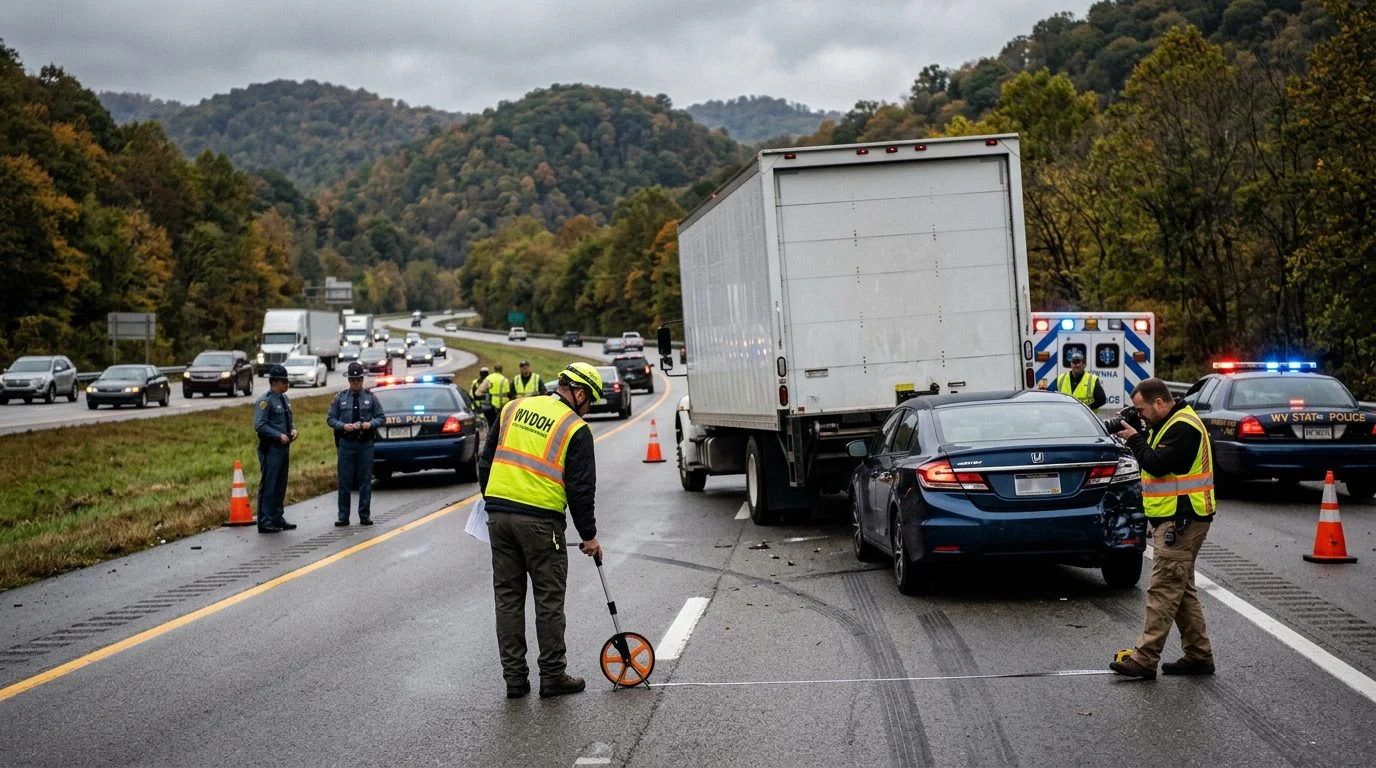
Crashes are one recognized cause. The MedlinePlus spinal cord injury article lists motor vehicle accidents among the causes. The firm handles car accident, truck accident, commercial vehicle accident, and catastrophic injury matters across West Virginia, including spinal cord injuries.
Because the question turns on fault and causation, the same injury can be handled differently depending on the facts. Think of the injury type as one piece. The other pieces are how the crash happened, who was operating each vehicle, and whether the records line up with what happened that day. Those pieces work together, so a list of injury types cannot settle the question alone.
If you are dealing with a spinal cord injury after a crash, we can talk through what happened and what the records show, at your own pace. Talk it through with Big Bubba — the first case review is free, confidential, and carries no obligation.
What is a spinal cord injury, and how is it different from a back injury?
A spinal cord injury damages the bundle of nerves that carries signals between the brain and the rest of the body. A back or neck injury can involve muscles, ligaments, or discs without harming the cord itself.
The cord is well protected. The NINDS spinal cord injury page says it has three layers of tissue for protection, and cerebrospinal fluid surrounds it as a cushion against shock.
Doctors tell these injuries apart using imaging, such as MRI or CT scans, and a neurological exam. The medical team makes that diagnosis, not a lawyer. The diagnosis still shapes how the injury is described in a claim, so keep copies of those papers.
The World Health Organization fact sheet describes spinal cord injury as involving symptoms, functional limitations, complications, and rehabilitation needs. It lists road traffic injuries as a traumatic cause. MedlinePlus says weakness, paralysis, and sensory loss may result.
How do the level and completeness of a spinal cord injury affect a claim?
The level describes where along the spine the damage sits. Completeness describes how much function is lost below that point. Both appear in medical records, and both may matter to a claim, depending on the facts.
According to the NINDS spinal cord injury page, cervical nerves (C1 to C7) in the neck control signals to the back of the head, the neck and shoulders, the arms and hands, and the diaphragm. Thoracic nerves (T1 to T12) reach the chest muscles, some back muscles, and many organ systems.
Lumbar nerves (L1 to L5) control the lower abdomen, lower back, buttocks, and parts of the legs. Sacral nerves (S1 to S5) reach the thighs, lower legs, feet, and the area around the anus.
NINDS also states that an injury between C1 and C4 can stop breathing, because those nerves drive the diaphragm. Emergency records from the first hours can be important for that reason.
A complete injury means no function below the injury site. An incomplete injury means some movement or sensation remains. Every injury is different, and doctors describe what a person may regain. A separate comparison of cervical and lumbar injuries goes deeper.
Which crash situations commonly involve spinal cord injuries in West Virginia?
Spinal cord injuries can come from high-speed collisions, rollovers, rear-end impacts, and crashes involving commercial trucks or buses. Whether any one crash leads to a claim depends on the facts.
If another driver was at fault, the injured person may have a claim against that driver or the responsible company. Under W. Va. Code § 55-7-13c, fault chargeable to the injured person does not bar recovery unless it is greater than the combined fault of everyone else. Recovery can still be reduced in proportion to that person’s share of fault.
Commercial vehicle crashes add another layer. The statute also lists exclusions, such as certain impaired-driving or hours-of-service findings, where the limit may not apply.
Some insurers may dispute a claim. Clear records of the crash and the treatment can help answer those disputes.
What records help document a spinal cord injury for a personal injury claim?
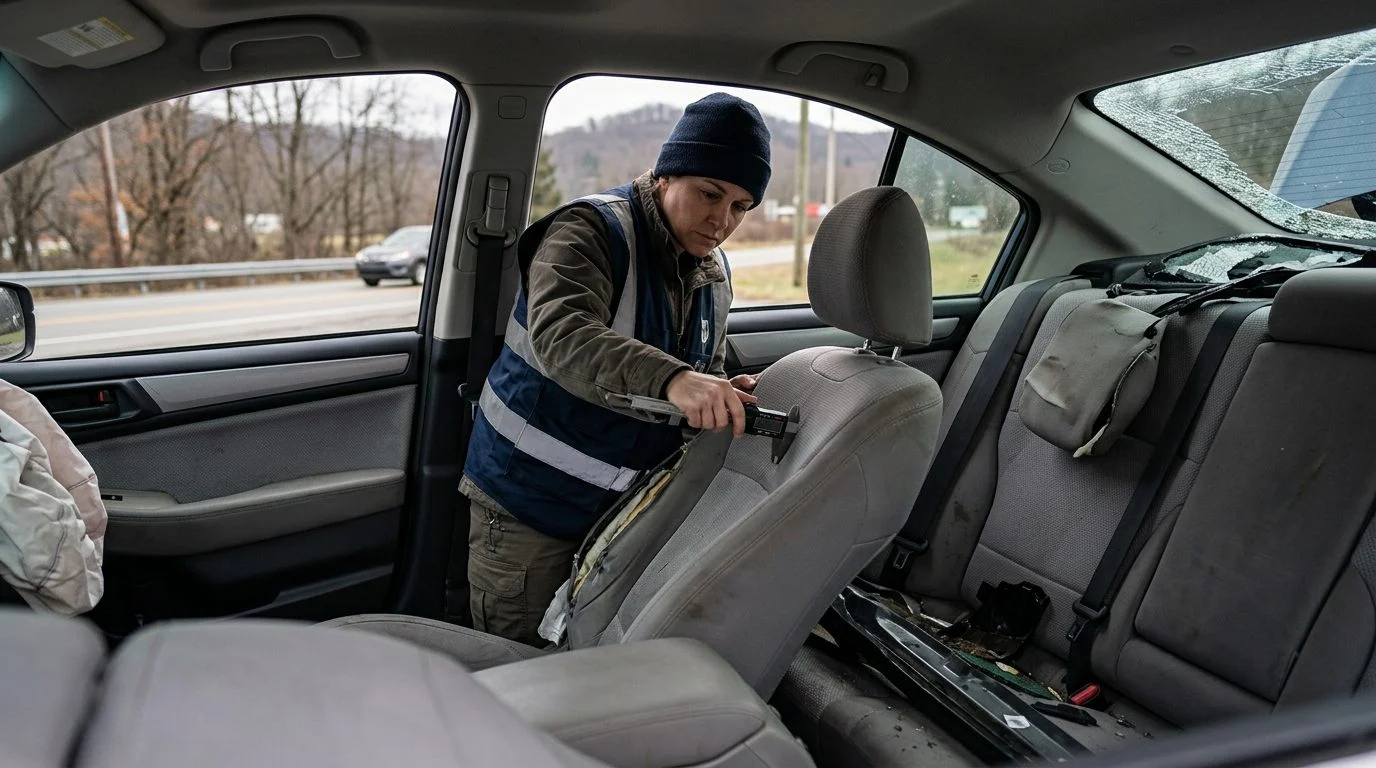
The most useful records usually include the crash report, emergency and hospital records, imaging such as MRI and CT scans, and notes from rehabilitation and treating doctors.
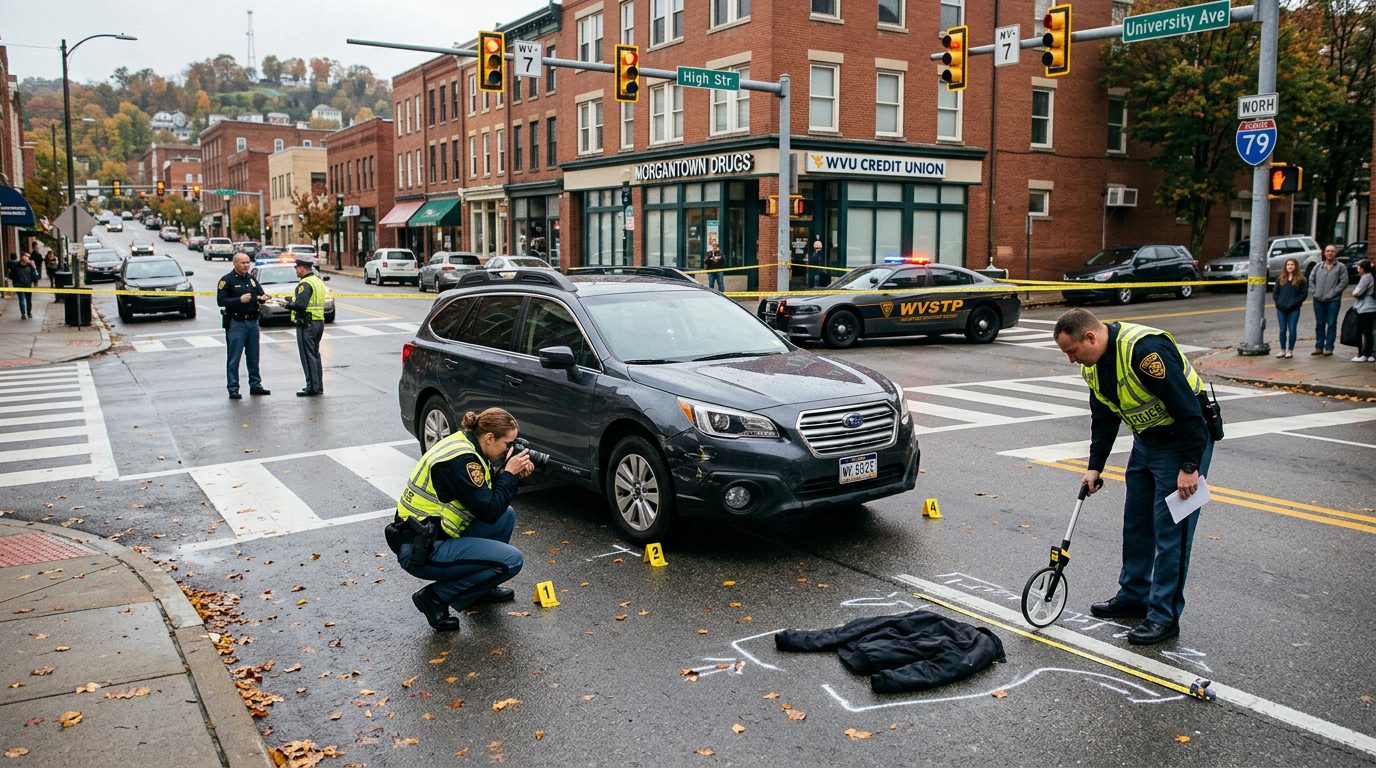
Under W. Va. Code § 17C-4-7, an investigating officer must prepare a report within 24 hours after completing an investigation of a crash on the public streets or highways of this state resulting in bodily injury to, or death of, any person or total property damage to an apparent extent of $1,000 or more. The officer must also share owner, operator, and insurance information on request.
Photos of the scene and vehicles, plus names of witnesses, can also help. Keep copies of every bill, letter, and insurance document you receive.
A simple daily log of symptoms can show how the injury affects everyday tasks, such as dressing, driving, or working. Write down what you could do, what you could not, what help you needed, and the date.
Ask your care team to explain any notes you don’t understand, and to correct errors you find.
Spinal cord injury and your legal options
If you are recovering from a crash, caring for someone who is, or trying to make sense of a diagnosis, you don’t have to work through the legal questions alone.
West Virginia generally allows two years to file a personal injury claim under W. Va. Code § 55-2-12, and exceptions may apply. Learning the timing early helps you plan.
The firm handles car accident, truck accident, commercial vehicle accident, catastrophic injury, traumatic brain injury, spinal cord injury, and wrongful death matters. We serve injury victims across West Virginia.
You can request a free case review to talk through the crash, the injury, and the records you have, in your own words and at your own pace.