
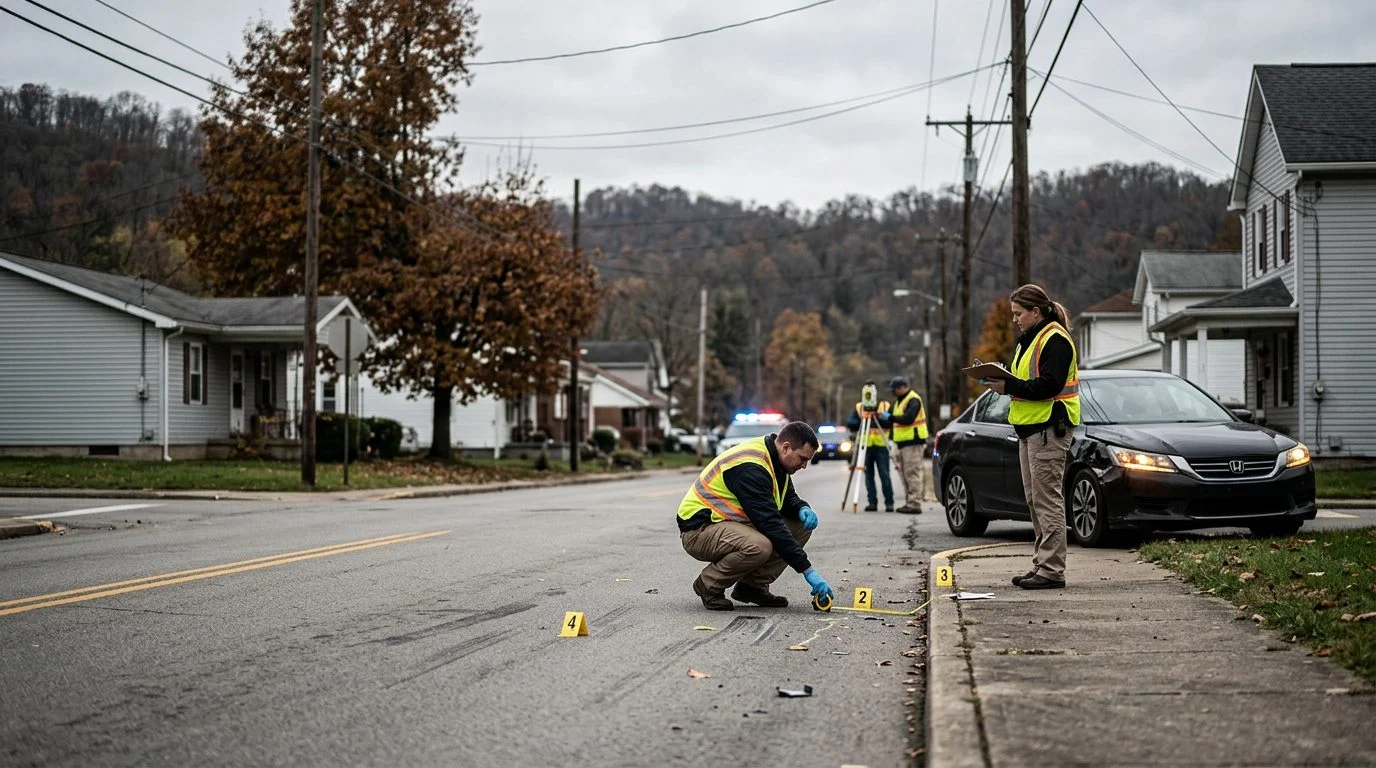
West Virginia Car Crash Injuries
Brain Injury After a Car Crash: Understanding Your West Virginia License
Driving questions after a head injury can come from more than one direction. Here is a plain-language way to tell them apart.
Published November 22, 2026
After a crash, a head injury can leave you asking whether it’s safe to drive again. That question can come up in two places: the state’s licensing process and any injury claim you may have.
If you are dealing with a medical condition, it may lead to a licensing review in West Virginia, and the same injury may affect a claim. The two issues are separate, and each turns on the facts of your case. Here is how they differ and what to keep on hand.
Why a Brain Injury Raises Questions About Driving
A brain injury can leave a driver unsure whether they can handle traffic safely. Often, two different questions get mixed together.
The first is about the license: can the person legally drive, and what does the state need to see? The second is about the claim: how the injury affects work, daily life and future needs. The answers can overlap, but they are not the same.
Symptoms can change from day to day. A person may feel fine at home and still struggle at a busy intersection or on a highway merge. Driving questions are often answered one case at a time for that reason.
Family members often notice changes first, such as a driver who forgets a route they drive every week. Start a simple written log now. Note missed turns, slow reactions, trouble tracking several cars, or fatigue after short trips. A dated log gives your doctor something concrete to review.
If a head injury from your crash has you wondering whether you can still drive, you can reach out to us for a free case review. Talk it through with Big Bubba — the first case review is free, confidential, and carries no obligation.

How a Medical Condition Can Come Up With West Virginia Licensing
A medical condition that may affect safe driving can reach the state’s driver’s license system, and the agency then decides what comes next. The exact steps depend on the facts and the agency’s review.
A report from a doctor or another source may start a review. Once the agency has information, it may ask for more records or take further action. Read any letter from the agency slowly. Look for deadlines, requests for records, and instructions to attend an appointment. Mark each date on a calendar and keep the envelope. Keep copies of anything you send, and note the date you sent it.
Separate from licensing, a crash itself triggers reporting duties. State law generally requires a driver in a crash that causes injury to or death of any person, or total property damage to an apparent extent of $1,000 or more, to give immediate notice to the local police department if the crash occurs within a municipality, otherwise to the office of the county sheriff or the nearest West Virginia State Police office. W. Va. Code § 17C-4-6
Brain Injury Symptoms That Can Affect Driving
Slower reactions, attention and memory lapses, vision or balance changes, and fatigue are commonly discussed effects on driving.
A concussion is one type of brain injury. More severe injuries can cause longer-lasting changes. Symptoms and recovery differ from person to person, so only a medical evaluation can sort out what applies to you.
Some people notice problems only in certain settings, such as night driving, heavy traffic, or long trips. Tell your doctor about each setting, because the pattern can matter.
Bring specific examples to your treating doctor. Describe what changed, such as getting lost on a familiar road or missing a traffic signal. Specific details help more than general words like “I feel off.” Mention headaches, sleep problems, and mood changes too, since your doctor may want to know about them.
The Role of Your Doctor and Written Medical Instructions
Your treating doctor can record your condition, any restrictions, and whether driving is advised. That record may be relevant to the licensing question.
A neurologist or other treating physician can document symptoms, test results, and any limits on driving. Ask directly whether driving is safe right now, and ask what would change that answer. Ask for the answer in writing when you can.
Keep written notes of every instruction. Include driving restrictions, follow-up visits, and any medication that may cause drowsiness. Write down the medication name, the dose, and the time you take it. Ask your doctor or pharmacist before driving after any new prescription.
Keep copies of the reports you give to the agency. A complete file is easier to follow if questions come up later.
Driving Evaluations and License Conditions
A driving evaluation or a license with conditions may be part of a licensing review in some situations.
An evaluation may include a reexamination or a skills assessment. Some drivers receive conditions, such as corrective lenses or daytime-only driving. Which conditions apply is decided through the agency’s review, so ask the agency what it requires in your case. Ask for its requirements in writing, and keep a copy of the reply. That gives you a clear record of the steps and any conditions.
Driver evaluation and training may also be available through state rehabilitation programs. The West Virginia Division of Rehabilitation Services describes driver evaluation and training for people with disabling conditions. Its guidance notes that some referrals require a valid learner’s permit and, when a condition has changed, recent medical reports. Division of Rehabilitation Services guidance
How a Driving Limitation Can Relate to an Injury Claim
A driving limitation can be one piece of an injury claim, because it may show how a brain injury affects work and daily life.
Effects on earning ability and future care can be part of how a claim is evaluated. Lost time at work, changes in job duties, and ongoing treatment are common examples. Our future care and lost earnings guide explains those categories. A claim may look at the full picture of how the injury affects daily life, not only the driving question.
West Virginia generally allows two years to bring a personal injury claim, and exceptions may apply. W. Va. Code § 55-2-12
Contact from insurers can come early.
Some insurers may dispute a claim or question medical limits. Your own auto policy may also matter. See our guide to claiming with your own auto insurer.
Not sure what your next step is?
Talk it through with Big Bubba — the first case review is free, confidential, and carries no obligation.
When a Loved One Did Not Survive the Crash
After a fatal crash, a family’s legal path generally runs through a wrongful death claim brought by a personal representative.
West Virginia law generally requires the action to be brought in the name of the deceased person’s duly appointed personal representative. W. Va. Code § 55-7-6 Generally, it must begin within two years after the death, subject to related provisions in the code. W. Va. Code § 55-7-6 reads: “The provisions of this section shall not apply to actions brought for the death of any person occurring prior to July 1, 1988.” Damages may include sorrow, mental anguish, and lost income and services the decedent would have provided.
Sometimes the injured person dies after the crash but before starting a claim. In that case, West Virginia’s survival statute generally lets the personal representative begin the action, if it was not at the time of the injured person’s death barred by the applicable statute of limitations, within the same period of time that would have been applicable had the injured party not died.
For a closer look at that path, read our survival action guide for fatal car crashes.
Losing a family member is painful. Questions about a loved one’s license or driving history can add stress at an already hard time. Take them one at a time.
Records to Keep and Your Next Step
Organized records make both the license question and any injury claim easier to work through. A simple folder, digital or paper, keeps everything in one place. Add each new record as it arrives.
Gather these items:
- Medical notes and discharge instructions
- Imaging and test reports
- Every letter from the state agency, with its envelope
- A note from your employer describing your job duties
- The crash report and insurance information for each driver
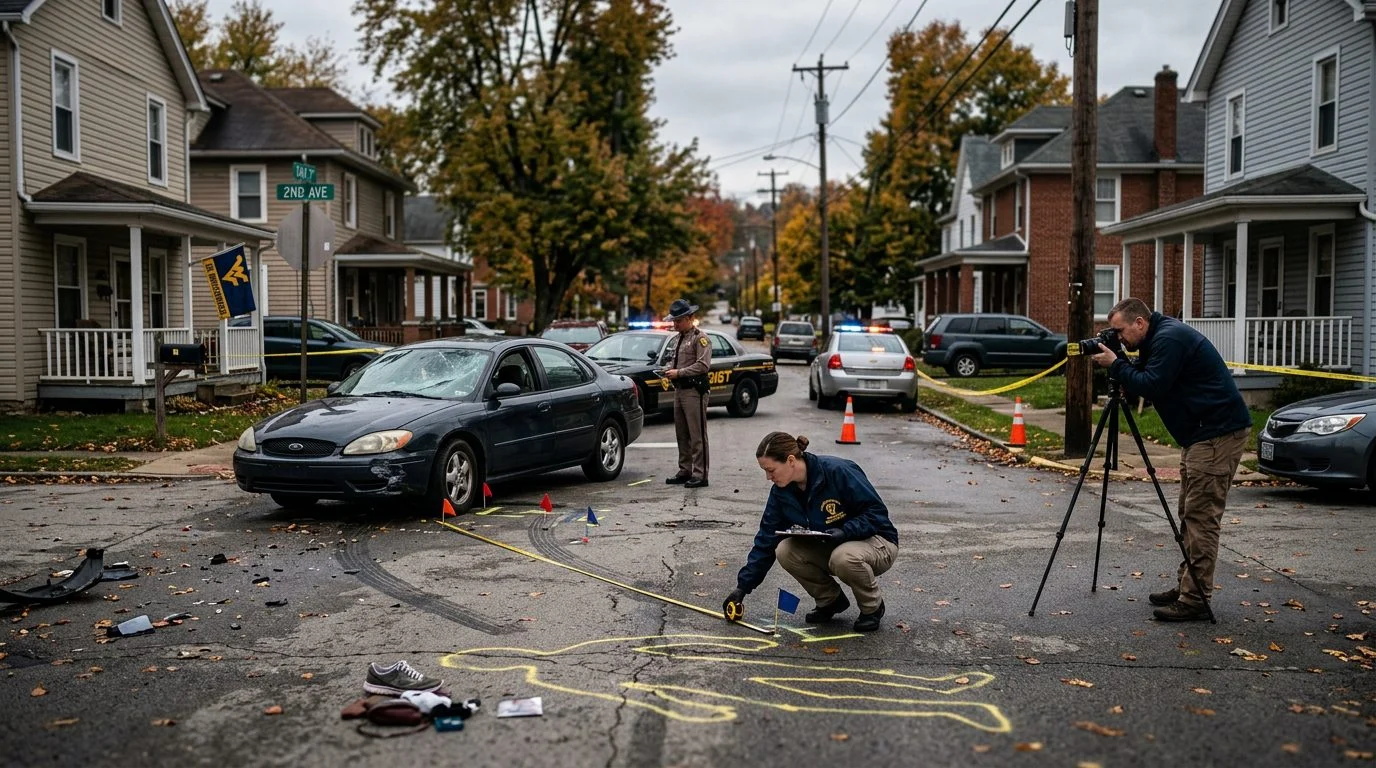
Under state law, the investigating officer generally must prepare a crash report within 24 hours after finishing the investigation of a crash on public streets or highways resulting in bodily injury to, or death of, any person or total property damage to an apparent extent of $1,000 or more. On request, the officer also generally must provide each party’s owner, operator, and insurance information to each of the other involved parties, and to each party’s respective insurance agents, within 24 hours of the crash, at no cost, whether or not the accident report has been completed. W. Va. Code § 17C-4-7
For a broader view, read our West Virginia traumatic brain injury accidents overview. We handle car crash and brain injury claims for people across West Virginia. We serve injury victims in Charleston, Huntington, Morgantown, Wheeling, Martinsburg, Parkersburg, Beckley, Clarksburg, Fairmont and Weirton.
If a head injury from your crash has you asking whether you or a family member can still drive, you can reach out to us to request a free case review.