
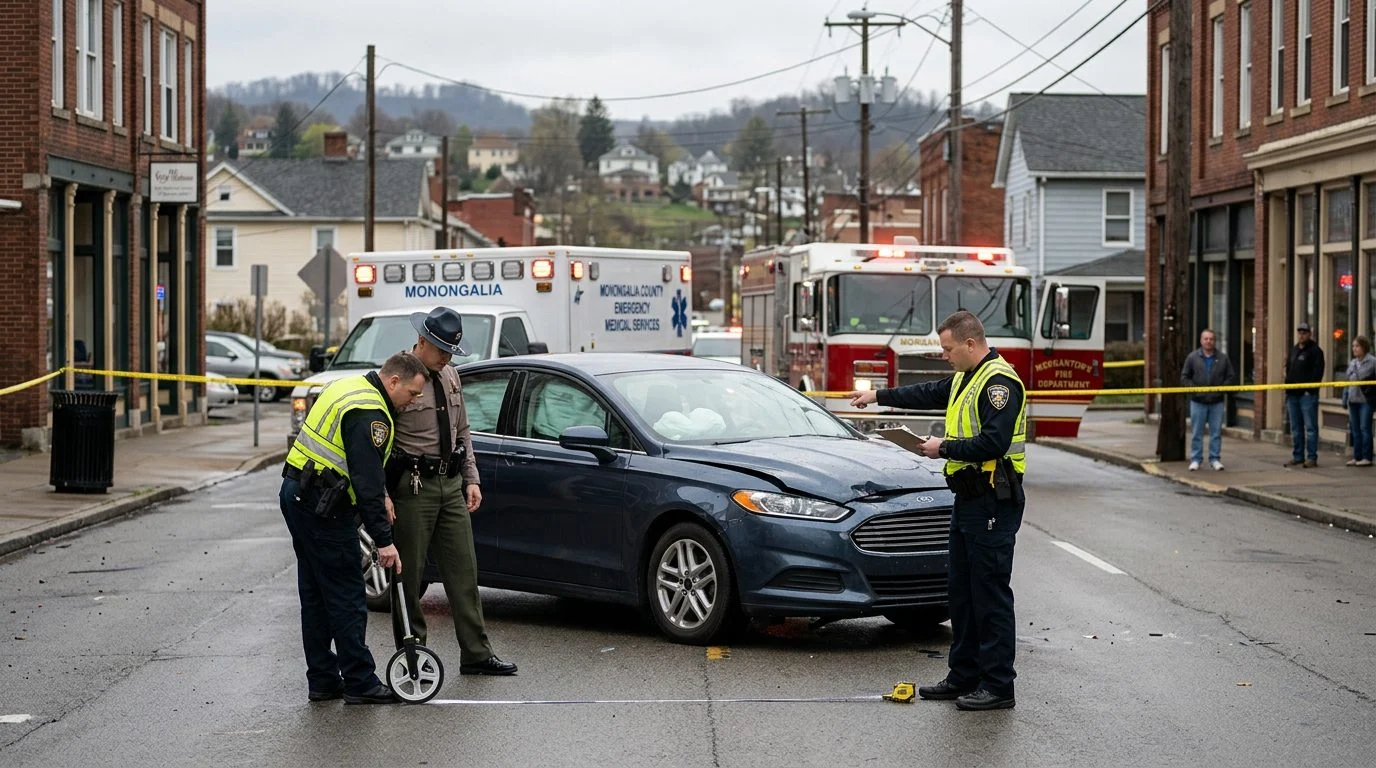
Car Accident Injuries | West Virginia
Broken Bone From a Car Accident? Know What Recovery May Involve
Waiting on a fracture to heal is stressful, especially when bills and time off work are piling up. Here is a plain-language guide to the healing process and what can affect it.
Published November 20, 2026
If a crash left you or someone you love with a broken bone, you probably want to know how long recovery will take. For most fractures, healing takes several weeks to several months, but the exact time depends on the bone, the break, and the person.
This page answers how long a broken bone takes to heal after a car accident. It explains the stages of healing, general timelines, early warning signs, and factors that change recovery.
Why a Broken Bone From a Crash Is Hard to Time
Healing time is hard to predict because every broken bone is different. A crash can break a bone in many ways, and each break heals on its own schedule.
Several things shape recovery. These include which bone broke, whether the bone split into pieces, and the person’s age and general health. Treatment also matters. Some breaks heal in a cast or brace. Others need surgery to line up the bone and hold it in place.
Orthopedic surgeons’ guidance on wrist fractures says appropriate treatment, including surgery, depends on the individual patient’s circumstances. Two people with the same kind of break may follow different paths. The American Academy of Orthopaedic Surgeons guidance makes this point clearly.
This page covers the healing stages, general timelines for common crash fractures, warning signs, and the factors that affect recovery. It also covers when a crash may involve injuries beyond the bone. Your treating doctor is the right source for your specific fracture. Write down your questions as you go. Ask what your doctor expects for activity, follow-up visits, and the next scan.
If a crash left you or someone you love with a broken bone and hard questions, we are glad to talk through what you are facing with you. Talk it through with Big Bubba — the first case review is free, confidential, and carries no obligation.

How a Broken Bone Heals: The Four Stages
A broken bone heals in four overlapping stages. A blood clot forms, a soft callus bridges the gap, the callus hardens, and the new bone is reshaped.
Stage one: clot and inflammation. Bleeding at the break forms a blood clot, called a hematoma. Swelling and inflammation follow. This stage usually happens in the first days after the injury.
Stage two: soft callus. Over the following weeks, the body builds a soft callus. This is a bridge of cartilage-like tissue that spans the gap between the broken ends.
Stage three: hard callus. Minerals are deposited into the soft callus, turning it into harder bone. This phase often continues for several weeks or longer, depending on the break.
Stage four: remodeling. Over months or longer, the body reshapes the new bone. Extra bone is cleared away, and the bone takes on a more normal shape and strength.
These stages overlap. A bone can be in more than one stage at once, and the timing varies from person to person. Doctors often track progress with follow-up X-rays. Those images show whether the bone is lining up and filling in.
General Healing Timelines for Common Car Crash Fractures
Most fractures from crashes take several weeks to several months before the bone is strong enough for normal use. These are general ranges, not promises.
Common crash fractures include arm and wrist breaks, collarbone breaks, rib fractures, and breaks in the hand or foot. Leg bones often take longer. The thigh and lower leg carry much of the body’s weight, so doctors may limit walking until the bone is ready.
How long does a fractured arm take to heal?
A fractured arm often takes several weeks to a few months to heal enough for everyday use. The exact time depends on which bone broke, how badly it broke, and the treatment chosen.
Doctors track progress through follow-up visits and imaging. Those checks show whether the bone is aligned and healing. Follow-up visits also help your care team decide when activity can increase.
Can a Fracture Heal in Two Weeks?
Early healing starts within days, but a bone is usually not fully healed at two weeks. Early steps are real, though. The blood clot forms, and the soft callus begins to bridge the break.
Those changes are part of healing. They do not mean the bone can take the same load as before. Light use and heavy use are different. A bone may be stable enough for light daily tasks but still too weak for heavy lifting, contact sports, or hard work. Your doctor sets the level of use that is safe for your bone.
Pain can ease before the bone is sound. This is one reason people sometimes push too hard. Following the activity limits your doctor sets matters, even when you feel better.
Ask your doctor what milestones to expect for your specific bone. Ask when the next imaging is planned and which signs mean you should call back sooner.
Factors That Can Speed Up or Slow Down Healing
Age, nutrition, and overall health can all affect how a bone heals. Your doctor can tell you which of these matter most in your case.
Smoking and some chronic conditions, such as diabetes, may slow healing. If either applies to you, tell your doctor early so they can plan with that in mind.
Open fractures, where the bone breaks through the skin, may carry a higher risk of infection and slower healing. Breaks with heavy tissue damage can carry similar risks. These injuries often need prompt, careful treatment.
Sometimes a bone does not heal as expected. A nonunion means the bone does not knit together. A malunion means it heals out of position. Either may need more treatment, including another procedure.
Follow-up care and rehabilitation also count. After some orthopedic surgeries, follow-up visits and physical therapy are part of care. The VA Boston orthopedic surgery program describes postoperative follow-up and physical therapy as part of that care.
How to Tell If a Bone Is Broken After a Crash
The most common signs of a broken bone include severe pain, swelling, bruising, and trouble moving or bearing weight on the limb.
Other signs include a visible bend or deformity and numbness or tingling in the hand or foot. Any of these after a crash deserves prompt medical attention.
Seek emergency care right away if you feel a grinding sensation, see a bone out of place, or notice pain that keeps getting worse. Call emergency services for serious injuries. Do not wait to see whether it improves on its own.
Doctors usually confirm a fracture with an X-ray or other imaging. Some fractures are hard to see without imaging, so a normal-looking limb does not rule out a break.
Shock and adrenaline may mask pain in the first hours after a crash. Get checked even if you feel you can walk it off. Anyone unsure whether they were hurt should also get checked.
Not sure what your next step is?
Talk it through with Big Bubba — the first case review is free, confidential, and carries no obligation.
When a Broken Bone Comes With Other Crash Injuries
High-impact crashes can injure the head, neck, back, and spine along with a broken bone. A broken bone is not always the only injury.
Some of these injuries are easy to miss. A PMC article on brain injuries notes that traumatic brain injury effects may be long-lasting and may not be immediately apparent after an accident. It also notes that mild injuries can be hard to diagnose.
Watch for confusion, memory trouble, headache, weakness, or numbness after a crash. These symptoms need prompt medical evaluation, even if the broken bone seems to be the main problem.
For more on head injuries after a crash, read our traumatic brain injury overview.
Numbness, tingling, or weakness in the arms or legs also deserves prompt care. Only a medical evaluation can sort out what is happening in your body.
Crash Type and Location Can Shape the Picture
A crash involving a commercial truck or company vehicle can involve different parties and records than a passenger car crash. The steps after the crash can also raise different questions later.
West Virginia law requires a driver involved in a crash that injures someone to give reasonable help to anyone injured, if the driver is physically able to do so. That includes getting the injured person to a doctor or hospital when treatment is apparently needed or when the person asks. See W. Va. Code § 17C-4-3.
Under W. Va. Code § 17C-4-7, the investigating officer must prepare the report within 24 hours after finishing the investigation. The same statute also requires the officer to share owner, operator, and insurance information on request.
Commercial vehicles follow federal rules too. The eCFR rule on post-accident testing sets out when that testing applies.
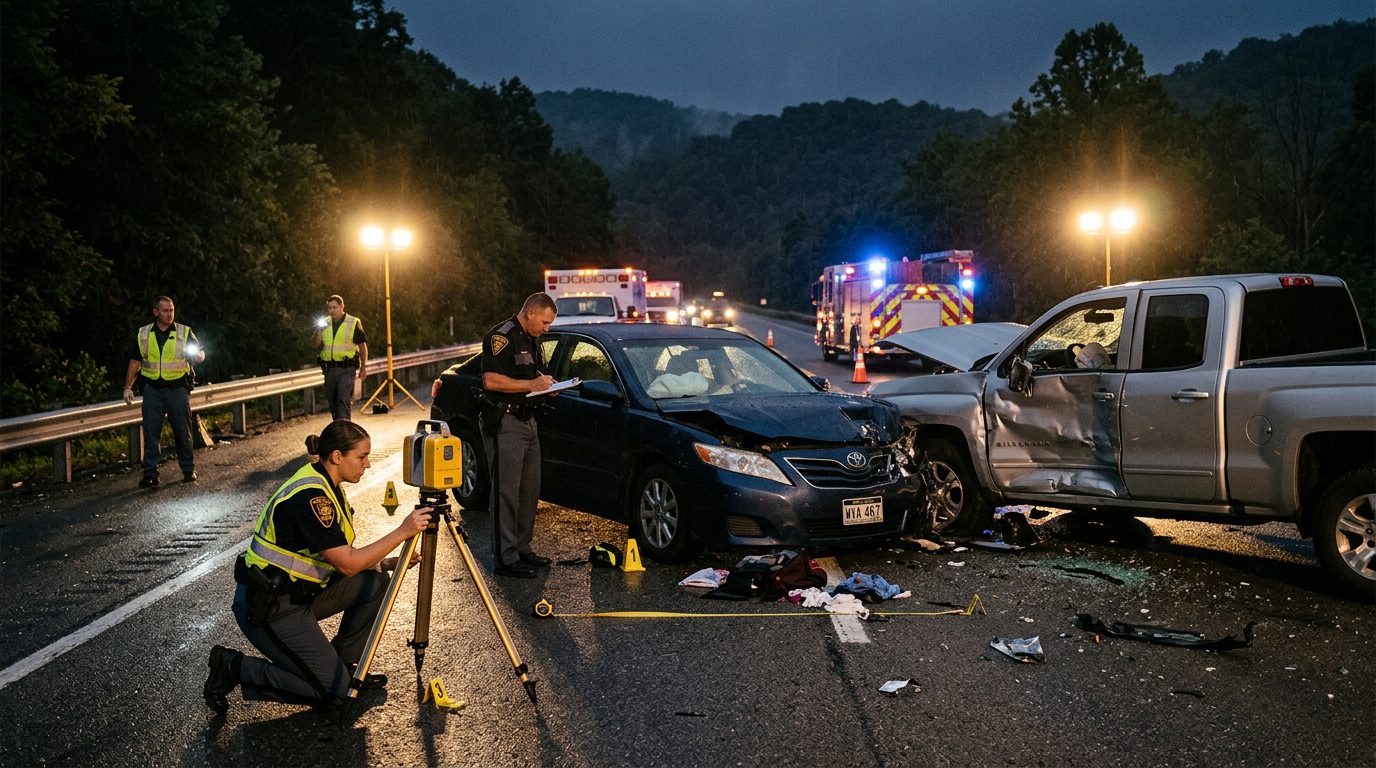
Keep your medical records, notes about missed work, and a copy of the crash report. These can help anyone trying to understand what happened. If another driver was at fault, you may also have questions about medical bills and lost income.
For a company vehicle, see our overview of company van crash responsibility in West Virginia.
Talking to Your Doctor After a Crash
Your treating doctor is the right person to ask how long your bone will take to heal.
If you are caring for an injured family member, you may be juggling medical visits, work, and many decisions at once. That is a heavy load. You do not have to sort it all out alone.
Keep asking questions at each visit. Write down the healing milestones and activity limits your doctor gives you. Bring that list to every appointment.
We serve injury victims across West Virginia. The firm handles car, truck, and commercial vehicle crash claims, along with catastrophic injuries and wrongful death. If a crash left you or a loved one with a broken bone and questions about recovery, you can call the firm about your case or request a free case review.